

When breast mesh surgery causes harm, we helps families find answers.
Women have suffered serious harm after breast mesh was used in augmentation, lift, revision, or breast reconstruction surgery. Complications can include infection, chronic pain, nerve damage, capsular contracture, implant failure, repeat surgery, and reconstruction failure.
FDA warnings, labeling updates, and postmarket reports have kept concerns about breast surgery devices and implant-related injuries in focus. If your recovery became painful, prolonged, or medically complicated, the central question is whether breast mesh, an internal bra device, a breast implant, or another preventable safety failure played a role.

How Much Is Your Case Worth?
What Is Breast Mesh?
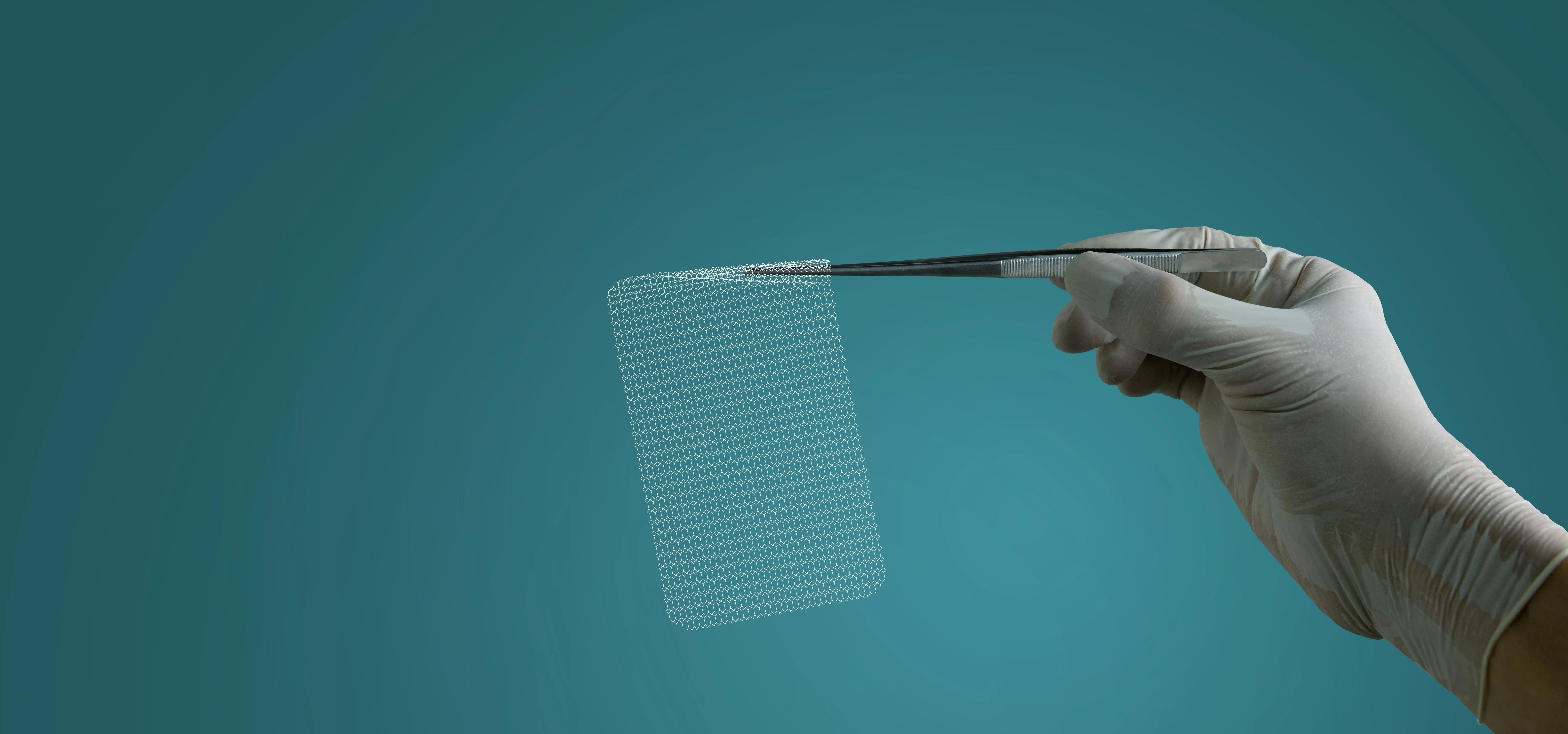
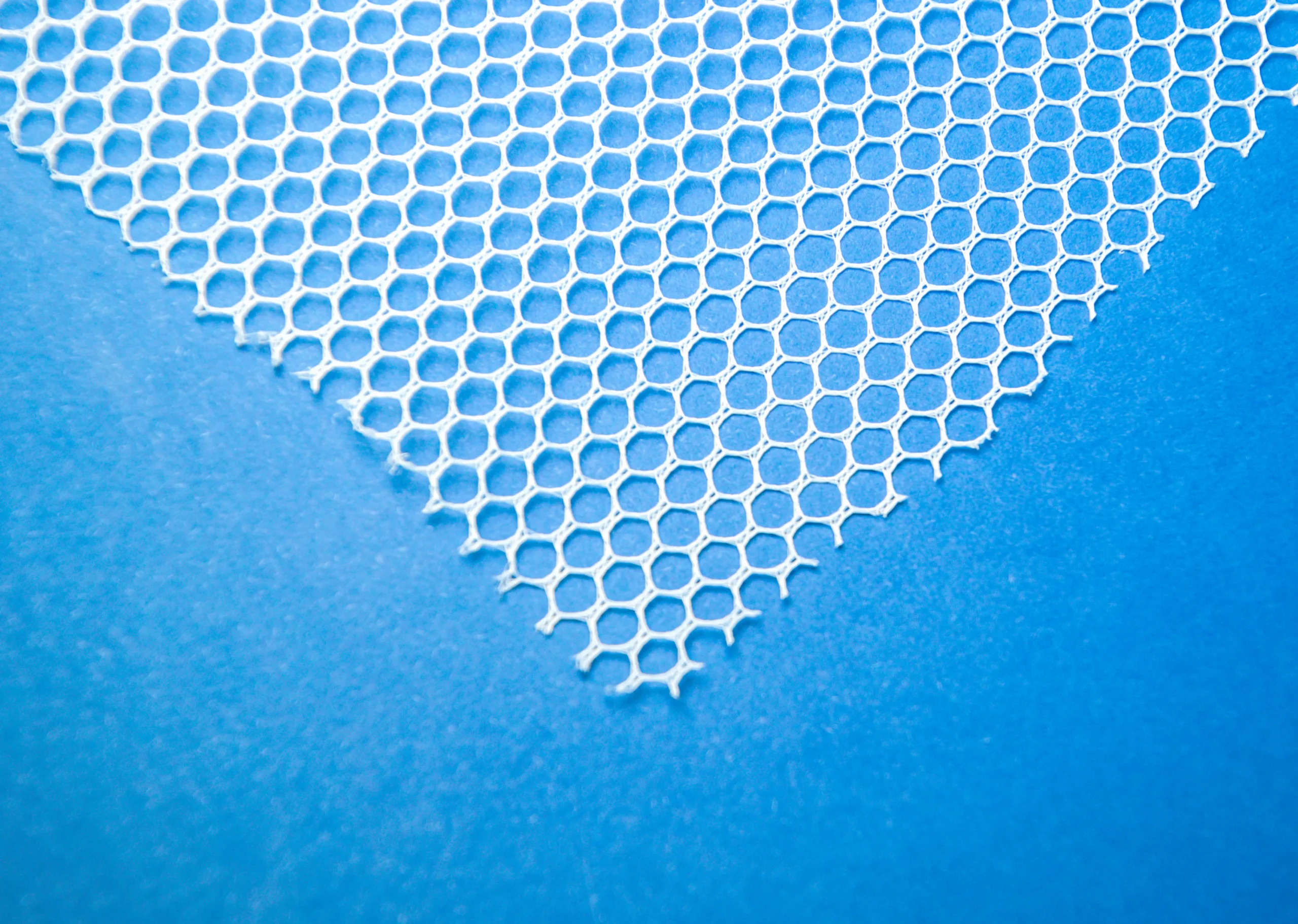
Breast mesh is a surgical mesh or scaffold material used by some surgeons to support breast tissue or implants. In breast procedures, it may be described as an internal bra, soft tissue support, mesh reinforcement, scaffold, or implant support material.
Breast mesh has been used in procedures such as:
- Breast reconstruction after mastectomy
- Breast augmentation
- Breast lift surgery
- Implant revision surgery
- Correction of implant position or asymmetry
- Procedures involving weak or stretched tissue
- Cosmetic surgeries intended to improve shape or support
The concern is direct: surgical mesh products cleared for soft tissue repair were not cleared or approved by the FDA specifically for breast surgery. When a device is used in a part of the body or for a purpose that has not been evaluated for that use, patients may face risks they were never fully warned about.
Why Breast Mesh Lawsuits Are Being Investigated
Breast mesh lawsuits focus on whether manufacturers promoted, sold, or failed to warn about mesh products used in breast surgery despite limited safety data for that specific use. These claims may allege that patients and surgeons were not given adequate information about the risk of serious complications.
Potential legal issues may include:
- Failure to warn patients and doctors about breast surgery risks
- Defective product design
- Misrepresentation of device safety
- Inadequate clinical testing for breast reconstruction or augmentation use
- Off-label use in breast procedures
- Failure to update warnings as complications became known
- Negligent surgical use or poor informed consent
Not every poor surgical result supports a legal claim. A breast mesh lawsuit generally requires a serious injury, a connection to the device or procedure, and evidence that a product defect, warning failure, medical error, or preventable safety issue may have contributed.


Common Breast Mesh Complications
Women are reporting complications that can affect their health, mobility, appearance, and quality of life. Some complications require revision surgery or device removal.
Breast mesh complications may include:
- Infection or abscess
- Chronic breast, chest, shoulder, or nerve pain
- Nerve damage
- Seroma or fluid buildup
- Capsular contracture
- Hardening around the implant
- Mesh migration or displacement
- Implant malposition
- Implant rupture or failure
- Reconstruction failure
- Wound healing problems
- Inflammation
- Scarring or tissue damage
- Need for mesh removal
- Need for implant removal or replacement
- Repeat hospitalization or revision surgery
These injuries can be especially devastating for women who underwent breast reconstruction after cancer treatment. A failed reconstruction can force a patient back into surgery after an already difficult medical journey.
Internal Bra Surgery and Breast Mesh Injuries
The phrase internal bra is often used to describe mesh placed inside the breast to provide added support. The goal may be to hold an implant in place, reinforce tissue, reduce sagging, or improve surgical results.
The legal concern is that a marketing term can make a procedure sound routine or cosmetic when the device risks are significant. Patients may not have understood that mesh used as an internal bra could lead to infection, chronic pain, foreign body reaction, tissue damage, or failed reconstruction.
A strong investigation will examine what the patient was told before surgery, what device was used, whether safer alternatives existed, and whether the surgeon or manufacturer adequately disclosed the risks.

Breast Reconstruction Device Injuries
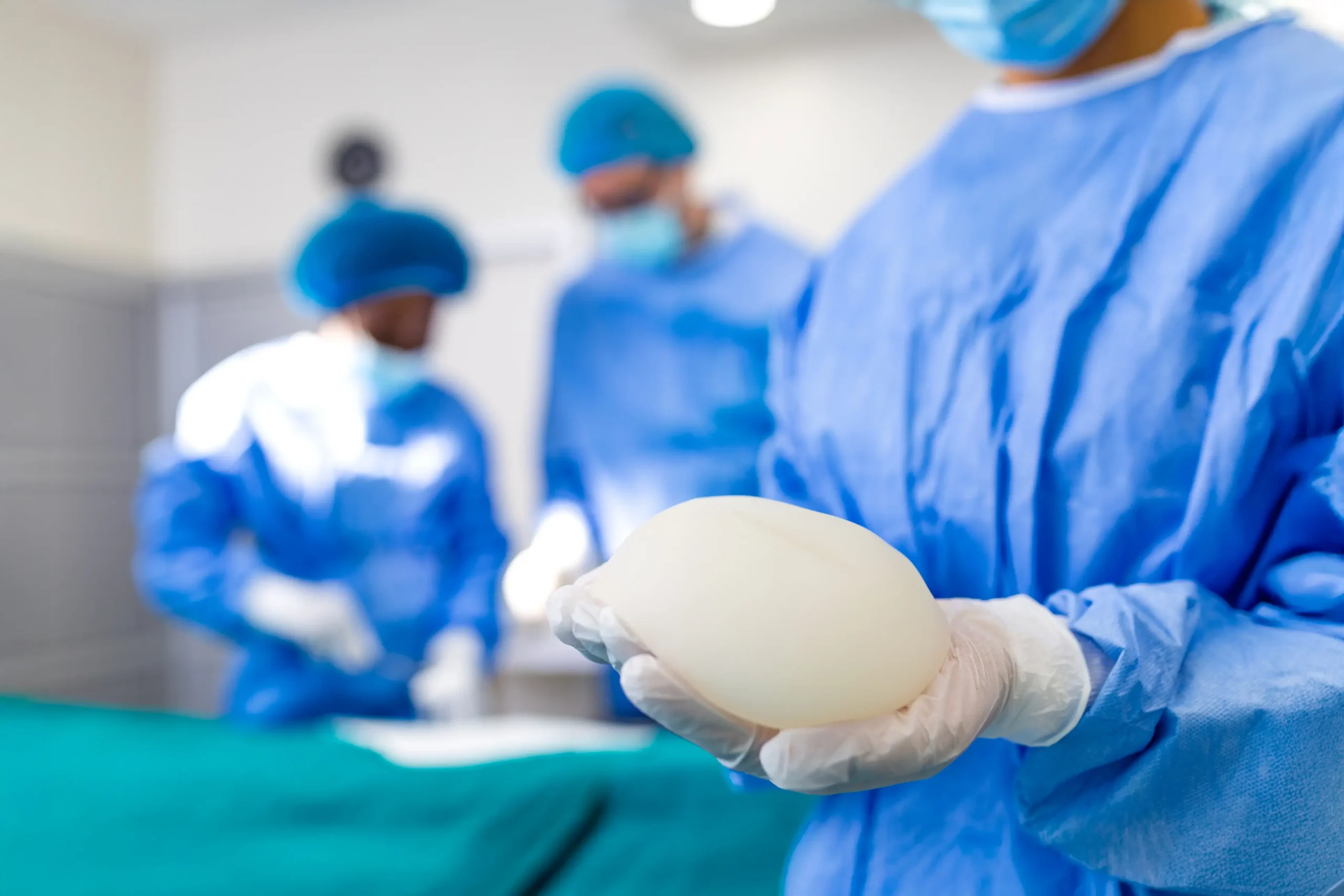
Breast reconstruction often involves complex medical decisions. Patients may receive implants, tissue expanders, acellular dermal matrix products, mesh, or other support materials. These devices can help rebuild the breast after mastectomy, trauma, infection, or prior surgery, but they also carry risks.
Breast reconstruction device injuries may involve:
- Tissue expander complications
- Implant-related lymphoma concerns
- Infection around an implant or mesh
- Implant loss
- Failed reconstruction
- Repeated corrective surgeries
- Painful scar capsule formation
- Poor wound healing
- Device movement or failure
When reconstruction fails because of a device problem or preventable surgical error, the physical and emotional impact can be severe. These cases require careful review of operative records, implant labels, pathology results, infection records, device history, and informed consent documents.
Breast Implants, Textured Implants, and BIA-ALCL
Breast implant cases can also involve textured implants and breast implant-associated anaplastic large cell lymphoma, known as BIA-ALCL. BIA-ALCL is not breast cancer. It is a type of lymphoma that can develop in the scar tissue capsule or fluid around a breast implant.
Symptoms that may require medical evaluation include:
- Persistent breast swelling
- Breast or implant-area pain
- Fluid buildup around the implant
- A lump or mass near the implant
- Capsular contracture
- Breast asymmetry or shape change
- Enlarged lymph nodes
- Unexplained changes years after implant placement
Breast implant cases and breast mesh cases are not identical. Some patients may have both an implant and mesh used during the same reconstruction or cosmetic procedure. That combination can make the investigation more complex because the injury may involve the implant, the mesh, the surgical technique, or multiple contributing factors.

Who May Have a Breast Mesh Lawsuit?
You may have a breast mesh lawsuit if you had breast reconstruction, augmentation, lift, or revision surgery involving surgical mesh or an internal bra device and later suffered serious complications.
Potential claims may involve people who experienced:
- Infection after breast mesh placement
- Chronic pain after internal bra surgery
- Nerve damage after breast reconstruction or augmentation
- Capsular contracture after mesh-supported implant surgery
- Mesh migration or displacement
- Implant rupture, implant malposition, or reconstruction failure
- Revision surgery to remove mesh or correct complications
- Implant removal after mesh-related problems
- Hospitalization, abscess drainage, or repeat operations
A legal review should focus on the specific device used, the timing of symptoms, what the surgeon documented, what warnings were provided, and whether the injury is consistent with known mesh or implant complications.
What Evidence Matters in a Breast Mesh Case?
Breast mesh and reconstruction device cases depend on medical and product evidence. The most important records often identify the device, the surgical plan, the warnings given, and the reason additional treatment became necessary.
Useful evidence may include:
- Operative reports
- Implant stickers or device identification cards
- Mesh product name, lot number, or manufacturer information
- Informed consent forms
- Preoperative consultation notes
- Postoperative complication records
- Imaging reports
- Infection culture results
- Pathology reports
- Plastic surgery revision notes
- Hospital records
- Photos of visible complications over time
- Records showing missed work, medical bills, and out-of-pocket costs
Patients should not remove or discard device cards, implant records, photographs, discharge paperwork, or revision surgery records. These materials can help determine whether the case involves a defective product, inadequate warning, or negligent care.


Why Breast Mesh Lawsuits Can Be Complex
Breast mesh cases can be difficult because several parties may be involved. A manufacturer may be responsible for product design, marketing, or warnings. A surgeon may be responsible for informed consent, surgical technique, patient selection, or postoperative care. A hospital or surgical center may hold key records about the device used.
The defense may argue that complications were known surgical risks, that the mesh did not cause the injury, or that the surgeon’s decision caused the outcome. A strong case requires medical review, device research, and a clear timeline connecting the surgery to the complications.
These cases also require restraint. Not every complication means someone did something wrong. But serious complications after breast mesh, internal bra surgery, or breast reconstruction deserve a focused investigation when the patient was not fully warned or the device failed in a harmful way.
What To Do If You Suspect a Breast Mesh Injury
Start with medical care. Ongoing pain, swelling, fever, drainage, fluid buildup, hardening, a lump, or sudden breast changes should be evaluated by a qualified medical professional.
You should also consider these practical steps:
- Ask for the exact name of every device used in your surgery
- Request your operative report and implant records
- Keep copies of device cards and consent forms
- Document symptoms and medical visits
- Save photos showing visible changes
- Track revision surgery recommendations
- Do not sign broad releases from any manufacturer without legal review
A lawyer can help determine whether your injury may involve a breast mesh lawsuit, breast implant lawsuit, breast reconstruction device claim, or medical malpractice investigation.


Contact McEldrew Purtell About a Breast Mesh Lawsuit
If you developed serious complications after breast mesh, internal bra surgery, breast reconstruction, augmentation, implant revision, or a related breast device procedure, McEldrew Purtell can review what happened.
Our team investigates complex medical device and catastrophic injury cases involving product failures, inadequate warnings, medical negligence, and preventable harm. Contact McEldrew Purtell for a free consultation to discuss whether breast mesh, a breast implant, a reconstruction device, or a surgical safety failure may have contributed to your injury.
Learn More

Cerebrospinal Fluid Leaks Can Cause Serious Neurologic Injuries and Life-Threatening Infections
When a dural injury results in Cerebrospinal Fluid leak after an epidural injection, lumbar puncture, spinal cord stimulator insertion, spine procedure, or another intervention near the dura, the consequences can be debilitating and life-threatening. Patients may suffer severe migraines, brain…
Stoneworkers Face Life-Threatening Silicosis From Quartz Countertop Dust
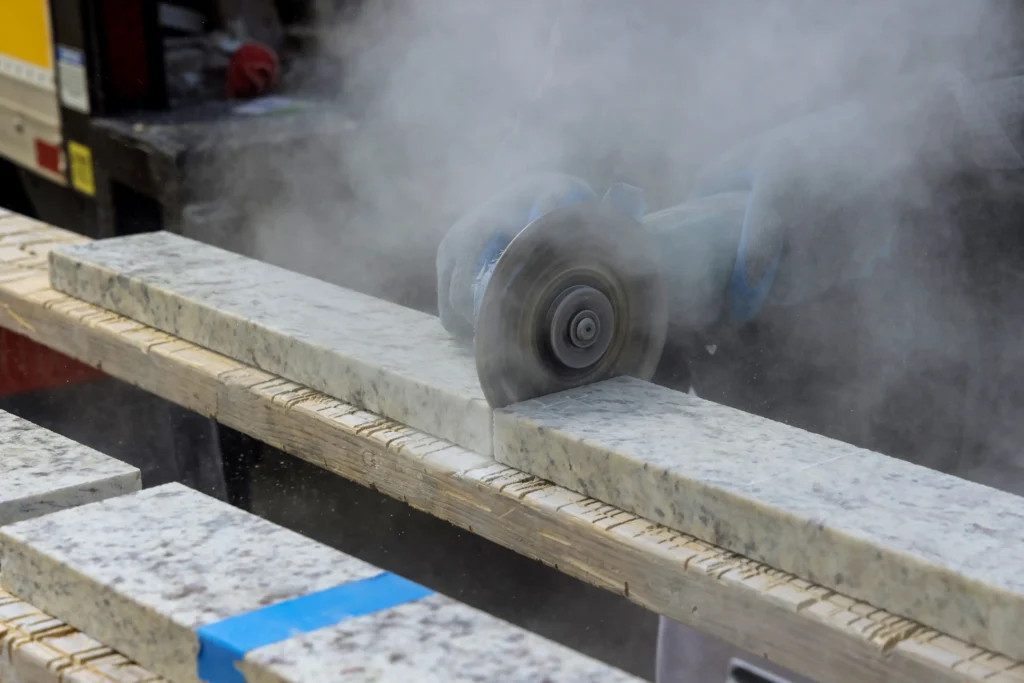
Stone fabrication workers are losing lung function, undergoing lung transplants, and dying after years of cutting and polishing engineered stone countertops. NPR’s latest reporting adds to growing public health evidence that silicosis tied to quartz countertop dust is appearing across…

Tire Tread Separation and Blowouts: When a Crash Raises Product Liability Concerns
Tire Tread Separation and Blowouts: When a Crash Raises Product Liability Concerns On average, tire-related crashes are linked to nearly 11,000 wrecks and more than 600 deaths each year in the United States, according to NHTSA. In 2024 alone, more…

Defective Breast Mesh: Chronic Pain and Disfigurement After Internal Bra Procedures
Women across the country are dealing with surgical removal, chronic pain, and disfigurement after surgeons implanted resorbable mesh products marketed as an “internal bra” during breast lift, reduction, and reconstruction procedures. A growing number of these women are now suing…
Sepsis and Serious Infections Linked to Product Defect: Contaminated Reusable Scopes
In a number of occurrences, people have gone in for routine or necessary scope procedures and come out with severe infections, repeat hospitalizations, IV antibiotics, and in some cases, death. The danger is not limited to one brand or one…

Insulin Pump / CGM Failures: Over-Delivery, Under-Delivery, and Severe Outcomes
A defective or malfunctioning insulin pump does not just create inconvenience. It can lead to under-delivery or interruption of insulin, dangerous hyperglycemia, and emergency care. FDA reports on recent corrections describe hundreds of adverse events and dozens of injuries tied…