

Answers after reconstruction harm.
Patients have suffered serious harm after breast implant surgery, breast reconstruction, or the use of related surgical devices. The consequences can include infection, implant failure, rupture, capsular contracture, repeat surgery, permanent pain, cancer-related complications, or death.
FDA safety actions, device warnings, recalls, and ongoing reports of complications have kept these risks in focus. If you or someone you love suffered serious complications, the central question is whether a dangerous device, inadequate warning, surgical error, or preventable safety failure played a role.

How Much Is Your Case Worth?
Breast Implants, Reconstruction Devices, and Serious Complications
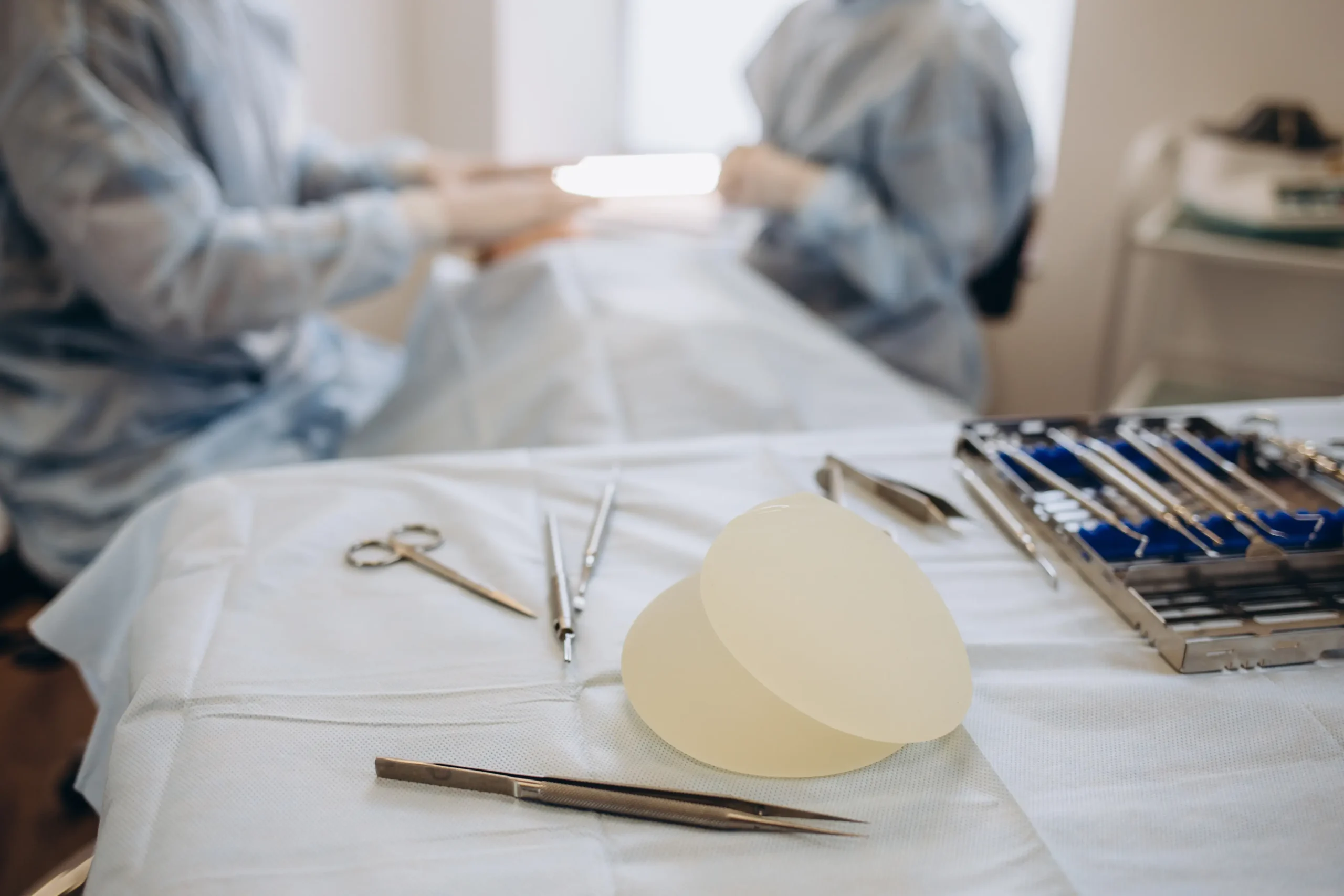
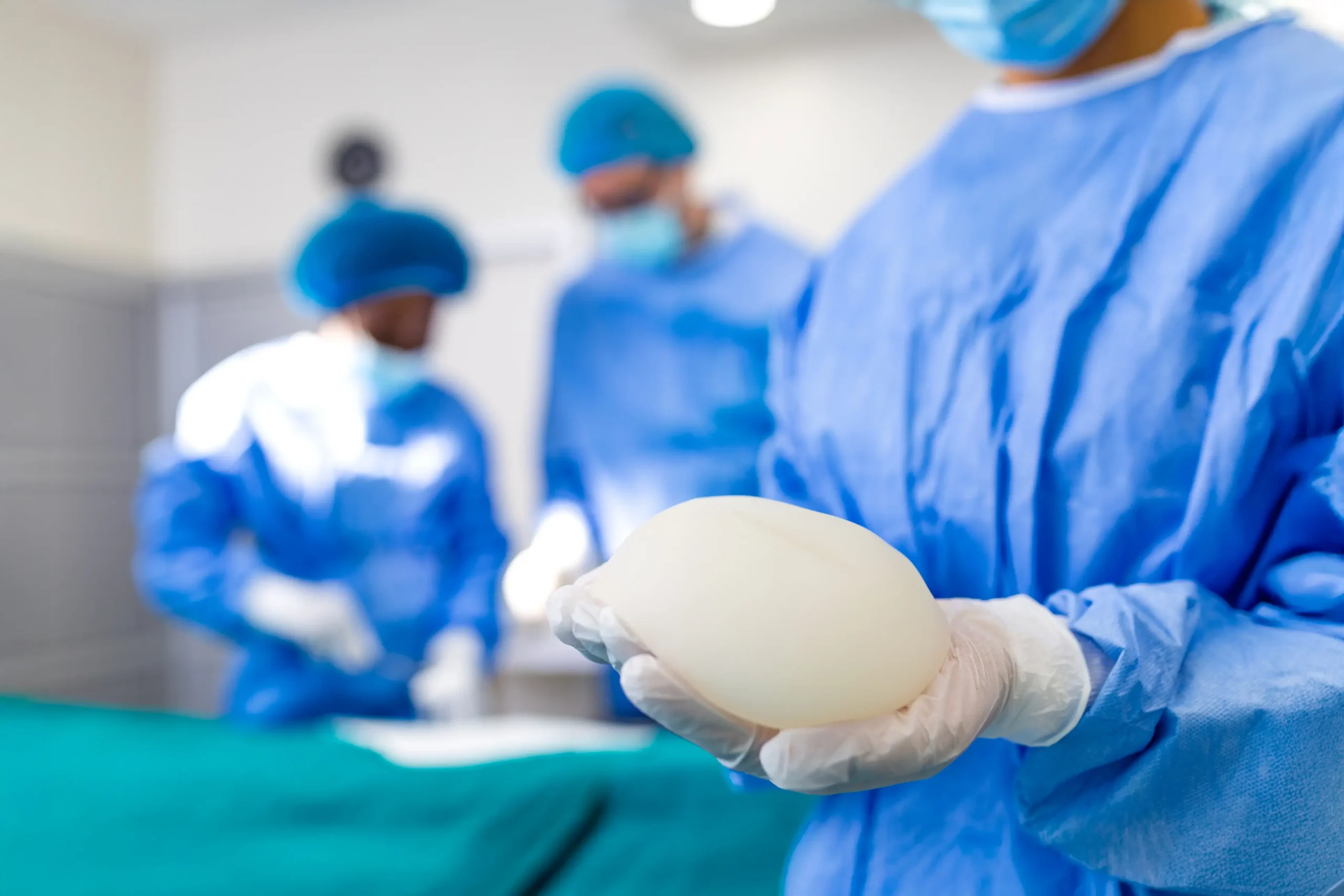
Breast implants and breast reconstruction devices are used after mastectomy, breast cancer treatment, traumatic injury, cosmetic surgery, or revision surgery. These products may include silicone or saline breast implants, textured implants, tissue expanders, acellular dermal matrix products, surgical mesh, internal support materials, and other devices used to support or reshape breast tissue.
When these products fail or cause complications, patients may face far more than a poor cosmetic result. Some patients require repeat operations, implant removal, reconstruction revision, hospitalization, infection treatment, or long-term medical monitoring. Others may experience chronic pain, deformity, loss of breast tissue, emotional distress, or cancer-related complications linked to the tissue surrounding an implant.
The FDA identifies several known risks and complications associated with breast implants, including pain, changes in sensation, capsular contracture, rupture, deflation, additional surgeries, breast implant-associated anaplastic large cell lymphoma, systemic symptoms, and reports of other cancers in the capsule around breast implants.
Devices That May Be Involved in Breast Reconstruction Claims
A serious infection after medical device use does A breast implant or reconstruction device lawsuit may involve one product or several products used during the same procedure. Potentially involved devices include:
- Silicone gel breast implants
- Saline breast implants
- Textured breast implants
- Tissue expanders
- Breast reconstruction mesh
- Acellular dermal matrix products
- Internal bra or soft tissue support materials
- Surgical drains, ports, or related surgical products
- Revision surgery devices or replacement implants
These cases require careful review because a patient may not know exactly which products were used. Operative reports, implant cards, pathology reports, hospital records, device labels, and recall information can help identify the manufacturer, model, lot number, and surgical materials involved.
Common Breast Implant and Reconstruction Device Complications
Breast implant and reconstruction device injuries can vary depending on the product, the procedure, and the patient’s medical history. Serious complications may include:
Infection
Infections after breast implant or reconstruction surgery can become dangerous quickly. Some patients need IV antibiotics, hospitalization, implant removal, wound care, or additional surgery. Infection may be especially serious after mastectomy, chemotherapy, radiation therapy, or compromised wound healing.
Capsular Contracture
Capsular contracture occurs when scar tissue around an implant tightens and hardens. It can cause pain, distortion, firmness, implant displacement, and the need for revision surgery or implant removal.
Implant Rupture, Deflation, or Displacement.
A ruptured silicone implant may be difficult to detect without imaging, while a saline implant may visibly deflate. Implants, tissue expanders, mesh, or support materials can also shift, fail, erode, or contribute to poor healing. These complications may cause pain, swelling, asymmetry, inflammation, reconstruction failure, and the need for additional surgery, including device removal or a new surgical plan.
Systemic Symptoms
Some patients report fatigue, joint pain, brain fog, muscle pain, rash, sleep disturbance, or other systemic symptoms after breast implants. These symptoms are often discussed under the term breast implant illness. The FDA recognizes that systemic symptoms have been reported by some patients with breast implants.
Chronic Pain and Nerve Injury
Some patients experience persistent breast, chest wall, shoulder, or arm pain after implant or reconstruction procedures. Pain may be linked to nerve injury, scar tissue, inflammation, infection, mesh complications, implant malposition, or repeat surgery.
Breast Implant-Associated Cancer Concerns
The FDA has warned about breast implant-associated anaplastic large cell lymphoma, known as BIA-ALCL, and has also reported cases of squamous cell carcinoma and various lymphomas in the capsule around breast implants. These conditions are uncommon, but they are serious and require medical evaluation.
Breast Reconstruction After Cancer or Mastectomy
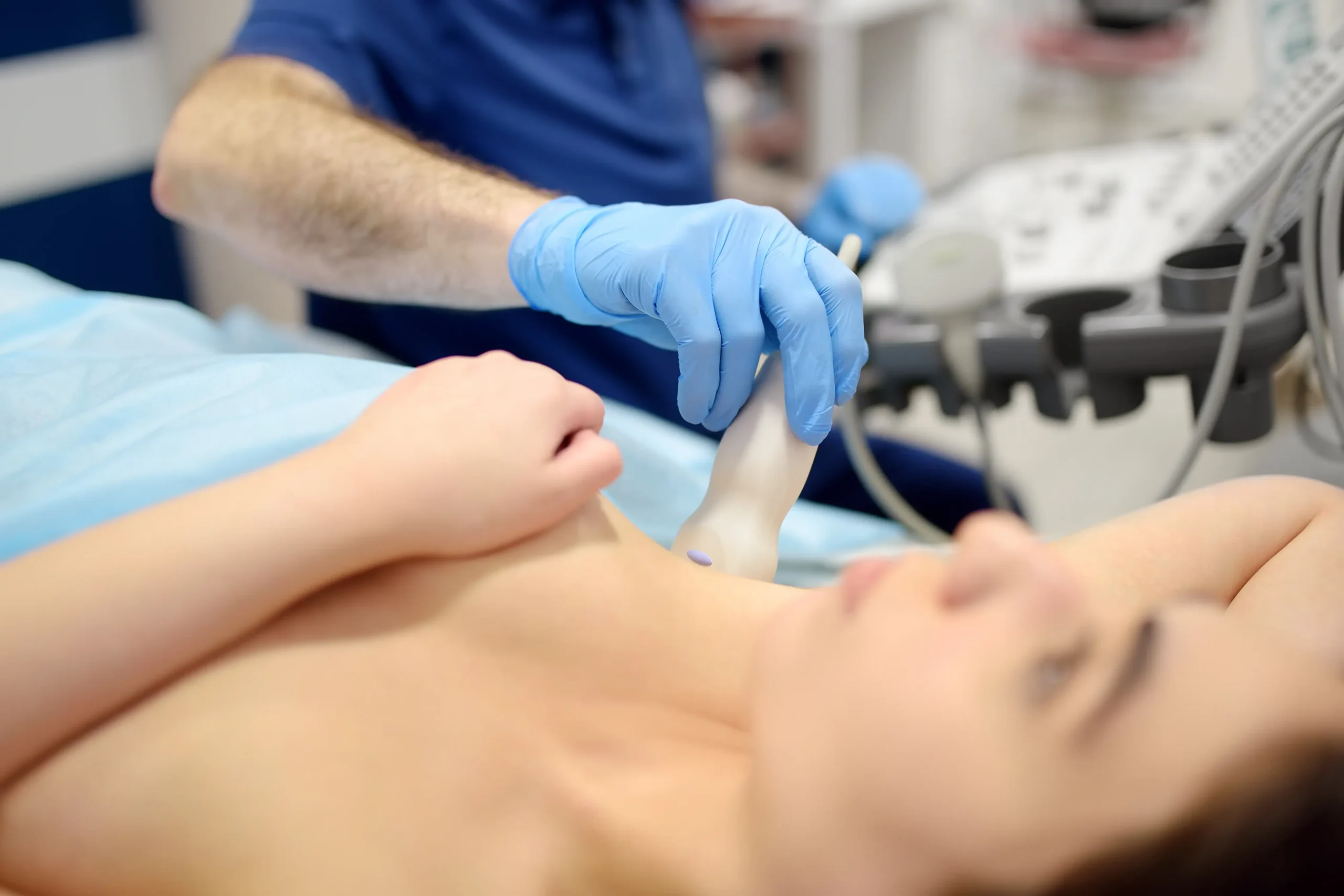
Breast reconstruction patients often face especially high stakes. Many are recovering from breast cancer treatment, mastectomy, radiation, chemotherapy, or other major medical care. A failed implant or reconstruction device can force the patient into more surgery at a time when their body has already endured significant trauma.
A legal investigation may examine whether the patient received complete warnings, whether the device was appropriate for the patient’s condition, whether the product was defective, whether the device was used in a way that increased risk, and whether the surgeon or medical team responded properly when complications appeared.
Breast Mesh Injuries After Reconstruction
Injured after breast mesh or internal bra surgery?
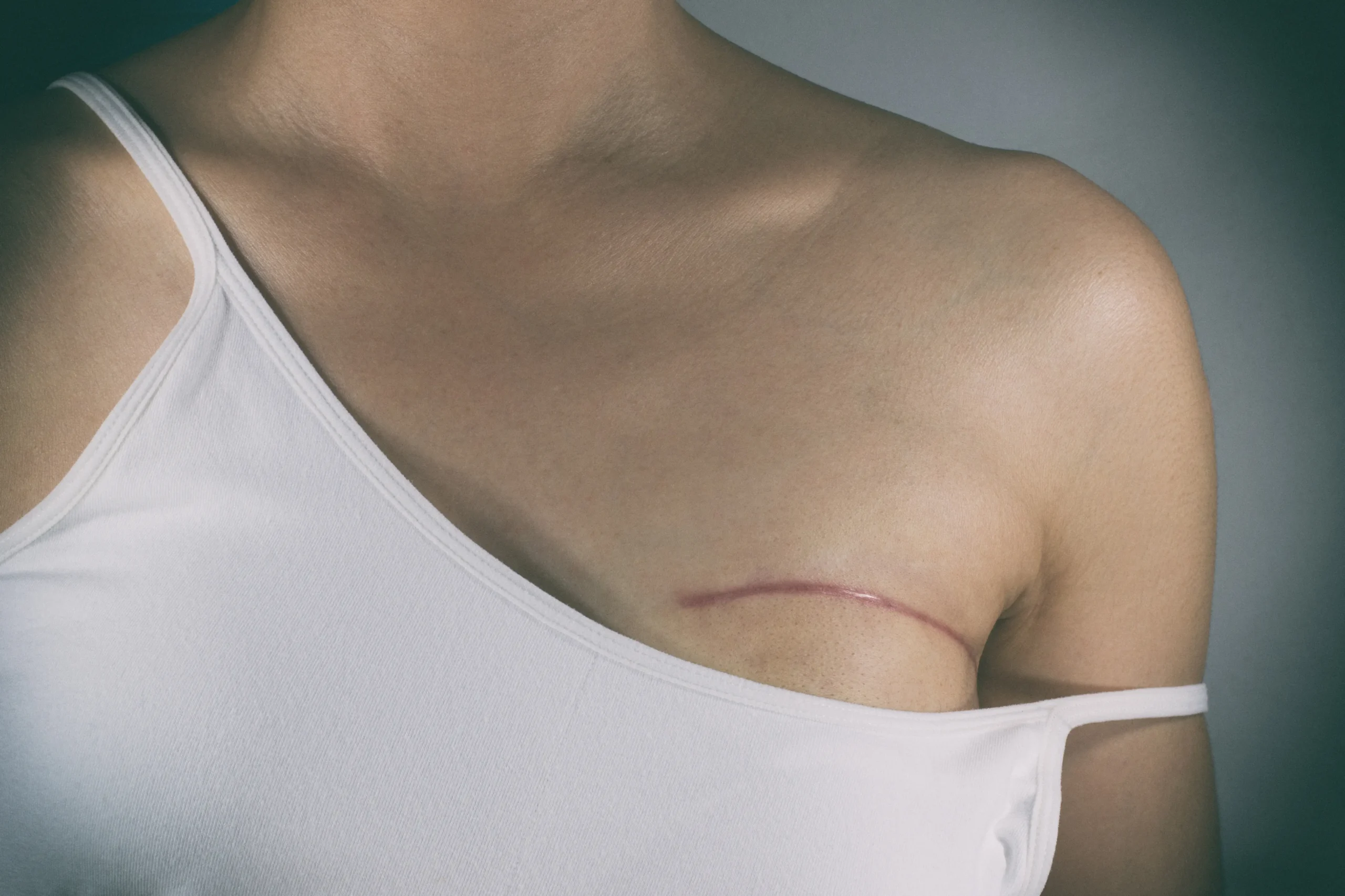
Some breast reconstruction and cosmetic breast procedures use surgical mesh, acellular dermal matrix, or internal support material to hold implants or tissue in place. These products may be described as breast mesh, internal bra mesh, soft tissue support, scaffold material, or reinforcement material.
Breast mesh complications can include infection, inflammation, pain, erosion, extrusion, wound breakdown, implant loss, reconstruction failure, nerve injury, and repeat surgery. The FDA states that it has not cleared or approved any surgical mesh for use with breast implants or in breast reconstruction, and that it has not reviewed the potential benefits and risks of surgical mesh for those uses.
When a Breast Implant or Reconstruction Device Claim May Be Investigated
A lawsuit may be investigated when serious complications appear connected to a defective product, inadequate warning, unsafe design, contamination, device failure, off-label use, or medical negligence. Not every complication supports a legal claim, but certain facts can raise concern.
A claim may warrant review if:
- The implant ruptured, leaked, deflated, shifted, or failed earlier than expected
- The patient needed implant removal or revision surgery
- Infection led to hospitalization, sepsis, tissue loss, or device removal
- Mesh or support material caused pain, erosion, extrusion, inflammation, or reconstruction failure
- The patient developed BIA-ALCL or another cancer in tissue around the implant
- The patient was not properly warned about known risks
- The product was recalled or subject to FDA safety communications
- Medical providers delayed diagnosis or treatment of complications
- Surgical records show use of a product later linked to safety concerns
The legal theory depends on the facts. Potential claims may involve product liability, failure to warn, defective design, manufacturing defects, medical negligence, lack of informed consent, or a combination of product and medical issues.
Evidence That Matters
Breast implant and reconstruction device cases are document-heavy. Key evidence may include:
- Operative reports
- Implant identification cards
- Device labels and lot numbers
- Pathology reports
- Imaging studies, including MRI, ultrasound, CT, or mammography
- Infection culture results
- Hospitalization records
- Oncology and plastic surgery records
- Revision surgery records
- Photographs of visible complications
- Recall notices and FDA safety communications
- Communications with surgeons or device manufacturers
- Records showing lost wages, medical expenses, and ongoing care needs
Patients should not delay medical care to preserve evidence. Health and safety come first. When possible, patients should ask their medical provider whether removed implants, capsules, mesh, or related materials were preserved or documented.ithout an independent review.


Why These Cases Can Be Complex
Breast implant and reconstruction device cases often require review by medical, surgical, oncology, pathology, radiology, and product safety experts. A patient may have multiple surgeries, several devices, and overlapping risk factors. The defense may argue that complications came from the patient’s underlying health condition, cancer treatment, surgical technique, infection risk, or natural scar formation rather than the product.
That is why these cases require a careful factual investigation. The key questions are often specific:
- What device was used?
- Who manufactured it?
- Was the product recalled or the subject of safety warnings?
- Was the patient properly warned?
- Was the device used for an approved or unapproved purpose?
- Did the product fail?
- Did the medical team respond appropriately?
- Did the complication cause measurable harm?
A strong investigation connects the medical timeline, product history, warnings, and patient injuries.
What Patients and Families Should Do Next
If you suffered serious complications after breast implant surgery or breast reconstruction, take the medical issue seriously. Follow up with your treating physician, ask what products were used, request your operative records, and keep copies of implant cards, pathology reports, imaging, and revision surgery records.
You should also write down a timeline while the details are still clear. Include the original surgery date, the type of procedure, when symptoms began, what doctors told you, whether additional surgery was needed, and how the complication affected your daily life.
Avoid assuming that a complication was unavoidable. Some injuries happen despite appropriate care, but others stem from unsafe products, inadequate warnings, poor surgical decisions, delayed treatment, or preventable failures.


Contact McEldrew Purtell for a Free Consultation
Breast implant and breast reconstruction device complications can leave patients facing pain, uncertainty, repeat surgery, and unanswered questions. McEldrew Purtell investigates serious injury cases involving defective medical devices, unsafe products, surgical complications, and preventable medical harm.
If you or someone you love suffered serious complications after breast implant surgery, breast reconstruction, or breast mesh placement, contact McEldrew Purtell for a free consultation. We can review what happened, identify the devices involved, and help determine whether a legal claim may be available.
FAQs
Get answers to commonly asked questions regarding medical malpractice and learn how we can help with your case.
What Are the Odds of Developing BIA-ALCL Due to a Breast Implant?
There have now been around 800 reports of BIA-ALCL occurring worldwide, with 457 of those cases occurring in the United States. This means the chances that a woman will develop BIA-ALCL due to a breast implant is between 1 in 3,000 or 1 in 30,000. Experts say that BIA-ALCL typically occurs about a decade after the implant was first inserted.
Exactly why these implants have led to increased risk of BIA-ALCL is not completely clear. One theory is that the increased surface area on the textured implant can offer more of a foothold for bacteria that is introduced during surgery, leading to long-term inflammation and disease. Other theories state that particulates in the tissue that forms around the implant, particularly silicone particles, could be to blame.
How Can a Doctor Detect BIA-ALCL?
Typically, this happens when patients begin noticing symptoms like fluid buildup. Doctors collect samples of this fluid for testing – and the test results reveal the presence of malignant T-cells. More generally, doctors may use a number of different tests to diagnose non-Hodgkin’s lymphoma, such as:
- Ultrasound imaging tests
- Positron emission tomography (PET) scans
- Physical exams
- Biopsies
- Chest X-rays
- Computed tomography (CT) scans
- Magnetic resonance imaging (MRI) scans
What Breast Implants Have Been Recalled?
The following implants have been recalled as of July 24 2019:
- Allergan Natrelle BIOCELL Textured Products:
- Allergan Natrelle Saline-Filled Textured Breast Implants
- Allergan Natrelle Silicone-Filled Textured Breast Implants
- Allergan Natrelle® 410 Highly Cohesive Anatomically Shaped Silicone- Filled Textured Breast Implants
- Allergan Natrelle 133 Plus Tissue Expander
- Allergan Natrelle 133 Tissue Expander with Suture Tabs
The recall affects implants that were manufactured between July 2014 and June 2019, and affects nearly 250,000 devices in the United States alone. The FDA classifies this as a Class 1 recall, indicating that the use of these devices may result in serious injury or death.
The FDA states that the risk of BIA-ALCL with the Allergan BIOCELL textured implants is approximately 6 times the risk of BIA-ALCL compared with other textured implants marketed in the United States, and 12 deaths have already been reported. Allergan has also announced that it will cover the costs of new implants for women with Biocell implants who wish to replace them up until July 24, 2021, however, they will not pay for the cost of surgery.
Can Textured Tissue Expanders Also Cause Cancer?
Tissue expanders are used to stretch the skin before a breast reconstruction surgery, or for scar revision. They are temporary implants, intended to be replaced with a standard implant in time.
Unfortunately, the FDA believes that tissue expanders with certain types of textured surfaces may also pose a risk to consumers. Since tissue expanders are only to be used for 6 months, there is no firm data to say whether this limited exposure could increase the risk of cancer in users. However, there are many tissue expanders on the market that do not use a textured surface, and it is recommended that they be used instead.
Who Is Liable for a Defective Breast Implant?
You may have questions about who should be held liable if you have a defective breast implant. This will depend on the particulars of your case, and how exactly you have been affected by the faulty implant.
In a case against the manufacturer, you may wish to file a claim of strict liability, failure to warn, or fraud. This can mean proving that the manufacturer knowingly sold the implant to you in a dangerous condition, or failed to warn consumers about risks that they knew their product posed to someone’s health.
If the issues stemming from your breast implant arose because of negligence on the part of the plastic surgeon who implanted them, then that would likely fall under the category of medical malpractice. Surgeons do not typically qualify to be distributors of a product, and therefore any fault with the product itself would have to lie with the manufacturer. Ultimately, speaking with a skilled attorney can help you determine who is at fault, and how you can prove negligence or malpractice.
Do I Qualify to File a BIA-ALCL Lawsuit?
You may have a breast implant ALCL cancer lawsuit if you:
- Developed the rare BIA-ALCL form of lymphoma, even if your diagnosis occurred many years after getting implants
- Underwent a breast augmentation surgery, regardless of whether it was reconstructive or cosmetic, and
Learn More
Stoneworkers Face Life-Threatening Silicosis From Quartz Countertop Dust
Stone fabrication workers are losing lung function, undergoing lung transplants, and dying after years of cutting and polishing engineered stone countertops. NPR’s latest reporting adds to growing public health evidence that silicosis tied to quartz countertop dust is appearing across…

Tire Tread Separation and Blowouts: When a Crash Raises Product Liability Concerns
Tire Tread Separation and Blowouts: When a Crash Raises Product Liability Concerns On average, tire-related crashes are linked to nearly 11,000 wrecks and more than 600 deaths each year in the United States, according to NHTSA. In 2024 alone, more…

Defective Breast Mesh: Chronic Pain and Disfigurement After Internal Bra Procedures
Women across the country are dealing with surgical removal, chronic pain, and disfigurement after surgeons implanted resorbable mesh products marketed as an “internal bra” during breast lift, reduction, and reconstruction procedures. A growing number of these women are now suing…
Sepsis and Serious Infections Linked to Product Defect: Contaminated Reusable Scopes
In a number of occurrences, people have gone in for routine or necessary scope procedures and come out with severe infections, repeat hospitalizations, IV antibiotics, and in some cases, death. The danger is not limited to one brand or one…

Insulin Pump / CGM Failures: Over-Delivery, Under-Delivery, and Severe Outcomes
A defective or malfunctioning insulin pump does not just create inconvenience. It can lead to under-delivery or interruption of insulin, dangerous hyperglycemia, and emergency care. FDA reports on recent corrections describe hundreds of adverse events and dozens of injuries tied…

Untraceable Firearm Product Liability: The Legal Theories Families Ask About
When a shooting involves an untraceable firearm, families often ask the same painful question: how did a weapon with no serial number and no paper trail end up in someone’s hands? These cases are sometimes described as “ghost gun” incidents,…