

When a “cleaning” product becomes the source of a dangerous bacteria exposure
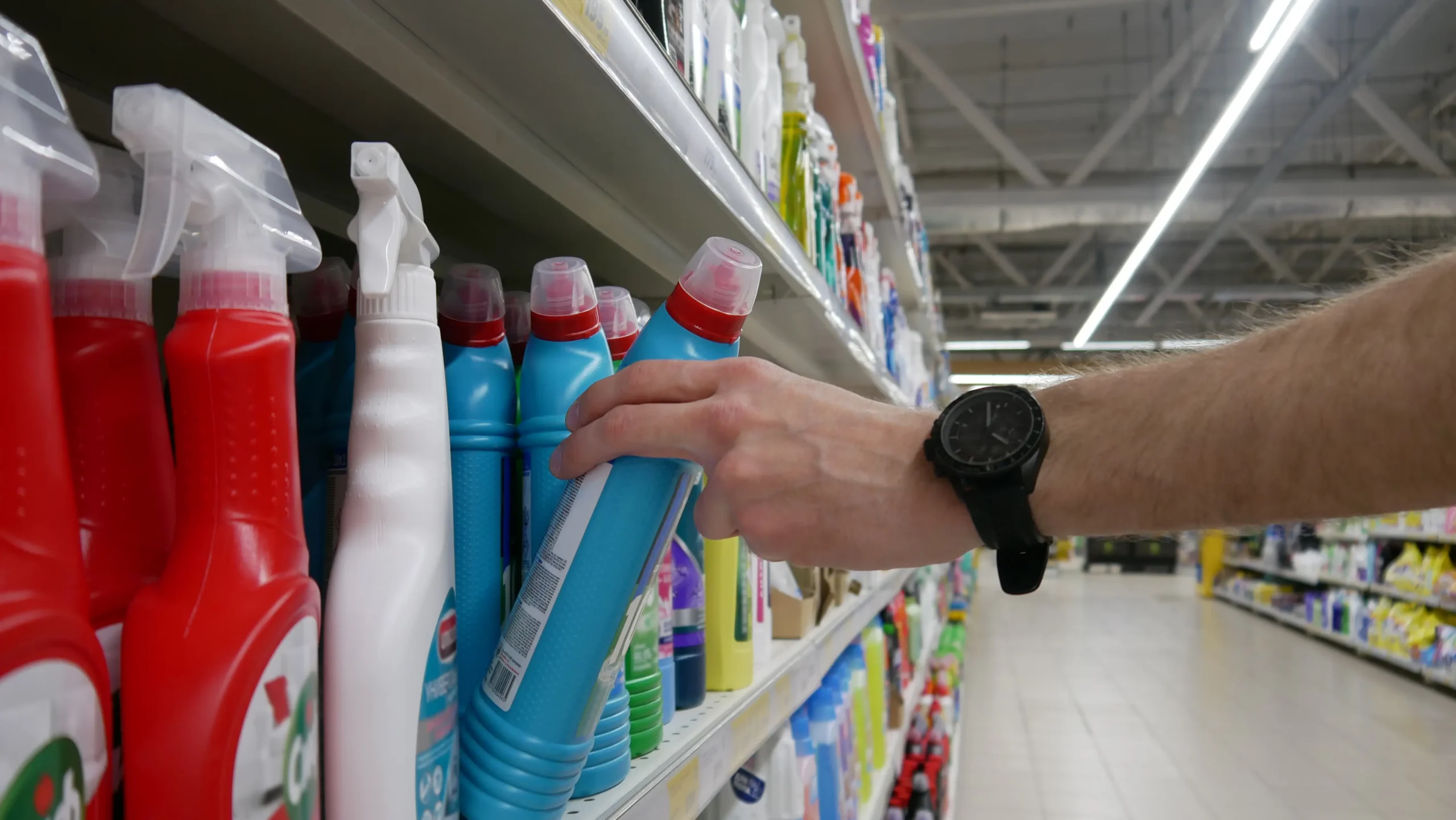
Household cleaning agents are supposed to reduce germs, not introduce them. But multiple recalls and safety notices have warned that certain cleaning products may be contaminated with Pseudomonas bacteria, including Pseudomonas aeruginosa and Pseudomonas fluorescens.
For healthy people, exposure may not lead to serious illness. For others, especially those with weakened immune systems, lung disease, or external medical devices, Pseudomonas exposure can cause infections that escalate quickly and require intensive medical treatment.
If you or a loved one suffered severe infection, hospitalization, complications, or loss after using a contaminated cleaner, McEldrew Purtell can help investigate what happened and pursue accountability.

How Much Is Your Case Worth?
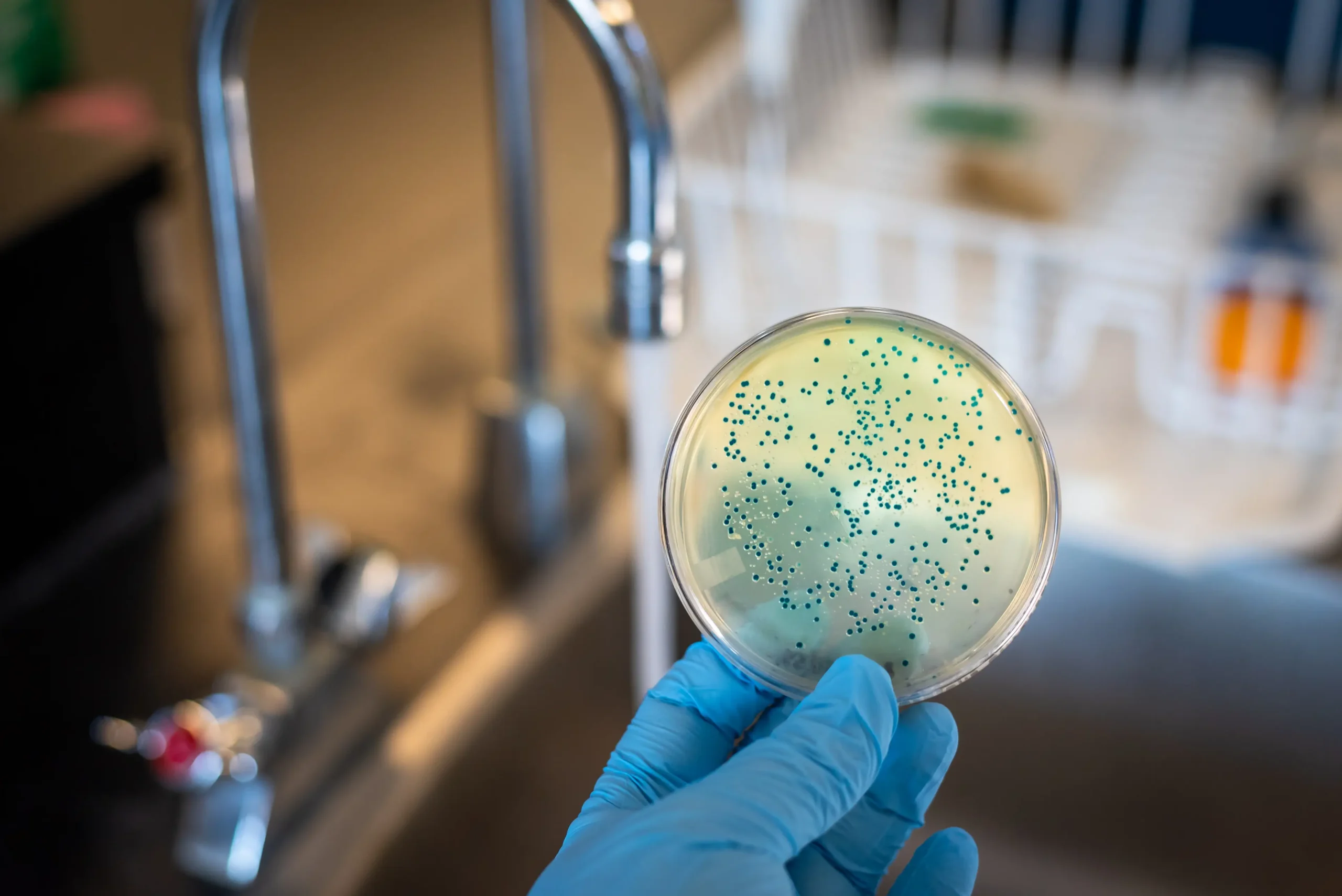
Why Pseudomonas contamination is so concerning
Pseudomonas species are common in soil and water, but they can become a serious hazard when they grow inside a consumer product used around the home. In recall notices involving household cleaners, the warning is often the same: bacteria may enter the body if inhaled, through the eyes, or through broken skin, and high-risk consumers can face severe infection.
Pseudomonas aeruginosa is also known for being difficult to treat in certain settings due to antibiotic resistance, which can complicate recovery when severe infection occurs.
How household cleaning products can become contaminated
Contamination can happen for more than one reason, including:
- Inadequate preservatives or formula issues that allow bacteria to grow over time
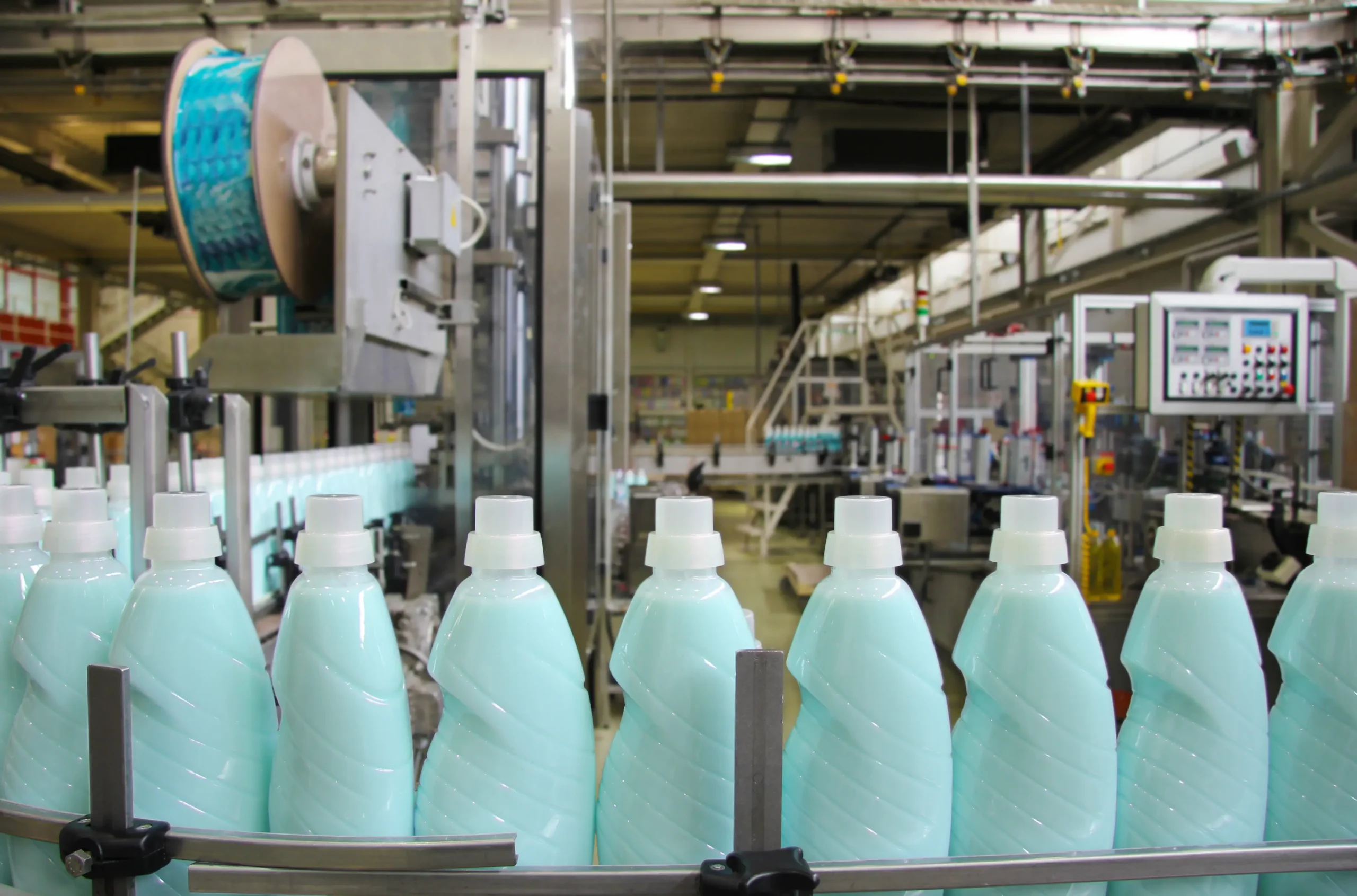
- Manufacturing or filling-line contamination
- Quality-control failures (including delayed hazard reporting in past enforcement actions)
- Improper storage conditions during distribution or warehousing (heat, prolonged storage, compromised seals)
- Packaging defects that allow microbes in, or allow product degradation that reduces antimicrobial protection
Who may be legally responsible
Depending on what the investigation shows, liability may involve:
- The manufacturer (formulation/preservatives, production, QC)
- A contract manufacturer or private-label supplier
- Distributors or retailers (in certain circumstances)
- Packaging suppliers (if defective packaging contributed)
Product liability cases often focus on whether the product was unreasonably dangerous when it left the defendant’s control and whether that defect caused harm.
How these cases are proven
Strong cases often include:
- Medical records and lab/culture results
- Product identification (photos, lot codes, receipts)
- Recall and regulatory documentation when applicable
- Expert review of formulation, preservatives, manufacturing controls, and microbiology
- Evidence of damages (hospital bills, lost income, long-term care needs)


Compensation that may be available
In catastrophic injury and wrongful death cases, damages may include:
- Past and future medical costs
- Lost income and loss of earning capacity
- Pain and suffering, disability, disfigurement
- Long-term care and home assistance needs
- Wrongful death damages (funeral costs, loss of financial support, loss of companionship, etc., depending on the state)
How McEldrew Purtell helps
These cases move fast, and evidence can disappear quickly, especially the product itself. McEldrew Purtell focuses on serious injury and wrongful death matters and can:
- Preserve and analyze evidence tied to the product and exposure
- Coordinate appropriate experts
- Identify responsible parties across the supply chain
- Pursue claims aggressively while treating your family with care and respect throughout the process
If your family has been affected by a contaminated cleaning product and you’re seeking justice, contact our team today. A free review of your case can help you understand your options and next steps.

Learn More

Raw Milk Cheese E. Coli Outbreak: 8 Hospitalized, Most Cases in Young Children
Children aged 5 and younger account for more than half of the reported illnesses in a multistate E. coli outbreak linked to Sierra Nevada Graziers raw milk cheese. As of September 25, 2026, federal health officials had identified 13 illnesses…
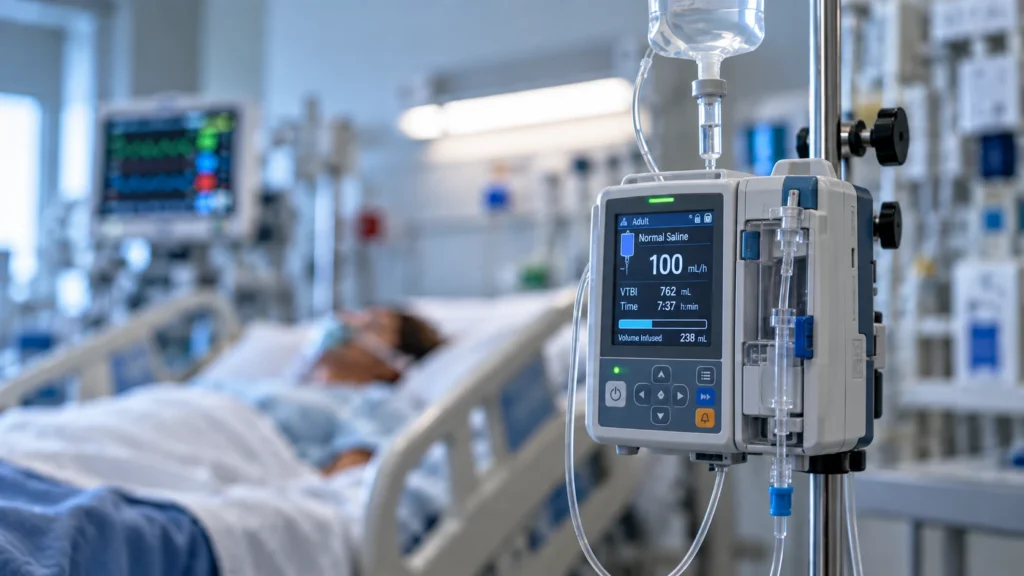
BD Alaris Infusion Set Recall: Over- and Under-Infusion Can Cause Catastrophic Injury
Patients receiving critical medications through BD Alaris pumps can face serious harm if an infusion set causes the system to deliver more or less than programmed. On October 5, 2026, the FDA updated a Class I recall involving approximately 94.2…

Surgical Stapler Failures: Internal Bleeding, Sepsis, and Wrongful Death
Patients can suffer life-threatening internal bleeding, leaks, infection, or sepsis when a surgical stapler fails to create a complete and secure staple line. These complications may require emergency surgery, prolonged hospitalization, or intensive care, and in the most serious cases…

Pacemaker and ICD Failures: When a Cardiac Device Fails
Patients who rely on a pacemaker or an implantable cardioverter-defibrillator are trusting that device to work. When a pacemaker fails to deliver needed electrical impulses or an ICD fails to detect a dangerous rhythm or deliver an effective shock, the…
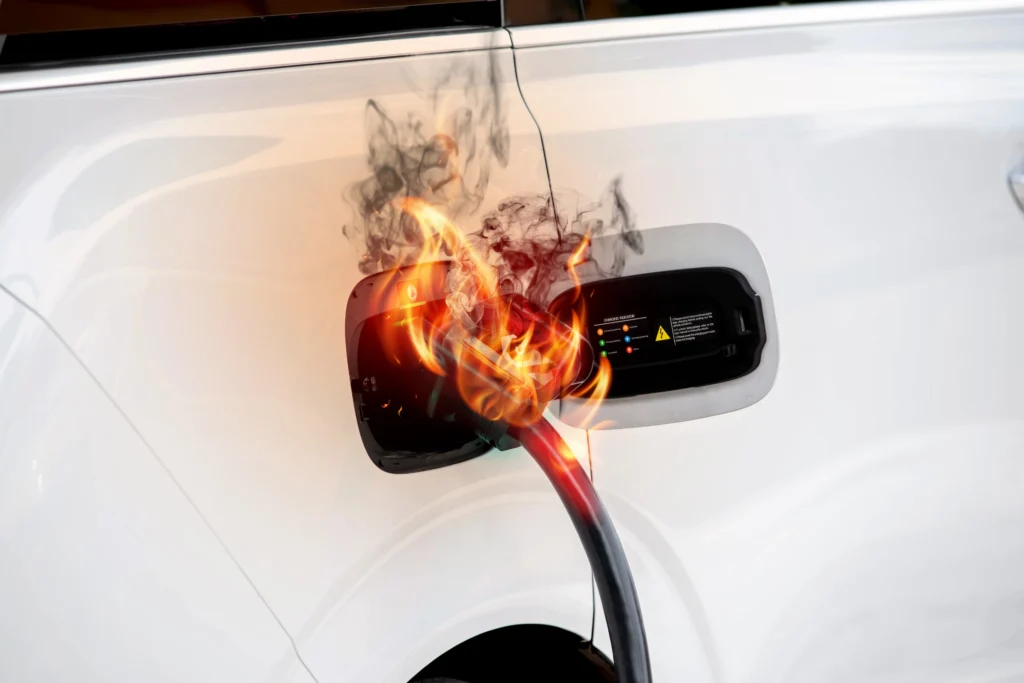
Electric Vehicle Defects: Battery Fires, Severe Burns, and Explosions
Drivers and passengers can suffer severe burns, smoke inhalation, catastrophic injuries, or death when an electric vehicle battery ignites. These fires can happen while a vehicle is charging, parked, operating normally, or damaged in a crash. They can spread rapidly,…
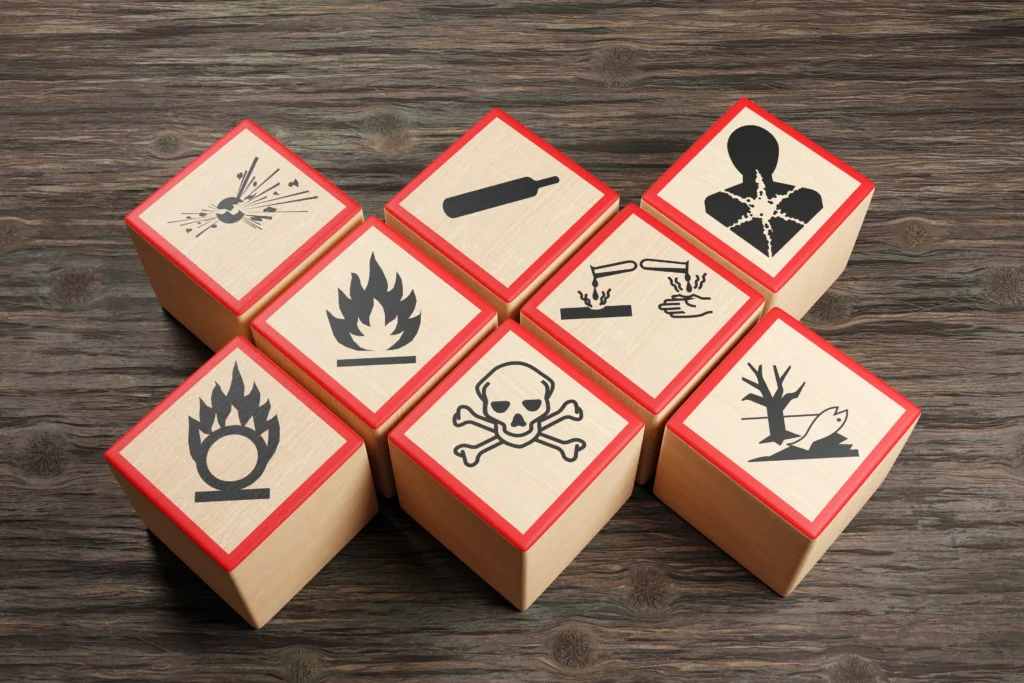
Toxic Exposure Claims: Identifying the Right Liability Theory
Toxic exposures can cause life-altering injuries. The source may be a defective product, an unsafe workplace, a leaking facility, a mislabeled container, or a chemical release that reaches homes, schools, or nearby businesses. The legal claim depends on where the…