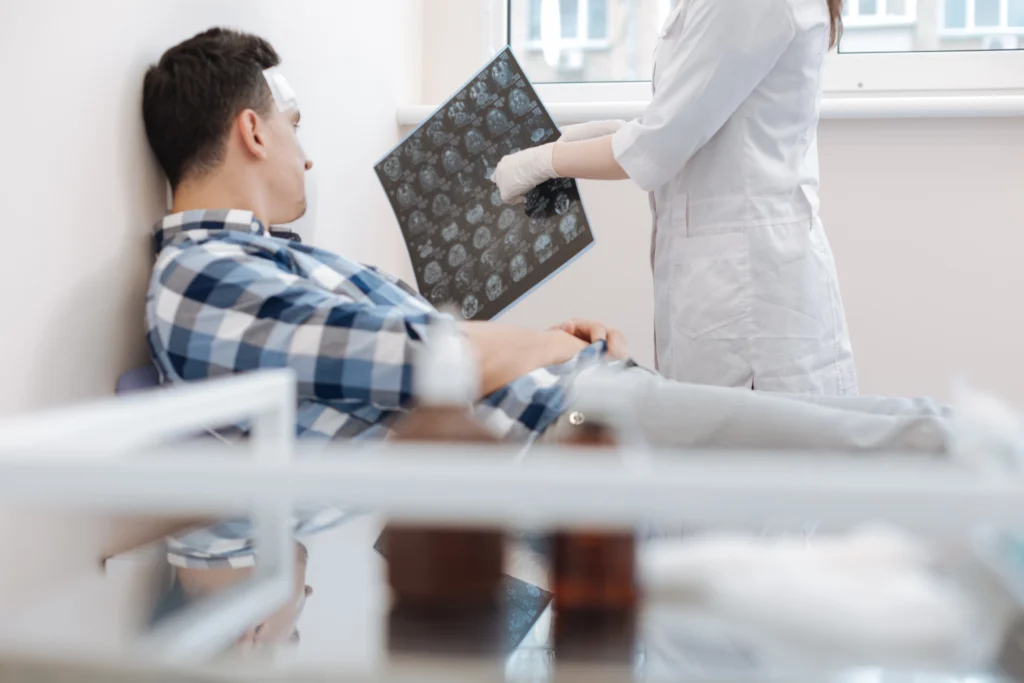

Study: Frequent Medication Errors During Surgery
A study of surgical procedures at Harvard-affiliated Massachusetts General Hospital found that there are medication errors or adverse drug events in almost half of all surgeries.
There was at least one error in 124 of the 277 operations observed as part of the study of the Boston hospital. The procedures considered errors to be both mistakes in the ordering or administration of the drug as well as an adverse event caused by the drug. The study determined that almost 80 percent of the errors were preventable while, fortunately, less than 2 percent of the errors were life-threatening.
The study employed a team of observers to watch anesthesia providers from the preoperative area until the patient reached the recovery room or ICU. They also reviewed charts of patients to ensure that the observed incidents were errors as well as to catch unobserved errors.
Implications for Other Hospitals
The lead author on the report commented that error rates were probably at least as high at other hospitals because of specific measures already taken in this hospital to improve operating room safety and its reputation as a national leader in patient safety.
In 1999, the Institute of Medicine identified medical errors as the leading cause of death. But there hasn’t been any observational studies concerning error rates in perioperative medication. Perioperative medication is administered to patients immediately before, during or after surgery.
Recent Media Attention on Anesthesia Malpractice
Medical malpractice by anesthesiologists during surgeries has become a topic of conversation recently because of media attention following a few different significant news events. This past summer, a patient was awarded $500,000 by a jury after recording their colonoscopy and discovering that the anesthesiologist mocked him. Anesthesia administration was also put into focus by the death of Joan Rivers, who went into cardiac arrest in September 2014 and died after the administration of anesthetic in an outpatient endoscopy.