

When Equipment Becomes the Hazard
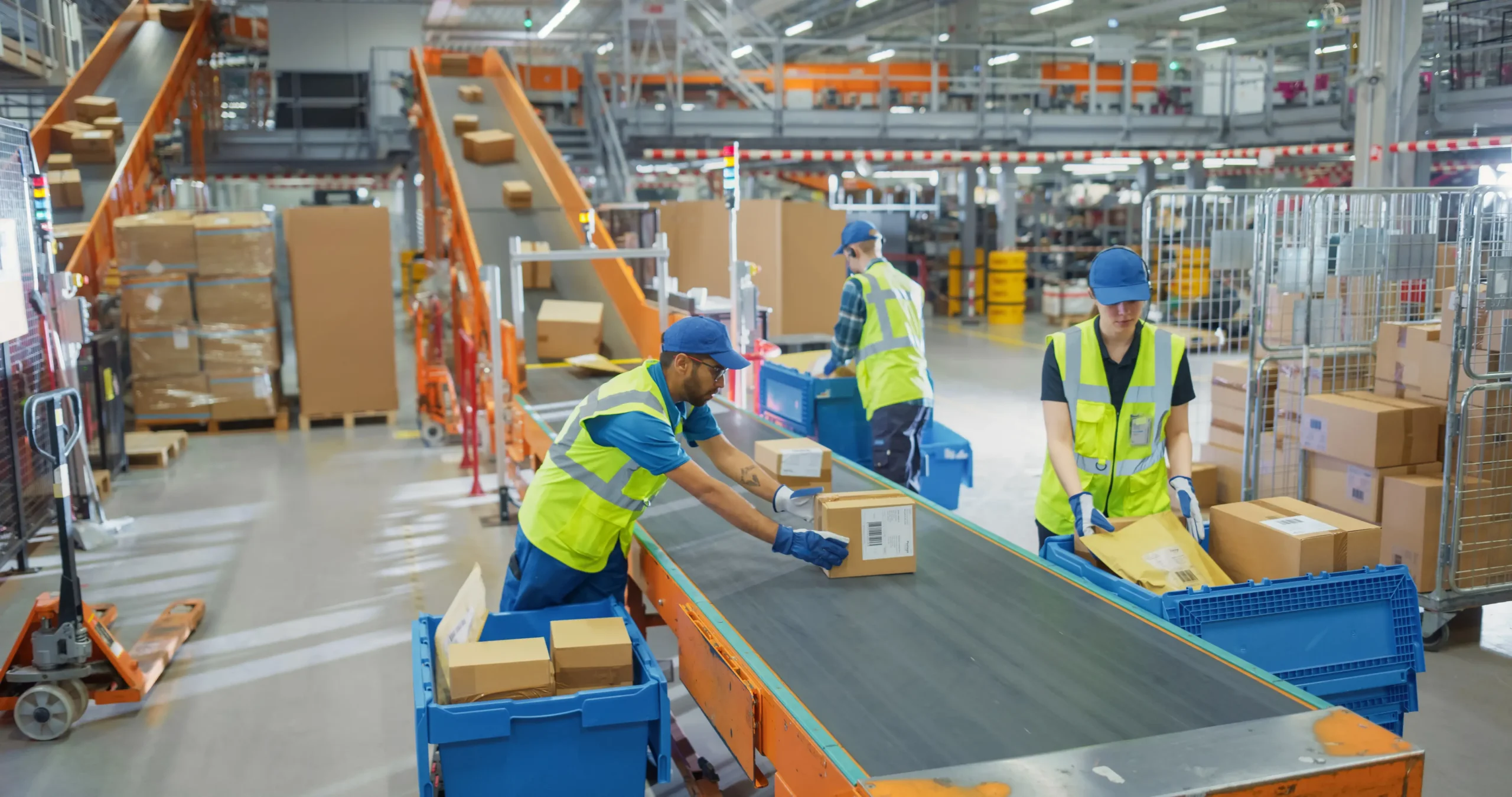
Conveyors, pallet jacks, forklifts, and other material handling equipment are the backbone of warehouses, distribution centers, and logistics hubs. But when these systems are poorly designed, improperly maintained, or missing critical safety features, they can become deadly.
Pinch points, entanglement zones, and runaway equipment incidents are not random—they are often the result of preventable failures. Missing guards, defective components, inadequate lockout/tagout procedures, and known product defects can turn routine operations into life-altering events.
At McEldrew Purtell, we investigate not just what went wrong, but why it was allowed to happen in the first place.

How Much Is Your Case Worth?
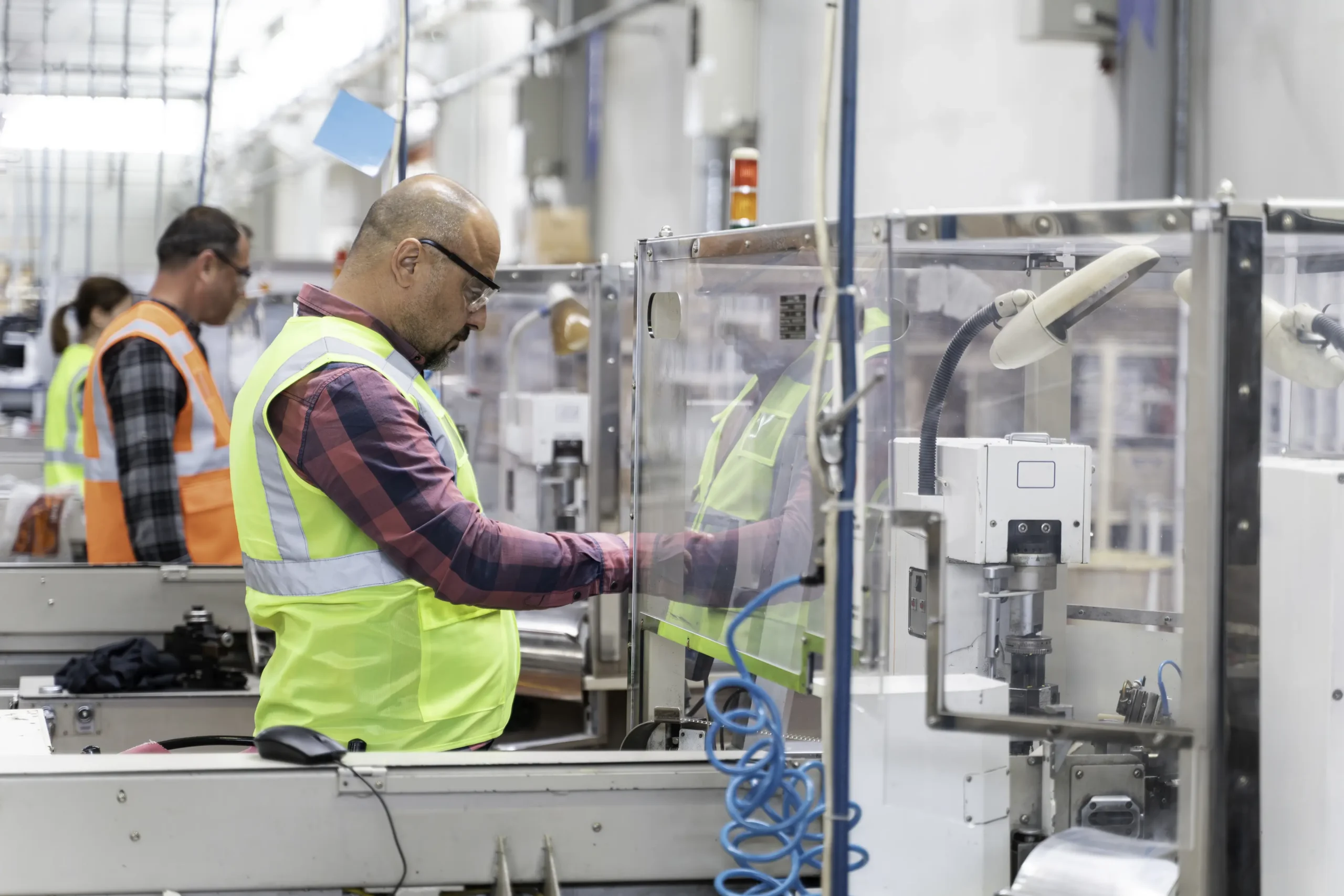
Why These Incidents Happen: Preventable Failures in Plain Sight
Serious injuries involving material handling equipment are frequently tied to systemic safety breakdowns, including:
- Missing or improperly installed machine guards
- Failure to implement or enforce lockout/tagout (LOTO) procedures
- Defective design or manufacturing flaws
- Equipment recalls ignored or inadequately addressed
- Worn, damaged, or poorly maintained components
- Inadequate worker training or supervision
- Bypassed safety mechanisms to increase productivity
- Lack of emergency stop systems or warning features
These are not isolated mistakes. They are often the result of cost-cutting, oversight, or disregard for worker safety.
The Human Toll: Severe and Life-Altering Injuries
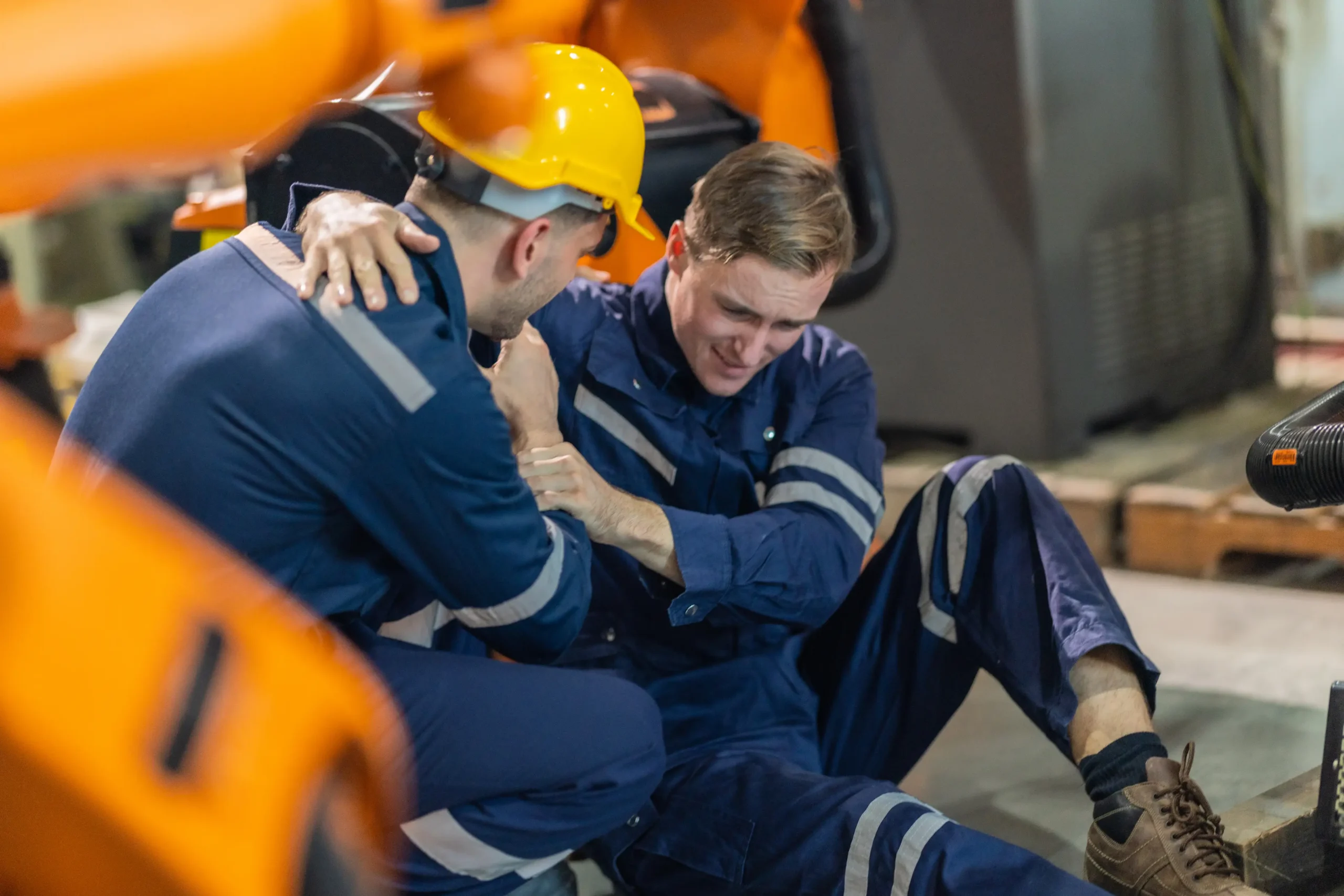
When equipment malfunctions or lacks proper safeguards, the injuries are often catastrophic:
- Crush injuries and traumatic amputations
- Degloving and entanglement injuries
- Severe fractures and orthopedic trauma
- Spinal cord injuries and paralysis
- Traumatic brain injuries (TBI)
- Electrical injuries or burns (in powered systems)
- Internal organ damage
These injuries frequently require multiple surgeries, long-term rehabilitation, and permanent lifestyle changes.
When Negligence Turns Fatal
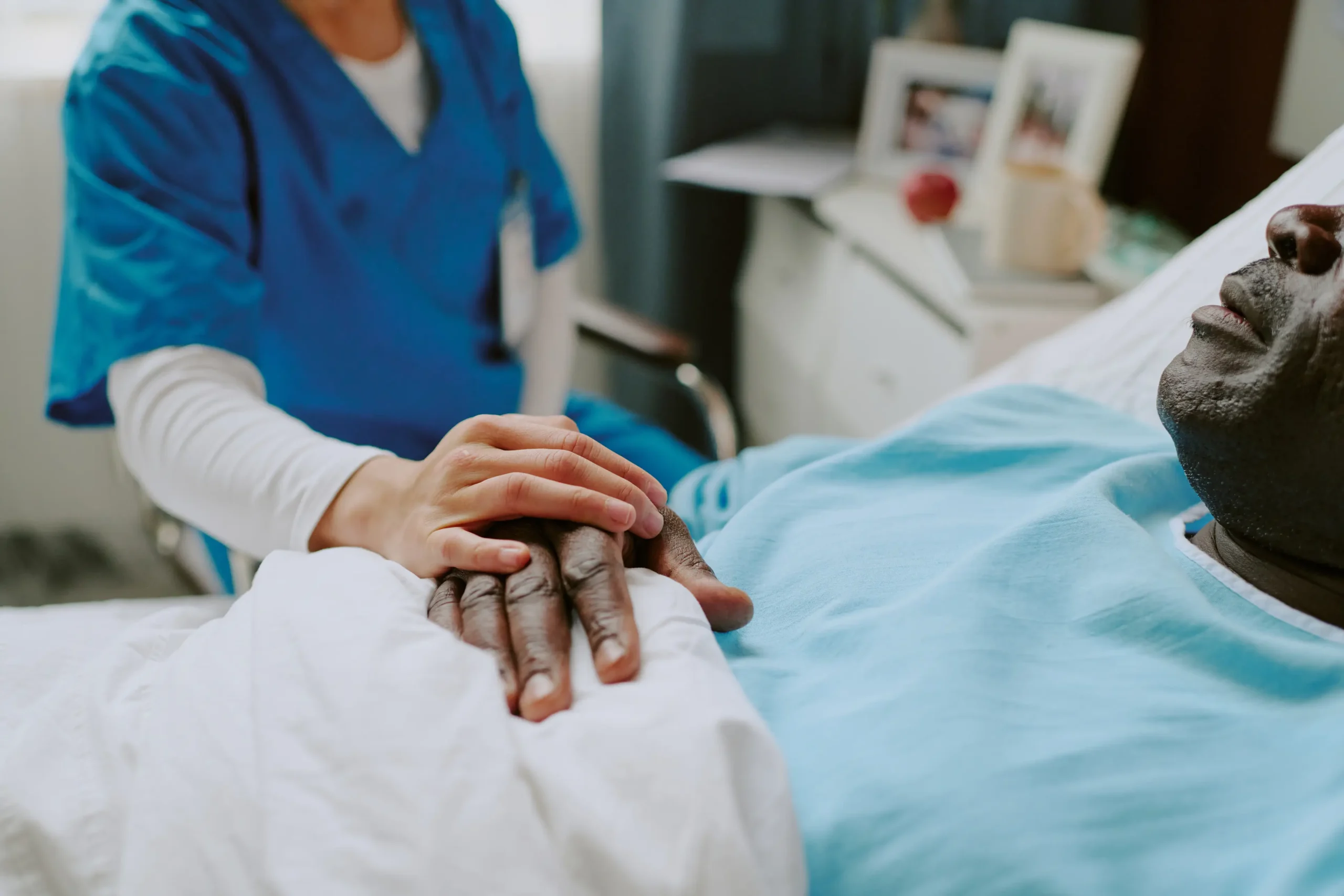
In the most tragic cases, defective or unsafe equipment leads to fatal incidents. Workers may be pulled into machinery, crushed by runaway pallet jacks, or trapped in conveyor systems without proper emergency shutoffs.
Wrongful death claims focus on uncovering how the failure occurred, and who allowed unsafe conditions to persist. We pursue these cases with urgency, precision, and respect for what families have lost.
Uncovering Responsibility Across the Supply Chain
These cases often involve multiple responsible parties. Liability may extend to:
- Equipment manufacturers and product designers
- Parts suppliers and component manufacturers
- Maintenance contractors and service providers
- Warehouse operators and facility owners
- Employers or third-party logistics (3PL) companies
- Safety consultants or compliance vendors
We analyze contracts, maintenance logs, and product histories to identify every party that contributed to the failure.

Building the Case: Evidence That Tells the Full Story
Our approach is thorough, technical, and built for high-stakes litigation. We focus on preserving and analyzing critical evidence, including:
- Equipment inspection and maintenance records
- Occupational Safety and Health Administration (OSHA) reports and safety violations
- Product design specifications and defect history
- Recall notices and prior incident data
- Surveillance footage and incident scene documentation
- Expert analysis in engineering, safety, and human factors
- Lockout/tagout policies and compliance records
How McEldrew Purtell Can Help
When catastrophic injuries or wrongful death result from equipment failures, you need a legal team that understands both the human impact and the technical complexity. We hold manufacturers, operators, and corporations accountable, because safety failures should never be written off as “accidents.”
If you were injured by a conveyor or pallet jack, our team is here to listen and help you understand your legal options.
Contact McEldrew Purtell to discuss your situation and learn how we may be able to help..

Learn More
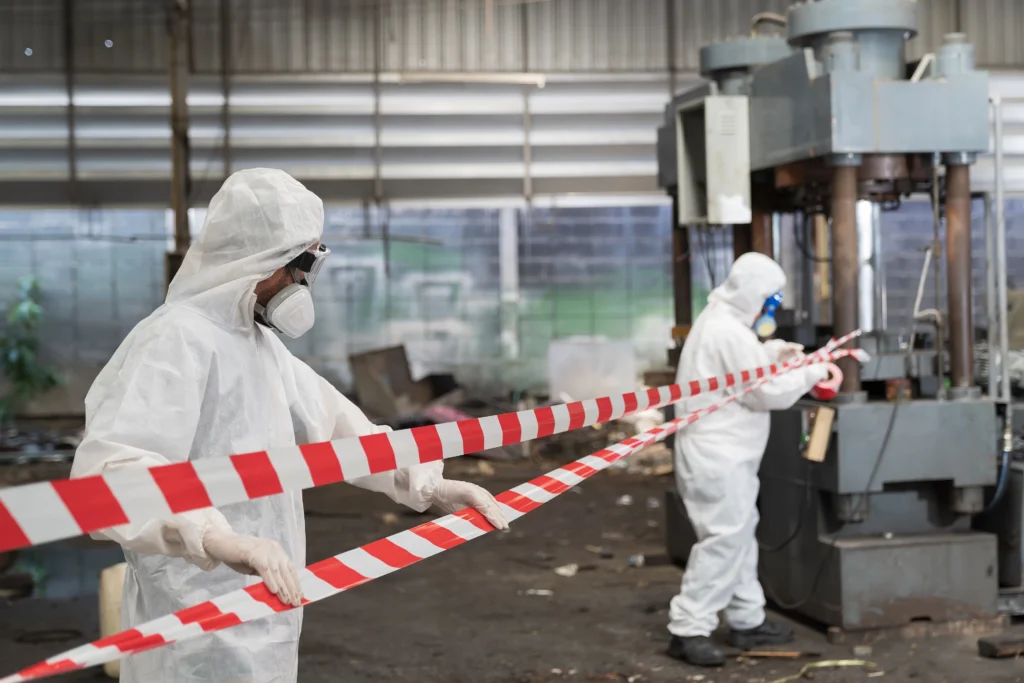
Toxic Chemical Exposure After Train, Truck, and Warehouse Spills
A train derailment, tanker truck crash, or warehouse spill can release hazardous chemicals into the air or across a worksite within seconds. Workers, drivers, emergency responders, nearby residents, and others may be exposed by breathing in contaminated air, getting chemicals…
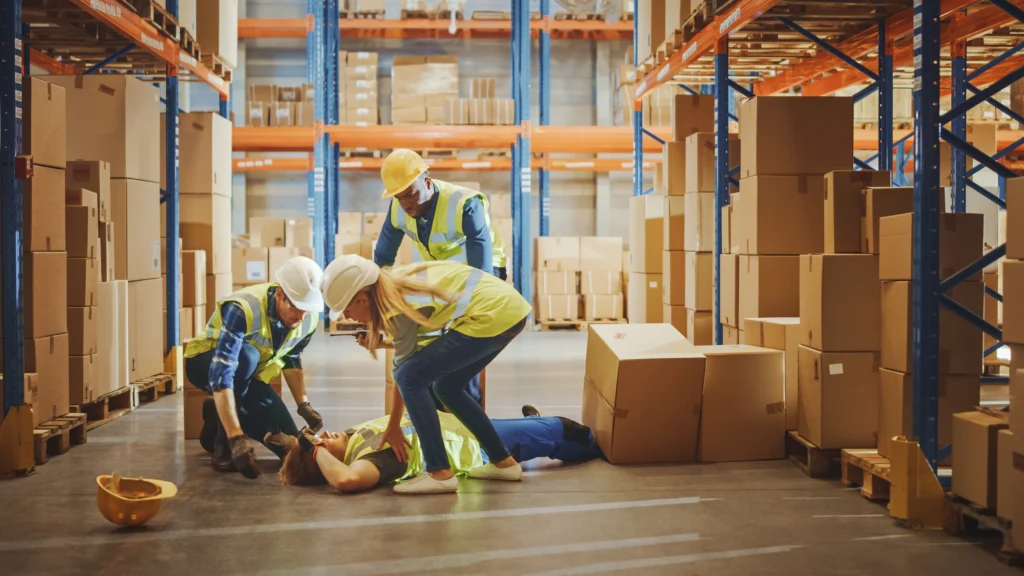
Warehouse Crush Injuries: Severe Limb Damage and Amputations
A warehouse crush injury happens when a forklift, machine, trailer, collapsing load, or other heavy equipment traps an arm, leg, hand, or foot; the resulting force can destroy bone, muscle, blood vessels, nerves, and skin. What begins as a workplace…
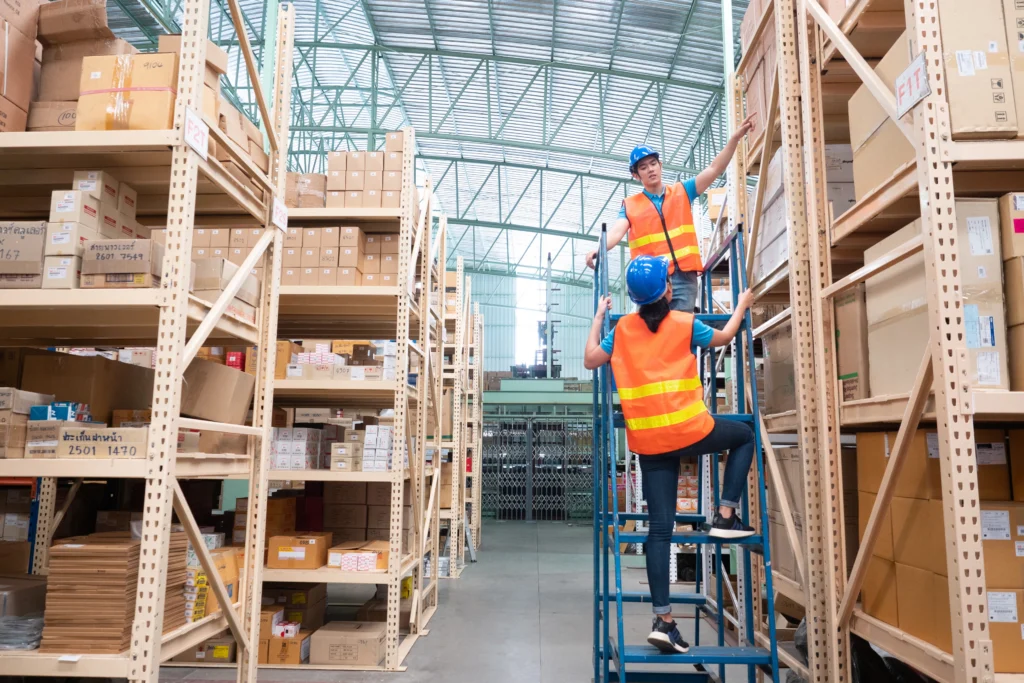
Traumatic Brain Injuries (TBI), Paralysis, and Wrongful Death Caused by Warehouse Falls
Warehouse workers have suffered permanent brain damage, paralysis, or death within seconds of a fall from a storage rack, mezzanine, ladder, loading dock, or raised pallet. A worker may strike a concrete floor, shelving, machinery, or stored materials with enough…
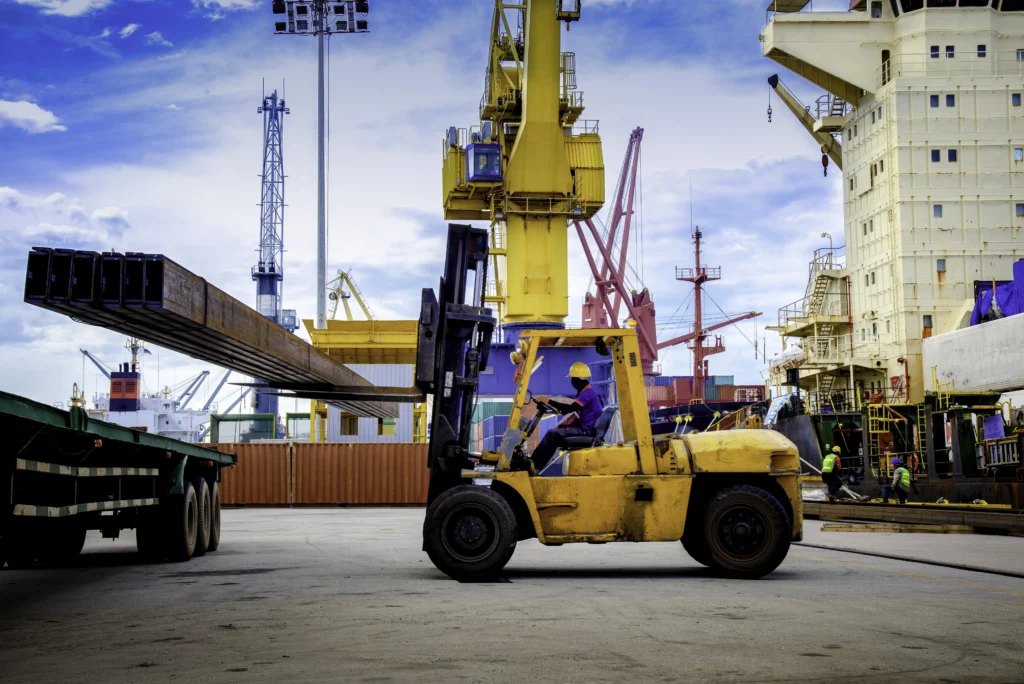
Warehouse and Yard Injuries: The Safety Failures That Put Workers in Danger
Warehouse safety often focuses on what happens inside the facility: forklifts in aisles, pallet racks, conveyor systems, and loading areas. But some of the most dangerous conditions develop outside the building, where trucks move in and out, trailers are staged,…
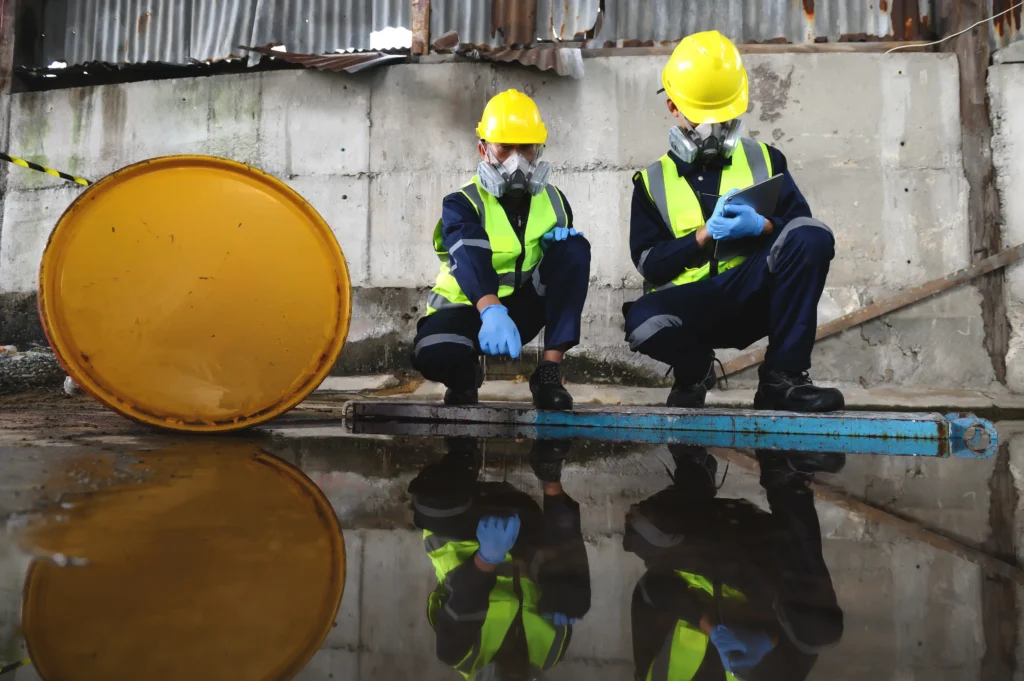
Supply Chain Failures: Toxic Chemical Exposure Leading to Burns, Organ Damage, and Wrongful Death
Workers, drivers, warehouse employees, emergency responders, and nearby families can suffer life-changing injuries when hazardous chemicals leak, spill, or ignite. A single transportation failure or packaging defect can expose people to toxic fumes, chemical burns, respiratory damage, explosions, or long-term…
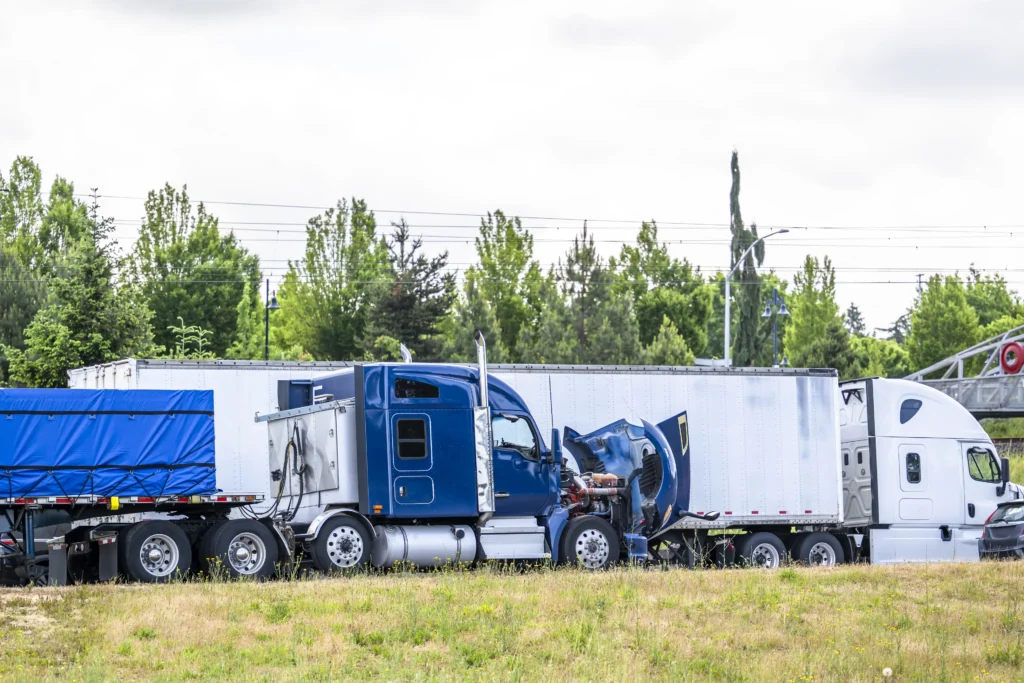
Corporate Negligence in Trucking: When Company Decisions Cause Safety Issues
Families traveling on the highway may not realize that the commercial trucks driving beside them are not always operated by safe or even easily identifiable companies. Often, that only becomes clear after a serious crash, when victims and their families…