

Preventable infections. Serious harm.
Patients have suffered serious infections after medical devices carried bacteria, fungi, or other dangerous contaminants into the body. These infections can lead to sepsis, bloodstream infection, organ failure, repeat hospitalization, additional procedures, permanent injury, or death.
FDA safety communications, recalls, and infection-control guidance have kept device-related infection risks in focus for hospitals, manufacturers, and patients. If you or someone you love developed a severe infection after a catheter, port, dialysis line, reusable scope, or other medical device was used, the central question is whether a preventable safety failure played a role.

How Much Is Your Case Worth?
Medical Devices Can Become Pathways for Dangerous Infection
Many medical devices enter sterile areas of the body, remain in place for extended periods, or move from one patient to another after cleaning and reprocessing. When those devices are contaminated, improperly sterilized, defectively designed, poorly maintained, or handled without proper infection-control practices, they can become a direct route for serious infection.
These cases may involve product liability, medical negligence, hospital safety failures, or a combination of all three. A device-related infection claim often requires a close review of the device, the patient’s medical timeline, the infection source, facility practices, manufacturer warnings, recall history, and whether safer alternatives or procedures should have been used.
Device-Related Infection Cases We Handle
McEldrew Purtell investigates serious infection cases involving catheters, ports, dialysis lines, reusable scopes, and other medical devices linked to preventable contamination or infection transmission.
Reusable Medical Scopes
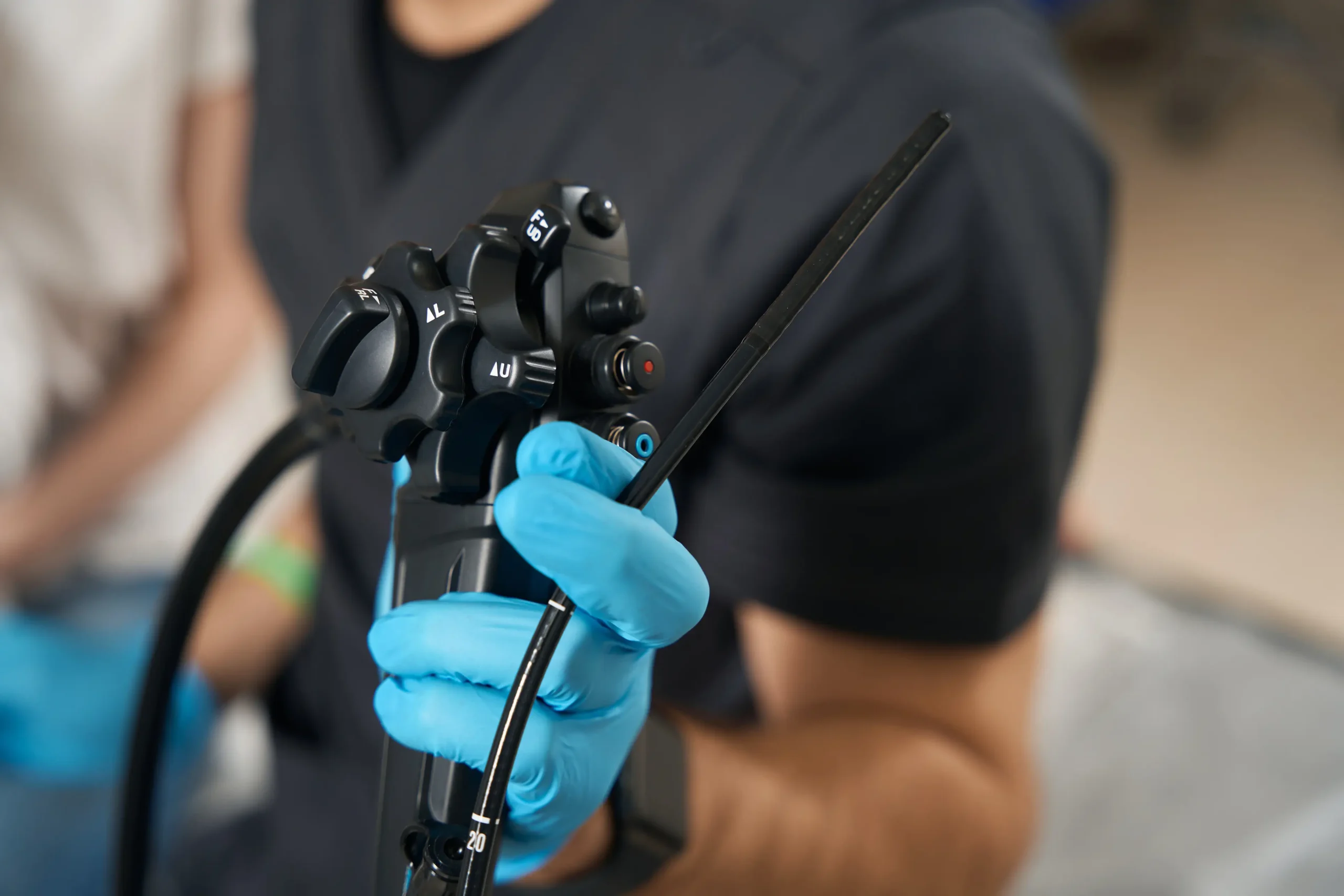
Reusable medical scopes are used in procedures involving the gastrointestinal tract, urinary tract, lungs, and other areas of the body. Because these devices may be used on multiple patients, cleaning, disinfection, sterilization, drying, storage, and maintenance are critical.
Claims involving reusable scopes may include duodenoscopes, bronchoscopes, cystoscopes, ureteroscopes, colonoscopes, gastroscopes, or other endoscopic devices. These cases may involve difficult-to-clean designs, damaged channels, retained biological material, improper reprocessing, inadequate manufacturer instructions, or facility failures.
Catheter and Port Infection Lawsuits
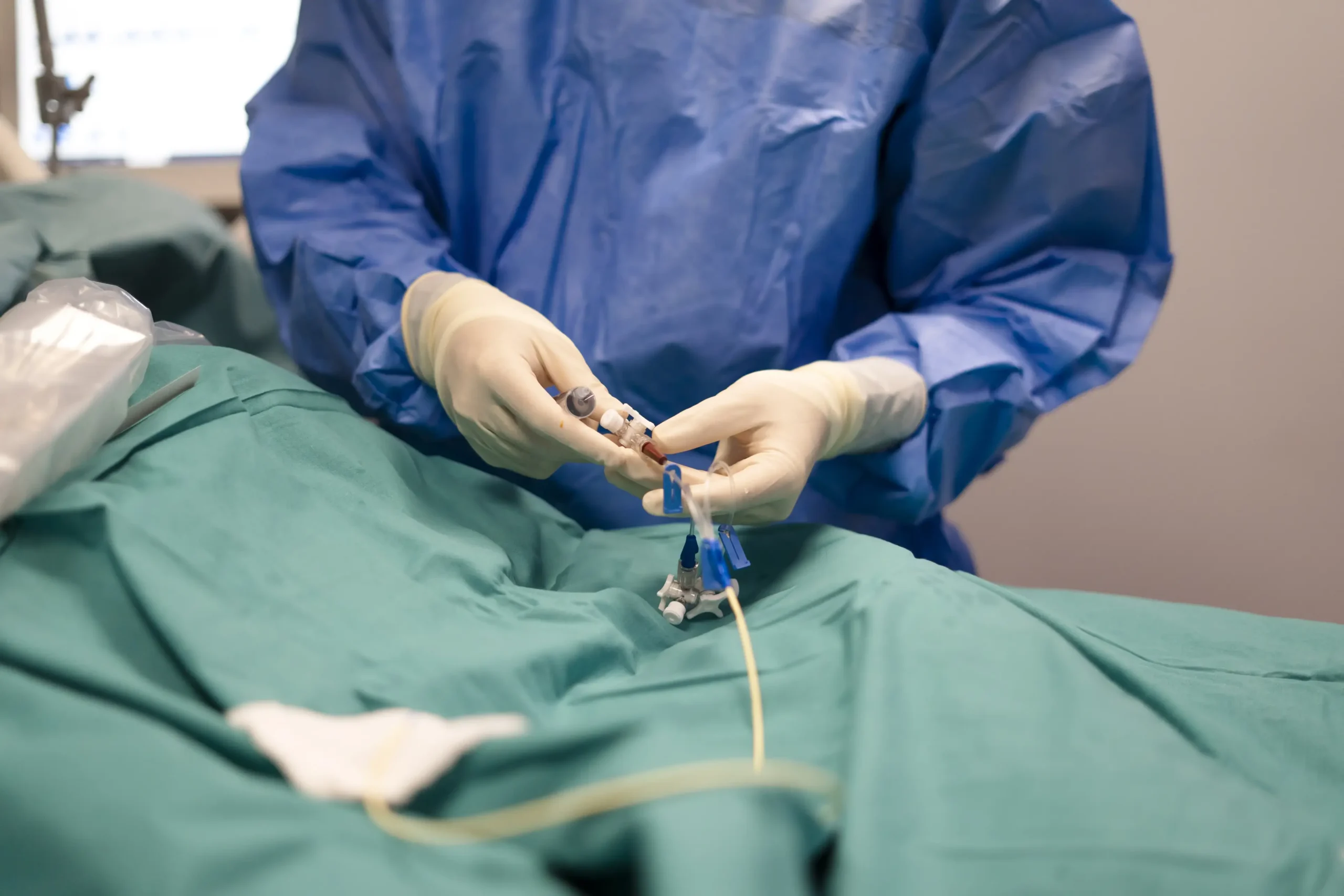
Catheters and implanted ports can give doctors essential access to veins, blood vessels, the urinary tract, or other areas of the body. They also create an opening where bacteria can enter. Serious claims may involve infected ports, central venous catheters, PICC lines, urinary catheters, IV catheters, or other access devices.
A catheter or port infection lawsuit may be investigated when a patient develops a bloodstream infection, abscess, sepsis, endocarditis, repeat hospitalization, or another severe complication after device placement or use.
Dialysis Catheter Injury Lawsuits
Dialysis patients face repeated bloodstream access, which makes infection prevention critical. Central line dialysis catheters can carry a heightened infection risk because the catheter enters a major vein and may remain in place while a patient receives life-sustaining treatment.
Dialysis catheter claims may involve bloodstream infections, sepsis, delayed diagnosis, poor catheter-site care, unsafe dialysis-center practices, contaminated equipment, or failure to transition a patient to a safer access method when appropriate.
Contaminated Medical Device Lawsuits
Some infection cases begin before the device ever reaches the patient. A device may be contaminated during manufacturing, packaging, shipping, storage, or hospital preparation. Other cases involve single-use devices that were reused, devices that were not properly sterilized, or products that were distributed despite known contamination risks.
Contaminated medical device lawsuits may focus on defective manufacturing, inadequate quality control, failed sterility assurance, poor warnings, improper recalls, or delayed action after contamination concerns were identified.
Hospital-Acquired Infection from Medical Devices
Healthcare-associated infections can develop during or soon after medical care. When a device is involved, the investigation often turns on whether the hospital, surgical center, dialysis center, nursing facility, or other healthcare provider followed proper infection-control procedures.
Medical device-related hospital-acquired infections may involve central lines, urinary catheters, ventilator equipment, surgical instruments, implanted devices, drains, scopes, or other tools used during care. These cases can raise questions about staffing, training, sterile technique, cleaning logs, device tracking, infection surveillance, and how quickly providers responded once infection symptoms appeared.
Surgical Instrument Infection Lawsuits
Surgical instruments are used in sterile areas of the body, which makes proper cleaning, sterilization, storage, and handling essential. When instruments are contaminated, damaged, improperly reprocessed, or exposed to unsafe conditions before surgery, bacteria or other pathogens can be introduced during a procedure.
Surgical instrument infection claims may involve surgical site infections, sepsis, abscesses, repeat surgery, prolonged hospitalization, implanted hardware infections, or death. These cases often require review of sterilization records, operating room procedures, instrument tracking, infection-control policies, and whether other patients developed similar infections.
How Device-Related Infections Can Happen
A serious infection after medical device use does not automatically mean someone did something wrong. But certain facts may point to a preventable failure that should be investigated.
Device-related infections may involve:
- Contaminated devices or components
- Improper sterilization or disinfection
- Reuse of devices intended for single use
- Reusable scopes with difficult-to-clean channels or parts
- Catheters left in place longer than necessary
- Poor catheter-site care or dressing changes
- Breaks in sterile technique during insertion or removal
- Inadequate hand hygiene or infection-control practices
- Failure to recognize early signs of infection
- Delayed antibiotics, cultures, imaging, or device removal
- Manufacturer warnings that were incomplete or ignored
- Recall information that was not properly communicated
The legal issue is not simply whether an infection occurred. The issue is whether the infection was tied to a defective device, contaminated product, unsafe reprocessing practice, negligent medical care, or a breakdown in patient-safety systems.

Serious Injuries and Complications
Medical device infections can escalate quickly, especially when bacteria enter the bloodstream or reach vulnerable patients. Older adults, dialysis patients, surgical patients, cancer patients, immune-compromised patients, and patients with implanted devices may face greater risk of severe harm.
Device-related infection cases may involve:
- Sepsis
- Septic shock
- Bloodstream infection
- Central line-associated bloodstream infection
- Catheter-related bloodstream infection
- Endocarditis
- Meningitis
- Pneumonia
- Urinary tract infection that spreads
- Abscess formation
- Organ failure
- Amputation in severe infection cases
- Repeat surgery or device removal
- Extended hospitalization
- Long-term IV antibiotics
- Permanent injury
- Wrongful death
Families deserve clear answers when a routine procedure, implanted access device, dialysis treatment, or reusable scope procedure is followed by a devastating infection.
Warning Signs After a Catheter, Port, Scope, or Medical Device Procedure
Patients should seek medical care promptly if they develop signs of infection after a medical device is placed, accessed, removed, or used during a procedure. Warning signs can include fever, chills, confusion, weakness, rapid heartbeat, low blood pressure, redness or drainage near a catheter site, worsening pain, shortness of breath, nausea, or sudden decline after a procedure.
For legal investigation purposes, the timing matters. A severe infection that appears soon after device placement, dialysis treatment, endoscopy, scope procedure, surgery, or hospitalization may require careful review of medical records and infection data.

When a Legal Claim May Be Investigated
A catheter, scope, or infection-transmission device lawsuit may be investigated when the facts suggest that the infection was preventable. These cases often require input from medical experts, infectious disease specialists, product-safety experts, and professionals familiar with device reprocessing, sterility, and hospital infection-control standards.
A claim may involve:
A manufacturer may be responsible when a device was defectively designed, defectively manufactured, contaminated, inadequately labeled, or sold without proper warnings or instructions.
A hospital, surgical center, dialysis center, nursing facility, physician, nurse, or technician may be responsible when unsafe care practices allowed infection to occur or spread.
Failure to Warn or Recall
A company or healthcare facility may face scrutiny if it failed to act on known contamination risks, delayed corrective action, failed to communicate a recall, or continued using devices despite documented safety concerns.
Negligent Reprocessing or Sterilization
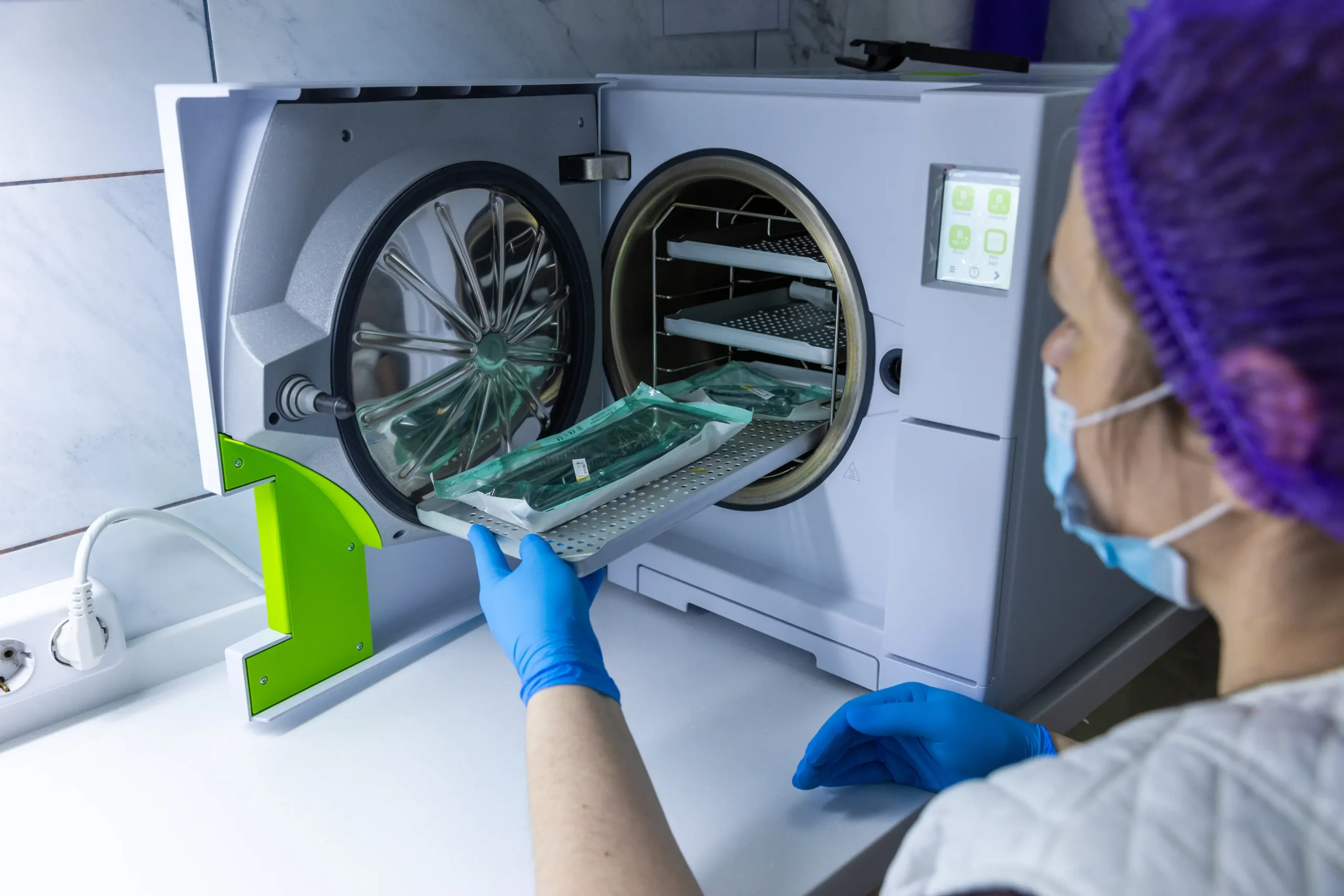
Reusable devices require validated cleaning and sterilization or high-level disinfection processes. If a facility skipped steps, used damaged equipment, failed to dry or store scopes properly, or ignored manufacturer instructions, infection transmission may have been preventable.
Evidence That Matters
Device-related infection cases are evidence-heavy. The most important proof is often located in hospital records, infection-control files, device logs, laboratory data, and manufacturer materials.
Relevant evidence may include:
- Medical records before and after the infection
- Procedure notes
- Catheter insertion and removal records
- Dialysis treatment records
- Port access records
- Endoscopy or scope procedure records
- Blood culture and microbiology results
- Device lot numbers, model numbers, and serial numbers
- Reprocessing and sterilization logs
- Scope maintenance and repair records
- Hospital infection-control policies
- Recall notices and safety communications
- Manufacturer instructions for use
- Records showing whether other patients developed similar infections
- Antibiotic treatment records
- ICU records
- Death certificate and autopsy findings, when applicable
This evidence can disappear or become harder to obtain over time. Families should not assume that a hospital’s explanation is complete without an independent review.

Why These Cases Are Complex
Device-related infection cases are rarely simple. The infection may involve a hospital practice, a manufacturer defect, a contaminated product, a cleaning failure, or several overlapping causes. Defendants may argue that the patient was already medically fragile, that infection is a known complication, or that no one can prove the device was the source.
That is why the investigation must be precise. A strong case connects the patient’s infection to a specific device, procedure, organism, timeline, safety failure, or contamination pathway. It also identifies who had responsibility for preventing the harm.
What Families Should Do Next
After a serious medical device infection, families should gather as much information as possible. Keep discharge papers, procedure reports, device cards, recall letters, antibiotic records, lab results, and photographs of catheter sites or wounds. Write down the dates of device placement, device use, hospitalization, infection diagnosis, ICU admission, repeat surgery, and any conversations with healthcare providers.
Do not rely only on verbal explanations. A legal and medical review can help determine whether the infection fits a known pattern involving contaminated medical devices, unsafe catheter care, reusable scope reprocessing failures, or hospital-acquired infection.


Contact McEldrew Purtell for a Free Consultation
A serious infection after a catheter, port, dialysis line, reusable scope, or contaminated medical device can leave families with medical bills, unanswered questions, and lasting harm. McEldrew Purtell investigates device-related infection cases involving product defects, contamination, unsafe reprocessing, hospital-acquired infections, and preventable medical errors.
Contact McEldrew Purtell for a free consultation. We can review what happened, identify the records that matter, and help you understand whether a legal claim should be investigated.
Learn More

Cerebrospinal Fluid Leaks Can Cause Serious Neurologic Injuries and Life-Threatening Infections
When a dural injury results in Cerebrospinal Fluid leak after an epidural injection, lumbar puncture, spinal cord stimulator insertion, spine procedure, or another intervention near the dura, the consequences can be debilitating and life-threatening. Patients may suffer severe migraines, brain…

Stoneworkers Face Life-Threatening Silicosis From Quartz Countertop Dust
Stone fabrication workers are losing lung function, undergoing lung transplants, and dying after years of cutting and polishing engineered stone countertops. NPR’s latest reporting adds to growing public health evidence that silicosis tied to quartz countertop dust is appearing across…

Tire Tread Separation and Blowouts: When a Crash Raises Product Liability Concerns
Tire Tread Separation and Blowouts: When a Crash Raises Product Liability Concerns On average, tire-related crashes are linked to nearly 11,000 wrecks and more than 600 deaths each year in the United States, according to NHTSA. In 2024 alone, more…

Defective Breast Mesh: Chronic Pain and Disfigurement After Internal Bra Procedures
Women across the country are dealing with surgical removal, chronic pain, and disfigurement after surgeons implanted resorbable mesh products marketed as an “internal bra” during breast lift, reduction, and reconstruction procedures. A growing number of these women are now suing…
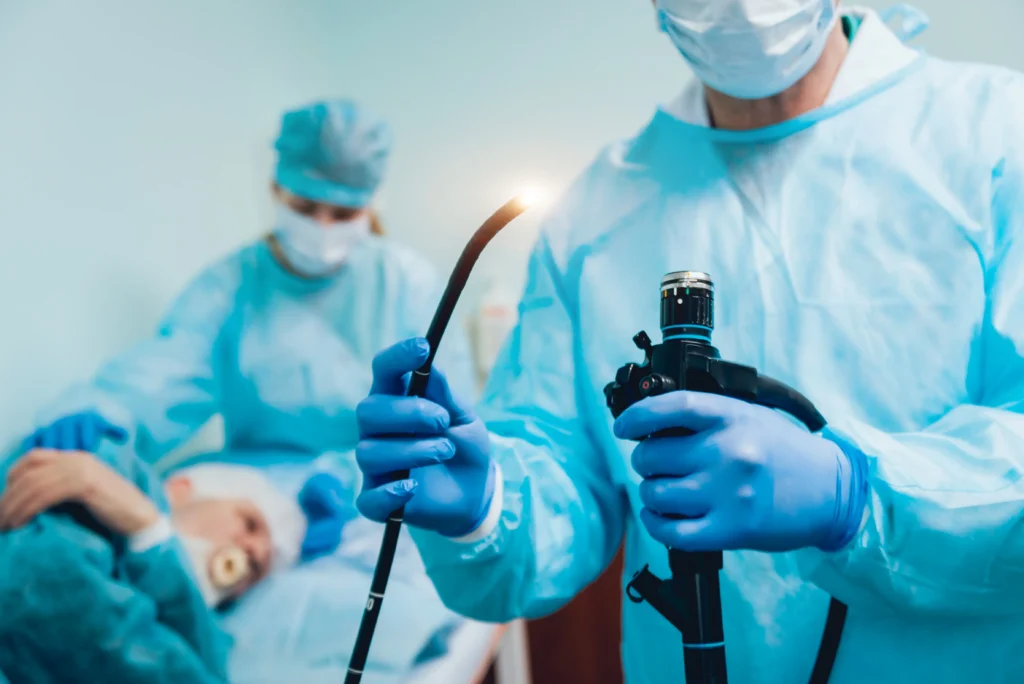
Sepsis and Serious Infections Linked to Product Defect: Contaminated Reusable Scopes
In a number of occurrences, people have gone in for routine or necessary scope procedures and come out with severe infections, repeat hospitalizations, IV antibiotics, and in some cases, death. The danger is not limited to one brand or one…

Insulin Pump / CGM Failures: Over-Delivery, Under-Delivery, and Severe Outcomes
A defective or malfunctioning insulin pump does not just create inconvenience. It can lead to under-delivery or interruption of insulin, dangerous hyperglycemia, and emergency care. FDA reports on recent corrections describe hundreds of adverse events and dozens of injuries tied…