
When the system fails, rail crews pay the price
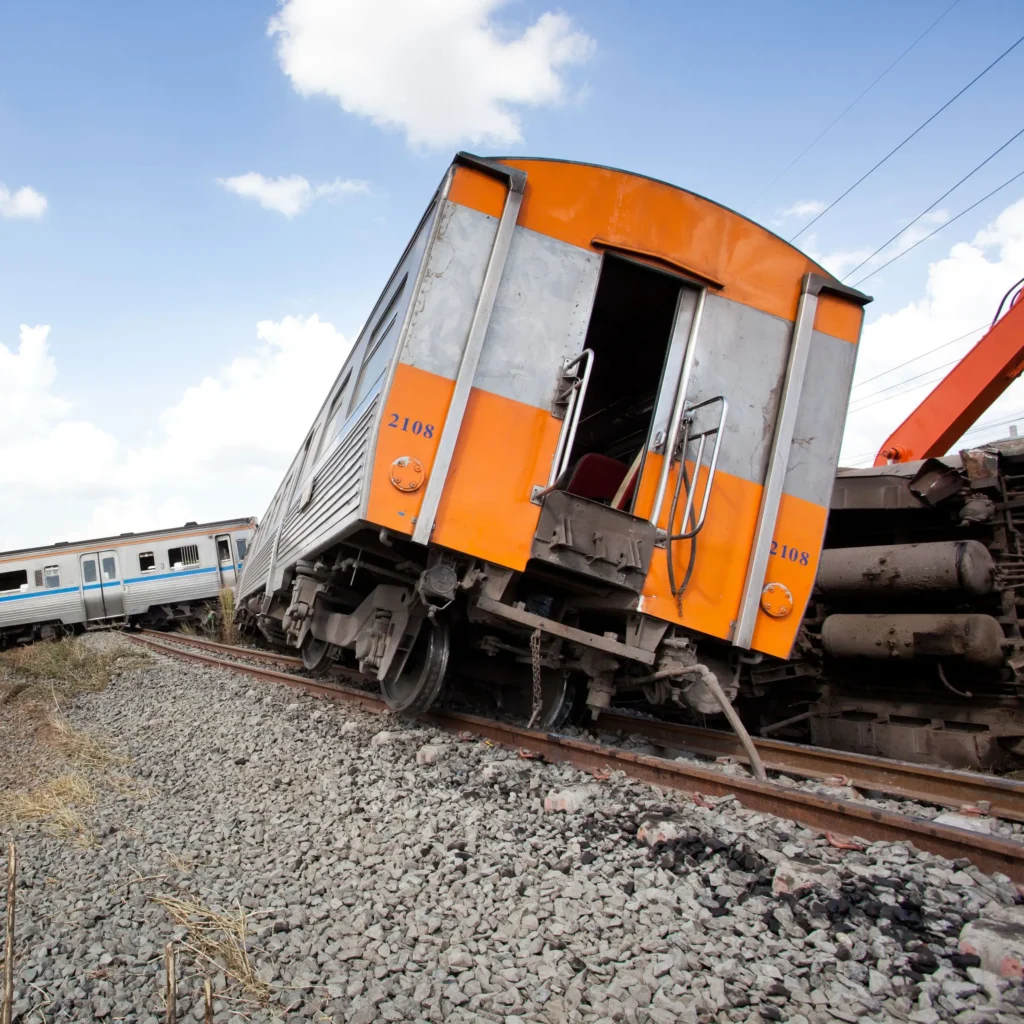
Head-on impacts, rear-end crashes, side collisions in yards, and “near-miss” emergency braking events are almost never random. They are usually the final link in a chain of preventable failures including dispatcher errors, bad communication, ignored slow orders, disabled PTC, defective signals, or chronic crew fatigue.
For the men and women working on the railroad, these events are anything but abstract. A collision or close call can leave them with catastrophic physical injuries, long-term psychological trauma, and careers that will never look the same again.
At McEldrew Purtell, we represent railroad workers and families after serious train-to-train collisions and near-miss events. We move quickly to preserve data, expose system failures, and pursue FELA and third-party claims that go far beyond basic benefits or internal investigations.

How Much Is Your Case Worth?
Why these incidents are so dangerous
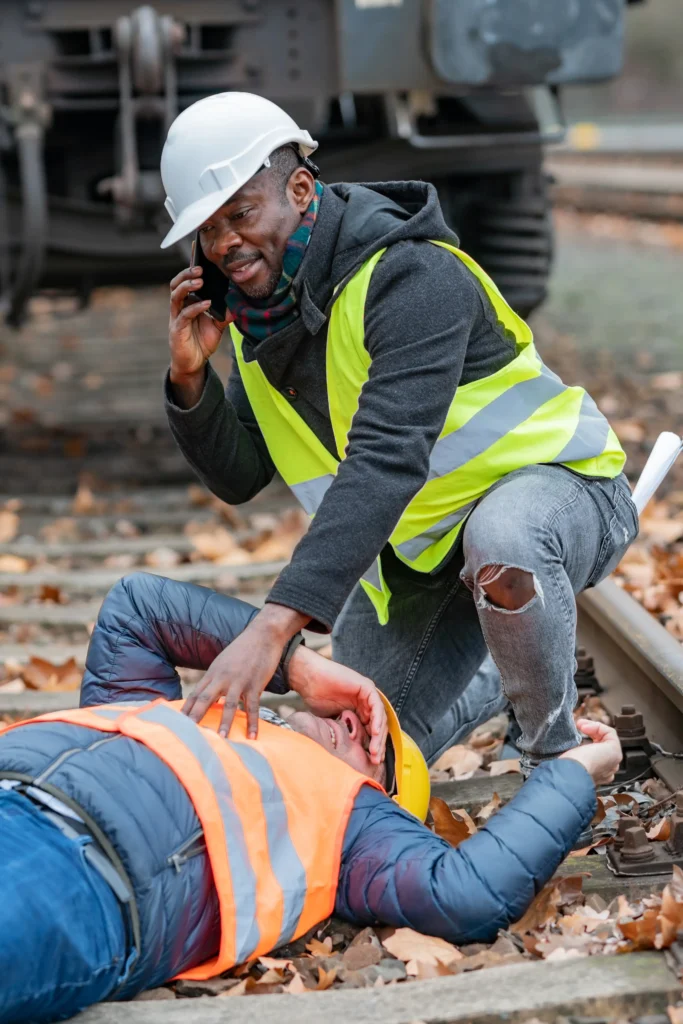
When one train strikes another or narrowly avoids it, the forces involved are extreme and the consequences can ripple across multiple crew members and families.
Common risk factors include:
- Massive impact forces – Even at moderate speeds, a collision between locomotives or consists can cause violent deceleration, cab intrusions, crushing, and derailments, leading to spinal injuries, TBIs, amputations, and death.
- Chain-reaction wrecks – A train-to-train collision can trigger secondary derailments, hazmat releases, fires, and additional impacts with other trains, vehicles, or track workers.
- Limited escape options for crews – Engineers, conductors, and other onboard employees often have only seconds to react, with limited room to move or exit before impact or derailment.
- Psychological trauma and “near-miss” injuries – Even when an actual collision is narrowly avoided, emergency braking, sudden forces, and the terrifying knowledge of “what almost happened” can cause orthopedic injuries and serious PTSD or anxiety disorders.
- Systemic safety breakdowns – These events almost always point to failures in dispatching, signaling, PTC, training, staffing, or safety culture—not merely individual “human error.”
Common train-to-train incidents we see
Train-to-train events can occur on mainlines, sidings, yards, terminals, and industrial leads. Some of the most frequent scenarios include:
- Head-on collisions – Trains authorized onto the same track in opposite directions due to dispatcher error, communication failures, improper authorities, or PTC not installed, disabled, or overridden.
- Rear-end collisions – A following train striking a stopped or slowing train ahead because of inadequate spacing, improper speed, blocked signals, poor visibility, or failure to follow operating rules and bulletins.
- Side collisions at crossings, junctions, or yards – One train fouling the path of another due to misaligned switches, incorrect routing, signal failures, or miscommunication about track occupancy or movements.
- Yard and terminal impacts – Hump and flat switching, shoves, and pull-backs that lead to impacts between cuts of cars or engines because of crowded tracks, rushed operations, poor lighting, or inadequate protection.
- Work zone and track gang incidents – Trains entering limits where other movements are authorized, or failing to properly coordinate with track gangs, roadway workers, or maintenance equipment on or near live tracks.
- Near-miss emergency braking events – Situations where crews throw trains into emergency to avoid striking another train, cut of cars, or equipment fouling the track, often causing onboard injuries and highlighting serious underlying safety failures.
Common system and safety failures
In these cases, we dig far past the incident report and ask: Why were two trains ever put in conflict in the first place? Repeated themes include:
Dispatcher and communication errors
Conflicting authorities, misunderstood instructions, failure to protect work limits, or breakdowns in radio communication that allow trains onto the same track or into occupied limits.
Signal and routing failures
Defective signals, misaligned switches, wrong routes lined, or signal indications that do not match actual track conditions often tied to poor inspection, maintenance, or failure to take known trouble spots out of service.
PTC and technology issues
Positive Train Control (PTC) not installed where it should be, taken out of service, overridden, or not properly integrated; lack of meaningful backup protections when technology fails.
Fatigue and understaffing
Crews and dispatchers working long hours, unpredictable call times, and chronic fatigue, increasing the risk of misjudgments and slow reaction times especially during complex operations.
Inadequate training and safety culture
Rushed or incomplete training, inconsistent application of rules, pressure to move trains at all costs, and a culture that treats close calls as routine instead of critical warning signs.
Failure to act on prior incidents and near-misses
Known “hot spots,” prior close calls, and safety reports that are minimized, not tracked, or never turned into real corrective action until a catastrophic event forces attention.
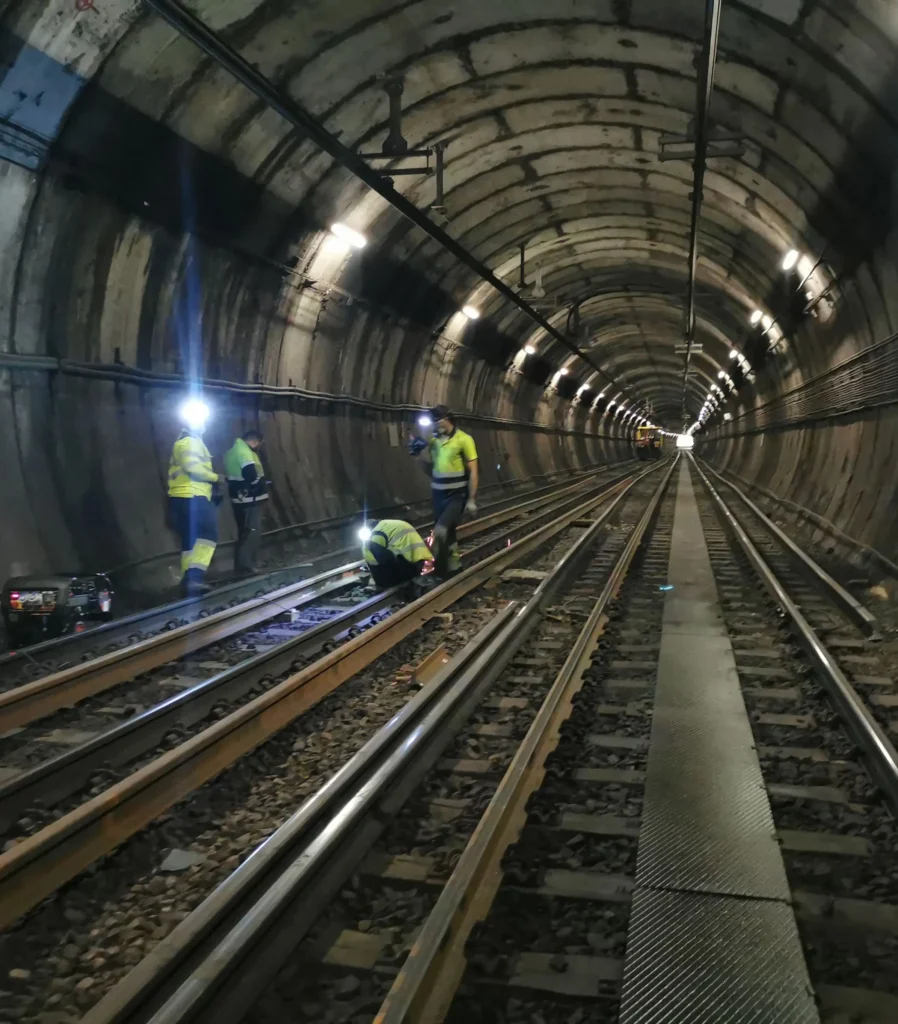
FELA & third-party liability
For injured rail workers, claims typically arise under the Federal Employers’ Liability Act (FELA) but that is often only part of the picture. Depending on the facts, those responsible may include:
- Railroad employers for unsafe rules, training, supervision, staffing, and failure to provide a reasonably safe place to work
- Dispatching centers and supervisors that issue conflicting authorities or ignore known risks
- Signal and communication departments and their contractors for defective or poorly maintained systems
- Technology vendors and integrators if PTC or related systems fail due to design or implementation problems
- Other railroads or host/tenant carriers sharing tracks, facilities, or dispatching responsibilities
- Third-party contractors and industrial operators whose movements or equipment create conflicts on or near the railroad
Our role is to untangle these relationships, identify every responsible party, and structure claims to maximize your recovery under FELA and applicable state or federal law.
Patterns we see again and again
Across railroads and territories, familiar patterns repeat:
- The same territories generating multiple near-misses before a serious collision
- Crews repeatedly complaining about confusing signal layouts, congested yards, or problematic junctions
- PTC disabled or bypassed for convenience, with no robust backup protections
- Dispatching desks handling too many trains and territories at once
- Close calls “handled internally” with little real change until a catastrophic injury or death occurs
When these patterns are ignored, rail workers pay the price. Our job is to document them, connect them to your injuries, and make them matter in your case.
Learn More
FELA vs. workers’ comp: the key differences railroad workers can’t afford to miss
If you are hurt working for a railroad, your claim usually is not a standard workers’ compensation case. Most railroad employees fall under the Federal Employers’ Liability Act (FELA), a federal law that works very differently than state workers’ comp.…
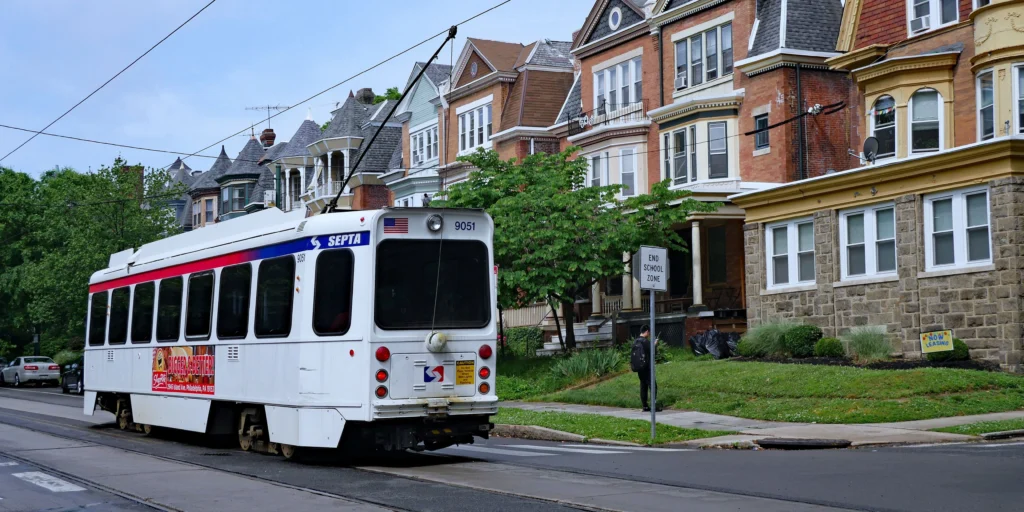
Legal Insight: Defining the Ownership of Tracks in Philadelphia – Where Should I look?
This article was created by the Philadelphia Trial Lawyers Association for The Verdict newsletter in conjunction with Cormick McLaughlin of McEldrew Purtell and is intended to provide legal insight into the ownership of railroad tracks in the Philadelphia area. Finding…
$700,000 FELA Settlement
Colin Haviland and Daniel Purtell settled an FELA case for $700,000 on behalf of a client who suffered severe injuries as a result of his Railroad employer failing to supply the proper equipment to complete his job. McEldrew Purtell’s client…

$885,000 FELA Settlement
Attorney John Coyle settled an FELA case for $885,000 for a union railroad worker, John Felder, who suffered serious injuries on the job, while loading railroad ties. Mr. Felder and a coworker were tasked with moving railroad ties onto a…

$1.6 Million Verdict Against SEPTA
McEldrew Purtell attorney, John Coyle, supported by Associate Attorney, Cormick McLaughlin, secures a $1.6 million verdict in the Philadelphia Court of Common Pleas on a no offer case on behalf of SEPTA conductor, Donnell Shuler in an FELA & Railroad case.…
Everything You Should Know About FELA Claims
As a hardworking railroad employee, you enjoy many exciting career opportunities but are also exposed to alarming risks. It’s common to suffer minor scrapes, but railroad workers are also vulnerable to broken bones, concussions, or even severe burns. Given these…