
Derailments are not “just accidents”
When a train derails, life changes in an instant. Cars roll, locomotives tip, steel twists, cargo spills, and fires or chemical releases can threaten entire neighborhoods. For rail workers and passengers, that can mean crushing injuries, amputations, spinal cord damage, brain trauma, and profound psychological harm.
Most derailments are preventable. They are often the result of track defects, neglected maintenance, defective equipment, excessive speed, or safety decisions made far away from the scene by management, contractors, or other entities who chose to accept risk and hope for the best.
At McEldrew Purtell, we represent:
- Railroad employees with FELA claims after derailments
- Passengers and contractors injured onboard
- Members of the public harmed by derailment-related fires, collisions, or toxic releases
Our focus is straightforward: identify what went wrong, who could have stopped it, and how to obtain full compensation under FELA and applicable state and federal law.

How Much Is Your Case Worth?
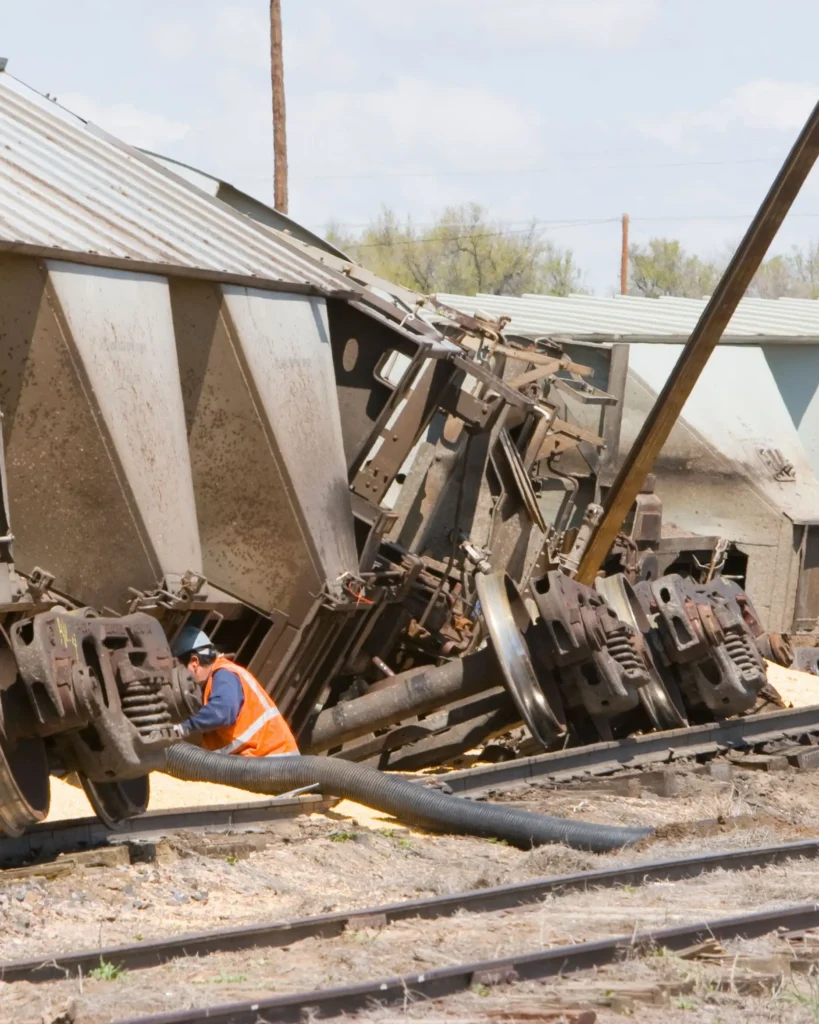
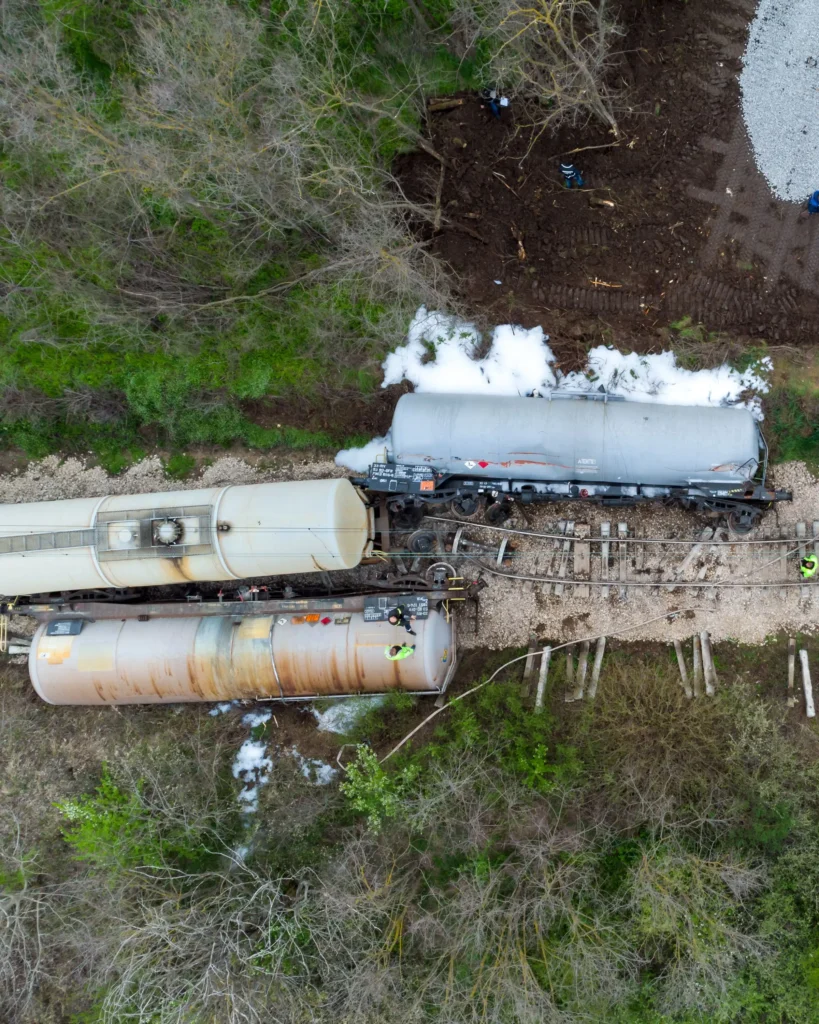
What makes derailments so destructive?
A derailment is different from most other railroad events. Once wheels leave the rail, control is largely gone. Common consequences include:
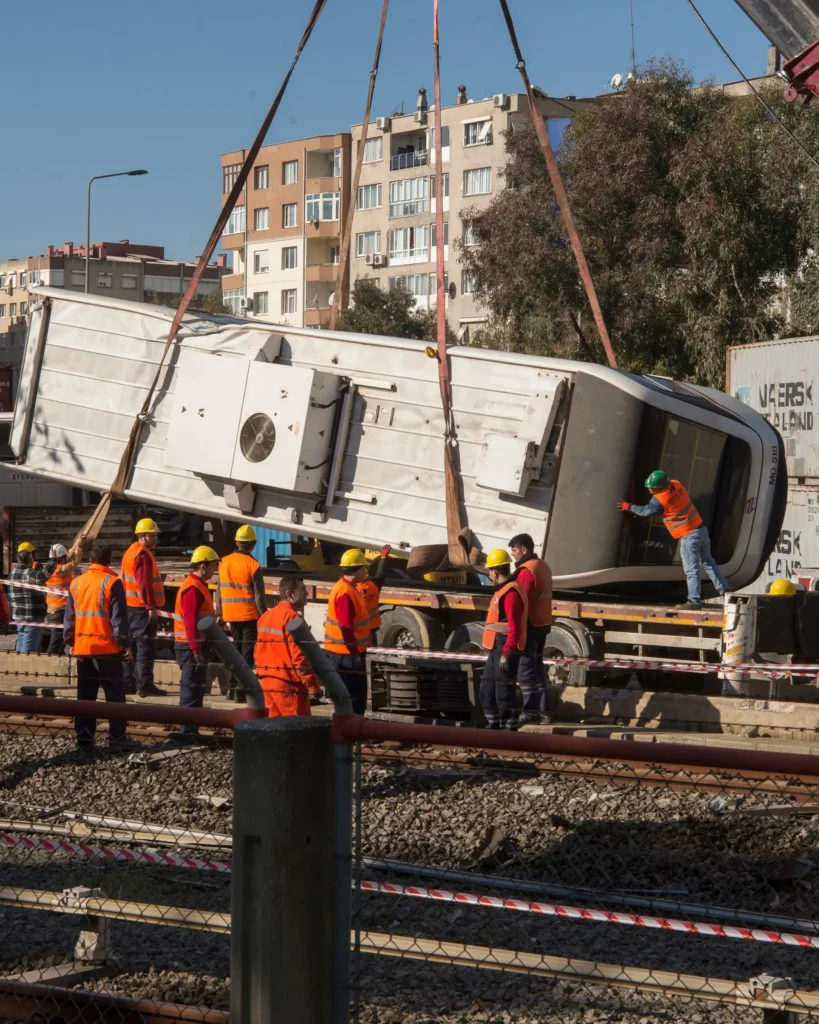
- Car and locomotive rollovers – Railcars and engines can jackknife, pile up, or slide on their sides, causing severe crushing and impact injuries for everyone in and around the train.
- Hazardous material incidents – When tank cars rupture or vent, fires, explosions, and chemical clouds can injure workers, first responders, and community residents miles away.
- Limited escape routes – Crew and passengers may be trapped in confined spaces, pinned by equipment, or surrounded by fire, water, or toxic smoke.
- Multiple overlapping hazards – A derailment can trigger bridge collapses, vehicle impacts at crossings, damage to nearby structures, and secondary collisions with other trains or equipment.
- Physical and psychological fallout – Survivors often suffer not only orthopedic and neurologic injuries but also long-term PTSD, sleep disturbance, anxiety, and depression following a violent, chaotic event.
How derailments tend to happen
Derailments occur on main lines, in yards, at industrial facilities, and in work zones. Some patterns we frequently see:
- Mainline freight derailments – Long, heavy trains derailing on curves, grades, or worn track due to broken rails, poor ballast, insufficient maintenance, or unsafe train makeup and speed.
- Passenger and commuter train derailments – Passenger trains leaving the rail on curves, bridges, or through speed-restricted territory often involving over-speed, signal or PTC issues, or poor track conditions causing serious injuries to multiple riders.
- Yard and switching derailments – Low-speed incidents during switching, humping, or shoving that still cause devastating injuries to workers on the ground through run-overs, pinches, and crush mechanisms.
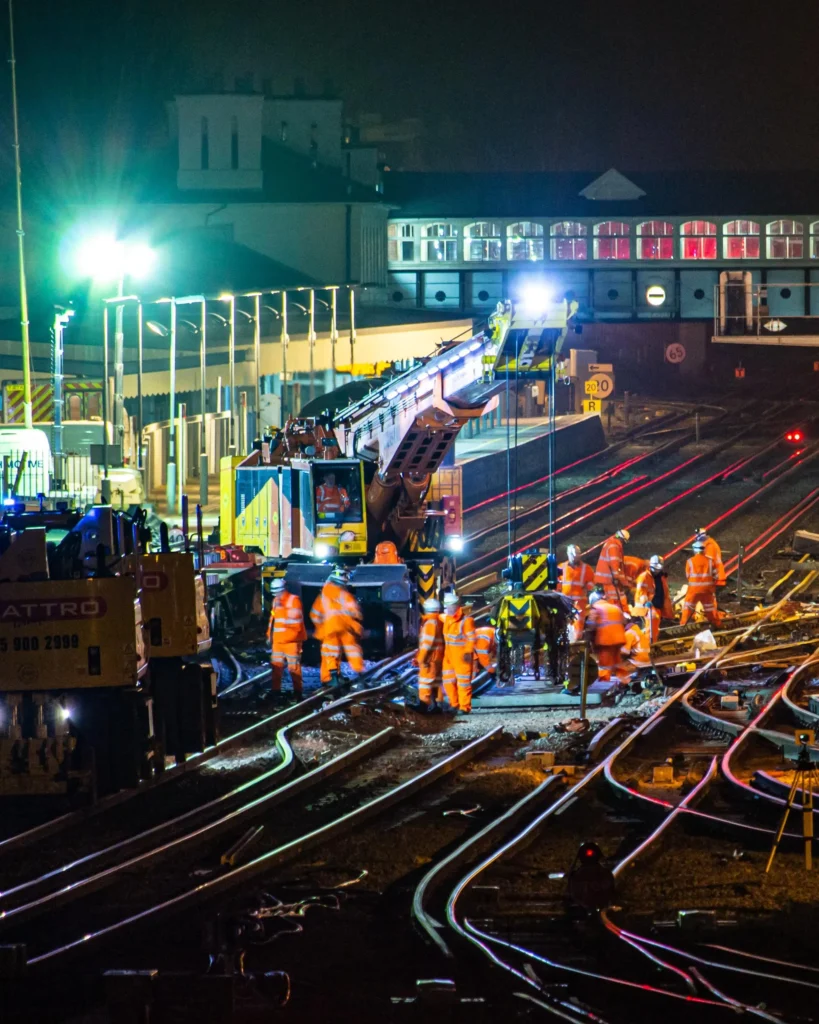
- Work-zone derailments – Trains or track equipment traversing track that has been disturbed, improperly restored, or left unstable during construction or maintenance, putting roadway workers and crews at risk.
- Bridge and embankment derailments – Trains derailing on elevated structures or near waterways, leading to falls from height, structural failures, and complex rescue operations.
- Industrial and plant derailments – Shortline or industrial movements at refineries, mills, and terminals where tight curves, poor maintenance, and heavy truck traffic create a constant risk to employees and contractors.
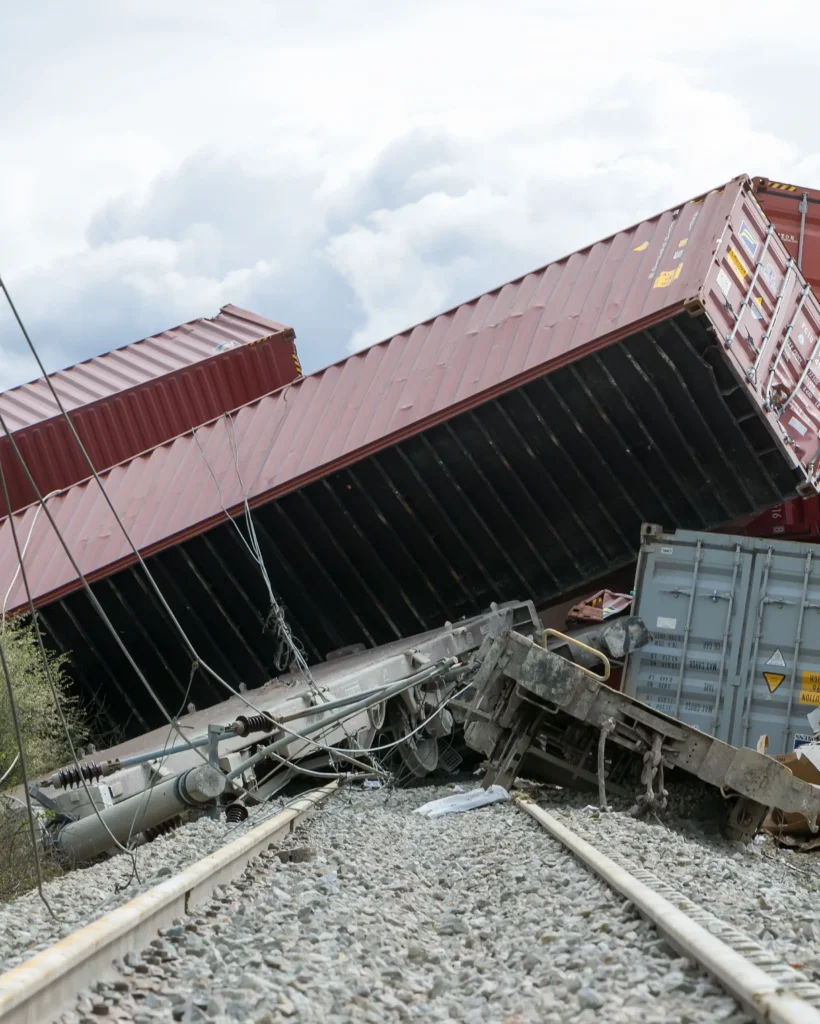
Key failures we look for in derailment cases
A proper derailment investigation goes far beyond blaming a single crew member. We focus on system failures such as:
Track conditions and infrastructure
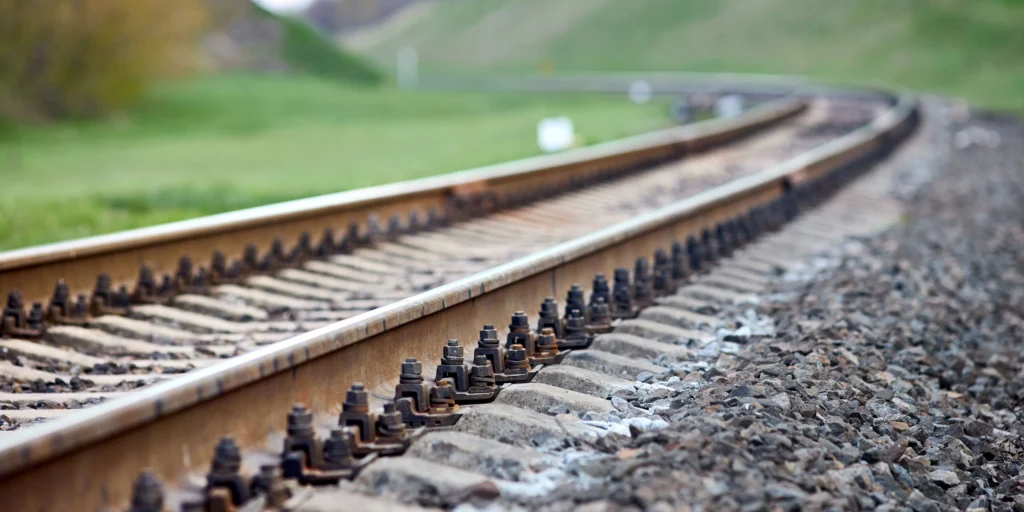
- Broken or cracked rails
- Wide gauge or poor alignment
- Deteriorated ties and ballast
- Known “bad spots” repeatedly subject to slow orders or complaints
We scrutinize whether required inspections were done, properly documented, and followed by real corrective work not just temporary fixes.
Equipment and mechanical issues
- Defective or worn wheels, axles, bearings, couplers, and draft systems
- Cars kept in service despite bad-order tags or recurring problems
- Locomotives with unresolved mechanical or braking defects
Mechanical problems that should have been caught in the shop often show up only when a derailment exposes them.
Speed, train handling, and train makeup
- Trains operated too fast for track condition or territory
- Failure to obey slow orders, bulletins, and temporary speed restrictions
- Unbalanced trains, dangerous car placement, or improper handling of heavy or high-center-of-gravity loads
We compare operating rules and physics with how the train was actually built and operated.
Signals, PTC, and communication
- Signals malfunctioning or not reflecting true conditions
- Positive Train Control (PTC) not installed, disabled, or overridden
- Miscommunication between dispatchers, crews, and maintenance forces about track status
Technology is only as safe as the way it’s designed, maintained, and used.
Fatigue, staffing, and training
- Long hours and short-rest cycles for crews, dispatchers, and track inspectors
- Incomplete or rushed training and qualification
- Production pressure that discourages taking track out of service or slowing down when safety demands it
Prior warnings and near-misses
- Internal reports, defect logs, and minor derailments in the same area
- Safety audits that flagged known weaknesses but never resulted in meaningful change
We build the story of everything that led up to the event not just the last few minutes.
Who can be held responsible?
Every derailment is different, but liable parties often include:
- The railroad employer – for unsafe track, equipment, rules, staffing, and safety culture under the Federal Employers’ Liability Act (FELA) for injured workers
- Track owners and infrastructure companies – when ownership and maintenance responsibilities are split
- Mechanical and track contractors – who inspect, repair, or construct track, cars, and locomotives
- Signal and PTC vendors or integrators – if defective design or implementation contributes to the event
- Other railroads or host/tenant carriers – when operations are shared
- Industrial or facility owners – in industrial derailments on private track
- Component manufacturers – for defective wheels, axles, brakes, couplers, or other parts that fail in service
Our role is to map out each entity’s obligations, compare them with what actually occurred, and pursue every viable claim.
Your rights after a derailment
Across railroads and territories, familiar patterns reIf you’re a railroad worker injured in a derailment, you have important protections:
- The right to report hazards and injuries without retaliation
- The right to choose your own medical providers
- The right not to sign statements, releases, or “incident forms” prepared by the railroad before speaking with counsel
- The right to pursue a FELA claim if your employer’s negligence played any part, no matter how small, in causing your injury
If you’re a passenger, contractor, or member of the public injured in a derailment or related fire, explosion, or chemical exposure, you may have substantial personal injury or wrongful death claims against the railroad and others involved in track, equipment, or hazmat safety.
Learn More
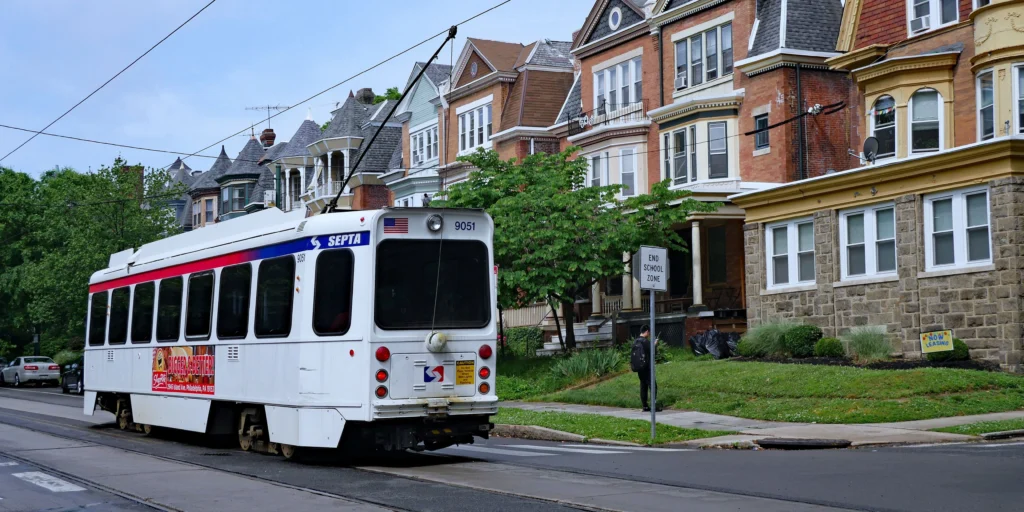
Legal Insight: Defining the Ownership of Tracks in Philadelphia – Where Should I look?
This article was created by the Philadelphia Trial Lawyers Association for The Verdict newsletter in conjunction with Cormick McLaughlin of McEldrew Purtell and is intended to provide legal insight into the ownership of railroad tracks in the Philadelphia area. Finding…
$700,000 FELA Settlement
Colin Haviland and Daniel Purtell settled an FELA case for $700,000 on behalf of a client who suffered severe injuries as a result of his Railroad employer failing to supply the proper equipment to complete his job. McEldrew Purtell’s client…
$885,000 FELA Settlement
Attorney John Coyle settled an FELA case for $885,000 for a union railroad worker, John Felder, who suffered serious injuries on the job, while loading railroad ties. Mr. Felder and a coworker were tasked with moving railroad ties onto a…

$1.6 Million Verdict Against SEPTA
McEldrew Purtell attorney, John Coyle, supported by Associate Attorney, Cormick McLaughlin, secures a $1.6 million verdict in the Philadelphia Court of Common Pleas on a no offer case on behalf of SEPTA conductor, Donnell Shuler in an FELA & Railroad case.…
Everything You Should Know About FELA Claims
As a hardworking railroad employee, you enjoy many exciting career opportunities but are also exposed to alarming risks. It’s common to suffer minor scrapes, but railroad workers are also vulnerable to broken bones, concussions, or even severe burns. Given these…

Elements of a Train Accident Lawsuit
Train accidents can lead to devastating injuries. This catastrophic harm can lead to high medical bills, financial struggles, and severe pain. These accidents are often the result of negligence. You could be owed substantial compensation for your injuries if that…