

Track, signal, or dispatch mistake? We expose systemic failures and fight for injured workers and families.
Railroads run on precise coordination. Track must be maintained and aligned. Signals and crossing protection must function every time. Dispatchers must keep trains, maintenance crews, and yard movements separated and protected. When any part of that system breaks down, the result is not a “close call”, it can be a head-on collision, rear-end crash, derailment, or worker being struck on foot.
These events are rarely random. They often follow ignored slow orders, overdue inspections, disabled or malfunctioning signal systems, or dispatch decisions that push capacity at the expense of safety. When track, signal, or dispatching errors cause catastrophic injury or wrongful death, railroad workers and families have the right to answers and to full accountability.
If you were hurt, or lost someone you love, because of a track defect, signal failure, or dispatching mistake, McEldrew Purtell investigates what really happened and pursues compensation under the Federal Employers’ Liability Act (FELA) and any related claims against all responsible parties.

How Much Is Your Case Worth?
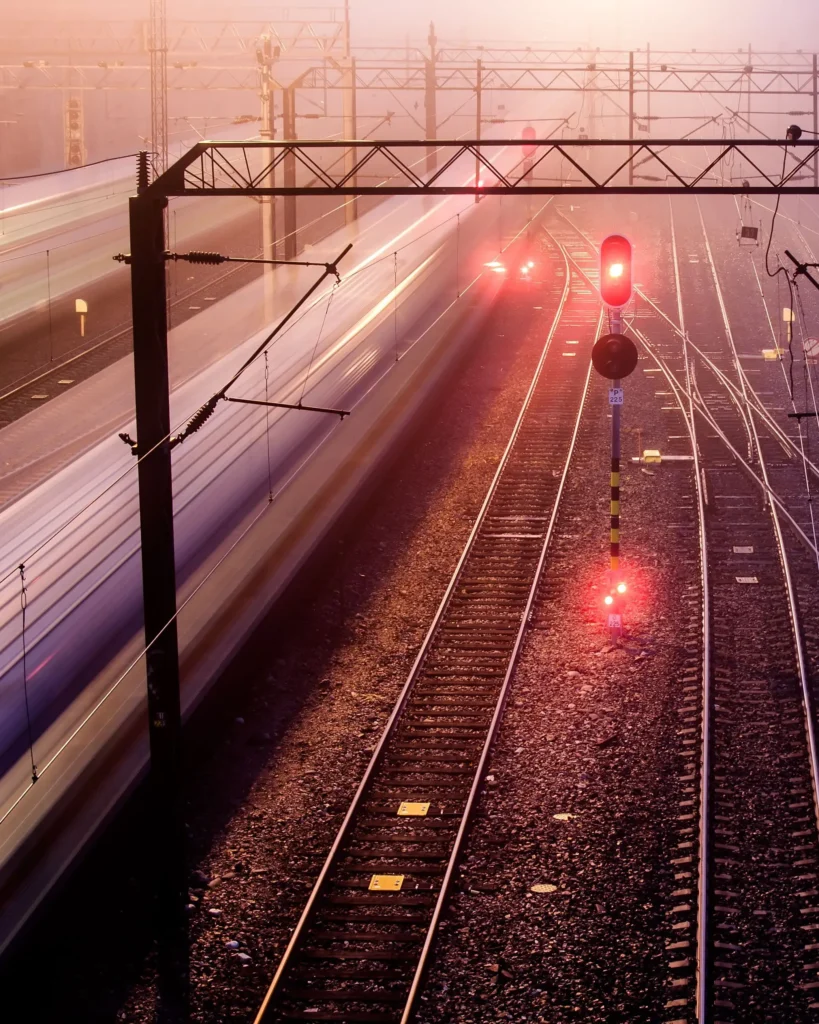
Why track, signal & dispatching errors are so dangerous
When the systems meant to separate trains and protect people fail, the margin for error disappears:
- High-speed collisions and derailments – Misaligned, broken, or improperly maintained track; failed switches; or incorrect routes can put trains on the wrong track, send them into work zones, or cause derailments on curves, bridges, or near crossings.
- Trains entering occupied or unprotected territory – Misread or “dropped” signals, disabled protections, or dispatch mistakes can allow a train into a block already occupied by another train, track gang, or roadway workers.
- Wrong side-of-the-track and meet-pass errors – In double-track or multi-track territory, dispatch errors or misrouted switches can put movements on the wrong track or create dangerous meet/pass scenarios that leave crews with no safe options.
- Struck-by incidents involving workers on foot – When track crews, inspectors, or signal maintainers are not properly protected with track authorities, warnings, or watchmen, a single communication or dispatching error can lead to fatal struck-by events.
- Cascade of failures in complex territories – Modern operations often rely on a chain of systems like signals, positive train control (PTC), dispatching software, radios, and human judgment. One bad decision or bypass can defeat multiple safeguards at once.
What went wrong: patterns we see again and again
Behind most track, signal, and dispatching disasters are familiar patterns:
- Deferred track maintenance and pressure to keep lines open despite known defects
- Overloaded or understaffed dispatch desks covering too many territories
- Inadequate training or supervision for dispatchers, signal maintainers, or track inspectors
- Shortcuts on signal testing, documentation, and repairs
- Failure to follow internal rules, operating bulletins, and slow orders
- Culture that rewards train velocity and “on-time” performance over conservative safety decisions
Our investigations focus on more than the moment of impact. We look at the history of the territory: prior slow orders, track inspections, signal trouble tickets, dispatcher call logs, and internal emails and bulletins that reveal what the railroad and its managers knew and chose not to fix.
Common track, signal & dispatching incidents we handle
Track and signal issues can arise across the system: main lines, yards, industrial tracks, and passenger corridors. Typical cases include:
Track defects and maintenance failures
Broken rails, wide gauge, misalignment, sun kinks, defective anchors or fasteners, fouled ballast, and deteriorated ties that should have triggered slow orders, repairs, or removal from service but didn’t.
Switch and turnout errors
Hand-thrown or power-operated switches left misaligned, not properly lined and locked, or showing incorrect indications; failed or ignored switch point indicators; and yard leads or crossovers left in unsafe positions.
Signal and interlocking failures
Signals displaying the wrong aspect, failing to display restrictive indications, or taken “out of service” without proper protections; interlocking failures that allow conflicting movements; and flawed testing or maintenance practices.
Dispatching and movement authority mistakes
Issuing overlapping track warrants/EC-1s, Form Ds, or track authorities; mis-plotting a train’s location; improper meets and passes; or authorizing trains or equipment into work zones or occupied blocks.
Positive Train Control (PTC) and control system issues
Incorrect data, disabled or bypassed PTC, or failure to respond to PTC warnings and enforcements, allowing overspeed or authority violations that should have been prevented.
Crossing signal and protection failures
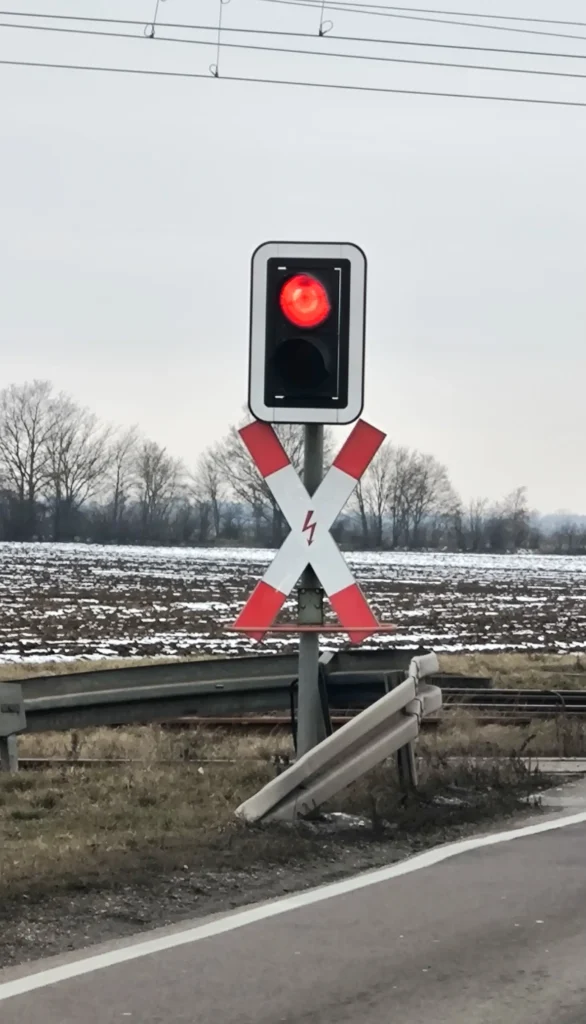
Grade crossing gates, lights, or bells that fail to activate, activate too late, or are knowingly left out of service without adequate alternate protections, contributing to collisions with vehicles or pedestrians.
Who may be responsible
Depending on the facts, responsibility for track, signal, or dispatching errors may fall on:
- The railroad employer – For failing to provide a reasonably safe place to work, neglecting track and signal maintenance, understaffing dispatch desks, or pressuring personnel to move trains in the face of safety concerns, negligence that creates FELA liability for injured workers.
- Infrastructure and corridor owners – In commuter, intercity, or shared-use corridors, a separate entity may own and maintain the track, signals, or dispatching functions, sharing responsibility for unsafe conditions.
- Signal, communication, and control system contractors – Third-party companies that design, install, test, or maintain signal systems, PTC, and dispatching software may be liable when their work contributes to an accident.
- Track and construction contractors – Contractors that perform rail, tie, ballast, or surfacing work, or that leave equipment fouling tracks or impairing visibility, may bear responsibility for resulting incidents.
- Equipment and technology vendors – Manufacturers of defective switches, signal equipment, grade crossing devices, or control components can be pursued under product liability theories when design or manufacturing defects play a role.
We identify every entity that contributed to the unsafe condition not just the individual dispatcher, maintainer, or crew member who ends up blamed in internal reports.
Your rights after a track, signal, or dispatching event
If you are a railroad worker injured because of a track, signal, or dispatching error, you have critical protections:
- Right to a reasonably safe place to work and safe systems of operation – Under FELA, the railroad is responsible when its negligence plays any role in causing your injury, including system-wide failures in dispatching, track, or signals.
- Right to medical care from providers you choose – You are not limited to railroad-preferred clinics or doctors.
- Right to decline recorded statements and “helpful” forms before legal advice – Internal investigations and reports often aim to limit the railroad’s responsibility or shift blame onto crews.
- Right to report unsafe conditions and injuries without retaliation – Punishing employees for raising safety concerns or reporting injuries can itself be unlawful.
If you are a passenger, contractor, driver, or pedestrian injured in a crash, derailment, or crossing collision tied to these failures, you may have substantial personal injury or wrongful death claims against the railroad, corridor owners, and others involved.
Learn More
Railroad Toxic Exposure Claims: Cancer, Lung Disease, and Proving Workplace Causation
Railroad workers face dangers that extend far beyond traumatic injuries and derailments. For decades, railroad employees have been exposed to toxic substances capable of causing serious illnesses, including cancer, chronic lung disease, and other life-altering medical conditions. Under the Federal…

Fatal Accidents Involving Railroad Employees: What Families Should Know About Wrongful Death Claims Under FELA
A fatal railroad accident leaves families facing far more than grief. Many are suddenly dealing with lost income, unanswered questions about what happened, and pressure from railroad investigators before they fully understand their rights. If a railroad employee is killed…
FELA vs. Worker’s Comp: What Qualifies as an FELA Claim?
One of the most important questions in a railroad injury case is whether the claim belongs under a state’s workers’ compensation law or the Federal Employers’ Liability Act (FELA). he answer to this question can have a dramatic impact on…
Comparative negligence under FELA: what it means and how railroads try to shift blame
If you are a railroad worker hurt on the job, your claim usually falls under the Federal Employers’ Liability Act (FELA), not standard workers’ compensation. One of the biggest battleground issues in a FELA case is comparative negligence. Railroads often…
FELA vs. workers’ comp: the key differences railroad workers can’t afford to miss
If you are hurt working for a railroad, your claim usually is not a standard workers’ compensation case. Most railroad employees fall under the Federal Employers’ Liability Act (FELA), a federal law that works very differently than state workers’ comp.…
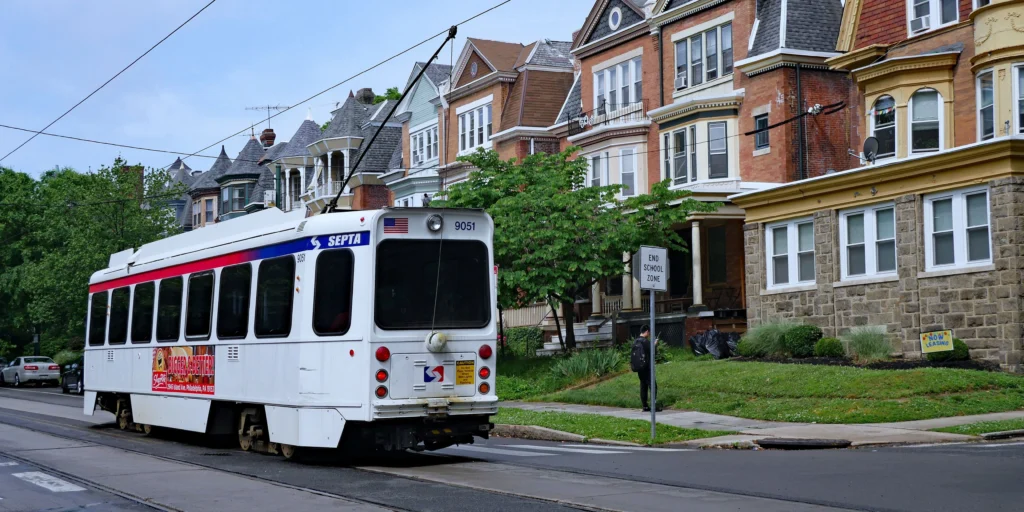
Legal Insight: Defining the Ownership of Tracks in Philadelphia – Where Should I look?
This article was created by the Philadelphia Trial Lawyers Association for The Verdict newsletter in conjunction with Cormick McLaughlin of McEldrew Purtell and is intended to provide legal insight into the ownership of railroad tracks in the Philadelphia area. Finding…