

We connect the exposure to the disease and hold railroads accountable.
Railroads ran for decades on diesel exhaust, asbestos insulation, creosote-treated ties, ballast dust, welding fumes, solvents, and deafening noise. Workers were told it was “just part of the job.” Many were never warned about the long-term risks of cancer, lung disease, blood disorders, neurological problems, hearing loss, and other occupational diseases that show up years after the exposure.
These illnesses are not bad luck. They are the predictable result of working day after day in toxic environments without adequate ventilation, respiratory protection, hearing protection, or hazard warnings. Under the Federal Employers’ Liability Act (FELA), a railroad can be held liable when its negligence contributes to an employee’s occupational disease even if symptoms appear long after you’ve left the job.
McEldrew Purtell represents railroad workers and families across the country in toxic exposure and occupational disease claims, including cancer, lung disease, blood cancers, neurologic injury, hearing loss, and wrongful death. happened, whether railroads and agencies met their safety obligations, and what it will take to truly make you and your family whole.


How Much Is Your Case Worth?

Who is at risk?
We handle cases for current and former:
- Engineers, conductors, and brakemen constantly exposed to diesel exhaust, fumes in locomotives and cabooses, and noise and vibration from years in the cab.
- Machinists, carmen, electricians, and shop workers who worked with degreasers, solvents, welding and cutting fumes, asbestos products, and chemical cleaners.
- Maintenance-of-way and track workers who breathed ballast dust, silica, herbicides, creosote, and exhaust from on-track equipment and trucks.
- Signal and communications crews working in confined bungalows and vaults with batteries, fumes, and poor ventilation.
- Bridge, building, and facility workers exposed to asbestos-containing materials, lead paint, and industrial chemicals in older structures.
If you spent years on the railroad and now face a serious diagnosis, it is worth asking whether that work environment played a part, even if no one ever called it “toxic” at the time.
Why FELA occupational disease cases are different
Toxic and occupational exposure cases are not like a single accident on a particular date. They are built around:
- Long-term exposure histories – years or decades of work in certain jobs, facilities, or territories.
- Delayed diagnosis – symptoms may only appear long after exposure, sometimes after retirement.
- Multiple contributing factors – work exposures, personal risk factors, and other environments must be sorted out.
- Incomplete or “lost” records – job assignments, safety data sheets, and facility histories are often scattered or missing.
Railroads frequently argue that an illness is “just smoking,” “age,” or “genetics.” Our job is to document what you were actually exposed to at work and how that increased your risk and to show what the railroad knew (or should have known) about those dangers at the time.
Common railroad exposures and related diseases
Every case is unique, but some patterns appear over and over again.
Diesel exhaust & engine fumes
Long-term exposure to diesel exhaust in cabs, yards, and shops has been linked to lung cancer, bladder cancer, COPD, chronic bronchitis, and other respiratory disease. Workers often describe “blue haze” in the cab, windows kept closed in winter, and idling locomotives under inadequate ventilation.
Asbestos & insulation materials
For decades, railroads used asbestos in brake shoes, insulation, gaskets, pipe covering, and facilities. Resulting diseases include mesothelioma, lung cancer, asbestosis, and pleural disease often appearing decades after exposure.
Silica & ballast dust
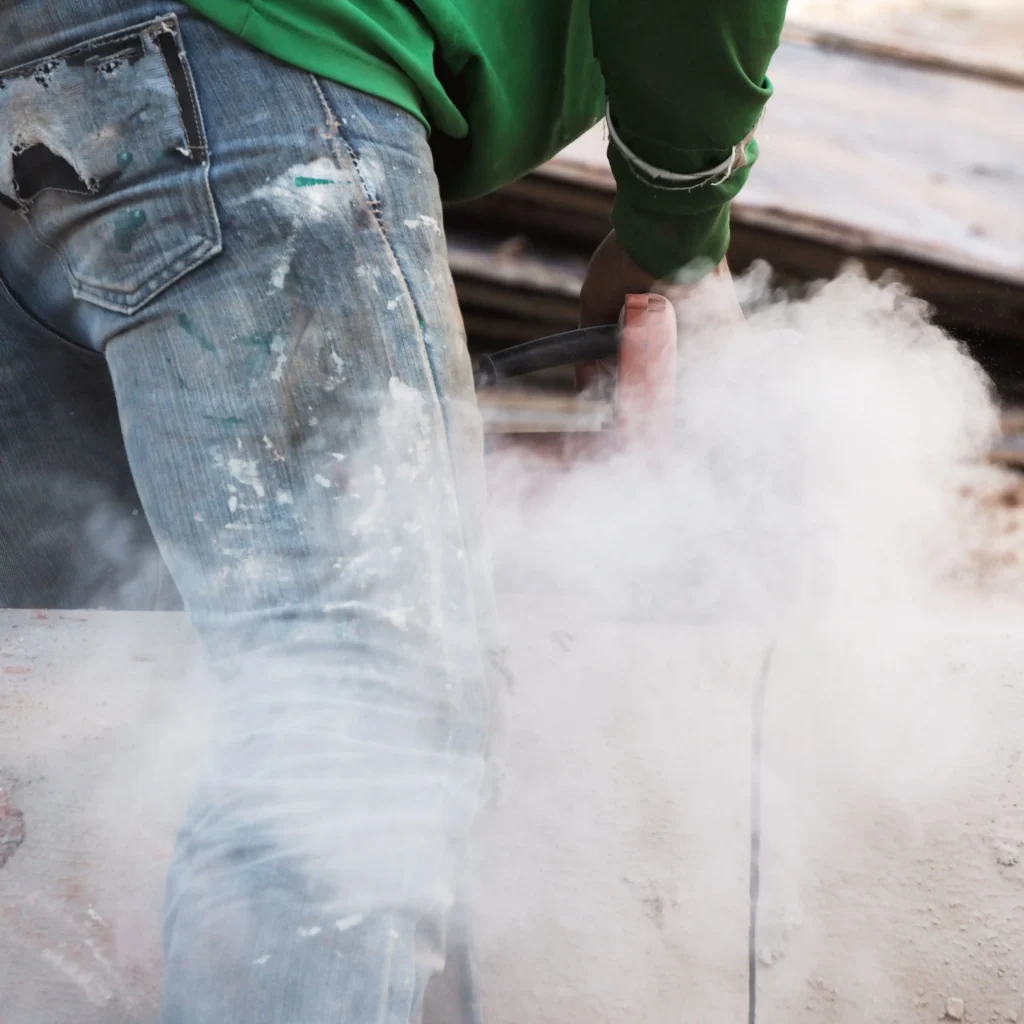
Ballast tamping, grinding, cutting concrete, and working on dusty track and yards exposes workers to silica. Chronic exposure is associated with silicosis, lung cancer, COPD, and autoimmune problems.
Welding fumes, metals & solvents
Welders, carmen, machinists, and shop personnel inhale metal fumes and use solvents and degreasers that may contain benzene and other toxins. These exposures are associated with blood cancers (like leukemia and lymphoma), nervous system disorders, and organ damage.
Creosote, herbicides & chemicals
Track workers and bridge crews handle creosote-treated ties and are often present when herbicides and vegetation-control chemicals are sprayed. Chronic exposure can contribute to skin issues, organ damage, and certain cancers.
Noise & vibration
Years of exposure to extreme noise from engines, horns, wheel/rail interaction, and shop equipment cause permanent hearing loss and tinnitus. Whole-body and hand-arm vibration contribute to nerve damage, circulation problems, and chronic pain.
How railroads fall short
In many FELA occupational disease cases, we see the same systemic failures:
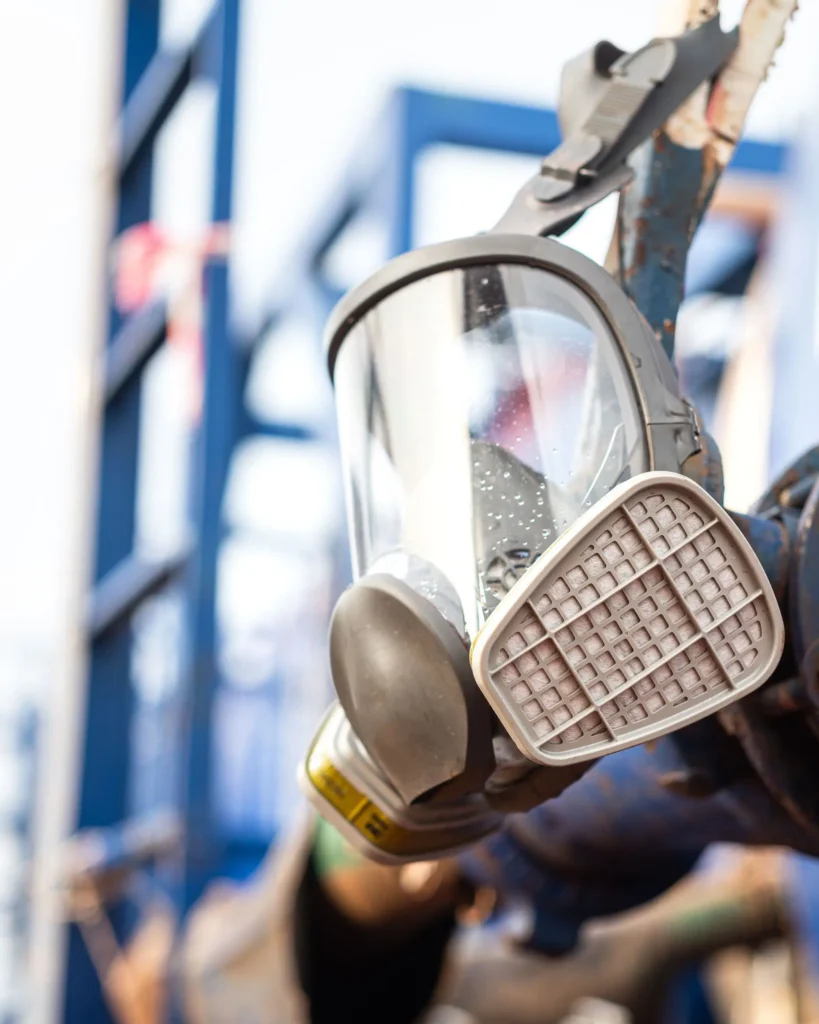
- No or minimal respiratory and hearing protection for known hazards
- Poor or nonexistent ventilation in cabs, shops, and enclosed spaces
- Failure to warn that certain substances were carcinogenic or toxic
- Inadequate training on safe handling, storage, and disposal of chemicals
- Ignored complaints about fumes, dust, odors, and noise
- Safety data sheets (SDS) and hazard communications never provided or explained
It is not enough for a railroad to claim a substance was “legal” at the time. The question is whether it took reasonable steps, based on what was known, to protect workers from harm. under state negligence and wrongful death laws, with unique notice requirements and damage rules depending on the entity involved.
Who may be responsible
Whether you were a passenger or a rail worker, you Depending on the facts, responsibility can lie with:
- The railroad employer – for failing to provide a reasonably safe place to work, ignoring known health risks, not providing protective equipment, and failing to warn workers of the dangers, giving rise to FELA liability.
- Product and chemical manufacturers – for defective design, inadequate warnings, or misrepresentation of the dangers of their products, supporting product liability claims in appropriate cases.
- Contractors and facility owners – where exposures occurred in shops, plants, or industrial facilities owned or operated by entities other than the railroad.
We evaluate all potential defendants so that you are not limited to a single source of recovery when multiple companies contributed to your disease.
Your rights if you have a railroad-related illness
If you have been diagnosed with cancer, lung disease, blood disorders, hearing loss, or another serious condition and you worked on the railroad, you should know:
- You may have a FELA claim even years after leaving the railroad. For many occupational diseases, the time limit to file is tied to when you knew or should have known that your disease was related to your work not the last day of exposure.
- You are not limited to “sick benefits” or a small settlement. FELA allows recovery for past and future medical expenses, lost wages and benefits, diminished earning capacity, pain and suffering, and loss of enjoyment of life.
- You choose your medical providers. You do not have to rely only on railroad-referred doctors or clinics.
- You do not have to accept the railroad’s explanation. If you are being told your disease has “nothing to do” with the railroad without a full investigation into your work history, get a second opinion.
For families, if a loved one has died from a disease that may be related to railroad exposures, you may have wrongful death and survival claims under FELA and other legal theories.
How McEldrew Purtell builds FELA occupational disease cases
Occupational disease cases require careful, disciplined work. When we take one on, we:
- Reconstruct your work and exposure history – Reviewing job assignments, crafts, locations, equipment, and specific tasks; interviewing co-workers and supervisors; and examining historical records where available.
- Identify likely toxic agents – Matching your work environments and job duties to known hazards (diesel, asbestos, silica, solvents, etc.) and the illnesses they are associated with.
- Obtain and analyze medical records – Working with your treating doctors and independent medical experts to connect your diagnosis to workplace exposures and rule out alternative explanations.
- Investigate what the railroad knew – Examining internal documents, historical safety materials, and industry knowledge to show what was known about specific hazards and when.
- Pursue every available claim and recovery – Filing a FELA claim against the railroad and, where appropriate, additional claims against product manufacturers and other responsible entities.
Our focus is on securing compensation that reflects the reality of long-term illness: ongoing treatment, medications, lost income, reduced life expectancy, and the day-to-day impact on you and your family.

Learn More

FELA vs. workers’ comp: the key differences railroad workers can’t afford to miss
If you are hurt working for a railroad, your claim usually is not a standard workers’ compensation case. Most railroad employees fall under the Federal Employers’ Liability Act (FELA), a federal law that works very differently than state workers’ comp.…

Legal Insight: Defining the Ownership of Tracks in Philadelphia – Where Should I look?
This article was created by the Philadelphia Trial Lawyers Association for The Verdict newsletter in conjunction with Cormick McLaughlin of McEldrew Purtell and is intended to provide legal insight into the ownership of railroad tracks in the Philadelphia area. Finding…
$700,000 FELA Settlement
Colin Haviland and Daniel Purtell settled an FELA case for $700,000 on behalf of a client who suffered severe injuries as a result of his Railroad employer failing to supply the proper equipment to complete his job. McEldrew Purtell’s client…

$885,000 FELA Settlement
Attorney John Coyle settled an FELA case for $885,000 for a union railroad worker, John Felder, who suffered serious injuries on the job, while loading railroad ties. Mr. Felder and a coworker were tasked with moving railroad ties onto a…

$1.6 Million Verdict Against SEPTA
McEldrew Purtell attorney, John Coyle, supported by Associate Attorney, Cormick McLaughlin, secures a $1.6 million verdict in the Philadelphia Court of Common Pleas on a no offer case on behalf of SEPTA conductor, Donnell Shuler in an FELA & Railroad case.…
Everything You Should Know About FELA Claims
As a hardworking railroad employee, you enjoy many exciting career opportunities but are also exposed to alarming risks. It’s common to suffer minor scrapes, but railroad workers are also vulnerable to broken bones, concussions, or even severe burns. Given these…