
A trip that should have been safe. Injuries that never should have happened.
Passenger and commuter rail systems are built around one promise: moving people safely. Amtrak, SEPTA, NJ Transit, subways, regional rail, and light-rail systems carry thousands of riders every day who have no control over how the train is operated, maintained, or dispatched.
When something goes wrong, a derailment, collision, sudden stop, platform fall, or door malfunction, passengers and crew pay the price. These events can cause broken bones, spinal injuries, traumatic brain injuries, crush injuries, burns, and, in the worst cases, wrongful death.
At McEldrew Purtell, we represent:
- Passengers injured on intercity, commuter, subway, and light-rail systems
- Rail employees (engineers, conductors, on-board staff, station workers) injured on the job
- Families after fatal passenger-rail incidents
We dig into how the incident happened, whether railroads and agencies met their safety obligations, and what it will take to truly make you and your family whole.

How Much Is Your Case Worth?
Why passenger & commuter rail injuries are so serious
Rail incidents involving people, not freight, present unique risks:
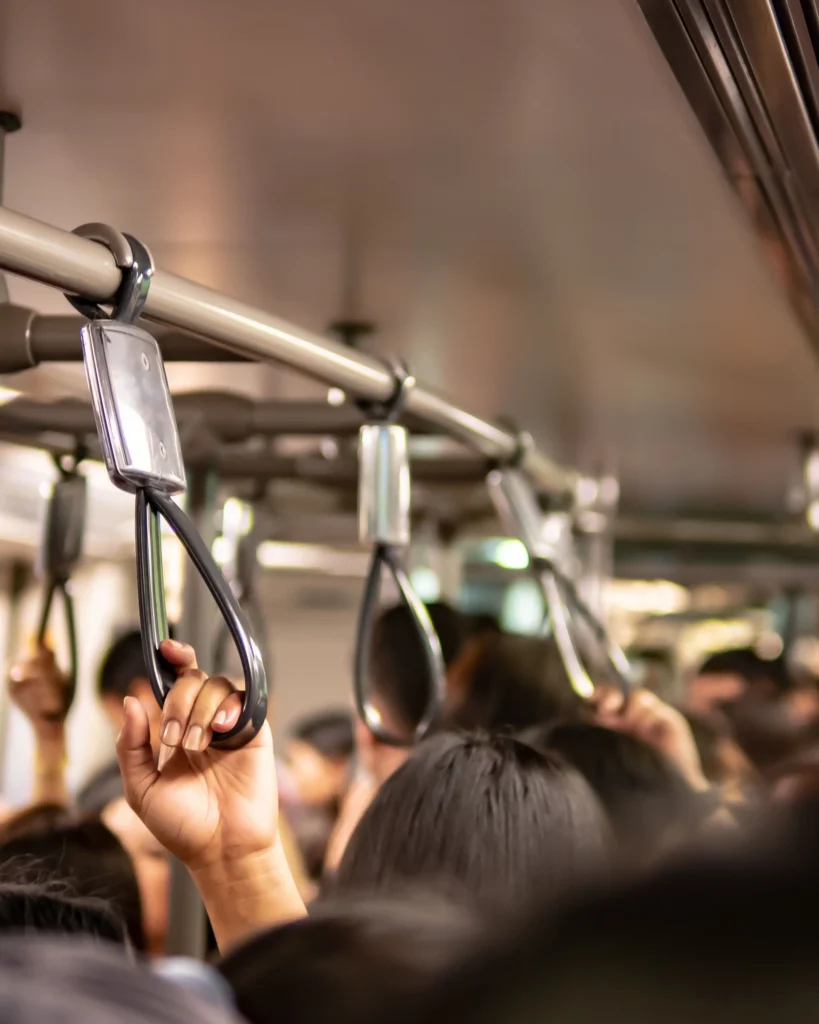
- High passenger density – Trains and platforms are often crowded, with riders standing, holding children, carrying bags, or using mobility devices. A sudden impact or braking event can send multiple people to the floor at once.
- Unrestrained occupants and hard surfaces – Unlike cars, trains typically have no seat belts. Riders can be thrown into seats, poles, bulkheads, windows, or other passengers, multiplying injuries.
- Hazardous boarding and exiting areas – Platform gaps, uneven surfaces, slick flooring, and rushed boarding can turn a minor misstep into a serious fall, especially for older riders or those with disabilities.
- Complex infrastructure – Stations include stairs, escalators, elevators, overhead walkways, tunnels, and parking areas. Poor maintenance or design can cause life-changing injuries before a passenger even steps onto the train.
- Multiple potential defendants – Public authorities, private contractors, security companies, and equipment manufacturers may all share responsibility, making it essential to understand who did what and who failed to act.
Common passenger & commuter rail incidents we handle
Passenger-rail cases are not limited to major derailments. Some of the most frequent (and preventable) events include:
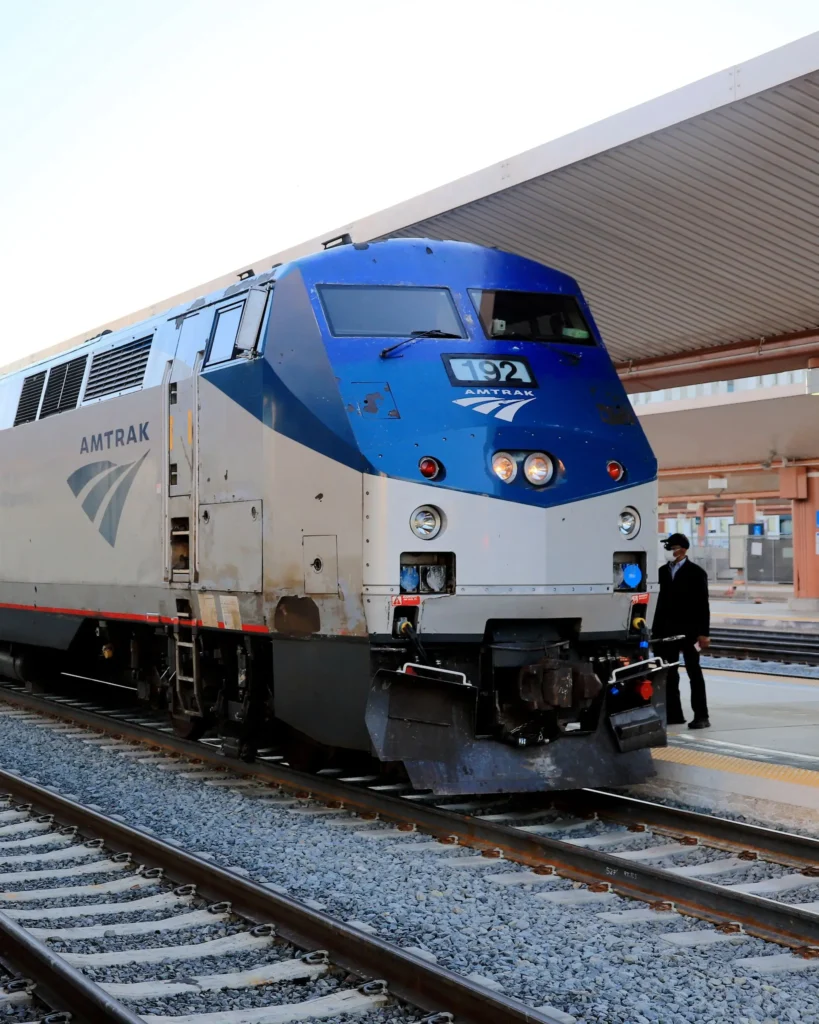
- Train collisions and derailments – Passenger or commuter trains involved in collisions with other trains, vehicles, or obstructions or leaving the track due to speed, track conditions, or signal/PTC issues often causing multi-victim injuries and fatalities.
- Violent sudden stops and emergency braking – Hard braking to avoid a collision or due to operator error, signal issues, or track problems can throw standing and seated passengers into floors, bulkheads, and each other.
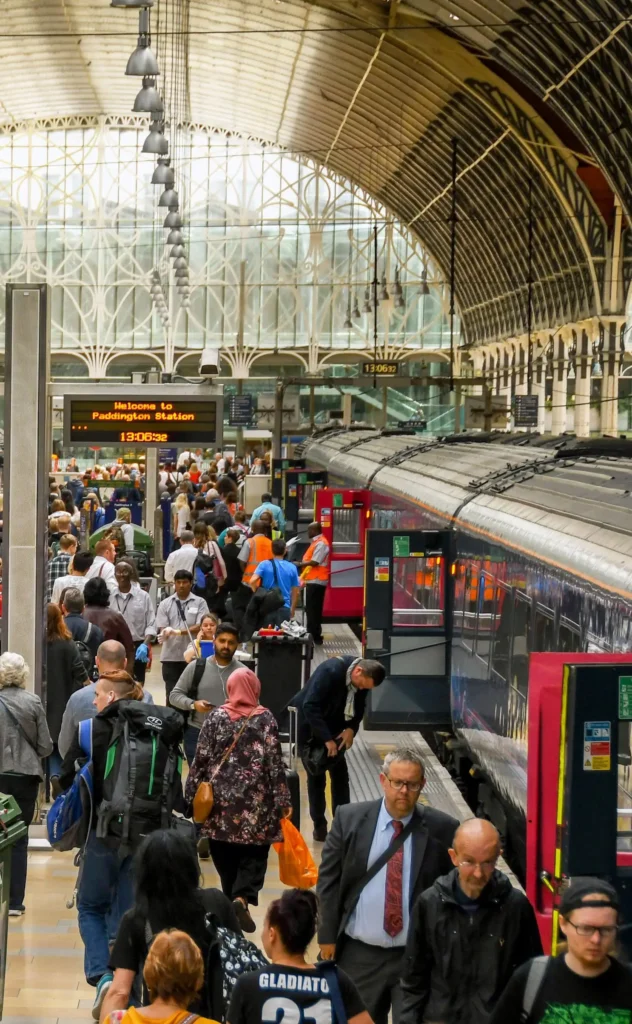
- Boarding, exiting, and platform falls – Incidents involving platform gaps, misaligned trains, slippery or broken surfaces, poor lighting, and hurried door closures, causing serious falls or entrapment.
- Door malfunctions and entrapment – Doors closing on hands, arms, bags, or mobility devices; riders dragged if a train departs with someone caught; doors failing to open or close properly at stations.
- Station, stairway, and escalator injuries – Poorly maintained stairs and handrails, malfunctioning escalators, defective elevators, water leaks, inadequate snow/ice removal, and trip hazards throughout stations and parking facilities.
- Overcrowding, crush, and stampede conditions – Overpacked cars or platforms, poor crowd control during delays or emergencies, and lack of clear communication leading to pushes, falls, and trampling.
- Assaults and inadequate security – Physical assaults, robberies, or harassment on trains or in stations where security was inadequate for known risks or where cameras, lighting, and staffing were not reasonably maintained.
Safety and system failures we investigate
When we take a passenger-rail case, we focus on the decisions and systems behind the incident—not just what happened in the last few seconds. Common failures include:
Operations, speed, and dispatching
- Trains operated too fast for curves, track condition, or platform approaches
- Poor coordination between dispatchers and crews
- Inaccurate or confusing signal indications or route information
Maintenance and inspection
- Track, switches, and signals not inspected or repaired on proper schedules
- Cars and locomotives kept in service despite known defects
- Doors, brakes, and on-board systems repeatedly malfunctioning without meaningful corrective action
Station and platform design & upkeep
- Platforms with known gap, height, or slip hazards
- Poor lighting, signage, and way-finding
- Escalators, elevators, ramps, and stairs in disrepair, with long-standing issues ignored
Training, staffing, and supervision
- Inadequate training for engineers, conductors, assistants, and station staff
- Understaffed trains or stations, making it impossible to monitor doors, platforms, and crowding
- Supervisors pressuring crews to prioritize “on-time performance” over safety
Failure to respond to complaints and prior incidents
- Riders and workers repeatedly reporting hazards, near-misses, and prior injuries
- Internal memos or audits flagging specific stations, lines, or cars as unsafe
- Corrective actions delayed, watered down, or never implemented
Emergency preparedness and communication
- Confusing or absent instructions during an emergency
- Failures to promptly stop trains, open doors, or authorize safe evacuations
- Poor coordination with police, fire, and EMS, leading to delayed care
- Lack of clear announcements, signage, or backup systems when PA or radios fail
Who we may hold accountable
Passenger-rail incidents can involve multiple overlapping entities. Depending on the facts, responsible parties may include:
- Passenger rail operators (e.g., Amtrak, SEPTA, NJ Transit, and other regional systems)
- Host railroads over whose tracks passenger trains operate
- Public transportation authorities and agencies responsible for stations, platforms, and facilities
- Private maintenance and security contractors
- Equipment manufacturers and suppliers for defective doors, brakes, or other components
- Third parties (such as drivers or property owners) whose negligence contributed to the incident
For rail employees, claims typically fall under the Federal Employers’ Liability Act (FELA). For passengers and other injured members of the public, claims may arise under state negligence and wrongful death laws, with unique notice requirements and damage rules depending on the entity involved.
Your rights after a passenger or commuter rail incident
Whether you were a passenger or a rail worker, you have important rights after an incident:
- Get medical care first. Report all symptoms to your providers.
- Document what you can. If possible, note train numbers, locations, times, and witness information; save photos and videos.
- Do not assume it was “just an accident.” Many incidents trace back to preventable safety failures.
- Be careful with forms and statements. Do not sign detailed statements, releases, or settlement agreements from the rail operator or its insurer before speaking with a lawyer.
- Pay attention to deadlines. Claims involving public agencies often have short notice requirements, and FELA and state-law claims have strict filing deadlines.
We walk you through what applies in your specific situation so you’re not caught off guard by technicalities.
Learn More
FELA vs. workers’ comp: the key differences railroad workers can’t afford to miss
If you are hurt working for a railroad, your claim usually is not a standard workers’ compensation case. Most railroad employees fall under the Federal Employers’ Liability Act (FELA), a federal law that works very differently than state workers’ comp.…
Legal Insight: Defining the Ownership of Tracks in Philadelphia – Where Should I look?
This article was created by the Philadelphia Trial Lawyers Association for The Verdict newsletter in conjunction with Cormick McLaughlin of McEldrew Purtell and is intended to provide legal insight into the ownership of railroad tracks in the Philadelphia area. Finding…
$700,000 FELA Settlement
Colin Haviland and Daniel Purtell settled an FELA case for $700,000 on behalf of a client who suffered severe injuries as a result of his Railroad employer failing to supply the proper equipment to complete his job. McEldrew Purtell’s client…

$885,000 FELA Settlement
Attorney John Coyle settled an FELA case for $885,000 for a union railroad worker, John Felder, who suffered serious injuries on the job, while loading railroad ties. Mr. Felder and a coworker were tasked with moving railroad ties onto a…

$1.6 Million Verdict Against SEPTA
McEldrew Purtell attorney, John Coyle, supported by Associate Attorney, Cormick McLaughlin, secures a $1.6 million verdict in the Philadelphia Court of Common Pleas on a no offer case on behalf of SEPTA conductor, Donnell Shuler in an FELA & Railroad case.…
Everything You Should Know About FELA Claims
As a hardworking railroad employee, you enjoy many exciting career opportunities but are also exposed to alarming risks. It’s common to suffer minor scrapes, but railroad workers are also vulnerable to broken bones, concussions, or even severe burns. Given these…