

We hold railroads and contractors accountable for life-altering electrical injuries.
Railroad workers and contractors routinely work around powerful electrical systems: third rail, catenary lines, signal power, substations, overhead and buried utilities, and welding and cutting operations. One mistake in planning, protection, or equipment can send thousands of volts through a person’s body in an instant, causing cardiac arrest, deep burns, brain injury, amputations, and death.
These are not “freak accidents.” They’re often the result of poor coordination between the railroad and utilities, rushed or incomplete lockout/tagout, missing insulating equipment, inadequate training, or pressure to work near live power to keep trains moving. Under the Federal Employers’ Liability Act (FELA), a railroad is responsible when its negligence plays any part in causing an employee’s injury, including electrocution and high-voltage contact events.
McEldrew Purtell represents railroad employees, signal and communications workers, overhead line crews, and construction contractors who’ve suffered electrical injuries on or near the railroad and families who’ve lost loved ones in preventable incidents.r family whole.

How Much Is Your Case Worth?
How electrical hazards show up in railroad work
Electricity on and around the railroad takes many forms. We regularly see injuries involving:
- Overhead catenary systems and third rail – Contact with energized catenary wires, support hardware, or third rail during inspection, maintenance, or construction; arcing to cranes, aerial lifts, hi-rail equipment, or tools that get too close to energized systems.
- Signal, communications, and crossing power – Shock and burns while working in signal bungalows, junction boxes, relay houses, or crossing cabinets; unexpected energization during troubleshooting or when circuits are mis-labeled or mis-isolated.
- Substations and feeder lines – Incidents during switching, racking breakers in and out, or working inside substations and feeder stations where high-voltage equipment should have been de-energized, grounded, and locked out.
- Buried or overhead utility conflicts – Contact with unmarked or mis-marked utilities while digging, driving piles, or excavating; crane or equipment booms contacting overhead lines in or near railroad right-of-way.
- Welding, cutting, and shop power – Electric shock, arc flash, and fire during welding, thermite work, grinding, or cutting when equipment is defective, PPE is inadequate, or workspaces are not made electrically safe.
- Water, weather, and step-potential hazards – Electrocution when energized equipment comes into contact with standing water, soaked ballast, or conductive structures, turning the surrounding area into a live hazard.
Why these incidents happen – common breakdowns
Most high-voltage injuries we investigate trace back to the same handful of failures:
- Poor planning and job briefing – Incomplete or inaccurate information about which circuits are live, where utilities are located, and what clearances are required for equipment and personnel.
- Inadequate lockout/tagout (LOTO) – Circuits not de-energized, isolated, grounded, or verified dead before work begins; reliance on assumptions instead of testing; keys and tags not controlled.
- Hazardous proximity and clearance violations – Cranes, lifts, and hi-rail equipment brought too close to energized lines; workers positioned within minimum approach distances without proper insulation or barriers.
- Bad or missing PPE and tools – Worn or untested gloves, blankets, and line hose; tools not rated for the voltages present; lack of arc-rated clothing, face shields, or grounding equipment.
- Coordination failures with utilities and contractors – Confusion about who controls the system, who is responsible for switching and grounding, and when lines are truly out of service.
- Pressure to keep the railroad running – Supervisors insisting that work proceed with power on or “partially” energized, to avoid service disruptions and delays.
These are management and system problems, not just “worker error.”
Types of injuries in railroad electrocution cases
Electrical incidents are often catastrophic. We see:
Cardiac arrest and internal organ damage
Electric current interfering with heart rhythm, causing cardiac arrest or long-term cardiac issues.
Deep thermal and electrical burns
Burns to hands, arms, face, torso, and legs that require skin grafts, reconstructive surgeries, and long-term wound care.
Amputations and loss of function
Severe tissue destruction that leads to surgical amputations or permanent loss of function in limbs and digits.
Neurological and brain injuries
Memory loss, concentration problems, chronic pain syndromes, and other neurological deficits from current passing through the nervous system.
Vision and hearing loss
Damage from arcs, blasts, and explosions associated with high-voltage faults or arc flashes.
Fatal injuries and wrongful death
Many high-voltage contacts are unsurvivable or leave families facing profound loss and financial uncertainty.
Who may be responsible for a high-voltage incident
Electrical injuries often involve multiple companies and decision-makers. Depending on the facts, liability may fall on:
- The railroad employer – For failing to provide a reasonably safe place to work; not enforcing lockout/tagout; inadequate job briefings; unsafe clearances; lack of training; and using defective or inadequate PPE and tools all potential negligence under FELA.
- Signal, power, and utility contractors – Third-party companies responsible for designing, installing, or maintaining electrical systems; performing switching and grounding; or marking utility locations.
- Equipment and PPE manufacturers – Makers of insulated tools, gloves, lifts, cranes, and electrical components that fail under normal, expected use.
- Property and industrial facility owners – Facilities with their own power systems, overhead lines, or buried utilities that create hidden or unmarked electrical hazards for railroad or construction crews.
- Engineering and design professionals – Entities that design projects with insufficient clearance, flawed protection schemes, or unsafe utility layouts.
Our approach is to identify every entity that contributed to the conditions and decisions that made the electrical contact possible.der state negligence and wrongful death laws, with unique notice requirements and damage rules depending on the entity involved.
Your rights after a railroad electrical injury
If you’re a railroad employee shocked or burned on the job, you should know:
- You are not limited to workers’ compensation. Under FELA, you may bring a claim directly against the railroad if its negligence played any role in the incident including failures in planning, training, equipment, or enforcement of electrical safety rules.
- You choose your medical providers. You do not have to rely solely on railroad-selected doctors or clinics.
- You do not have to give a detailed written or recorded statement before speaking to an attorney. Internal investigations and claim-agent interviews often downplay hazards or focus on blaming the injured worker.
- You can report electrical hazards and injuries without lawful retaliation. Punishing employees for reporting safety issues or seeking medical care can itself violate federal law.
If you’re a contractor, utility worker, or member of the public injured in connection with railroad electrical systems, you may have claims for negligence, premises liability, and product liability against the railroad and other parties involved.ou’re not caught off guard by technicalities.
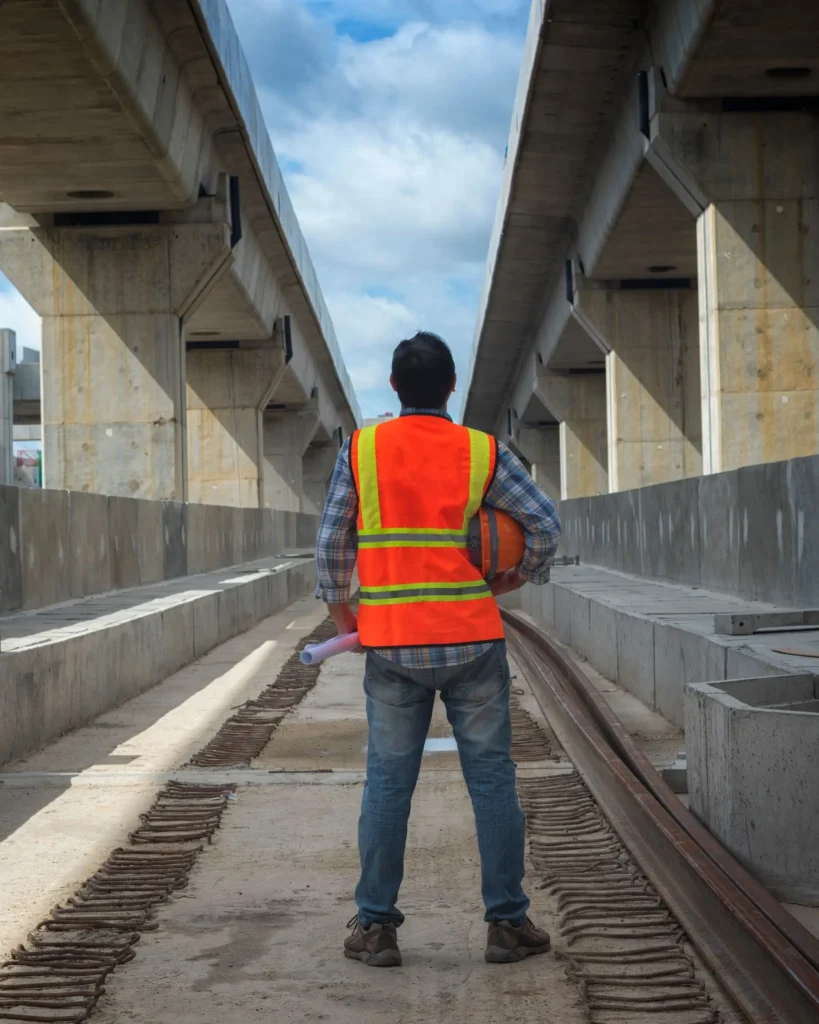

How McEldrew Purtell builds electrocution & high-voltage contact cases
Electrical cases are technical and evidence-intensive. When we take on one of these matters, we:
- Act fast to preserve critical evidence – Including switching and grounding logs, lockout/tagout documentation, job briefings, drawings and one-line diagrams, signal and power records, maintenance logs, training materials, and incident reports.
- Analyze who controlled the system and the work – We untangle the roles of the railroad, utilities, contractors, and engineers to understand who had authority over de-energizing, grounding, clearances, and work methods.
- Work with electrical and safety experts – To reconstruct how the current path occurred, whether proper de-energization and verification steps were taken, and how industry standards and internal rules were violated.
- Document the full impact of the injury – Coordinating with burn specialists, neurologists, rehabilitation experts, and life-care planners to understand future medical needs, limitations, and the effect on your ability to work and live independently.
- Pursue every available claim and source of recovery – Including FELA claims against the railroad and additional negligence and product-liability claims against utilities, contractors, and manufacturers where appropriate.
Our goal is to secure compensation that reflects not only immediate medical bills and lost wages, but also surgeries and care you will need years from now, modifications to your home and vehicle, lost earning capacity, pain and suffering, and, in fatal cases, your family’s long-term financial and emotional loss.ery entity that contributed to the conditions and decisions that made the electrical contact possible.der state negligence and wrongful death laws, with unique notice requirements and damage rules depending on the entity involved.
What to do after an electrical incident
If you or a family member has been shocked, burned, or killed in an electrical event connected to railroad work:
- Focus on emergency and follow-up care. Electrical injuries can have delayed internal effects make sure you’re fully evaluated.
- Avoid signing broad releases or detailed statements for claim agents. Provide only what’s necessary for immediate reporting until you understand your rights.
- Write down everything you remember. Who controlled the power, what you were told in the job briefing, what PPE and testing equipment were provided, and whether there were prior problems at that location.
- Reach out to experienced FELA and railroad-injury counsel. Electrical and high-voltage cases demand knowledge of both railroad operations and electrical safety standards.
If a high-voltage contact or electrocution on or near the railroad has changed your life, you should not have to stand alone against the railroad, utilities, and contractors involved. McEldrew Purtell is prepared to investigate what really happened, identify everyone responsible, and fight for the accountability and financial recovery you and your family deserve.

Learn More
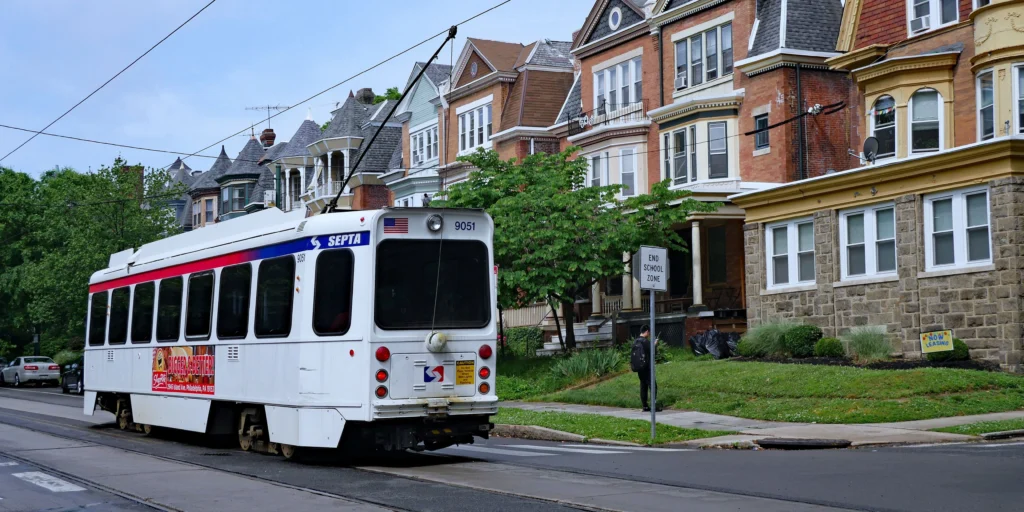
Legal Insight: Defining the Ownership of Tracks in Philadelphia – Where Should I look?
This article was created by the Philadelphia Trial Lawyers Association for The Verdict newsletter in conjunction with Cormick McLaughlin of McEldrew Purtell and is intended to provide legal insight into the ownership of railroad tracks in the Philadelphia area. Finding…
$700,000 FELA Settlement
Colin Haviland and Daniel Purtell settled an FELA case for $700,000 on behalf of a client who suffered severe injuries as a result of his Railroad employer failing to supply the proper equipment to complete his job. McEldrew Purtell’s client…

$885,000 FELA Settlement
Attorney John Coyle settled an FELA case for $885,000 for a union railroad worker, John Felder, who suffered serious injuries on the job, while loading railroad ties. Mr. Felder and a coworker were tasked with moving railroad ties onto a…

$1.6 Million Verdict Against SEPTA
McEldrew Purtell attorney, John Coyle, supported by Associate Attorney, Cormick McLaughlin, secures a $1.6 million verdict in the Philadelphia Court of Common Pleas on a no offer case on behalf of SEPTA conductor, Donnell Shuler in an FELA & Railroad case.…
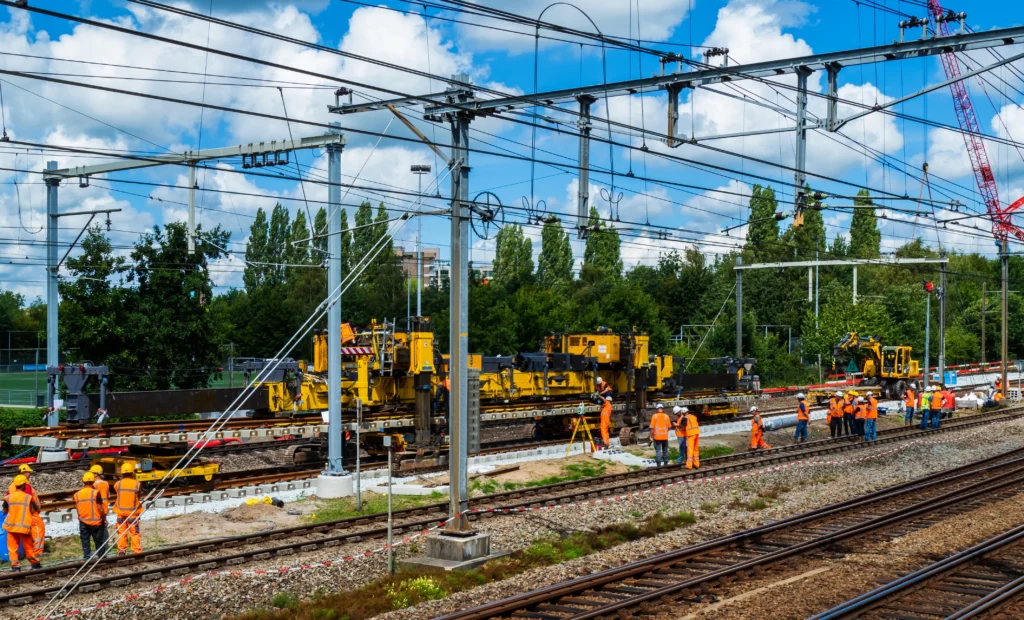
Everything You Should Know About FELA Claims
As a hardworking railroad employee, you enjoy many exciting career opportunities but are also exposed to alarming risks. It’s common to suffer minor scrapes, but railroad workers are also vulnerable to broken bones, concussions, or even severe burns. Given these…

Elements of a Train Accident Lawsuit
Train accidents can lead to devastating injuries. This catastrophic harm can lead to high medical bills, financial struggles, and severe pain. These accidents are often the result of negligence. You could be owed substantial compensation for your injuries if that…