
From Door Malfunctions to Platform Gaps, We Stand Up for Injured Riders and Railroad Workers
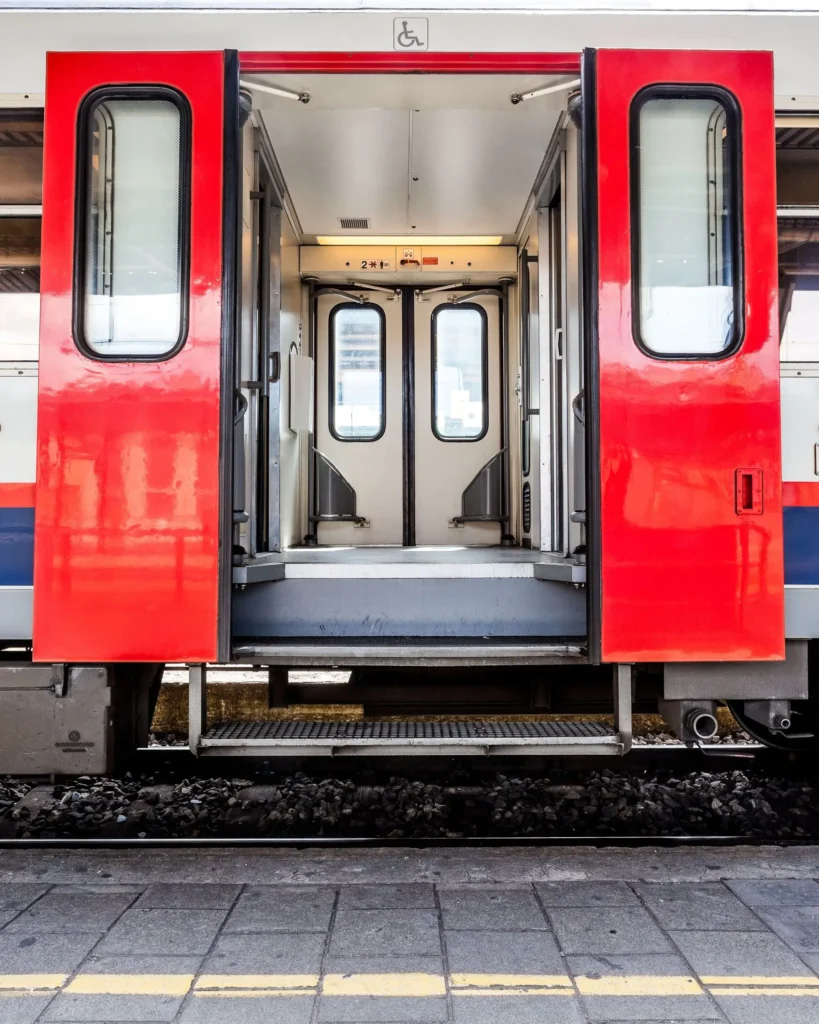
The most “routine” part of any train trip, stepping on or off, is one of the most dangerous. The interface between train, doors, and platform is a known high-risk zone for both passengers and railroad workers. Research and industry standards recognize that platform gaps, door design, and station layout have a major impact on boarding/alighting injury rates.
When doors close too quickly or without proper sensing, when the gap is too wide or poorly marked, or when passengers are rushed to board or exit moving trains, the result can be crushing injuries, falls into the gap, being dragged along a platform, or being pulled under a train.
Railroads and transit agencies know these risks. There are published standards and guidance for managing platform-train interface danger and limiting gap size for safety and accessibility. When they ignore those standards or fail to enforce basic safety rules, people get hurt. Our job is to find out why it happened and hold every responsible party accountable.

How Much Is Your Case Worth?
Who we represent
We handle door, gap, and boarding/alighting cases for:
- Railroad employees – engineers, conductors, trainmen, and onboard staff injured while boarding or alighting trains, operating doors, assisting passengers, or working near the edge.
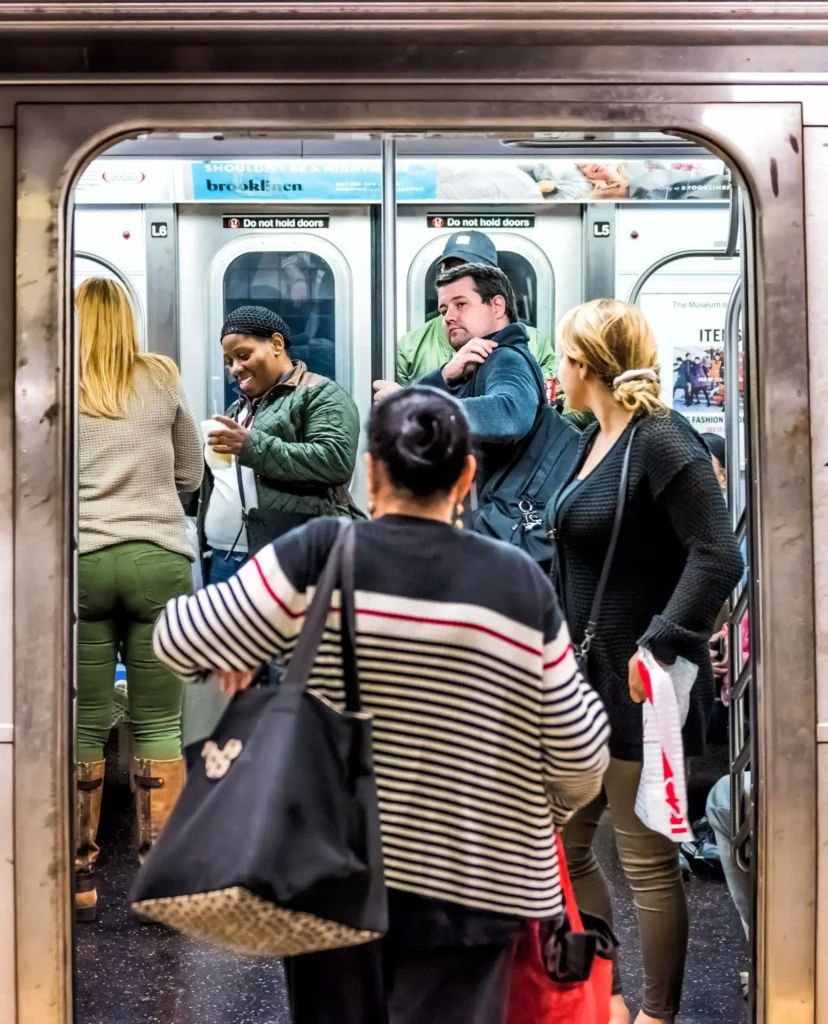
- Commuter and intercity passengers – hurt while getting on or off trains, stepping into gaps, being caught in doors, or being dragged along platforms.
- Transit riders and visitors – including children, elderly riders, and people with disabilities who face additional risk from poorly controlled gaps and door systems.
- Families – pursuing wrongful death claims when a boarding/alighting event becomes fatal.
Whether you were reporting for duty, commuting to work, or traveling with your family, we start from the same premise: the platform-train interface should have been engineered and operated to prevent exactly this kind of harm.
How door, gap & boarding/alighting incidents happen
These injuries rarely come out of nowhere. Common breakdowns include:
- Excessive gaps between train and platform – Horizontal or vertical gaps big enough for a foot, leg, mobility device, or child to slip through; curves that widen the gap; misaligned equipment; and lack of gap-filling solutions or bridge plates.
- Defective or poorly timed doors – Doors that close too fast, close without proper sensing, fail to re-open when obstructed, or open on the wrong side; remote door control procedures not followed; inadequate warnings.
- Boarding or alighting moving trains – Crews and passengers pressured by tight schedules; doors opened while trains are still creeping; people urged to “hurry” on or off instead of being told to wait for the next train.
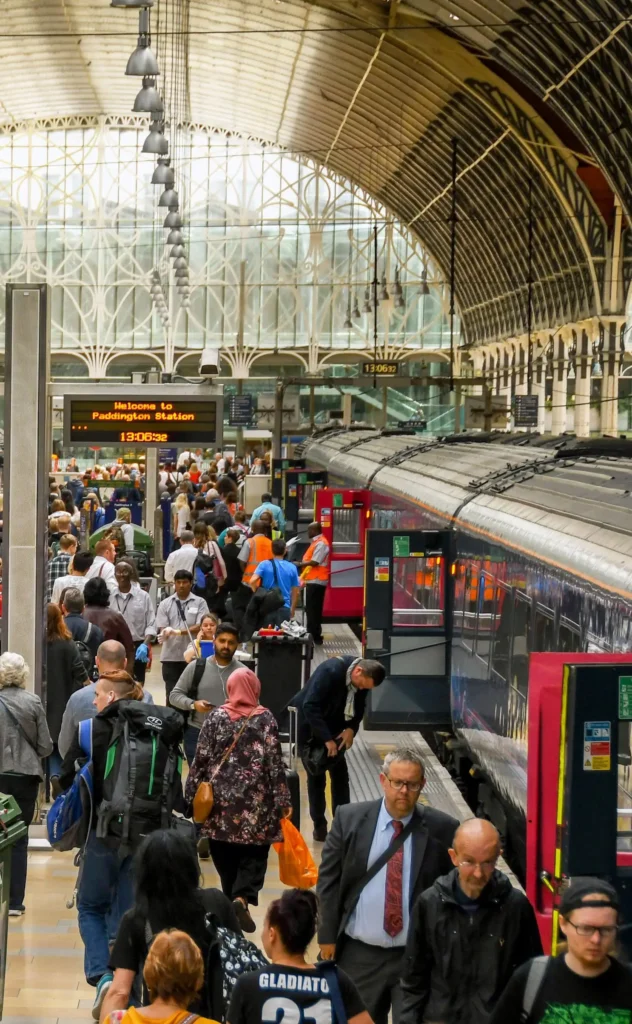
- Crowding and poor platform management – Overcrowded platforms where passengers are pushed toward the edge or jostled into gaps; no clear markings for safe waiting zones or boarding lines.
- Accessibility failures – Lack of ramps, bridge plates, or assistance for wheelchair users and people with mobility challenges; equipment that is available on paper but not used in practice.
- Bad lighting, signage & announcements – Dark platforms, unclear markings, and confusing or missing announcements that make it harder to judge distance, see gaps, or understand which doors will open.
For workers, add another layer: being required to step between cars, cross gaps, or use unsafe portable steps in the course of their duties, often in all weather, at night, and while handling baggage or equipment.
Common door, gap & boarding/alighting cases we see
Falls into the gap or onto the tracks
Passengers or employees step into a gap that is too wide, misjudge the distance in poor lighting, or are jostled sideways while boarding or exiting. Injuries range from fractures and crush injuries to catastrophic trauma when someone falls under a moving train.
Door-closure and dragging incidents
Doors close on a person’s arm, bag, coat, or mobility device and fail to release, trapping them as the train departs and dragging them along the platform. Industry regulators have documented the risk of such events at the platform-train interface and the need for systems to prevent them.
Boarding or jumping from moving trains
Riders or workers are effectively encouraged by practice or schedule pressure to board or jump off moving cars, leading to slips, falls, and run overs. Accident data around the world confirm the extreme danger of boarding or alighting from a moving train.
Mis-spotted trains and misaligned doors
Trains stop short or too far past the normal mark, leaving doors opposite platform obstructions, uneven surfaces, or areas not meant for boarding, without adequate warning or staff intervention.
Unsafe portable steps and temporary arrangements
Improvised or poorly maintained steps, ramps, or platforms used during construction or at low-level platforms fail, slip, or are placed on unstable ground.
Employee injuries while assisting passengers
Crew members hurt while helping passengers with mobility devices, lifting luggage, or bridging gaps when the railroad hasn’t provided the right equipment, staffing, or procedures.
How liability works: workers vs. passengers
Railroad workers (FELA)
If you were injured on duty, FELA (the Federal Employers’ Liability Act) is your main protection. FELA allows railroad employees to sue their employer for negligence when the railroad fails to provide a reasonably safe workplace, including safe cars, doors, platforms, gaps, and procedures for boarding and alighting.
You don’t have to prove gross misconduct. If the railroad’s negligence played any part, even a small one, in causing your injury, it can be held liable.
Passengers and other riders
Passengers and other riders generally bring claims under state negligence and premises liability law. Railroads and transit agencies owe a heightened duty of care to those they carry particularly when designing and operating platforms, gaps, and doors they know will be used by children, elderly passengers, and people with disabilities.
Contractors and vendors
Depending on who controlled the train and station environment, responsibility may be shared between a host railroad, a commuter agency, station owners, and the contractor’s own employer.
Who may be responsible
Door, gap, and boarding/alighting cases often involve multiple entities, including:
- Freight railroads, Amtrak, and commuter/transit agencies that operate trains and control platform-train interface policies.
- Station, terminal, and property owners responsible for platform design, lighting, signage, and maintenance.
- Maintenance and operations contractors handling door systems, platform surfaces, snow/ice removal, and station staffing.
- Equipment manufacturers of door systems, sensors, control software, gap fillers, portable steps, or ramps when defective design or manufacture plays a role.
- Security or crowd-management providers when crowding, pushing, or poorly controlled queues contribute to an incident.
We work to identify every party that contributed to the unsafe condition or procedure, so your recovery isn’t limited to a single defendant.


Your rights after a door, gap, or boarding/alighting injury
No matter your role, some core principles apply:
- Get medical care and report the incident. Seek prompt evaluation, especially for head, spine, or crush injuries. Report the incident, but you don’t have to accept blame-shifting language.
- Be careful with written or recorded statements. Claim agents often try to suggest you “weren’t paying attention” or “should have waited for the next train” before the facts are fully known.
- Preserve what you can. If possible, take photos of the gap, platform, door, and any warning signs (or lack of them). Get names and contact details for witnesses.
- Understand that strict time limits apply. FELA and state-law claims have deadlines; waiting too long can bar your claim.
For workers, FELA can provide compensation not only for medical bills and lost wages, but also for pain and suffering and reduced earning capacity far broader than ordinary workers’ compensation.
Learn More
FELA vs. workers’ comp: the key differences railroad workers can’t afford to miss
If you are hurt working for a railroad, your claim usually is not a standard workers’ compensation case. Most railroad employees fall under the Federal Employers’ Liability Act (FELA), a federal law that works very differently than state workers’ comp.…
Legal Insight: Defining the Ownership of Tracks in Philadelphia – Where Should I look?
This article was created by the Philadelphia Trial Lawyers Association for The Verdict newsletter in conjunction with Cormick McLaughlin of McEldrew Purtell and is intended to provide legal insight into the ownership of railroad tracks in the Philadelphia area. Finding…
$700,000 FELA Settlement
Colin Haviland and Daniel Purtell settled an FELA case for $700,000 on behalf of a client who suffered severe injuries as a result of his Railroad employer failing to supply the proper equipment to complete his job. McEldrew Purtell’s client…

$885,000 FELA Settlement
Attorney John Coyle settled an FELA case for $885,000 for a union railroad worker, John Felder, who suffered serious injuries on the job, while loading railroad ties. Mr. Felder and a coworker were tasked with moving railroad ties onto a…

$1.6 Million Verdict Against SEPTA
McEldrew Purtell attorney, John Coyle, supported by Associate Attorney, Cormick McLaughlin, secures a $1.6 million verdict in the Philadelphia Court of Common Pleas on a no offer case on behalf of SEPTA conductor, Donnell Shuler in an FELA & Railroad case.…
Everything You Should Know About FELA Claims
As a hardworking railroad employee, you enjoy many exciting career opportunities but are also exposed to alarming risks. It’s common to suffer minor scrapes, but railroad workers are also vulnerable to broken bones, concussions, or even severe burns. Given these…