

When Everyday Air and Water Become Dangerous
Volatile Organic Compounds (VOCs) and industrial solvents such as trichloroethylene (TCE) and perchloroethylene (PCE) were widely used for decades in manufacturing, aerospace, metal degreasing, and dry cleaning. Whoever
These chemicals do not stay contained. They migrate through soil, seep into groundwater, and rise as toxic vapors into homes, schools, and workplaces, exposing families and workers without warning, often for years. By the time the danger is discovered, the damage may already be irreversible.
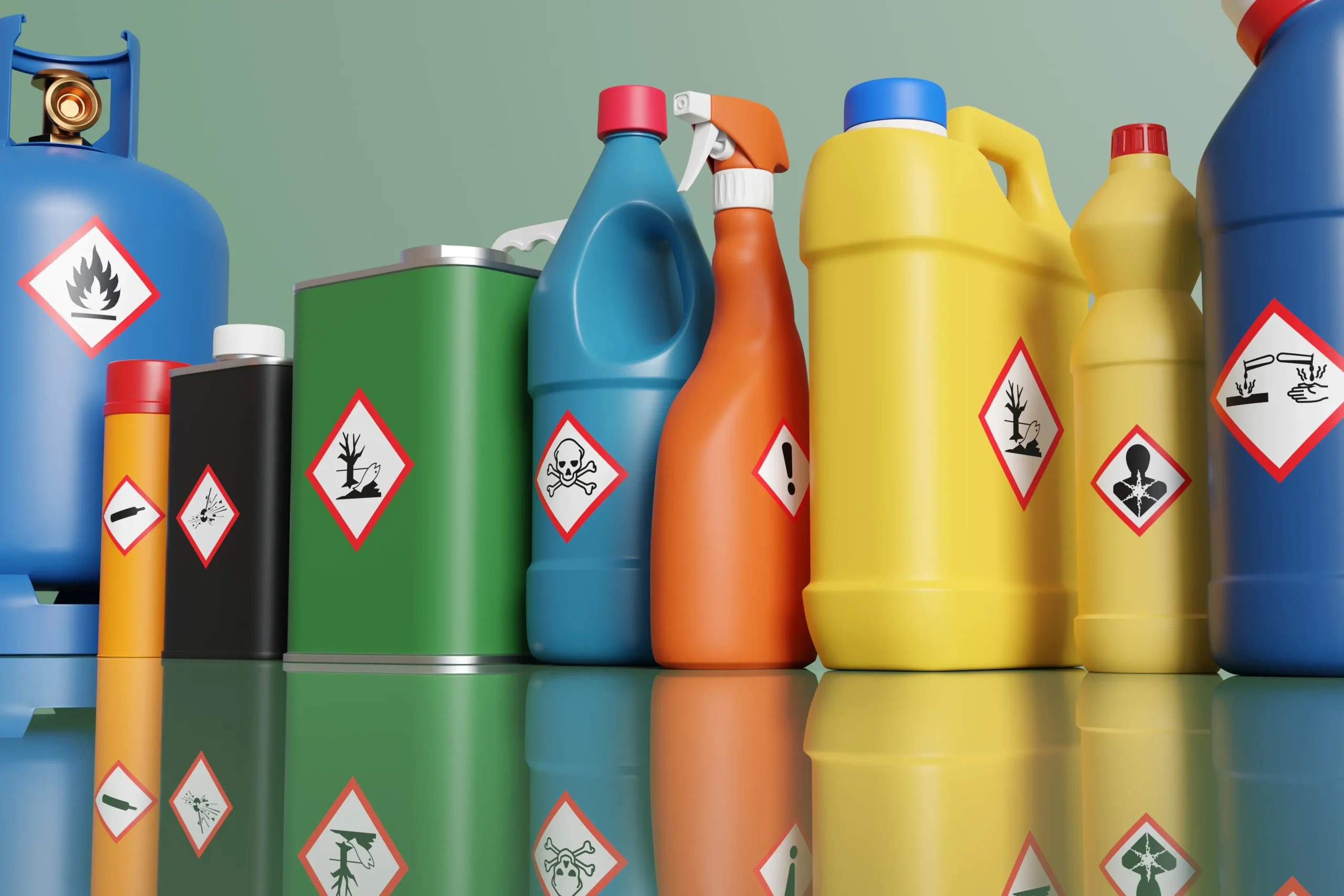

How Much Is Your Case Worth?
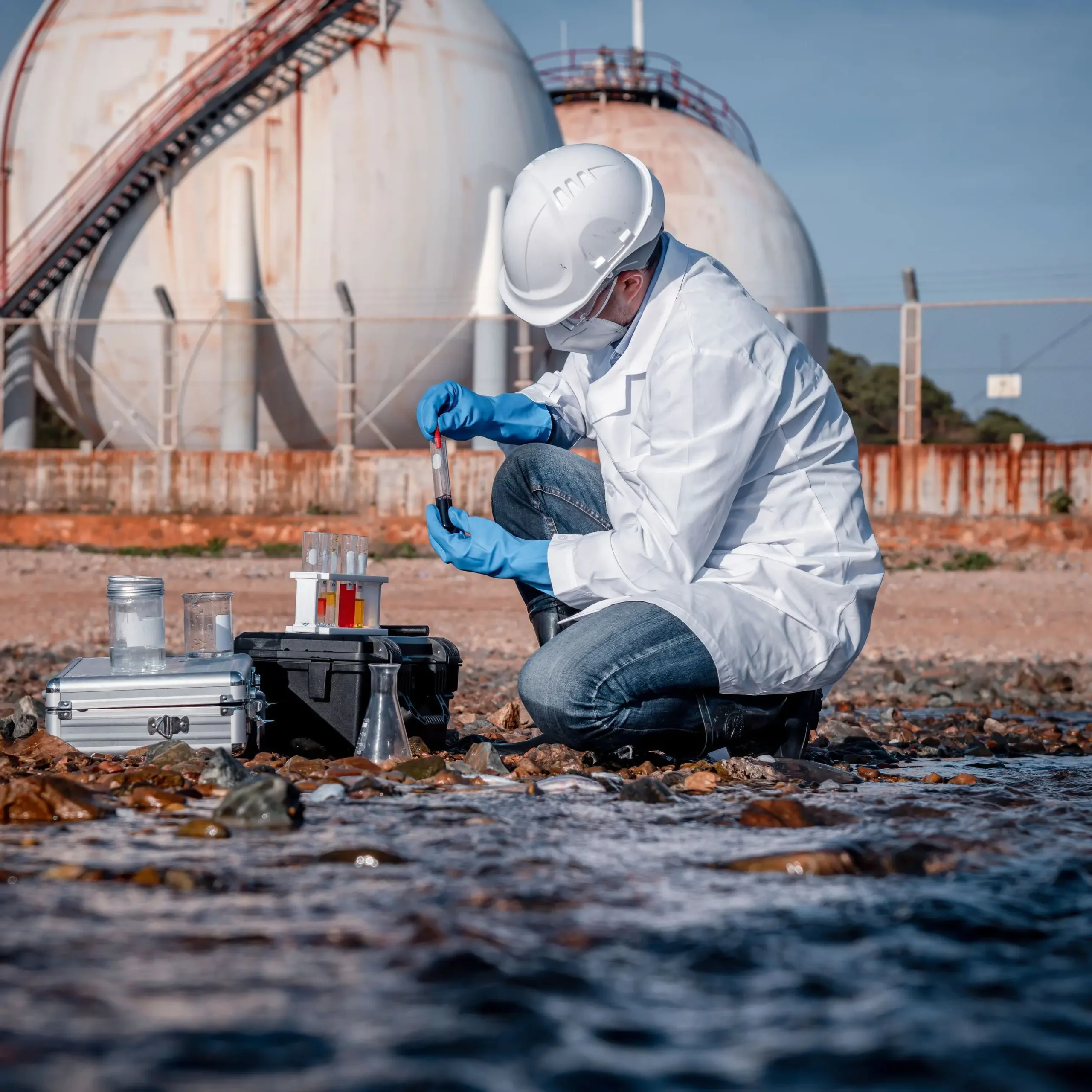
Exposure That Doesn’t Announce Itself
Unlike industrial accidents or spills that draw immediate attention, solvent exposure often unfolds quietly:
- Drinking water slowly contaminated by subsurface plumes
- Toxic vapors entering buildings through foundations and crawl spaces
- Workers breathing solvent fumes daily without adequate protection
- Communities living above legacy contamination from closed or abandoned facilities
For many victims, there is no single moment of exposure, only a devastating diagnosis years later.
Catastrophic Injuries Linked to Solvent Exposure
Scientific and medical evidence has linked TCE, PCE, and similar solvents to severe and life-altering conditions, including:
- Aggressive cancers
- Liver and kidney disease
- Neurological damage and cognitive impairment
- Immune system disorders
- Birth defects and developmental injuries
- Fatal illnesses resulting in wrongful death
These cases are not theoretical. They involve real families facing permanent loss, overwhelming medical costs, and futures forever changed by preventable contamination.

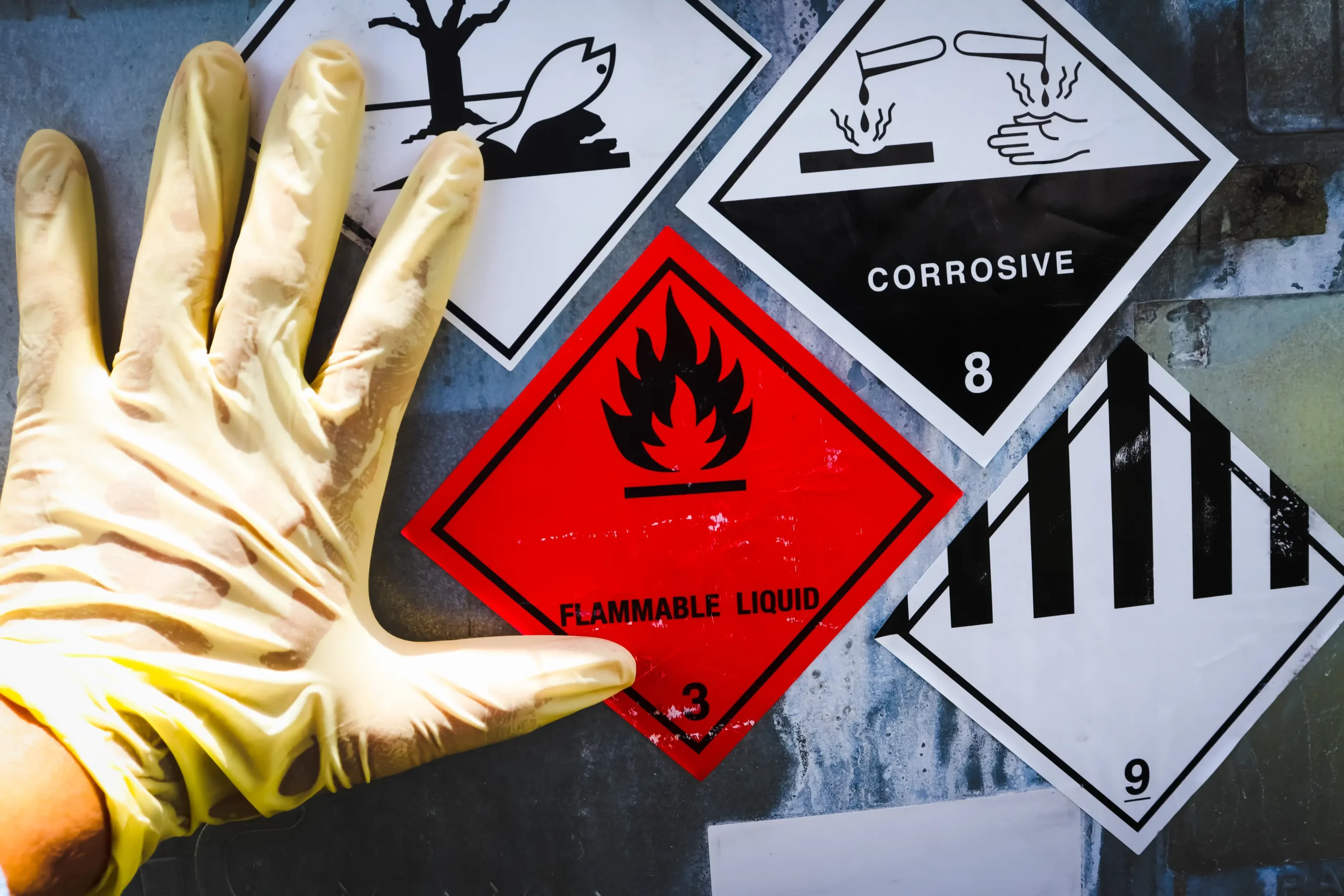
Vapor Intrusion: Toxic Air Inside Supposedly Safe Spaces
One of the most dangerous aspects of solvent contamination is vapor intrusion, the process by which chemicals evaporate from contaminated soil or groundwater and enter buildings as invisible gas.
This means exposure can occur:
- In homes and apartments
- In schools and daycare centers
- In offices and industrial buildings
Even properties far from the original release site can be affected. Families may unknowingly breathe contaminated air every day, believing their environment is safe.
How We Handle VOC & Solvent Exposure Claims
Toxic solvent cases are complex. They require technical investigation, scientific understanding, and a willingness to challenge powerful defendants.
McEldrew Purtell approaches these matters as serious toxic tort litigation, not surface-level injury claims. Our work is focused on:
- Tracing contamination pathways
- Establishing long-term exposure and causation
- Documenting catastrophic injury and wrongful death damages
- Holding responsible parties financially accountable
We understand that for many families, justice is not abstract. It is about answers, acknowledgment, and the resources needed to survive what should never have happened.


When Exposure Leads to Catastrophic Harm, Silence Is Not an Option
If industrial solvents have contaminated your air, water, or workplace, and that exposure has resulted in serious illness or death, accountability matters. These cases exist because harm was preventable.
Contact us today for a free consultation.
Learn More
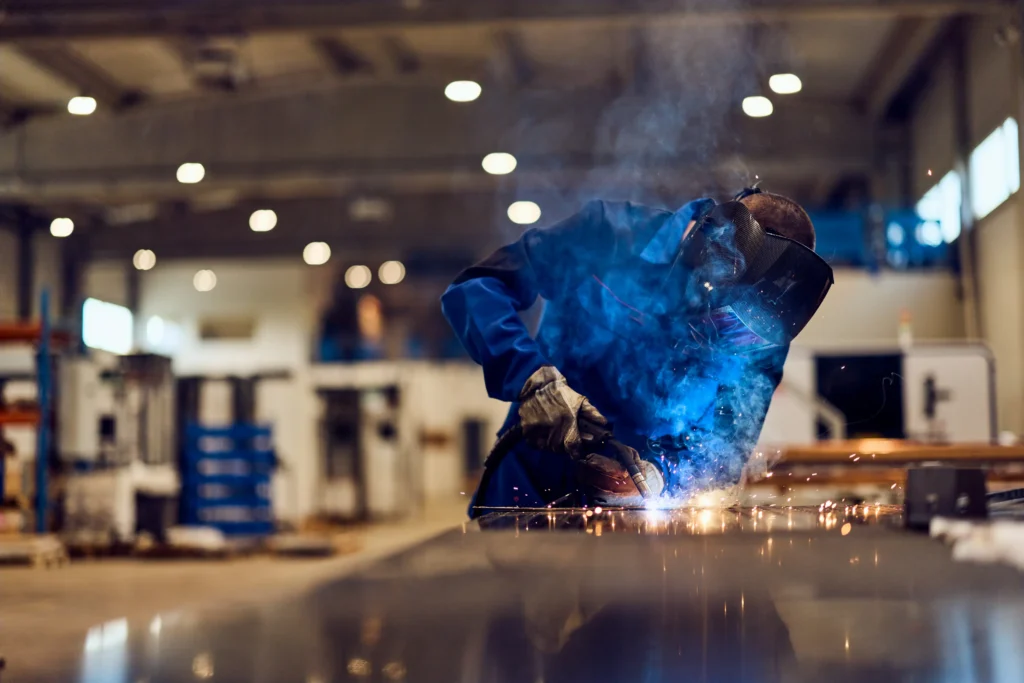
Welding Fumes & Hexavalent Chromium: What trades should know about chronic lung and cancer risk
Welding fumes are not just an irritant. Depending on the process and materials, welding can generate a complex mixture of airborne metals and gases that may contribute to long-term lung disease and elevated cancer risk. One of the biggest red…
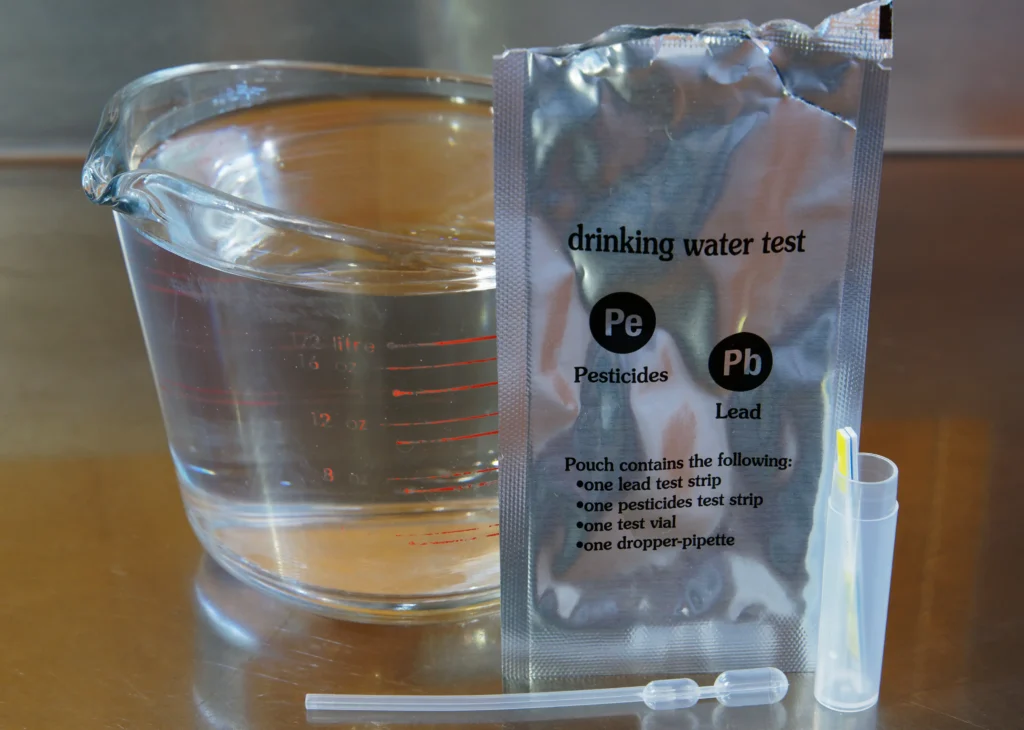
Lead Exposure Beyond Paint: School drinking water, construction dust, and hidden sources
When most people think about lead exposure, they think about peeling paint in older homes. That risk is real, but it is not the whole story. Children and adults can also be exposed through school drinking water, renovation and construction…

Solvent Exposure (TCE/PCE): Auto shops, degreasers, and long-term neurological harm
Walk into many auto shops and you will find the same lineup: brake cleaner, parts-washing tanks, degreasers, and “heavy duty” solvents used to cut through grime fast. Some of those products have historically contained chlorinated solvents like trichloroethylene (TCE) and…

PFAS “Forever Chemicals” in Drinking Water: What Families Should Know Before They Accept a Settlement or Filter Reimbursement
PFAS are a large group of manufactured chemicals often called “forever chemicals” because they can persist in the environment for a long time. In many communities, PFAS have been detected in public drinking water, leading to new federal standards, state…
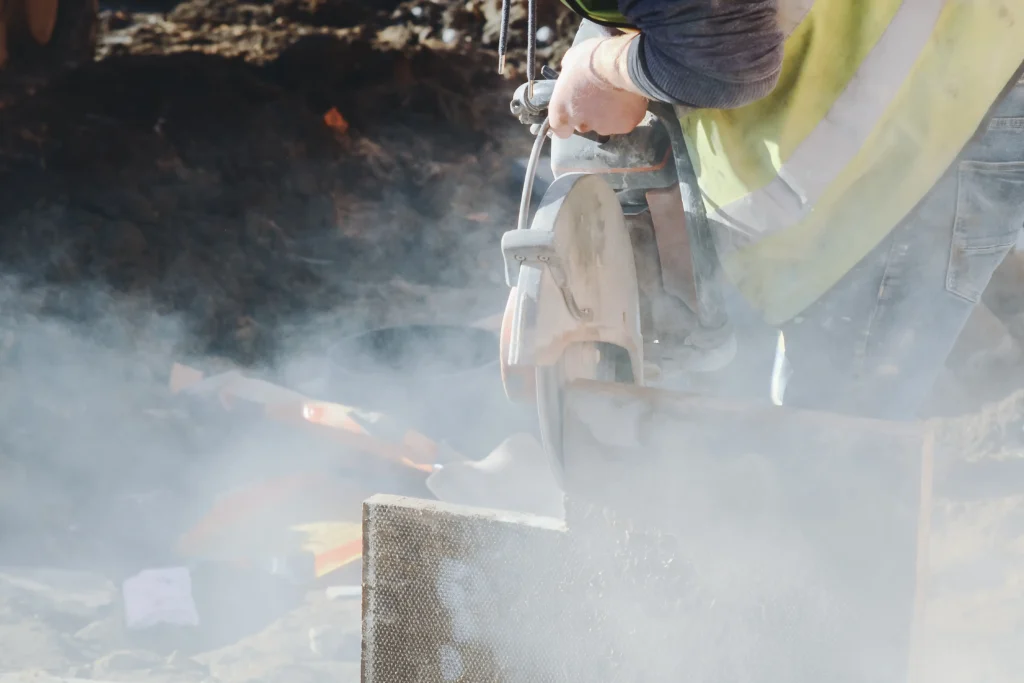
Silicosis and the Legal Cases Making Headlines (2024–2026)
Silicosis is a serious, incurable lung disease caused by breathing in respirable crystalline silica, microscopic dust released when cutting, grinding, drilling, or polishing materials like stone, concrete, and sand. What’s driving the current wave of concern (and litigation) is a…
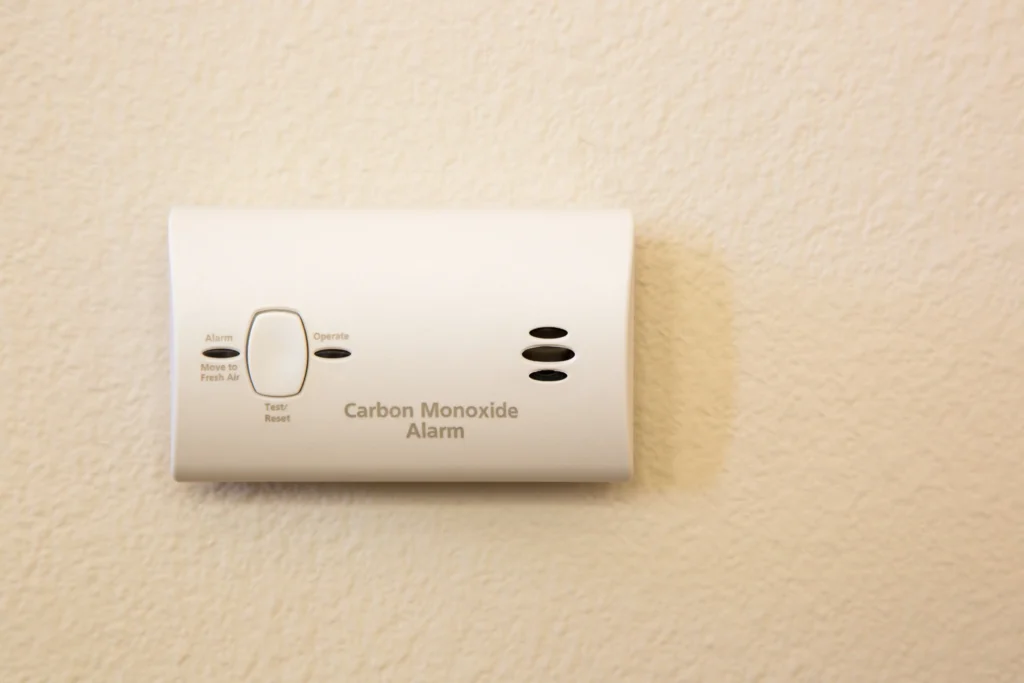
Carbon Monoxide Poisoning Lawsuits: When the “Silent Killer” Is Caused by Negligence
Carbon monoxide (CO) is called the “silent killer” for a reason. It’s colorless, odorless, and tasteless and it can cause life-altering brain damage or death before anyone realizes there’s a problem. According to federal data, hundreds of people in the…