

When Toxic Exposure Becomes a Community Crisis
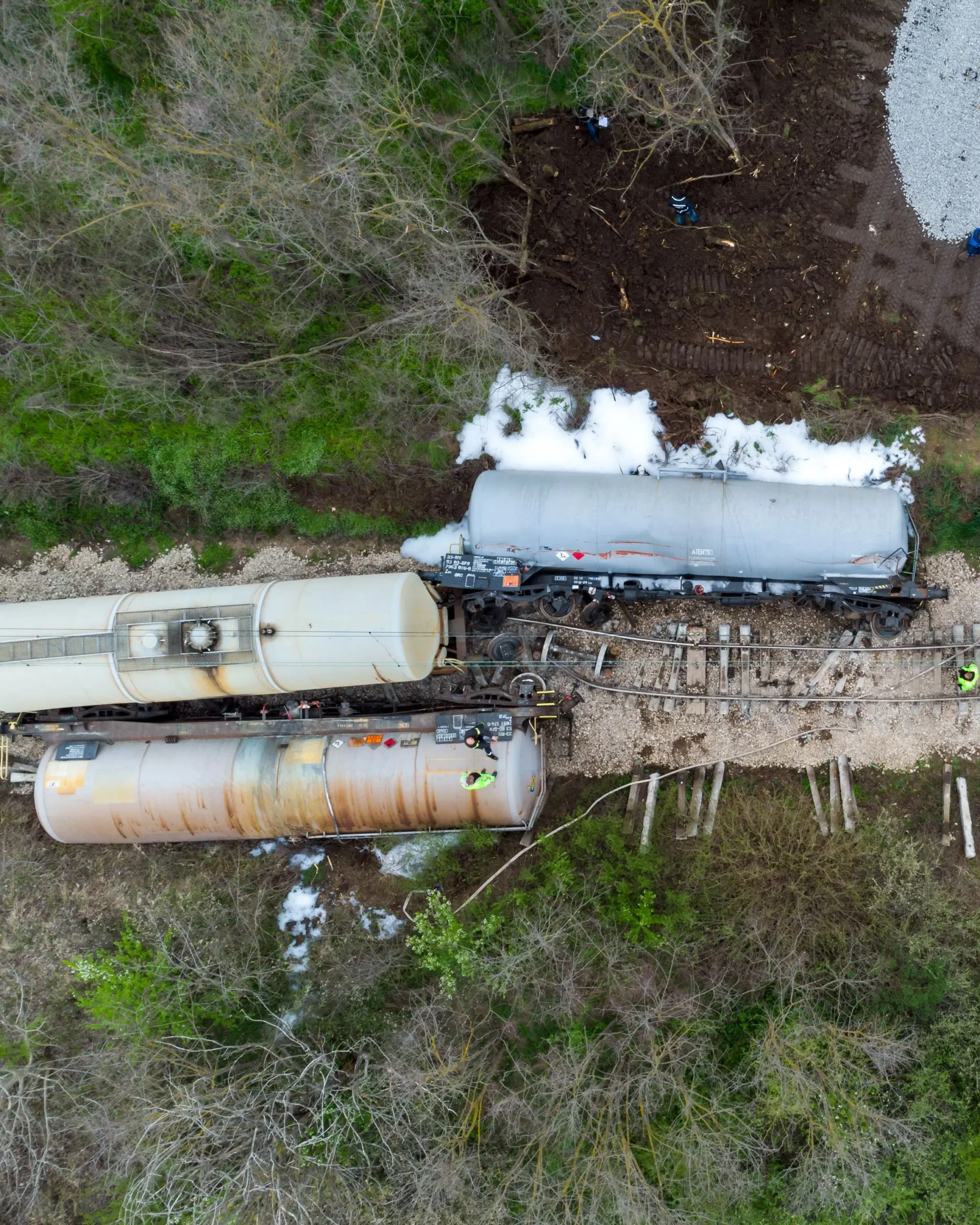
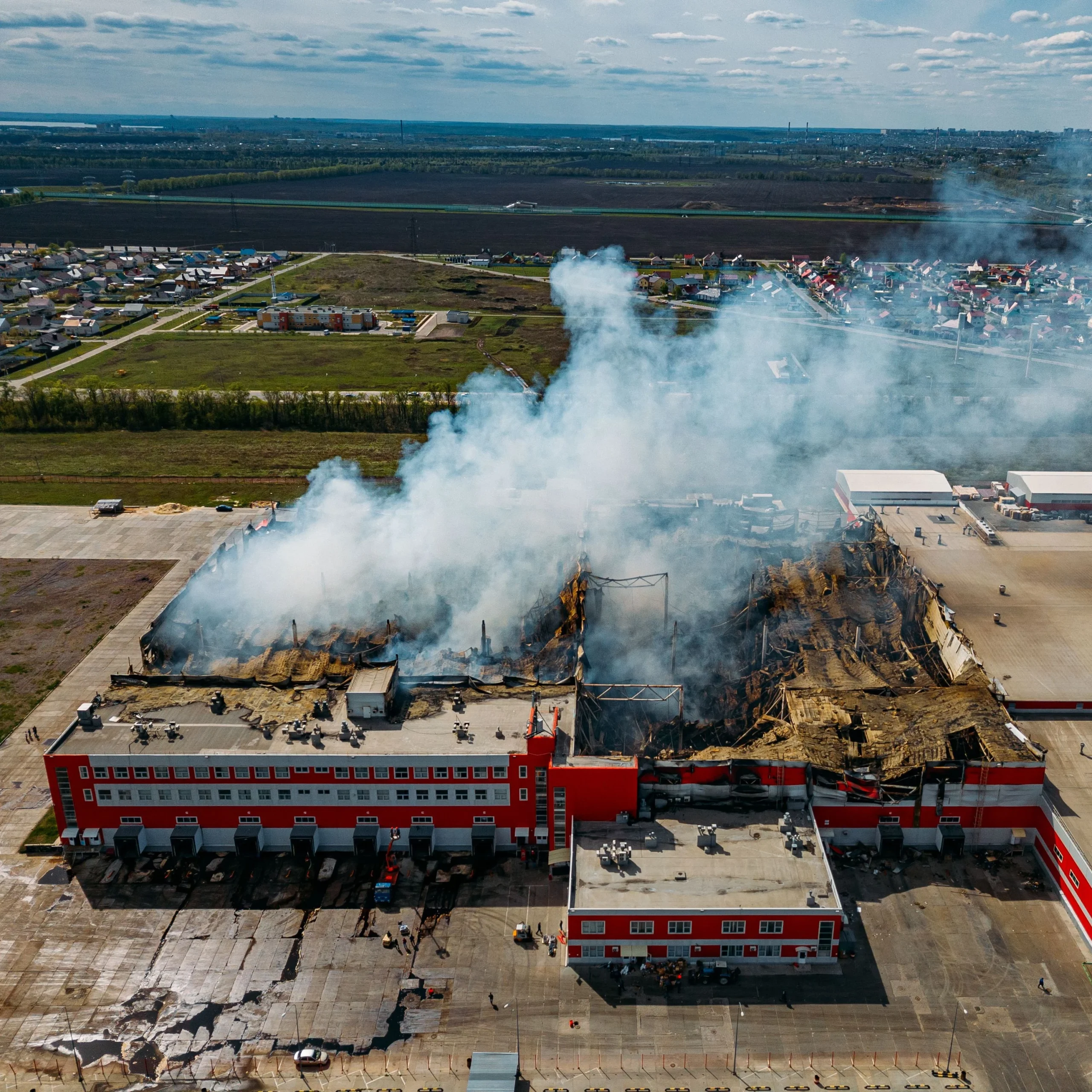
Rail derailments, industrial plant failures, pipeline leaks, and chemical fires can release massive quantities of toxic substances into neighborhoods, waterways, schools, and workplaces. When these releases occur, the exposure is rarely limited it spreads through air, soil, and water, affecting entire communities at once.
For those exposed, the consequences can be immediate and devastating, or delayed and just as deadly. Catastrophic injuries, life-altering illnesses, and wrongful death are not rare outcomes they are known risks when hazardous materials are mishandled, transported recklessly, or allowed to escape containment.
These cases are not accidents without cause. They are toxic torts and they demand accountability.

How Much Is Your Case Worth?
How Rail & Industrial Releases Harm Communities
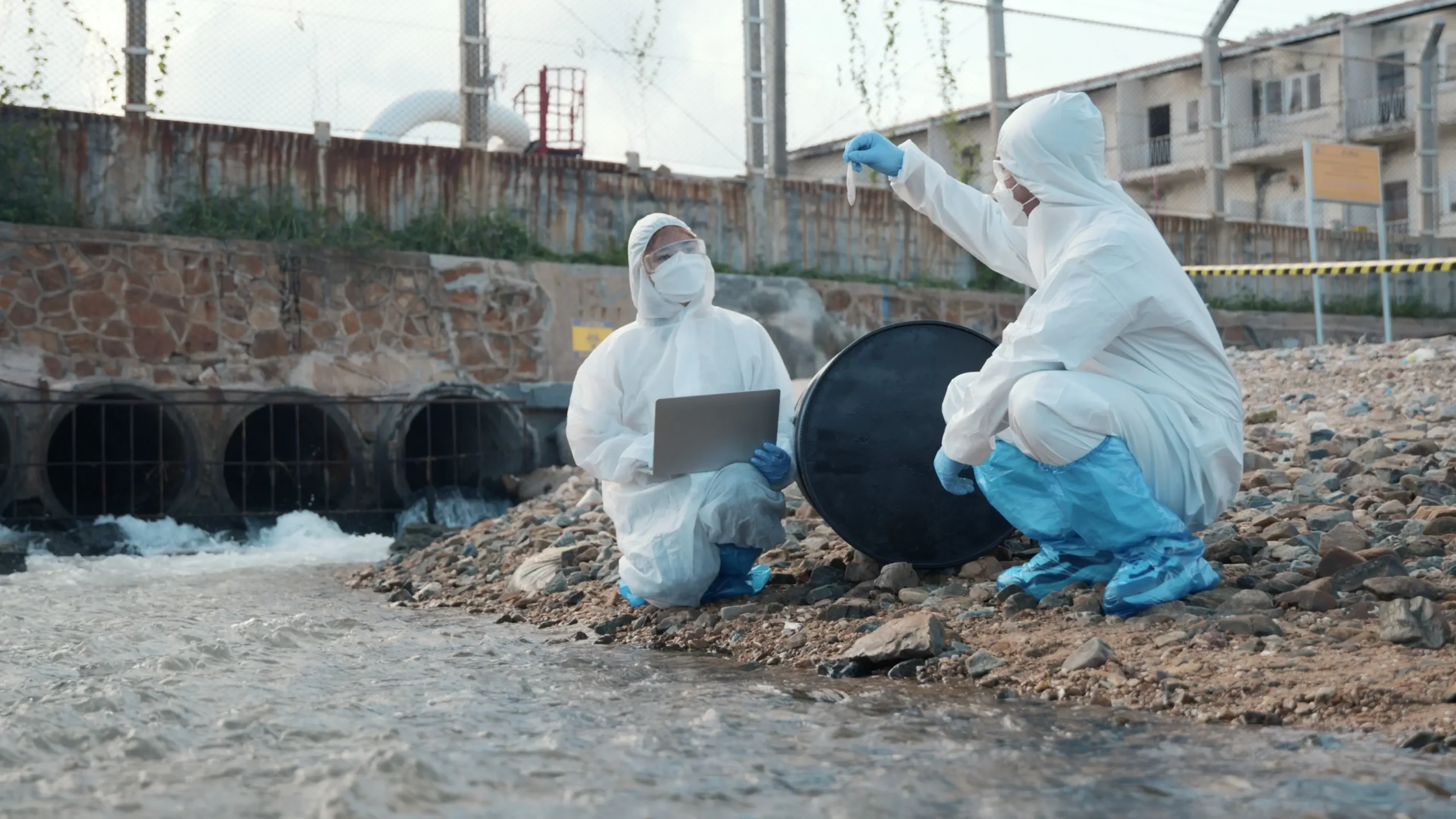
Industrial disasters often involve substances that were never meant to be released into the public environment. When they are, exposure pathways multiply quickly:
- Airborne releases following explosions, fires, or derailments
- Soil and groundwater contamination from spills, leaks, or runoff
- Surface water contamination affecting drinking supplies and ecosystems
- Indoor infiltration of toxic vapors into homes, schools, and businesses
Communities may be evacuated, livelihoods disrupted, and health permanently compromised, all because safety systems failed or warnings were ignored.
Acute and Long-Term Health Consequences
Exposure following a rail or industrial release can cause both immediate trauma and delayed disease.
Acute injuries may include:
Chronic and delayed conditions may include:
- Cancer linked to toxic exposure
- Progressive lung disease
- Neurological disorders
- Reproductive harm
- Immune system damage
These Events Are Rarely “Unavoidable”
Rail carriers, pipeline operators, chemical manufacturers, and industrial facilities are subject to strict safety standards for a reason. When a derailment, explosion, or release occurs, it is often tied to:
- Failure to inspect or maintain equipment
- Unsafe transportation of hazardous materials
- Inadequate containment or storage systems
- Ignored warning signs or prior violations
- Cost-cutting decisions that placed profits above public safety
Toxic tort litigation focuses on whether the harm was preventable and whether responsible parties should be held financially and legally accountable for the damage they caused.


Types of Claims We Investigate
McEldrew Purtell handles rail and industrial disaster cases as high-stakes toxic tort matters, including claims for:
- Catastrophic personal injury
- Wrongful death
- Medical monitoring for exposed individuals
- Environmental contamination affecting communities
These cases require technical investigation, expert analysis, and the ability to confront well-funded defendants. We build claims grounded in evidence, science, and the real human cost of industrial failure.
A Community-Focused Approach to Accountability
When an industrial disaster impacts a neighborhood or region, the harm is not isolated. Entire communities may suffer health risks, displacement, and uncertainty about the future.
Our approach recognizes that these cases are about more than individual injuries; they are about restoring safety, demanding transparency, and forcing change when preventable disasters devastate lives.

When Toxic Exposure Takes Everything, Accountability Should Follow
If you or a loved one suffered serious injury, illness, or loss following a rail derailment, industrial spill, pipeline leak, or chemical fire, you may have legal options.
McEldrew Purtell investigates toxic exposure cases nationwide, representing families facing catastrophic injury and wrongful death. We are prepared to examine what went wrong and who should be held responsible.
Contact us to discuss your situation and learn whether a toxic tort claim may apply.
Learn More

Solvent Exposure (TCE/PCE): Auto shops, degreasers, and long-term neurological harm
Walk into many auto shops and you will find the same lineup: brake cleaner, parts-washing tanks, degreasers, and “heavy duty” solvents used to cut through grime fast. Some of those products have historically contained chlorinated solvents like trichloroethylene (TCE) and…

PFAS “Forever Chemicals” in Drinking Water: What Families Should Know Before They Accept a Settlement or Filter Reimbursement
PFAS are a large group of manufactured chemicals often called “forever chemicals” because they can persist in the environment for a long time. In many communities, PFAS have been detected in public drinking water, leading to new federal standards, state…
Silicosis and the Legal Cases Making Headlines (2024–2026)
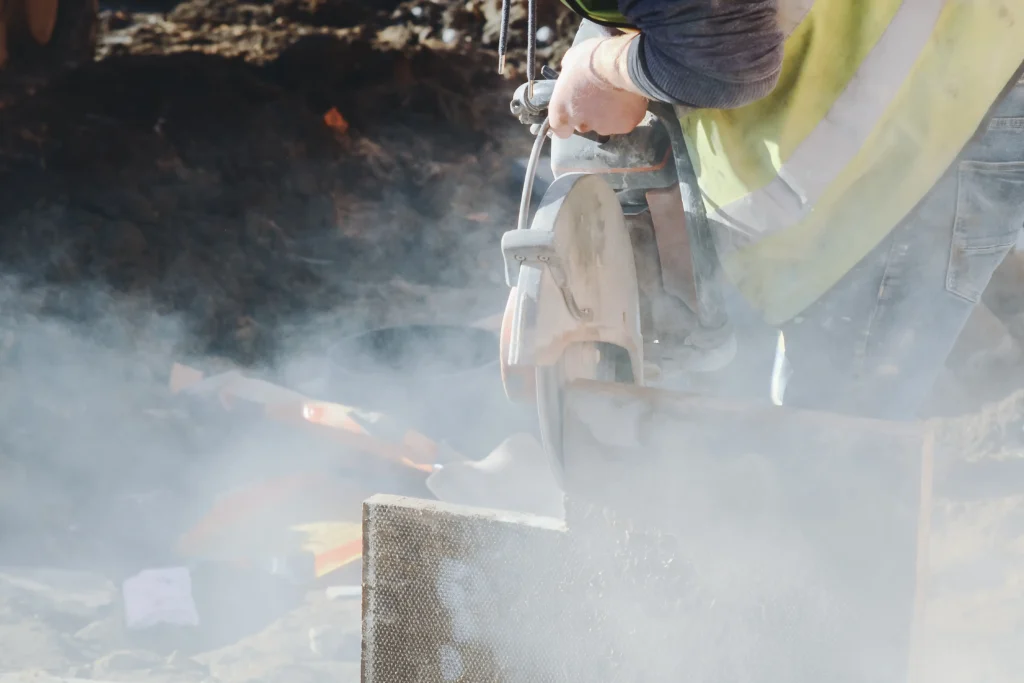
Silicosis is a serious, incurable lung disease caused by breathing in respirable crystalline silica, microscopic dust released when cutting, grinding, drilling, or polishing materials like stone, concrete, and sand. What’s driving the current wave of concern (and litigation) is a…
Carbon Monoxide Poisoning Lawsuits: When the “Silent Killer” Is Caused by Negligence
Carbon monoxide (CO) is called the “silent killer” for a reason. It’s colorless, odorless, and tasteless and it can cause life-altering brain damage or death before anyone realizes there’s a problem. According to federal data, hundreds of people in the…

Legionnaires’ Disease Outbreaks and Lawsuits: What Victims Need to Know
Legionnaires’ disease is not a rare, one-off problem. It’s a growing building-safety issue that keeps surfacing in headlines: cooling towers on hospitals and telecom buildings, assisted living facilities, hotels, condos, and entire neighborhoods affected by contaminated water systems. Recent events…
Pennsylvania Farmland Cancer Cluster: What Residents Need to Know About the New Melanoma Study
A new Penn State Cancer Institute study has identified a significant melanoma “hotspot” stretching across 15 counties in south-central Pennsylvania. The findings suggest that people living near cultivated farmland may face a higher risk of melanoma, the deadliest form of…