

Pesticides & Herbicides (e.g., Glyphosate/Roundup)
Pesticides and herbicides are used everywhere people live and work: farms, warehouses, rail corridors, landscaping routes, parks, right-of-ways, and residential properties. When exposure is preventable but isn’t prevented, the consequences can be life-changing: aggressive cancer, progressive neurologic disease, respiratory collapse, and wrongful death.
These cases aren’t about “being around chemicals.” They’re about whether companies, property owners, employers, or applicators created an unreasonable risk through the product used, how it was applied, what protections were required (or ignored), and what warnings and safety information were provided or withheld.


How Much Is Your Case Worth?
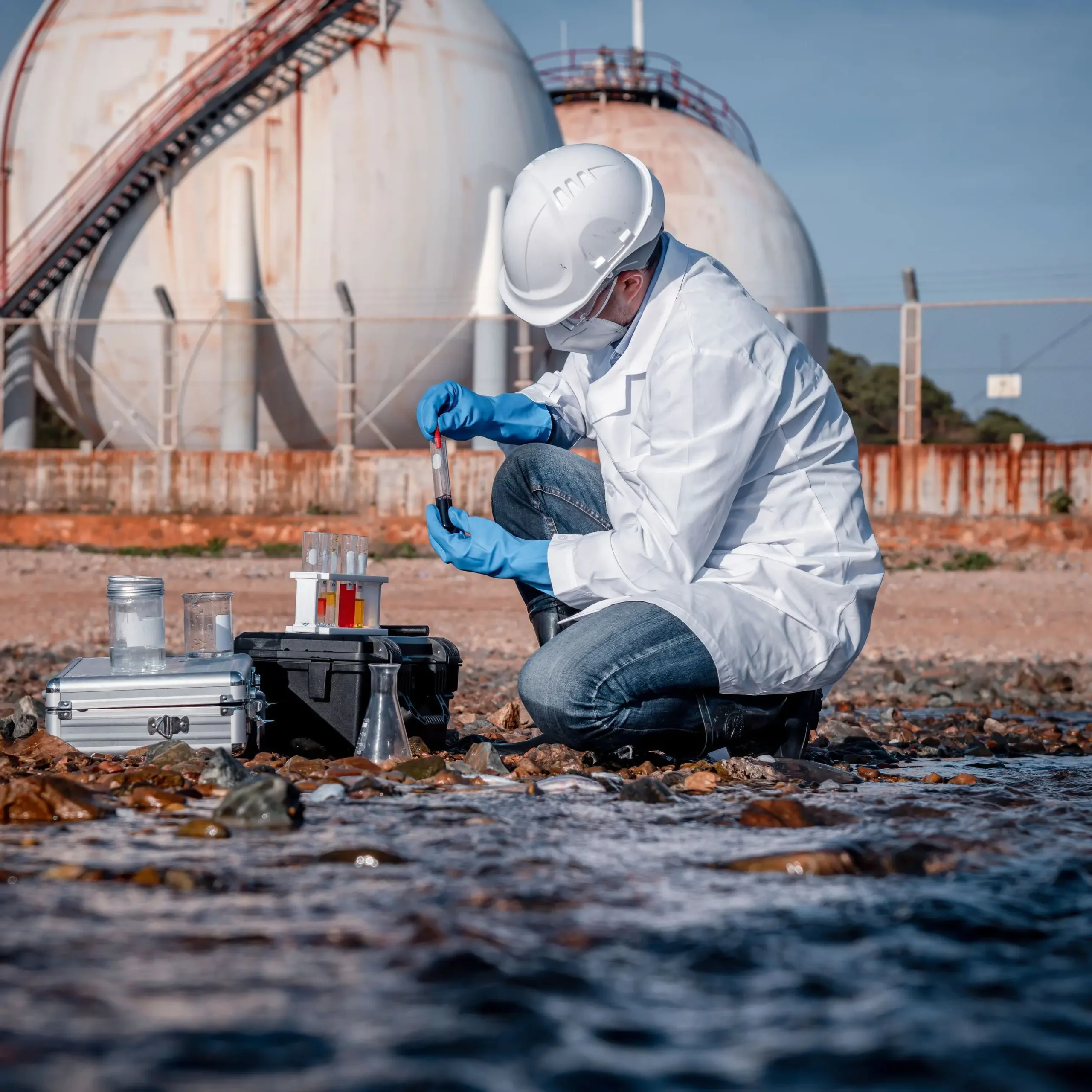
Where exposure actually happens
Most serious cases trace back to predictable, repeat settings:
Work-driven exposure
- Agricultural mixing/loading and spraying
- Landscaping and groundskeeping
- Industrial sites, rail yards/right-of-ways, utilities, and maintenance operations
- Warehouses and distribution environments where products are handled and stored
Community and residential exposure
- Drift and overspray near homes, schools, and public spaces
- Repeated applications in shared areas (common grounds, parks, athletic fields)
- Indoor pest treatments in multi-unit housing
The illnesses that turn these cases into catastrophic injury or wrongful death
In toxic tort work, catastrophic harm often involves:
- Cancer diagnoses requiring intensive treatment and leaving lasting disability
- Severe respiratory disease and vulnerability to life-threatening infection
- Neurologic injury that progressively steals mobility and independence
- Complications that lead to organ failure, sepsis, or death
(Every case is medical record driven. We build claims around documented diagnosis, exposure history, and causation evidence.)


Glyphosate/Roundup: why it’s such a focal point
Glyphosate-based herbicides have been at the center of public and scientific debate for years.
- The International Agency for Research on Cancer (IARC) classified glyphosate as “probably carcinogenic to humans” (Group 2A) in 2015 based on its review criteria and evidence base.
- The U.S. EPA has maintained that glyphosate is “not likely to be carcinogenic to humans,” though it has withdrawn an interim decision and stated it intends to revisit and better explain parts of its evaluation in response to court rulings.
- The federal health agency ATSDR has published a comprehensive toxicological profile discussing exposure routes and health effects evidence for glyphosate.
For families, what matters most is practical: if an exposure history exists and catastrophic illness follows, a case requires a careful, evidence-based reconstruction – what was used, how, how often, what protections were in place, and what the responsible parties knew and did.
It’s not only glyphosate
It’s not only glyphosate. In fact, the same IARC Monographs Volume 112 working group that evaluated glyphosate in March 2015 also evaluated several other widely used pesticides – diazinon, malathion, parathion, and tetrachlorvinphos. IARC ultimately classified glyphosate, malathion, and diazinon as “probably carcinogenic to humans” (Group 2A), while classifying parathion and tetrachlorvinphos as “possibly carcinogenic to humans” (Group 2B).
And beyond IARC’s carcinogenicity classifications, other herbicides remain under active regulatory and scientific scrutiny for different catastrophic outcomes. Paraquat (commonly sold as Gramoxone, among other names) is a major example: EPA has acknowledged ongoing review activity, including updates to its work on exposure questions (like volatilization/bystander inhalation) and plans to require additional data from manufacturers. Most recently (January 9, 2026), reporting indicates EPA leadership said the agency will reassess paraquat’s safety and require manufacturers to demonstrate that current uses are safe under real-world conditions, while litigation alleging links to Parkinson’s disease continues (with the manufacturer disputing causation).
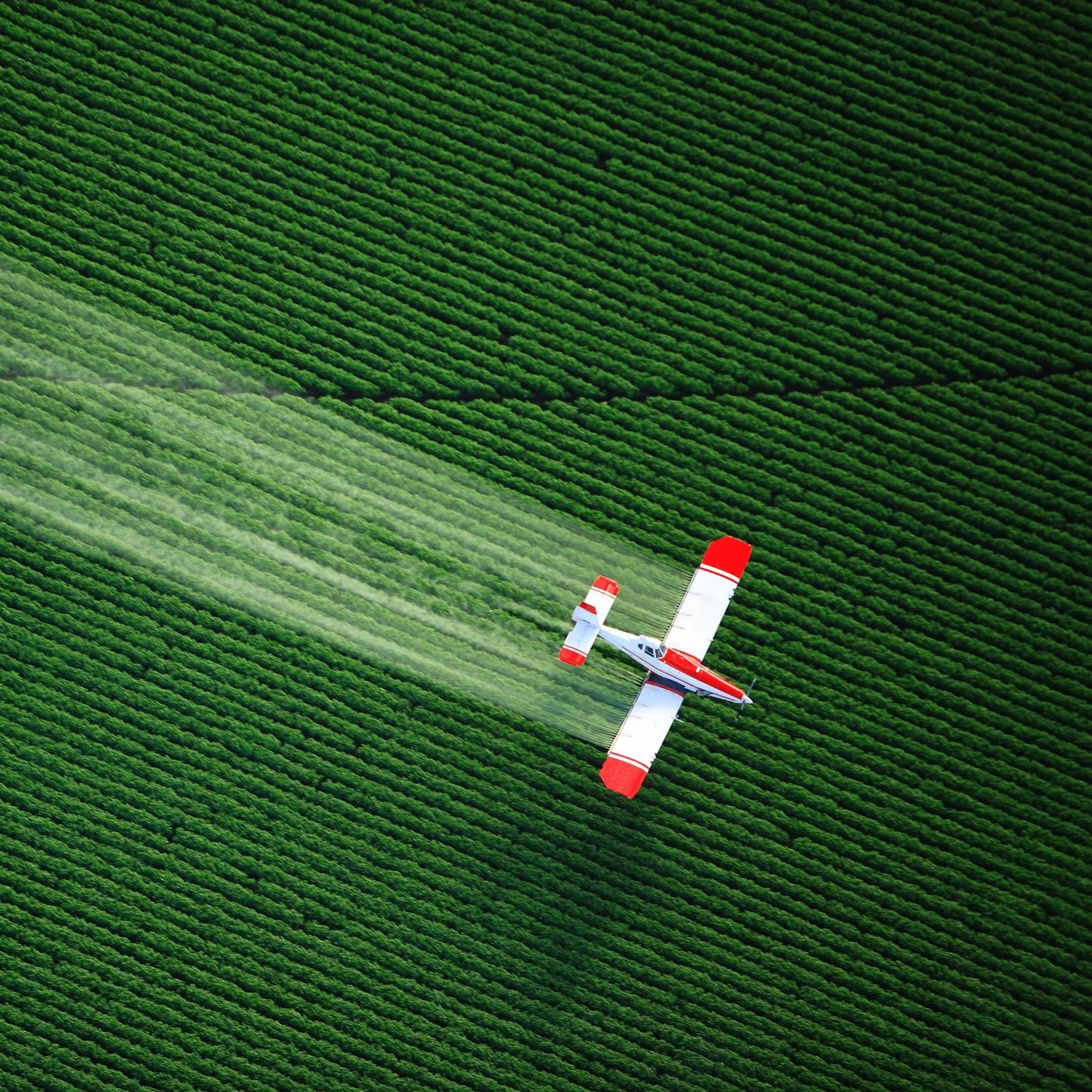

What makes these cases hard and why details matter
Toxic exposure cases often hinge on proof that isn’t obvious from a single event:
Exposure proof
- What product(s), active ingredient(s), and formulations were used
- Frequency, duration, method of application, and drift potential
- PPE availability and compliance, training, and label adherence
- Work orders, purchase records, application logs, and witness accounts
Medical proof
- Diagnosis confirmation, pathology, imaging, and treatment course
- Timeline consistency (exposure history vs symptom onset and progression)
- Differential diagnosis and expert review when needed
Responsibility proof
- Manufacturer and distributor conduct (warnings, testing, marketing)
- Premises/employer practices (controls, training, safer alternatives)
- Applicator practices (mixing/loading, equipment condition, drift controls)
What to do if you suspect pesticide/herbicide exposure played a role
If you or a loved one has a serious diagnosis:
- Focus on medical care first.
- Start a simple exposure timeline: where you lived/worked, what tasks were done, when applications occurred, and who applied products.
- Preserve records: work logs, job assignments, purchase receipts, application notices, and any PPE/training documents.
- If possible, document product identifiers (brand, container photos, SDS/labels, applicator invoices).


Preventable exposure should not become a family’s permanent crisis
Catastrophic illness changes everything: treatment decisions, income, caregiving, and the future your family planned. If pesticide or herbicide exposure may be part of that story, the case deserves a toxic tort investigation built on evidence, science, and accountability, not assumptions.
Learn More
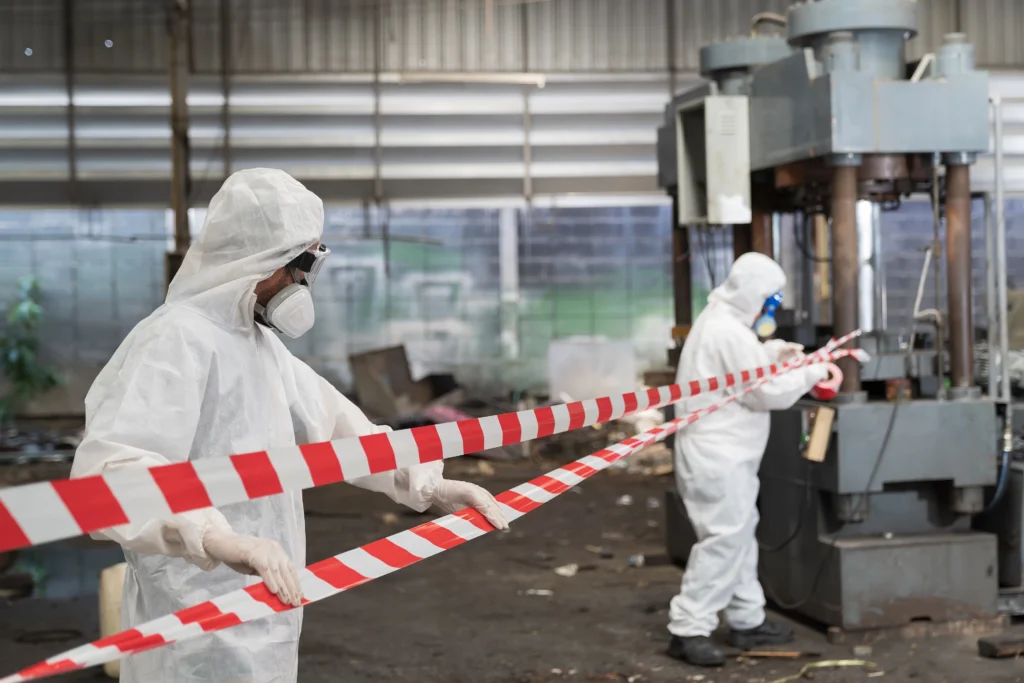
Toxic Chemical Exposure After Train, Truck, and Warehouse Spills
A train derailment, tanker truck crash, or warehouse spill can release hazardous chemicals into the air or across a worksite within seconds. Workers, drivers, emergency responders, nearby residents, and others may be exposed by breathing in contaminated air, getting chemicals…

Railroad Toxic Exposure Claims: Cancer, Lung Disease, and Proving Workplace Causation
Railroad workers face dangers that extend far beyond traumatic injuries and derailments. For decades, railroad employees have been exposed to toxic substances capable of causing serious illnesses, including cancer, chronic lung disease, and other life-altering medical conditions. Under the Federal…

Toxic Exposure Claims: Identifying the Right Liability Theory
Toxic exposures can cause life-altering injuries. The source may be a defective product, an unsafe workplace, a leaking facility, a mislabeled container, or a chemical release that reaches homes, schools, or nearby businesses. The legal claim depends on where the…
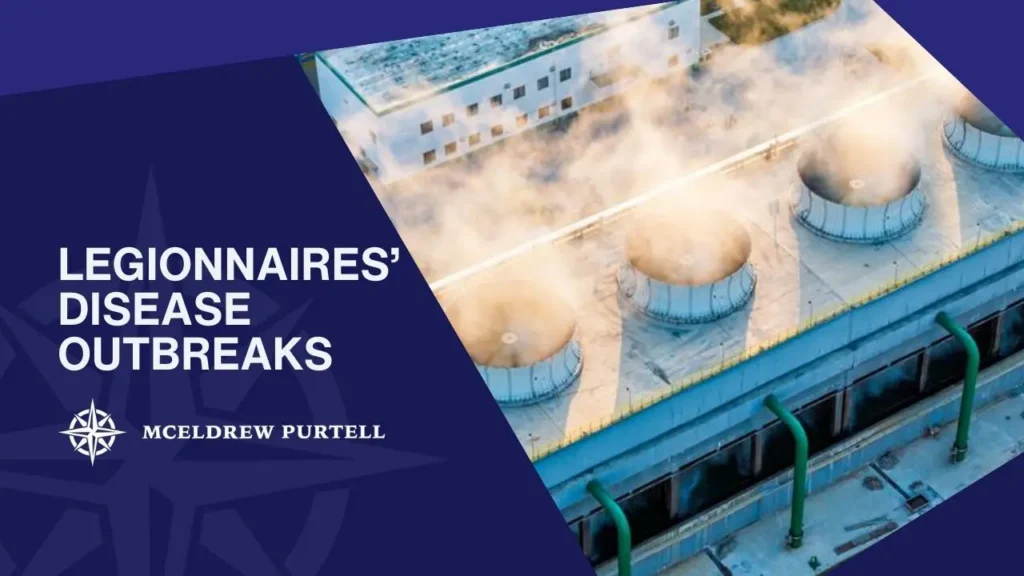
Growing New York City Legionnaires’ Disease Outbreak Raises Questions About Preventable Cooling Tower Failures
A growing Legionnaires’ disease outbreak on New York City’s Upper East Side has sickened at least 56 people, sending dozens to the hospital and triggering one of the city’s largest public health investigations of the year. Health officials are racing…
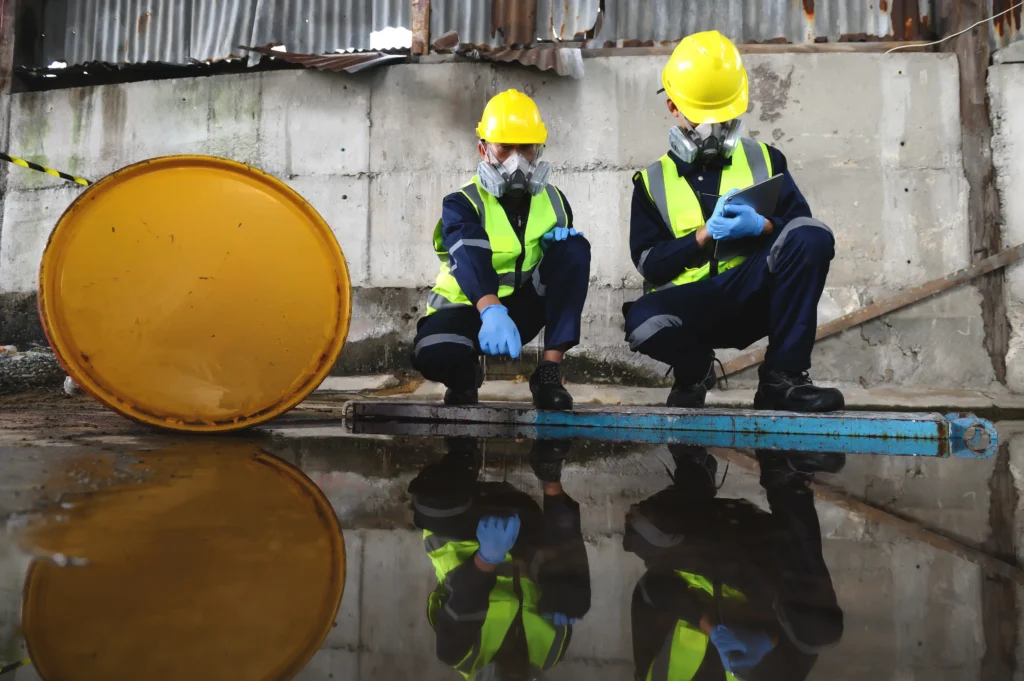
Supply Chain Failures: Toxic Chemical Exposure Leading to Burns, Organ Damage, and Wrongful Death
Workers, drivers, warehouse employees, emergency responders, and nearby families can suffer life-changing injuries when hazardous chemicals leak, spill, or ignite. A single transportation failure or packaging defect can expose people to toxic fumes, chemical burns, respiratory damage, explosions, or long-term…
Five Killed in Virginia I-95 Bus Crash as Investigators Examine Multi-Vehicle Collision Near Work Zone
Five people were killed and dozens more were injured when a bus struck multiple vehicles on Interstate 95 in Virginia. For the families involved, the central question is not only what happened in the seconds before impact, but whether the…