When a Meal Becomes a Medical Emergency
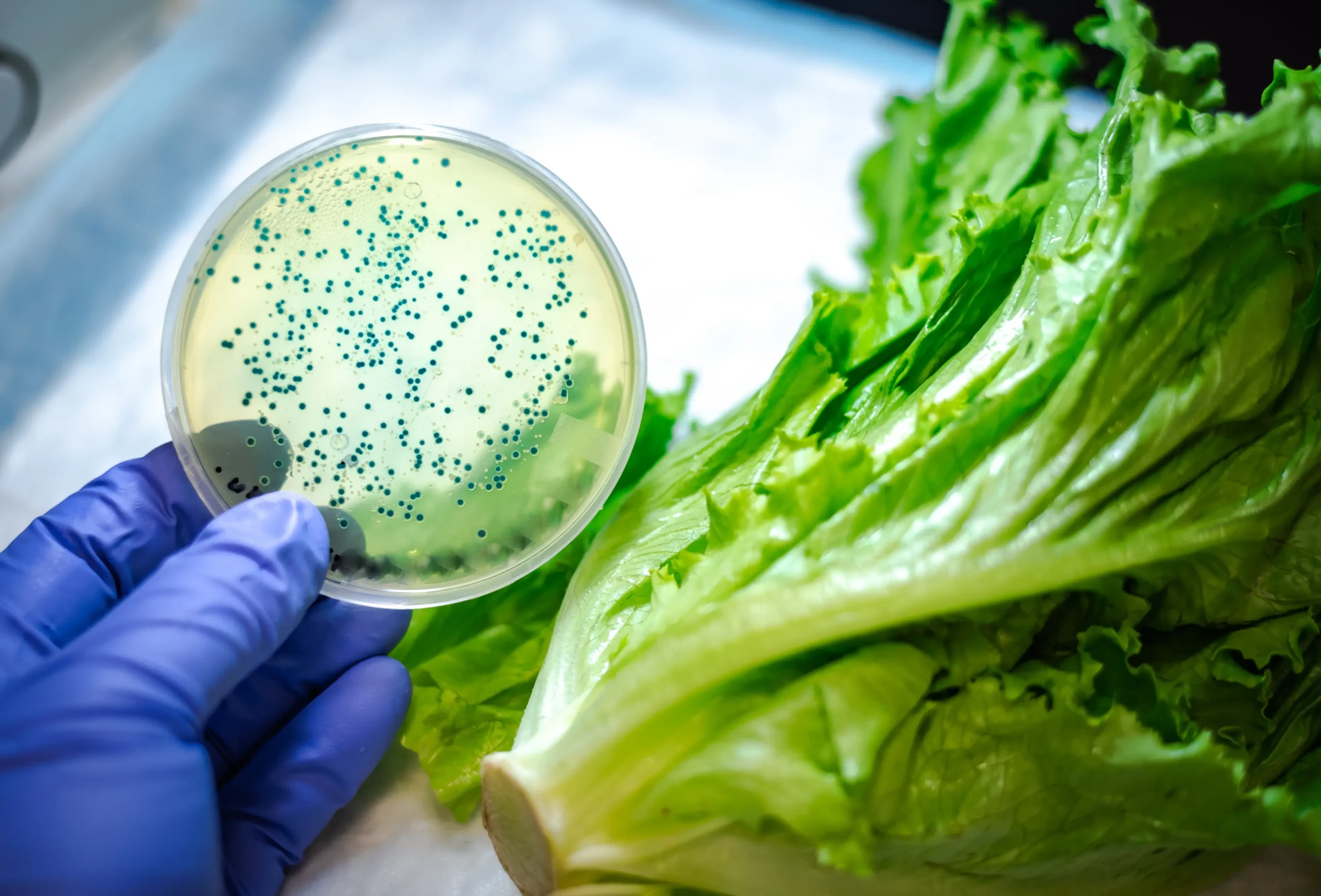
Food is supposed to nourish, not harm. But when contamination enters the food supply, the result can be sudden, violent illness or long-term health consequences that permanently alter a life.
Foodborne illness cases are not always minor or temporary. In severe exposures, contaminated food can lead to organ failure, neurological injury, pregnancy loss, or death. For vulnerable populations, children, older adults, and the immunocompromised, the risks are especially acute.
These cases are not about bad luck. They are about preventable failures in food safety, oversight, and corporate responsibility.

How Much Is Your Case Worth?

Contamination Is Rarely an Accident
Food contamination often traces back to breakdowns that should never occur, including:
- Unsanitary processing or manufacturing conditions
- Failure to detect or control bacterial pathogens such as Salmonella, E. coli, or Listeria
- Cross-contamination during packaging or distribution
- Improper storage, handling, or temperature control
- Contaminated ingredients introduced earlier in the supply chain
By the time the public learns of an outbreak, the damage is often already done hospitalizations, permanent injuries, and families facing life-altering loss.
Catastrophic Injuries and Wrongful Death
Severe foodborne illness can result in:
- Acute kidney failure and hemolytic uremic syndrome (HUS)
- Brain injury, seizures, or cognitive impairment
- Chronic gastrointestinal disease
- Pregnancy complications or stillbirth
- Death from overwhelming infection or organ failure
In wrongful death cases, families are left with unanswered questions. We will focus on answering those questions while holding responsible parties accountable.


Who May Be Held Accountable
Food contamination rarely has a single point of failure. Responsibility often extends across multiple entities involved in producing, handling, and distributing food before it reaches consumers.
Depending on the facts of the case, accountability may extend to:
- Food manufacturers and processors that failed to maintain sanitary conditions, ignored contamination risks, or released unsafe products into commerce
- Agricultural producers and suppliers responsible for contaminated raw ingredients, water sources, or improper handling at the farm level
- Distributors and logistics providers whose storage, transportation, or temperature control failures allowed contamination to spread or worsen
- Retailers, institutions, and food service operators that sold or served contaminated products without adequate safeguards
- Corporate parents or affiliated entities that controlled safety policies, cost-cutting decisions, or compliance practices
How We Handle Food Contamination Cases
Food contamination cases demand more than surface-level investigation. They require a disciplined, evidence-driven approach that can withstand scientific scrutiny and aggressive defense strategies.
McEldrew Purtell handles these matters with a focus on:
- Early case assessment and preservation of evidence
- Scientific and medical analysis
- Supply chain and systems investigation
- Accountability at scale
- Litigation readiness from day one
These cases are often complex, document-heavy, and emotionally devastating for families. Our role is to shoulder the legal burden while pursuing outcomes that reflect the seriousness of the harm involved.


When Foodborne Illness Causes Irreversible Harm, Accountability Matters
If contaminated food caused catastrophic injury or the wrongful death of a loved one, you may be entitled to pursue accountability through toxic tort litigation. These cases are complex, time-sensitive, and evidence-driven but families should not bear the burden alone.
Contact us to discuss your situation and learn whether a toxic tort claim may apply.
Learn More
Carbon Monoxide Poisoning Lawsuits: When the “Silent Killer” Is Caused by Negligence
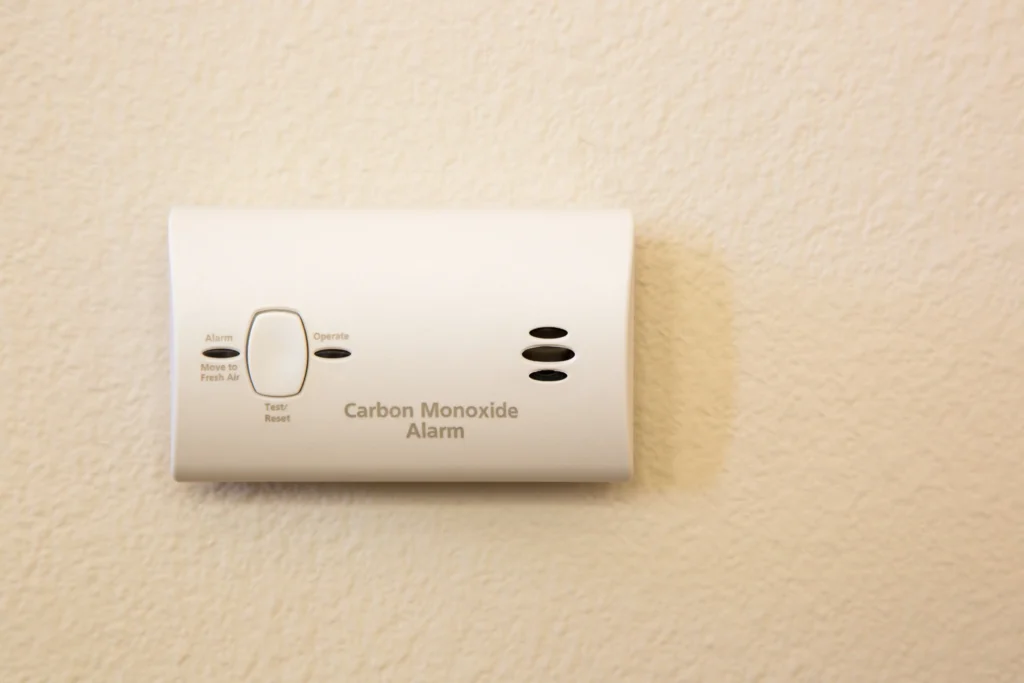
Carbon monoxide (CO) is called the “silent killer” for a reason. It’s colorless, odorless, and tasteless and it can cause life-altering brain damage or death before anyone realizes there’s a problem. According to federal data, hundreds of people in the…

Legionnaires’ Disease Outbreaks and Lawsuits: What Victims Need to Know
Legionnaires’ disease is not a rare, one-off problem. It’s a growing building-safety issue that keeps surfacing in headlines: cooling towers on hospitals and telecom buildings, assisted living facilities, hotels, condos, and entire neighborhoods affected by contaminated water systems. Recent events…
Pennsylvania Farmland Cancer Cluster: What Residents Need to Know About the New Melanoma Study
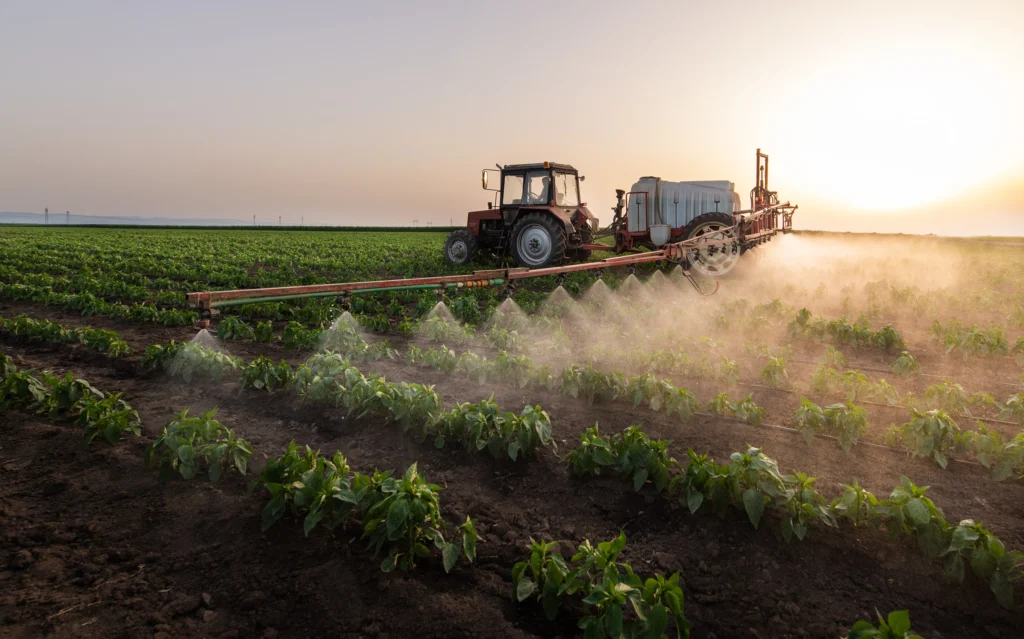
A new Penn State Cancer Institute study has identified a significant melanoma “hotspot” stretching across 15 counties in south-central Pennsylvania. The findings suggest that people living near cultivated farmland may face a higher risk of melanoma, the deadliest form of…

Strict Liability Tort: Definition, Implications and Examples
Strict liability is a legal standard courts use to determine liability for certain torts. Understanding the implications of strict liability on your legal claim can help you pursue your claim more effectively. The attorneys at McEldrew Purtell can help you with your…
Common Symptoms of Chemical Exposure
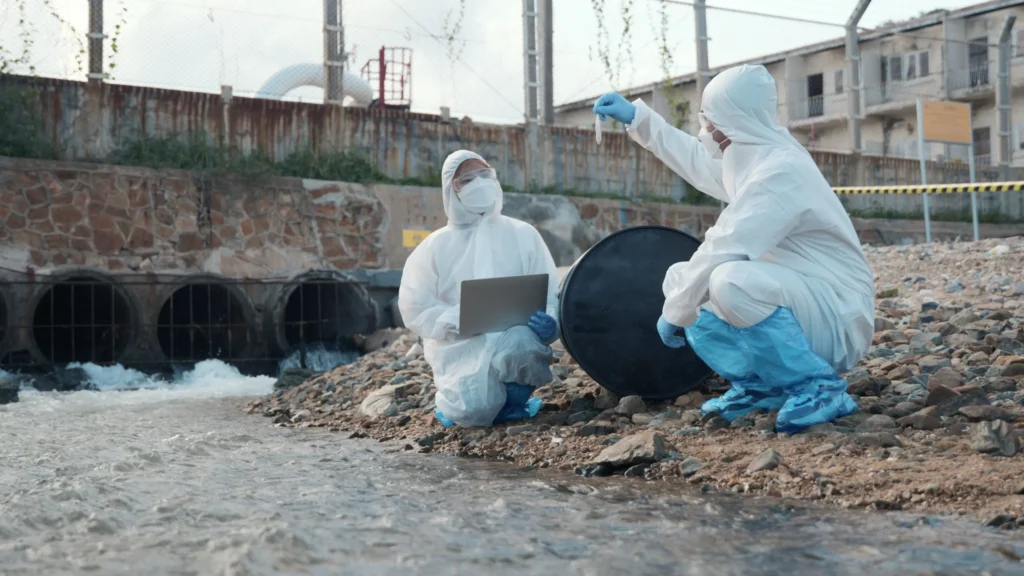
The Environmental Protection Agency formally recognizes nearly 800 toxic chemicals linked to adverse health effects. At the same time, the Natural Resources Defense Council reports there are more than 80,000 chemicals used in the U.S. Most of these chemicals have…
The Role Toxic Torts Play in Product Liability
Thanks to advancements in manufacturing, medicine, and technology sectors, consumers today have access to a wide variety of products in their daily lives. Unfortunately, some of these products are unsafe and may even cause severe illnesses. Other times, dangerous chemicals…