

A silent leak. A life-altering injury.
Carbon monoxide (CO) is a colorless, odorless gas that can kill without warning. It’s created by incomplete combustion and it becomes dangerous when it builds up indoors or in enclosed spaces where people breathe it in. For many survivors, the harm isn’t just an ER visit. Severe CO exposure can lead to brain injury, seizures, permanent disability, and wrongful death.
CO poisoning often starts like a common illness. Headache, dizziness, nausea, and fatigue can look like “the flu” until symptoms escalate. CO can also incapacitate people while they’re sleeping or before they understand what’s happening.

How Much Is Your Case Worth?

Where exposure happens
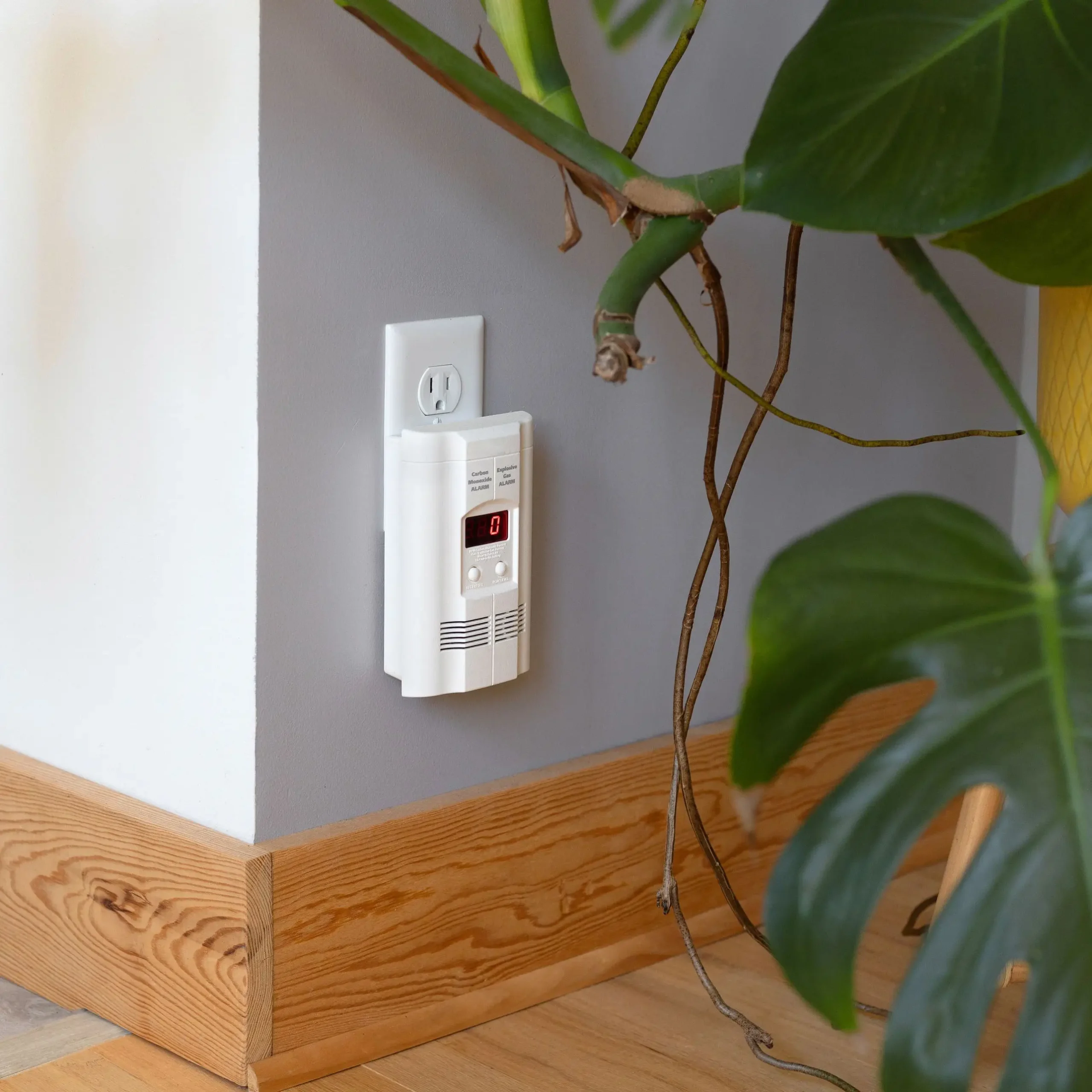
CO incidents are not limited to one type of building. They show up in everyday places, especially where fuel-burning appliances, boilers, heaters, or ventilation failures are present. Common high-risk settings include: hotels and short-term rentals, apartment buildings and rental properties, daycares and schools, office buildings and factories, nursing homes and care facilities, and private residences.
A real-world example: an Allentown-area daycare incident led to dozens of people hospitalized, many of them children, after a faulty furnace and blocked ventilation allowed CO to leak into the building, with litigation and licensing consequences following.
Understated & Silent Threat of CO Poisoning
CO is a byproduct of the incomplete combustion of fossil fuels. It commonly occurs in residential and commercial settings, yet it is often underestimated as a serious hazard and health risk due to lack of detection and awareness. A few common examples of vulnerable settings include, but are not limited to:
- Hotels, Inns, Motels, Airbnb, Vrbo, etc.
- Apartment buildings & rental properties
- Daycares, schools & municipality buildings
- Other commercial buildings – office buildings, factories, retail, etc.
- Nursing home and other care facilities
- Private residences
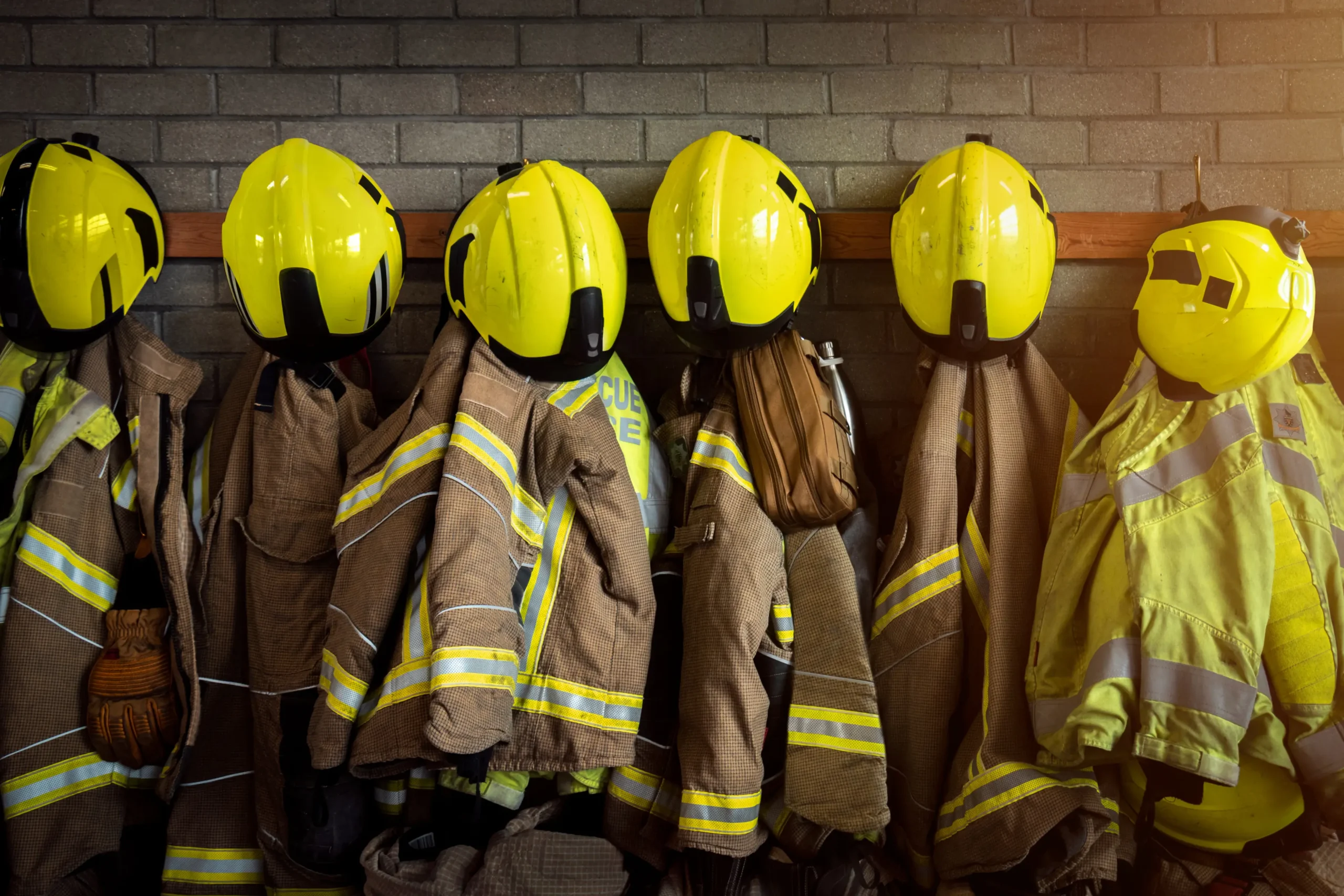
According to the CDC, around 400 Americans lose their lives to unintentional CO poisoning every year – that’s not linked to fires. Over 20,000 people are treated in emergency rooms for CO exposure, highlighting the dangers of CO and how easy it is for it to go undetected until after symptoms appear.

Statistical Insights and Legal Trends
The NFPA reports that fire departments respond to approximately 60,000 CO incidents each year (which do not include vehicle-related cases). The statistics related to CO exposure are grave reminders of how many people grapple with severe related health issues and wrongful death from CO poisoning. Thus, the rise in CO litigations reflects public awareness and demands accountability for negligence that leads to CO poisoning.
In 2013, a family received a $12 million settlement in Boone, North Carolina, after an 11-year-old boy died due to CO poisoning from a defective hotel pool heater. In 2017, teachers and students in Baltimore filed a lawsuit and won an unnamed lawsuit against the city’s school system after being exposed to CO from a faulty boiler. Private settings are not immune to CO cases. In a notable 2018 incident, a Colorado family won a $2 million lawsuit after suffering CO poisoning from an improperly ventilated home furnace.
How liability cases are built
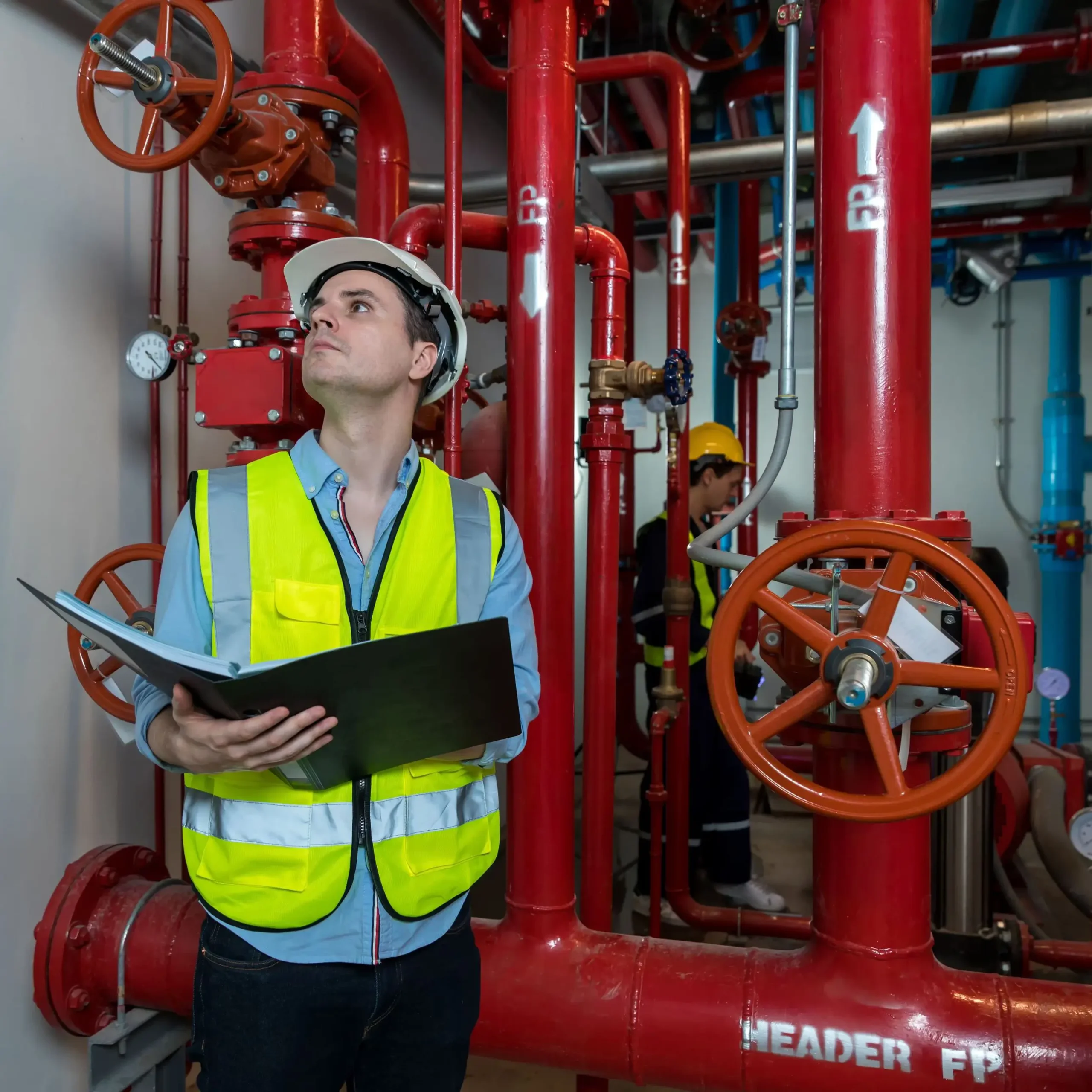
Carbon monoxide cases typically involve one (or more) of these failure points:
- Premises neglect: faulty furnaces/boilers, blocked vents or flues, poor maintenance, inadequate inspection.
- Safety-device failure: missing CO detectors, defective detectors, or detectors improperly installed/located.
- Product and contractor failures: defective appliances, improper installation, incorrect venting, or negligent repair work.
Because the legal “why” can be complicated, these cases often require overlapping experience in toxic tort, premises liability, and product liability, and careful proof tying the exposure source to the medical outcome.
Responsible parties can include property owners/landlords, maintenance management, manufacturers, contractors/subcontractors, and employers (depending on the setting).

What to do after suspected CO exposure
Medical care comes first. But a few steps can protect safety and preserve critical evidence:
- Get everyone to fresh air and seek medical evaluation immediately.
- Document the timeline: where symptoms began, who was present, and when emergency response occurred.
- Preserve evidence when possible: photos of appliances/vents, detector locations, and any alarm units (don’t discard detectors).
- Request records: fire department run sheets, building maintenance logs, inspection reports, and any CO readings taken on scene.
Misdiagnosis and delay can happen because symptoms mimic common illnesses, so medical records and timing details matter.
Prevention is simple. The failure is not.
There are several measures that can prevent CO poisoning, including stricter safety protocols, legislation, and accountability from owners and manufacturers. Legislation mandating the installation of CO detectors, such as Pennsylvania’s HB 494 for childcare facilities, marks progress towards public safety, but more awareness is needed at the national level.
More public education campaigns are also needed as part of the fight against carbon monoxide poisoning. Fire departments, health agencies, and community organizations need to work together to further disseminate information about CO sources, symptoms, and the importance of CO detectors, which can significantly mitigate risks. Technological advancements have led to more sophisticated CO detectors. However, these resources and tools need accountability, testing, and research to ensure effectiveness. Otherwise, the manufacturers, owners, and third-party partners must be held accountable.

Consult with a Toxic Tort Attorney
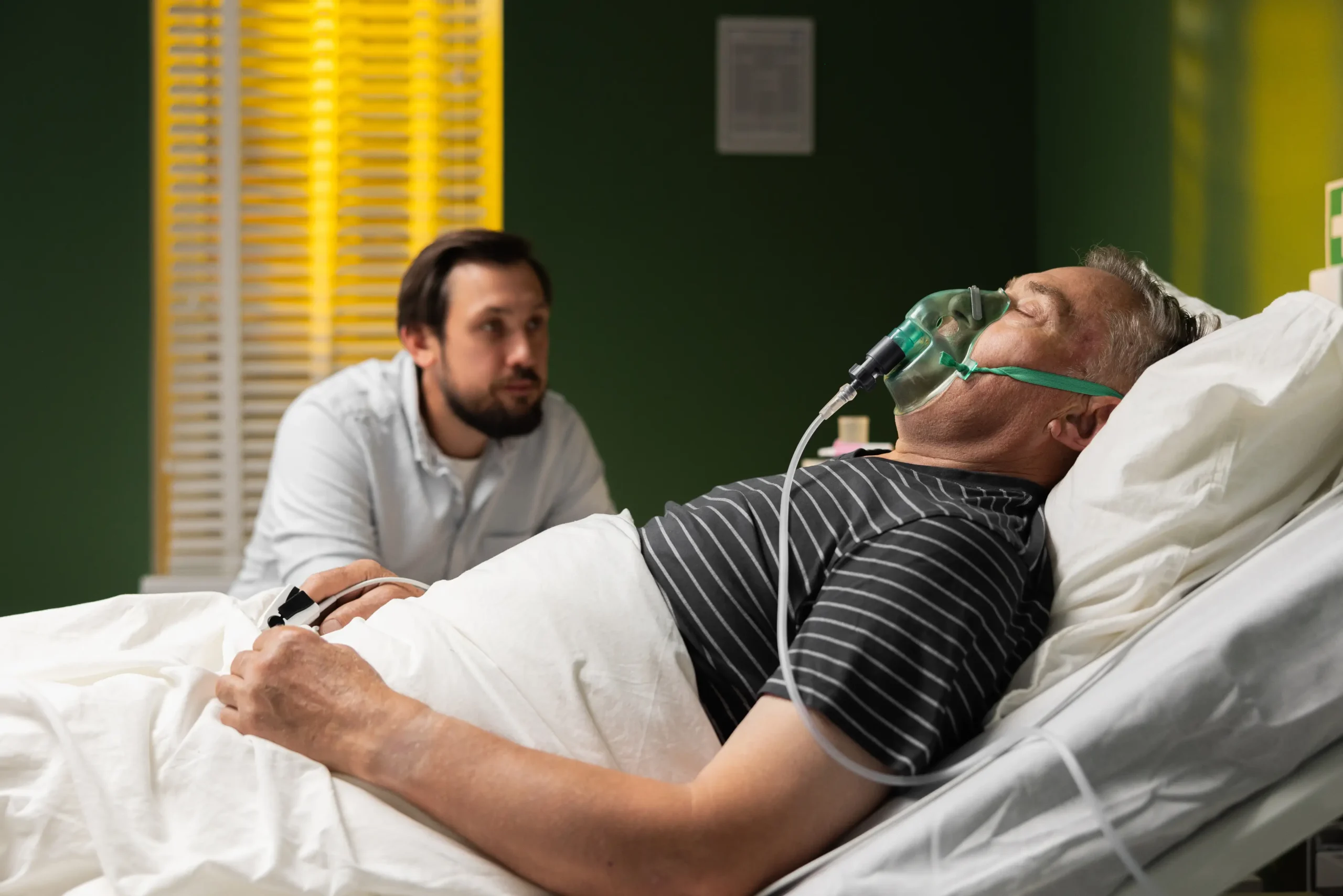
Carbon monoxide poisoning is a “silent” harm, but the consequences are loud: ICU stays, neurologic injury, lifelong disability, and wrongful death. When a building, product, or maintenance failure allowed CO to accumulate, the harm isn’t an unavoidable accident. It’s a preventable exposure.
McEldrew Purtell investigates CO poisoning cases involving catastrophic injury and wrongful death, identifies responsible parties across property and product lines, and pursues accountability that matches the scale of the loss.
Learn More
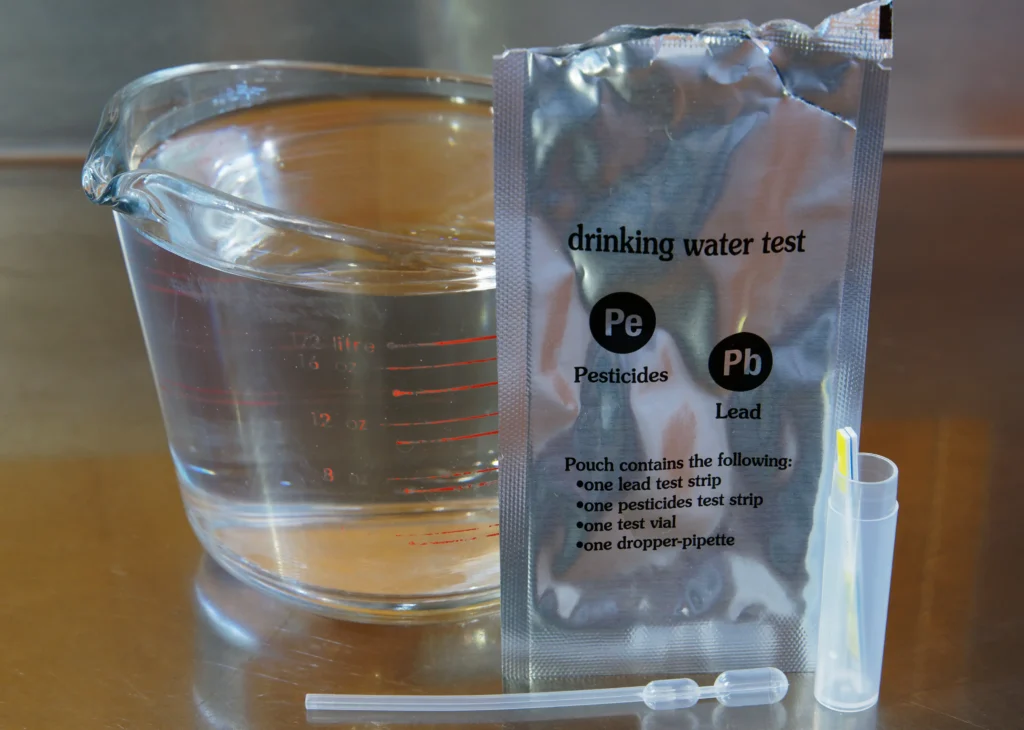
Lead Exposure Beyond Paint: School drinking water, construction dust, and hidden sources
When most people think about lead exposure, they think about peeling paint in older homes. That risk is real, but it is not the whole story. Children and adults can also be exposed through school drinking water, renovation and construction…
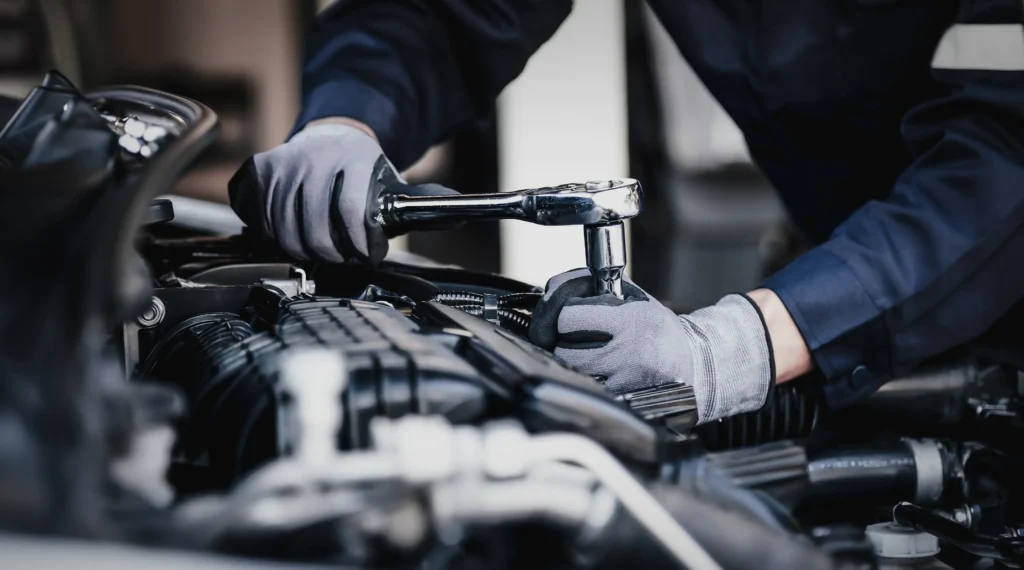
Solvent Exposure (TCE/PCE): Auto shops, degreasers, and long-term neurological harm
Walk into many auto shops and you will find the same lineup: brake cleaner, parts-washing tanks, degreasers, and “heavy duty” solvents used to cut through grime fast. Some of those products have historically contained chlorinated solvents like trichloroethylene (TCE) and…

PFAS “Forever Chemicals” in Drinking Water: What Families Should Know Before They Accept a Settlement or Filter Reimbursement
PFAS are a large group of manufactured chemicals often called “forever chemicals” because they can persist in the environment for a long time. In many communities, PFAS have been detected in public drinking water, leading to new federal standards, state…
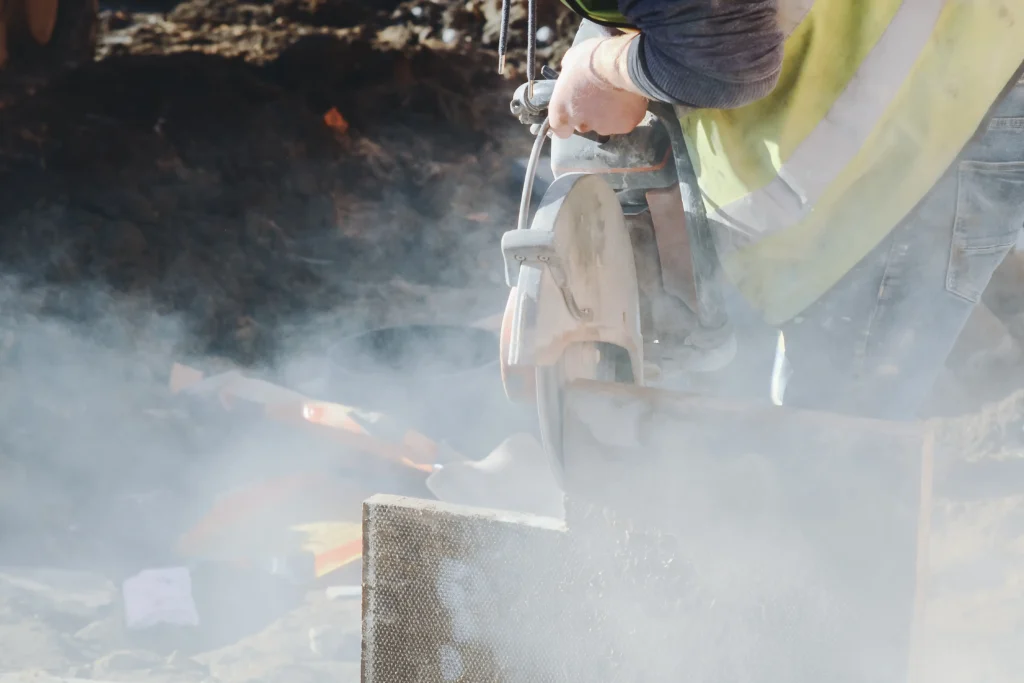
Silicosis and the Legal Cases Making Headlines (2024–2026)
Silicosis is a serious, incurable lung disease caused by breathing in respirable crystalline silica, microscopic dust released when cutting, grinding, drilling, or polishing materials like stone, concrete, and sand. What’s driving the current wave of concern (and litigation) is a…
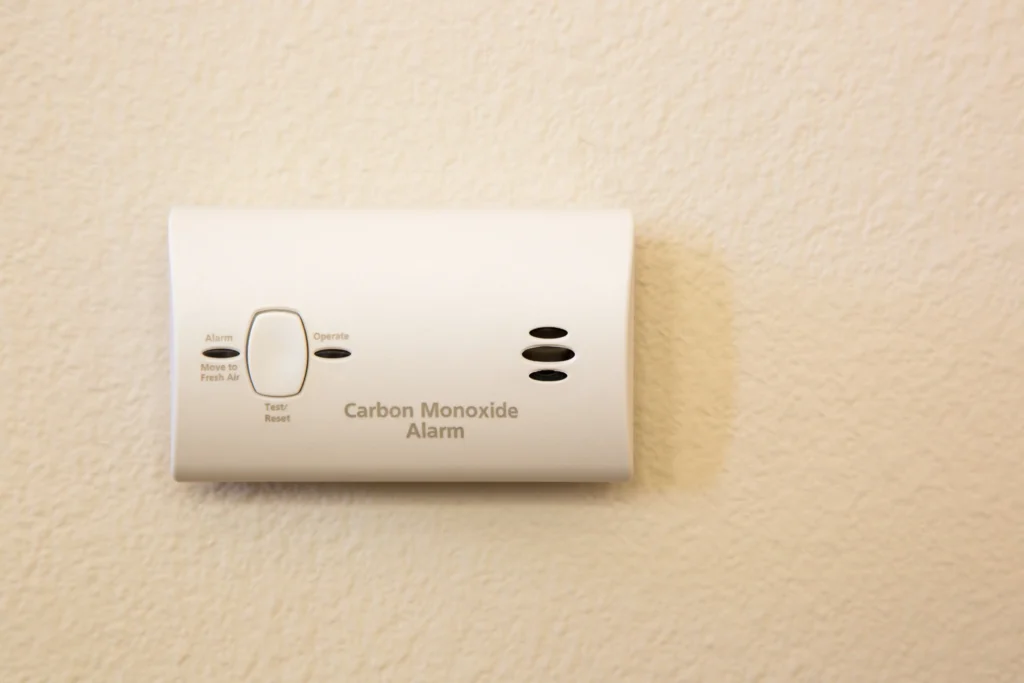
Carbon Monoxide Poisoning Lawsuits: When the “Silent Killer” Is Caused by Negligence
Carbon monoxide (CO) is called the “silent killer” for a reason. It’s colorless, odorless, and tasteless and it can cause life-altering brain damage or death before anyone realizes there’s a problem. According to federal data, hundreds of people in the…

Legionnaires’ Disease Outbreaks and Lawsuits: What Victims Need to Know
Legionnaires’ disease is not a rare, one-off problem. It’s a growing building-safety issue that keeps surfacing in headlines: cooling towers on hospitals and telecom buildings, assisted living facilities, hotels, condos, and entire neighborhoods affected by contaminated water systems. Recent events…