

Benzene Exposure & Leukemia
Benzene is a common industrial chemical and a known human carcinogen. For families, the harm doesn’t look like a “chemical exposure.” It looks like a diagnosis that hits like a catastrophe: acute myeloid leukemia (AML), bone marrow failure, repeated hospitalizations, intensive chemotherapy, transplant discussions, life-threatening infections, and too often wrongful death.
Benzene can damage the bone marrow and blood-forming system, and long-term exposure has been associated with AML and related disorders. IARC classifies benzene as carcinogenic to humans (Group 1) based on sufficient evidence, including leukemia risk. This page is about the cases where that outcome wasn’t inevitable, where exposure was preventable, controls were available, and the people responsible still allowed benzene risk to reach workers and communities.


How Much Is Your Case Worth?

Where benzene exposure happens in real life
Benzene is closely tied to fuel and industrial solvent pathways, meaning exposure can show up in both routine jobs and “nobody thought about it” environments, including:
- Refineries, petrochemical plants, terminals, and tank farms
- Fuel transfer, loading racks, trucking, and bulk storage
- Industrial degreasing/solvent use and certain manufacturing settings
- Work around gas stations or areas near petroleum operations
- Hazardous waste sites and contaminated areas
Some exposures are chronic and subtle: breathing zone exposure over years. Others are acute spikes (spills, confined spaces, poor ventilation) layered on top of chronic risk.
The illnesses that turn benzene cases into catastrophic injury
In Benzene isn’t just “irritating.” The major concern is what it can do to the blood and bone marrow:
- Acute Myeloid Leukemia (AML) – the leukemia most consistently linked with benzene exposure
- Myelodysplastic syndromes (MDS) and bone marrow failure pathways that can progress to AML
- Severe anemia and immune suppression that can lead to repeated, life-threatening complications
Catastrophic harm often comes from the cascade: immunosuppression, sepsis risk, bleeding events, organ complications, and the brutal toll of treatment.

What “preventable exposure” looks like (and what it doesn’t)
Benzene cases often come down to whether the responsible parties treated benzene as a known high-risk hazard or as “part of the job.”
OSHA regulates benzene exposure with a permissible exposure limit of 1 ppm (8-hour TWA) and 5 ppm (15-minute STEL), reflecting how seriously the hazard is treated when it’s measured and controlled.
NIOSH’s pocket guide also summarizes exposure limits and hazard characteristics used in industrial hygiene practice.
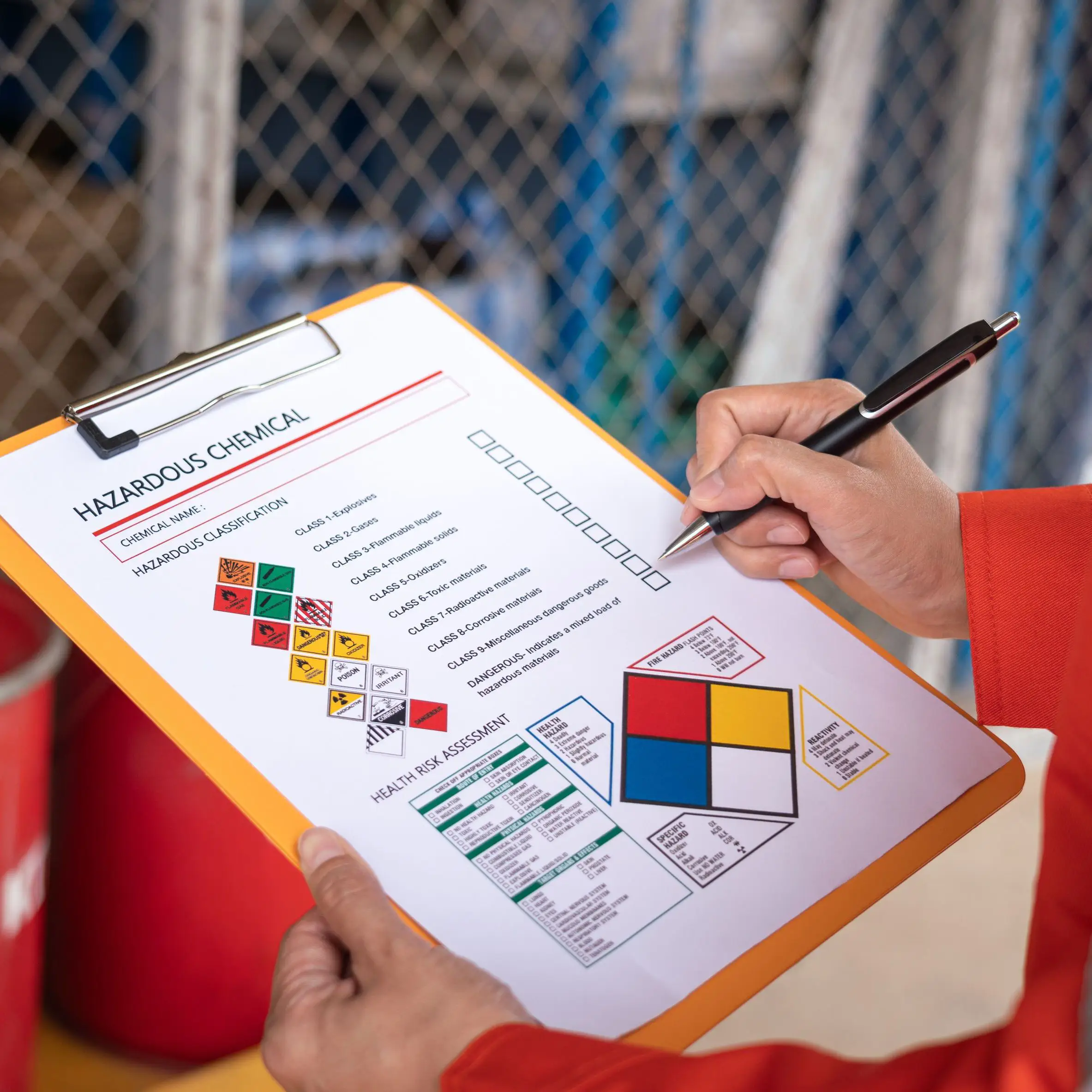
In litigation terms, we focus on whether reasonable protections were used: monitoring, ventilation, closed-transfer systems, appropriate PPE/respiratory protection when needed, training, spill response, and accurate hazard communication.
What to do if you or a loved one has leukemia and a benzene exposure history
If you’re in the middle of treatment, your first job is health. Your second is preserving the story while it’s still retrievable.
Save and request:
- Diagnosis records (pathology, cytogenetics, treatment course)
- A simple exposure timeline (jobs, sites, duties, years; fuel/solvent contact; spills/events)
- Training materials, SDS sheets, air monitoring records, fit testing/PPE records (if available)
- Coworker names who can confirm day-to-day exposure conditions


How we build benzene-leukemia toxic tort cases
These cases are built on evidence, medical and industrial, working together:
Medical proof
- Confirming the diagnosis and clinical course
- Reviewing whether the presentation fits known benzene-related hematologic injury patterns
Exposure proof
- Job tasks and intensity (what was handled, how, and how often)
- Whether exposure controls were present or absent, despite known standards
Responsibility proof
- Identifying the entities controlling the site, process, and safety decisions
- Connecting failures in control/warning to the exposure that mattered
When the cost is a life, “we didn’t know” isn’t good enough
Leukemia is a catastrophic diagnosis: physically, financially, and emotionally. If benzene exposure played a role, your case deserves a serious toxic tort investigation that treats the exposure as the central event it was, not an afterthought.
If you’re facing AML or grieving a wrongful death and there’s a history of fuel, solvent, refinery, or industrial exposure, McEldrew Purtell can evaluate whether preventable benzene exposure is part of the story and pursue accountability that matches the scale of the harm.

Learn More

Solvent Exposure (TCE/PCE): Auto shops, degreasers, and long-term neurological harm
Walk into many auto shops and you will find the same lineup: brake cleaner, parts-washing tanks, degreasers, and “heavy duty” solvents used to cut through grime fast. Some of those products have historically contained chlorinated solvents like trichloroethylene (TCE) and…

PFAS “Forever Chemicals” in Drinking Water: What Families Should Know Before They Accept a Settlement or Filter Reimbursement
PFAS are a large group of manufactured chemicals often called “forever chemicals” because they can persist in the environment for a long time. In many communities, PFAS have been detected in public drinking water, leading to new federal standards, state…
Silicosis and the Legal Cases Making Headlines (2024–2026)
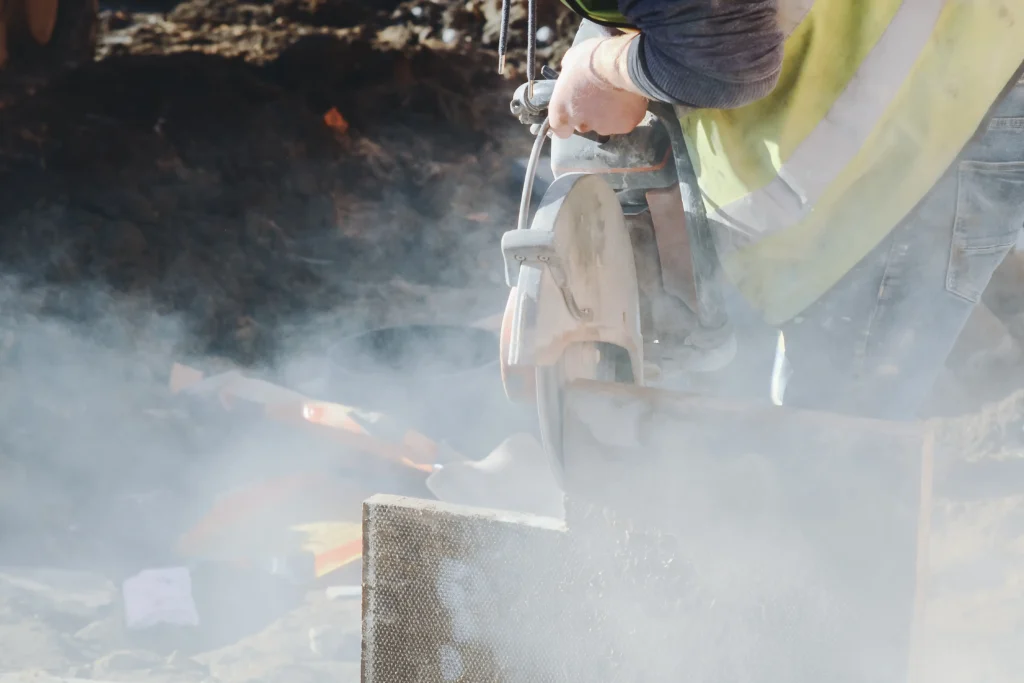
Silicosis is a serious, incurable lung disease caused by breathing in respirable crystalline silica, microscopic dust released when cutting, grinding, drilling, or polishing materials like stone, concrete, and sand. What’s driving the current wave of concern (and litigation) is a…
Carbon Monoxide Poisoning Lawsuits: When the “Silent Killer” Is Caused by Negligence
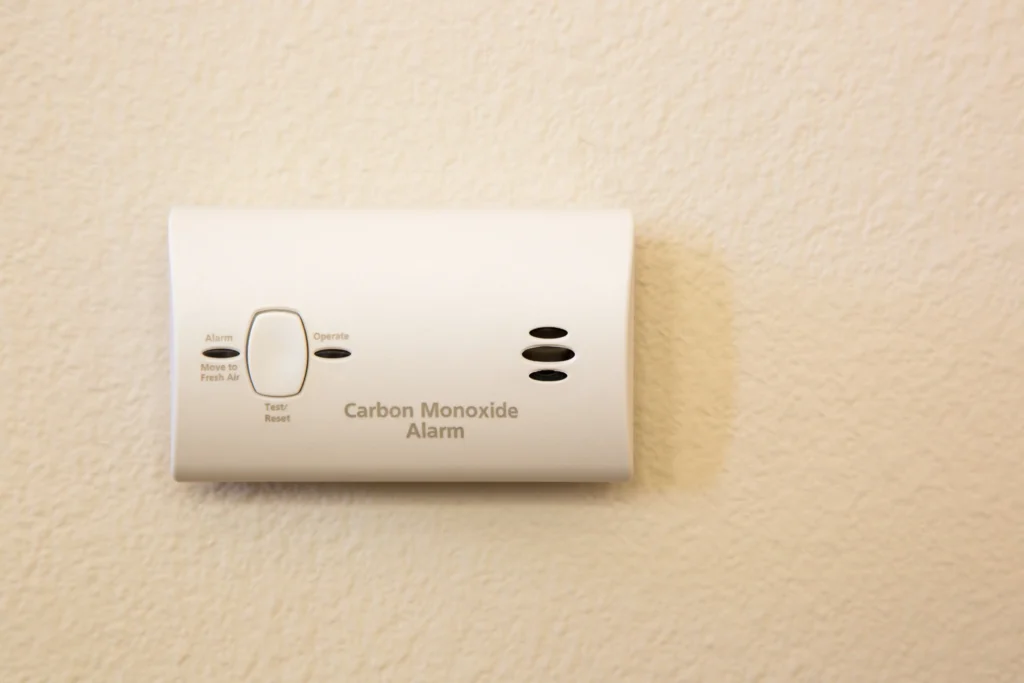
Carbon monoxide (CO) is called the “silent killer” for a reason. It’s colorless, odorless, and tasteless and it can cause life-altering brain damage or death before anyone realizes there’s a problem. According to federal data, hundreds of people in the…

Legionnaires’ Disease Outbreaks and Lawsuits: What Victims Need to Know
Legionnaires’ disease is not a rare, one-off problem. It’s a growing building-safety issue that keeps surfacing in headlines: cooling towers on hospitals and telecom buildings, assisted living facilities, hotels, condos, and entire neighborhoods affected by contaminated water systems. Recent events…
Pennsylvania Farmland Cancer Cluster: What Residents Need to Know About the New Melanoma Study
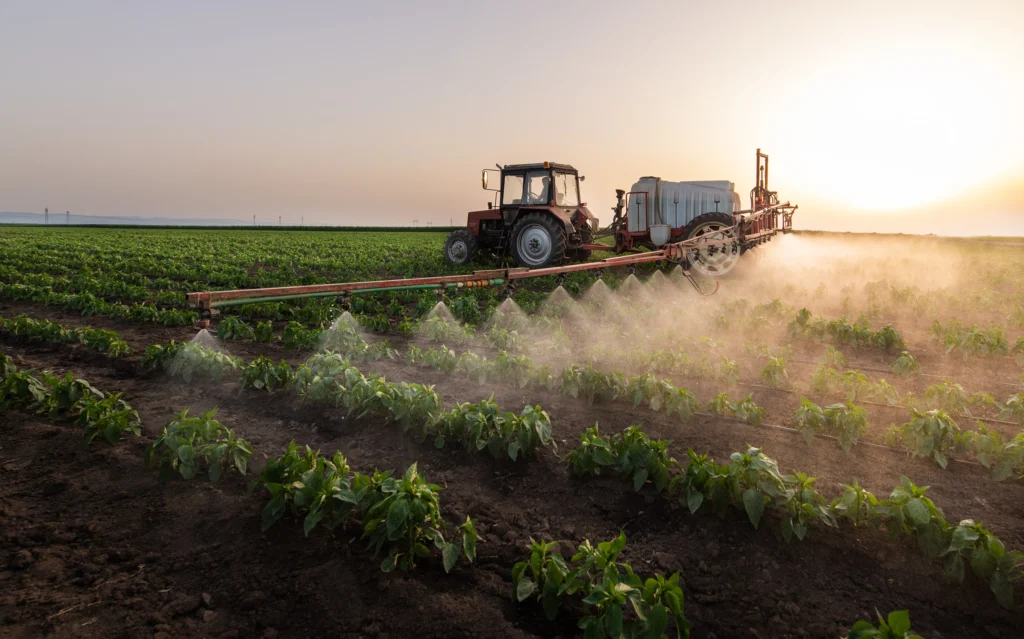
A new Penn State Cancer Institute study has identified a significant melanoma “hotspot” stretching across 15 counties in south-central Pennsylvania. The findings suggest that people living near cultivated farmland may face a higher risk of melanoma, the deadliest form of…