
A device meant to save a life should never be the reason it’s lost.
When a medical device fails, the consequences are rarely “minor.” A defective implant or critical device can trigger a cascade: hemorrhage, stroke, infection, organ damage, device migration, loss of function, or emergency revision surgery. For many patients, that becomes catastrophic injury. For families, it can become wrongful death.
These cases also feel uniquely isolating: patients did what they were told, trusted a product marketed as safe, and then suffered a life-changing outcome. Product liability law exists for exactly that scenario when a device is unreasonably dangerous because of its design, manufacturing, instructions, or warnings, or because companies ignored known safety signals.

How Much Is Your Case Worth?

Where catastrophic harm happens in medical device cases
Medical device and implant failures often involve high-stakes events such as:
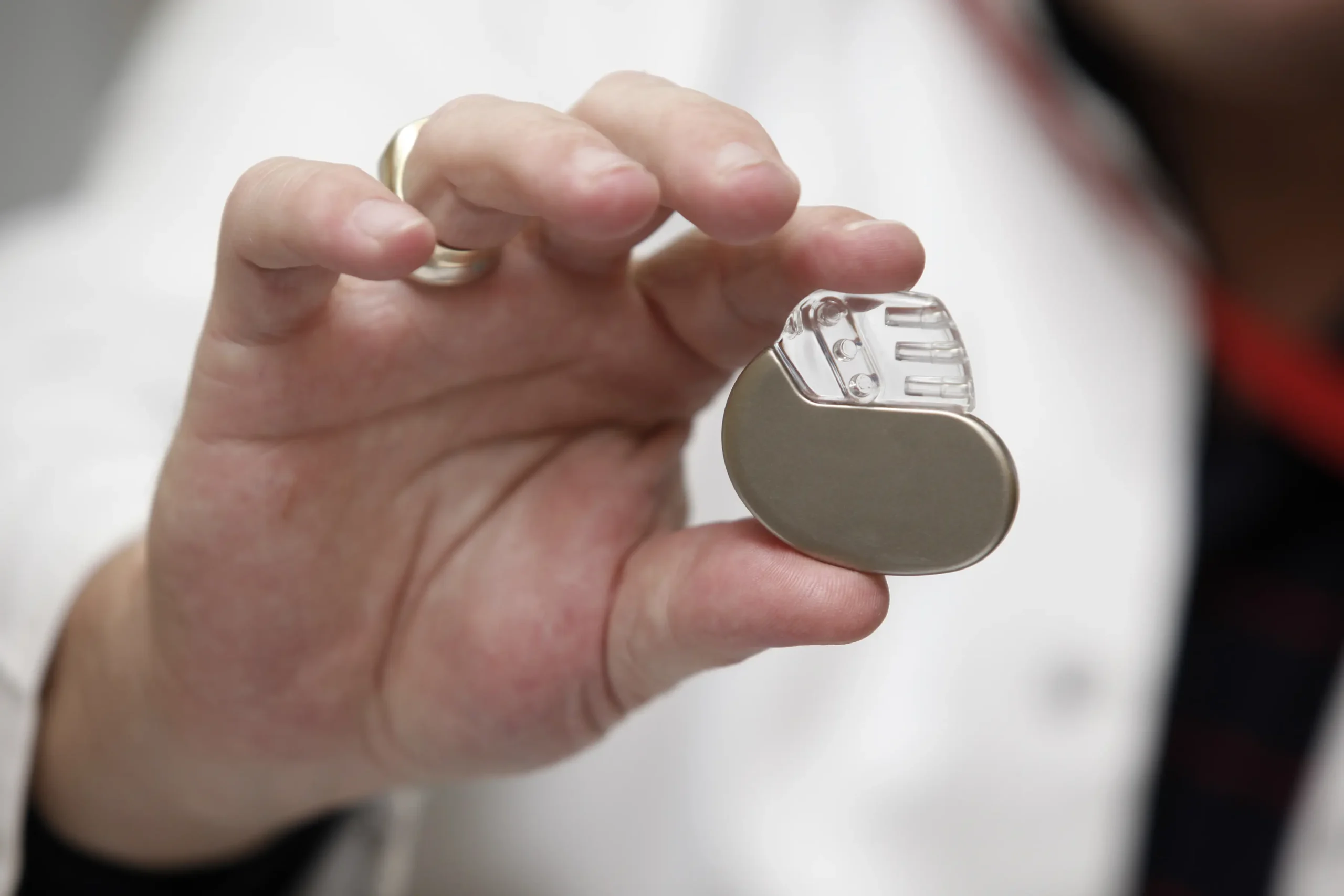
- Cardiac events when pacemakers/defibrillators malfunction, prematurely enter a safety mode, or require early replacement
- Stroke, thrombosis, or death risk when vascular or neurovascular implants don’t deploy correctly or fail to appose to vessel walls
- Early implant wear and failure in joint replacements leading to bone loss, severe pain, falls, and complex revision surgeries
- Dangerous readings from glucose monitoring systems that lead to critical treatment decisions and severe outcomes
This isn’t “just a complication.” The question becomes: Was this preventable with reasonable design, manufacturing controls, and warnings?.
Recall Radar: Recent FDA recalls and safety actions
Recalls don’t automatically prove liability, but they help identify patterns, affected lots, and known failure modes that matter in catastrophic cases.
Neurovascular implants (aneurysm devices / flow diverters)
These are implanted in brain vessels to treat aneurysms. Recent FDA recall activity includes Medtronic Pipeline Vantage embolization devices, where the FDA noted concerns such as devices not attaching properly or failing to stay attached events that can raise the risk of stroke or death.
Implantable cardiac rhythm devices (pacemakers / CRT pacemakers)
These devices help regulate heart rhythm. The FDA issued recall information involving Boston Scientific ACCOLADE pacemaker devices due to a manufacturing issue that may lead to early device replacement and serious clinical consequences if the device malfunctions.
Orthopedic implants (joint replacements)
Recall/safety actions have involved joint replacement systems where packaging or component issues can contribute to premature wear, early failure, pain, and revision surgery which can be especially devastating for medically fragile patients. The FDA has issued safety communications regarding Exactech joint replacement devices with defective packaging.
Continuous glucose monitoring sensors (CGMs)
These aren’t implanted like a joint or pacemaker, but they are body-worn medical devices that drive treatment decisions. The FDA issued an Early Alert for certain Abbott FreeStyle Libre 3 / Libre 3 Plus sensors due to reports of incorrect low glucose readings, which can lead to dangerous treatment decisions; public reporting tied the issue to serious injuries and deaths worldwide.
What to do if you suspect a device or implant failure
If there has been a serious injury, focus on safety and evidence:
- Get medical care and follow your clinicians’ guidance. Don’t delay urgent treatment.
- Preserve the product evidence when possible: packaging, implant cards, device identifiers (UDI), manuals, chargers, home monitoring equipment, and app logs.
- If a device is removed or revised, ask that explanted components be retained and documented (chain-of-custody matters).
- Keep a timeline: symptoms, appointments, emergency visits, revision procedures, and any provider notes you receive.

How we investigate catastrophic device cases
These are proof-driven cases. We typically focus on:
- Device identification (model, lot, UDI, implant date, revision date)
- Failure mode (migration, fracture, wear, software behavior, deployment failure, sensor inaccuracies)
- Standards and warnings (what the company knew, what it communicated, what it didn’t)
- Causation and damages in real life: ICU stays, stroke deficits, amputations, infection cascades, repeat surgeries, and long-term care needs
Damages in catastrophic injury and wrongful death cases
Depending on the facts, compensation can address:
- Past and future medical costs, revision surgeries, rehabilitation, long-term care
- Lost income and diminished earning capacity
- Pain, suffering, loss of life’s pleasures, disfigurement, disability
- Wrongful death damages for surviving family members (where applicable)


When the “solution” becomes the harm
Medical devices and implants are marketed as protection: mobility, stability, rhythm control, safer procedures, better management of chronic disease. When a product fails, it can take away independence, health, and life itself.
If you or your family is dealing with catastrophic injury or a death after a device malfunction or implant failure, we can help you evaluate whether there is a product-liability path forward and move quickly to preserve the evidence that matters.
Learn More
Social Media Addiction and Kids: What Parents Should Know as the First “Addictive Design” Trial Heads to a Jury
In late January 2026, a landmark case put a question in front of a jury for the first time: can major social media platforms be held responsible for designing apps that allegedly hook kids and contribute to serious mental health…

Tabletop Fire Pits Are Causing Devastating Burn Injuries. Here’s What Families Need to Know.
Decorative tabletop fire pits and “smokeless” mini fireplaces are being sold everywhere right now – big-box stores, discount chains, home décor shops, and online marketplaces. They’re marketed as cozy, stylish ways to create ambiance for family gatherings, s’mores nights, or…
Pressure Cooker Recalls & Explosions: What Injured Families Need to Know in 2025
Modern electric pressure cookers are marketed as “set it and forget it” tools that make busy lives easier. For many families, they’re used several times a week for soups, stews, and one-pot meals. But in the past year, a series…

Ultra-Processed Foods, Health Risks, and Lawsuits: What You Need to Know
If you or a loved one has been harmed by misleading food marketing or dangerous additives, you’re not alone. Ultra-processed foods (UPFs) are everywhere – cereals, snack bars, “diet” drinks, freezer meals, even items labeled “natural” or “heart-healthy.” As research…
Weight-Loss Drug Vision Loss Lawsuits (Ozempic®, Wegovy®, Mounjaro®, Zepbound®): What Patients Need to Know
GLP-1 medications like Ozempic® and Wegovy® (semaglutide) and Mounjaro® and Zepbound® (tirzepatide) have transformed the treatment of diabetes and obesity. For many patients, these drugs are life-changing. At the same time, a growing number of patients have reported sudden, sometimes…

E-Scooter Catastrophic Injuries, Battery Fires, and Lawsuits: What Riders and Families Need to Know
Electric scooters (e-scooters) are now a familiar sight in Philadelphia and across the U.S. But with popularity has come a surge in serious injuries and, increasingly, devastating lithium-ion battery fires. If you or a loved one suffered catastrophic injuries or…