
When protection fails, families pay the price.
Household safety devices are supposed to buy time a warning loud enough to wake you, a barrier that keeps a toddler out, a shutoff that prevents escalation, a product that helps you stop a fire before it becomes lethal. When these products fail, the outcome can be catastrophic: smoke inhalation, severe burns, carbon monoxide poisoning, hypoxic brain injury, drowning, or wrongful death.
We handle product liability cases involving safety products that didn’t perform the one job they were purchased to do.

How Much Is Your Case Worth?
What counts as a “household safety device” in a product case
These are products marketed and relied on to prevent or reduce serious harm at home, including:
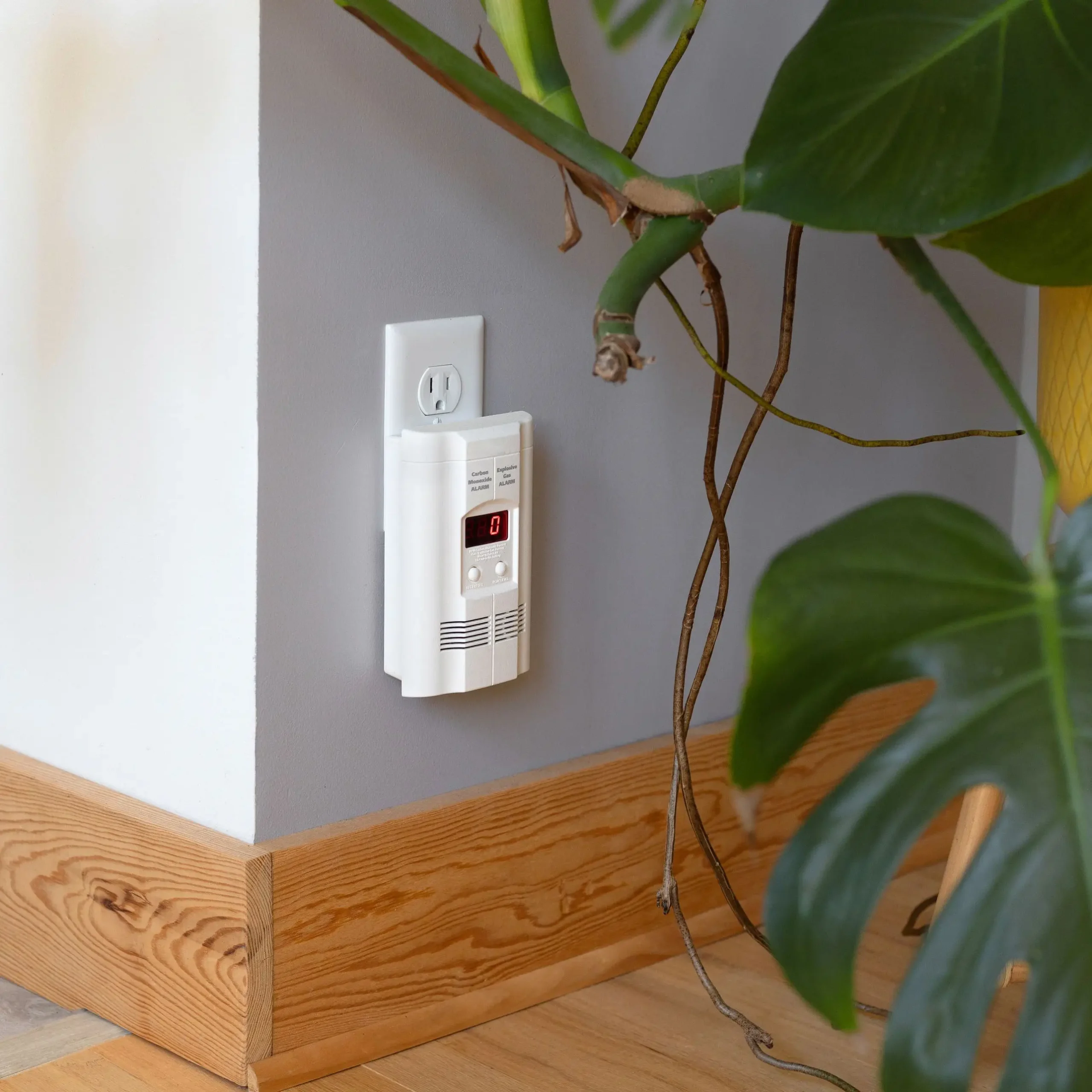
- Smoke alarms and combination smoke/carbon monoxide detectors
- Carbon monoxide alarms
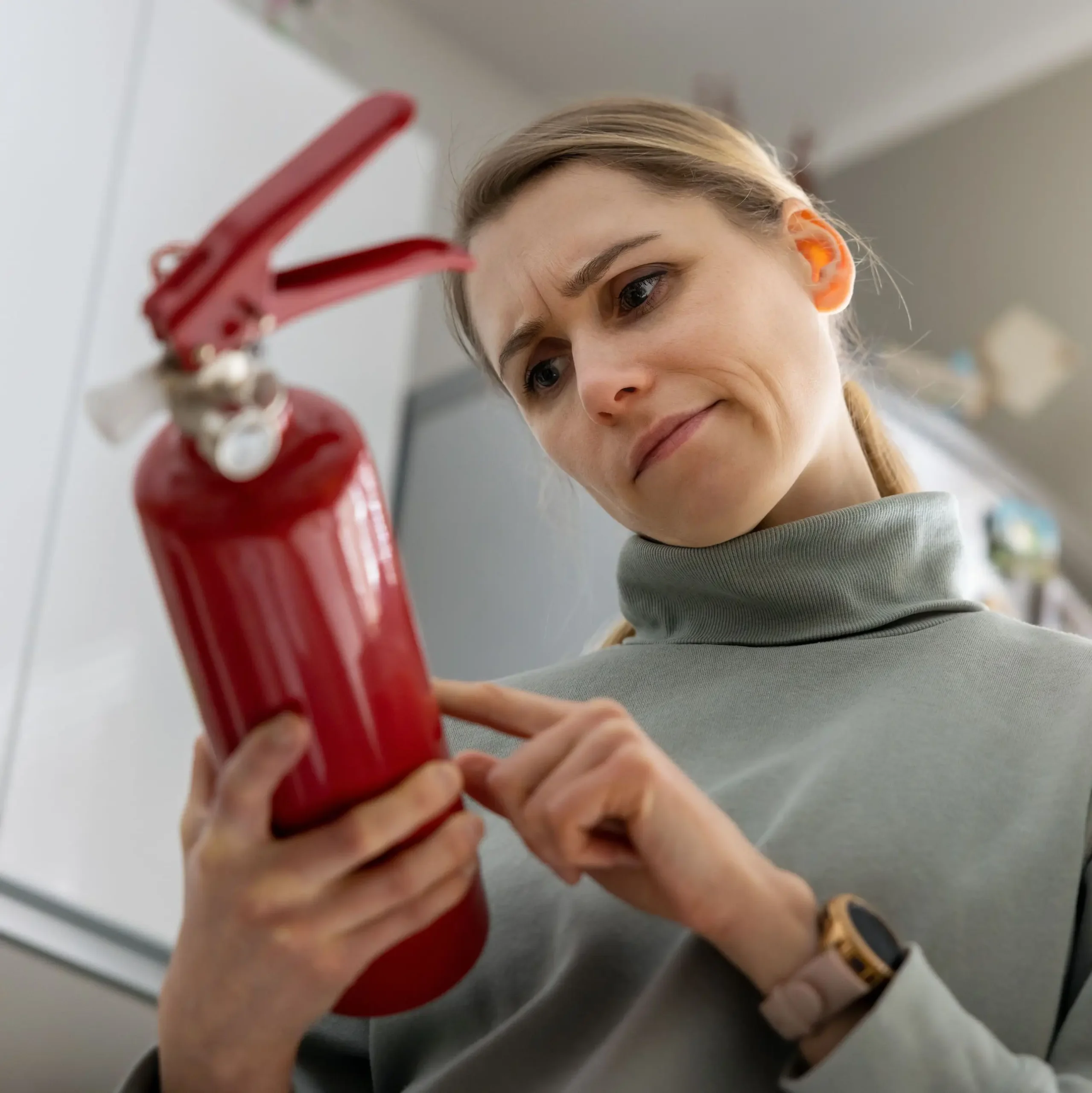
- Fire suppression products (including certain “automatic” or novelty extinguishing devices)
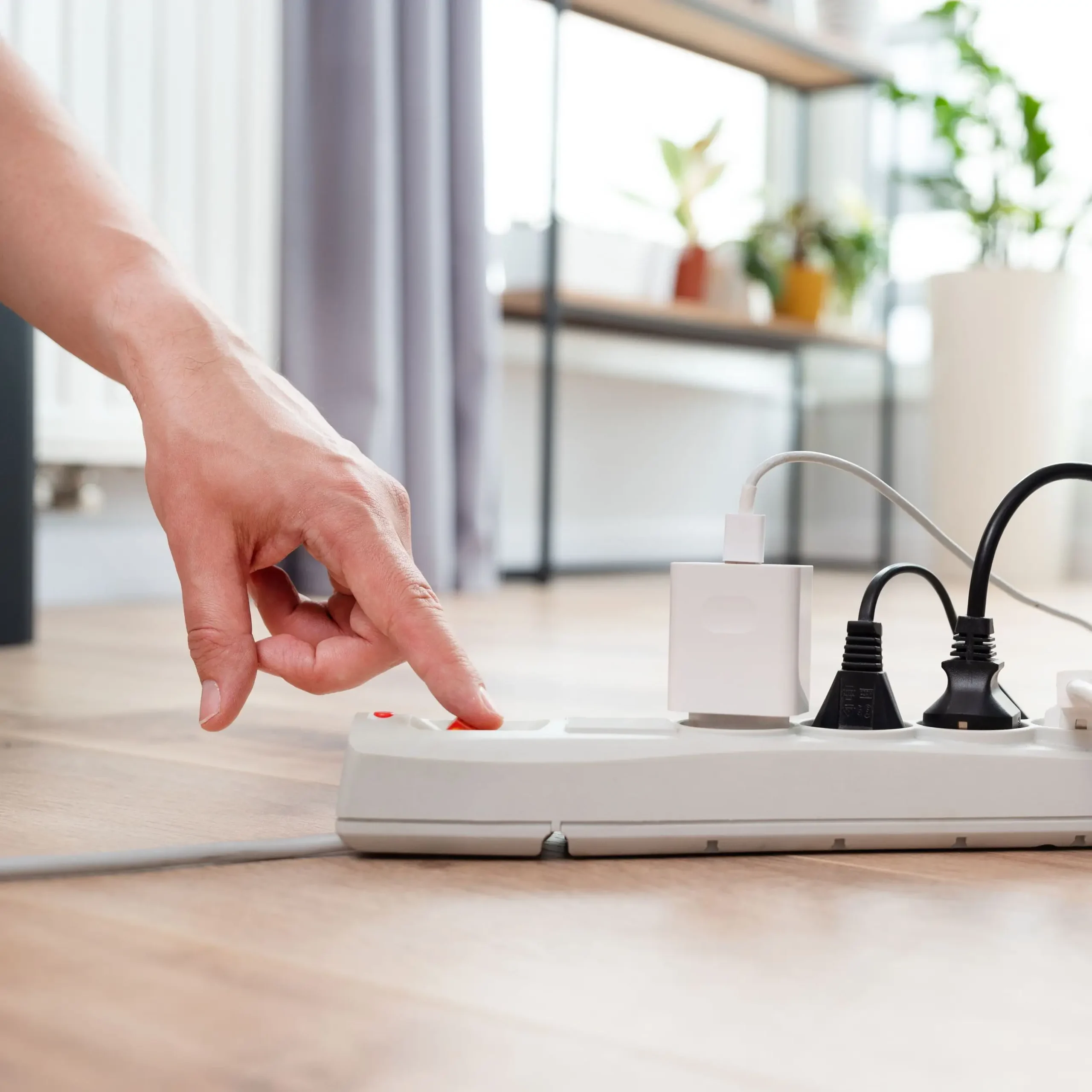
- Power protection products (power strips/surge-style products marketed for safety)
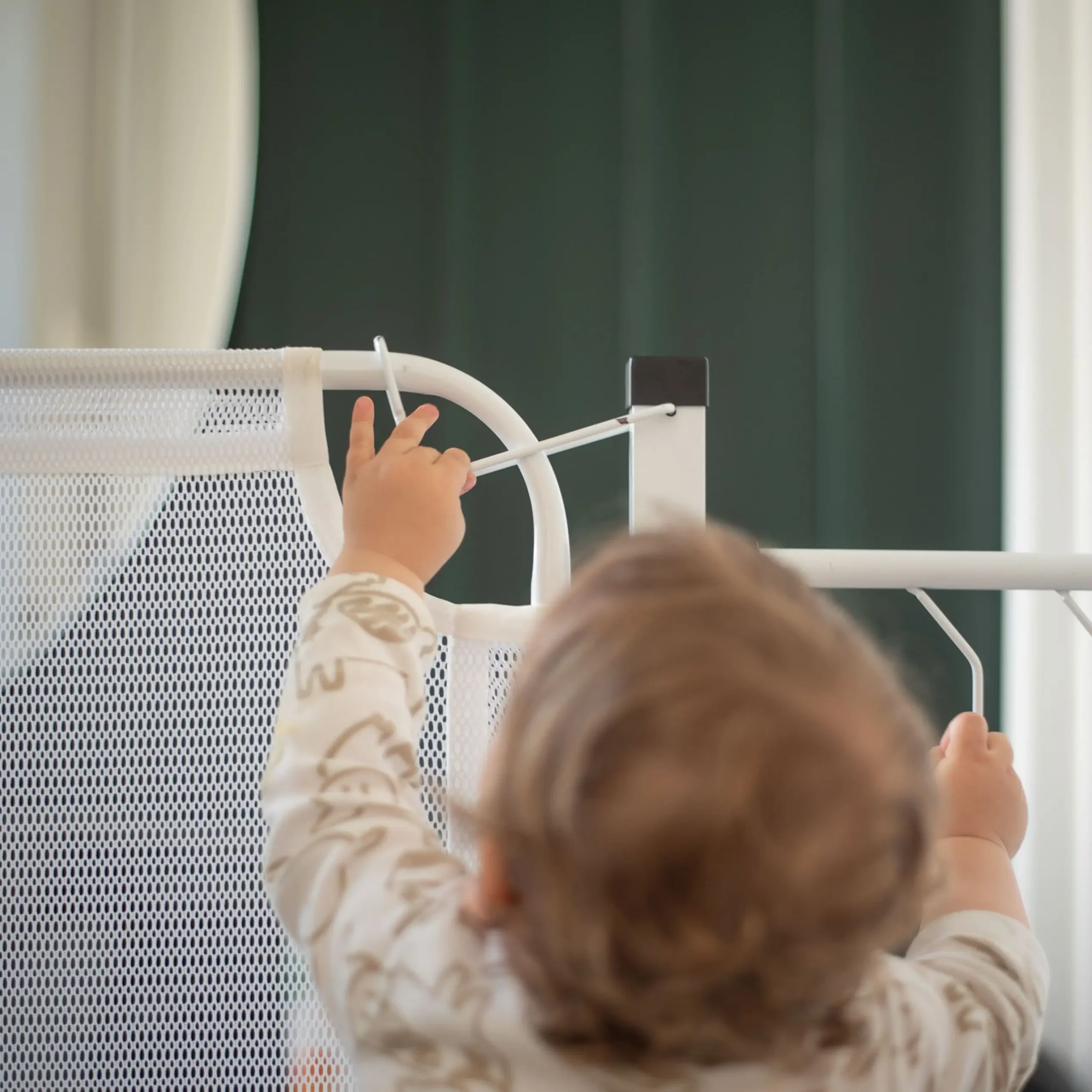
- Child safety barriers (gates and enclosures)
- Drowning-prevention products (including certain pool safety covers)
The core issue is the same across categories: a reasonable consumer relies on the device to work especially under stress and it doesn’t.
How safety-device failures become catastrophic
A detector that never alarms (or alarms too late) can mean occupants lose the minutes needed to escape a fire. A CO device that fails to alert can result in poisoning that causes permanent neurological injury or death. A child gate that doesn’t meet basic entrapment requirements can turn “childproofing” into a lethal hazard. A pool cover that creates dangerous gaps can allow a child to become trapped or submerged. A power strip without adequate protection can overheat, spark, and start a fire that spreads before anyone realizes what’s happening.
Recall Radar: Recent recalls and safety warnings
Recalls and safety warnings don’t automatically prove liability, but they can reveal known defect patterns and help pinpoint what went wrong.
- Apollo America (sold exclusively by Vivint) – combination smoke/CO detectors (model 51000-600) recalled because they can malfunction and fail to alert to a fire or CO leak, creating risk of serious injury or death.
- Shenzhen Lidingfeng Technology Co. Ltd. – CPSC warning on combination smoke/CO detectors (model JSN-JY-909COM) sold under multiple brand names because they can fail to alert consumers to smoke in a fire.
- Shenzhen Jikaida Technology – CPSC warning on combination smoke/CO detectors sold under brands including Juzhiann, YANLOYZW, JIKAIDA, Yieryi (models JKD512 / JKD512-COM) due to failure to alert risk.
- Tiergrade – CPSC warning on digital combination smoke/CO detectors sold on Walmart due to failure to alert consumers to deadly CO and smoke.
- Elide Fire – CPSC warning to stop using Elide fire extinguishing balls because they can fail to extinguish fires, increasing risk of serious injury or death from burns and smoke inhalation.
- Hefei Juyuan Sporting Development (ANNQUAN) – ANNQUAN power strips (models EX-D112-05 / EX-D106-25) recalled because they lack supplementary overcurrent protection, creating a fire risk with potential for serious injury or death.
- Endless Pools manual retractable security pool covers recalled due to drowning and entrapment hazards (risk of serious injury or death).
- Yiwu Baili Import and Export child safety gates recalled due to entrapment and fall hazards with stated risk of serious injury or death.
What we look for in a household safety-device case
These cases aren’t just “the product didn’t work.” The investigation typically focuses on:
- Failure mode: why the device failed in real conditions (power, sensors, latch/lock mechanisms, materials, heat exposure, installation tolerances).
- Warnings and instructions: whether the product gave clear, accurate guidance or created false reassurance.
- Standards and testing: whether the product met applicable safety requirements and how it performed in credible testing.
- Chain of responsibility: manufacturer, importer, seller/marketplace, installer, and anyone in the distribution path.
What to do after a safety device failure
If you can do so safely, these steps can protect both your family and the evidence:
- Remove the device from service (replace it with a safe alternative immediately if it’s an alarm or critical barrier).
- Preserve the product as-is (don’t repair or disassemble). Photograph the front/back, model numbers, and installation location.
- Save packaging, manuals, receipts, and app logs (for “smart” devices), plus any related batteries, chargers, mounts, or screws.
- If there was a fire/CO event/drowning incident, secure fire reports, EMS records, hospital records, and any insurer communications.
Because “it was supposed to keep us safe” is not an answer
When a safety device fails, families live with consequences measured in surgeries, long-term care, disability, and grief. If a defective alarm, barrier, shutoff, or protective device contributed to catastrophic injury or wrongful death, the case deserves a product-liability investigation that matches the stakes, focused, technical, and built around proof.

Learn More
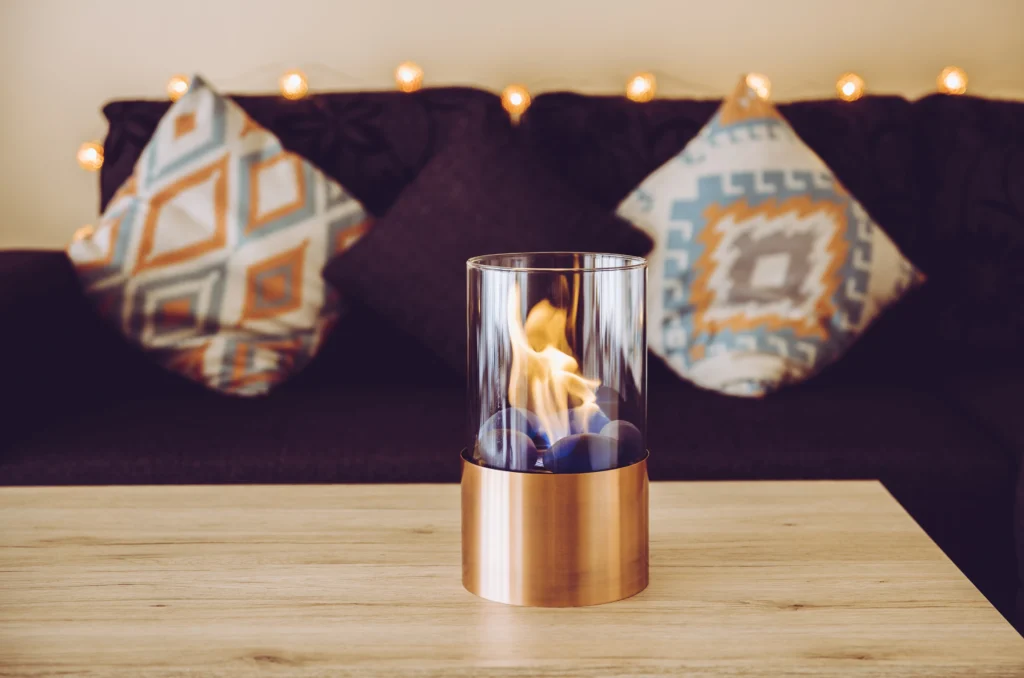
Tabletop Fire Pits Are Causing Devastating Burn Injuries. Here’s What Families Need to Know.
Decorative tabletop fire pits and “smokeless” mini fireplaces are being sold everywhere right now – big-box stores, discount chains, home décor shops, and online marketplaces. They’re marketed as cozy, stylish ways to create ambiance for family gatherings, s’mores nights, or…
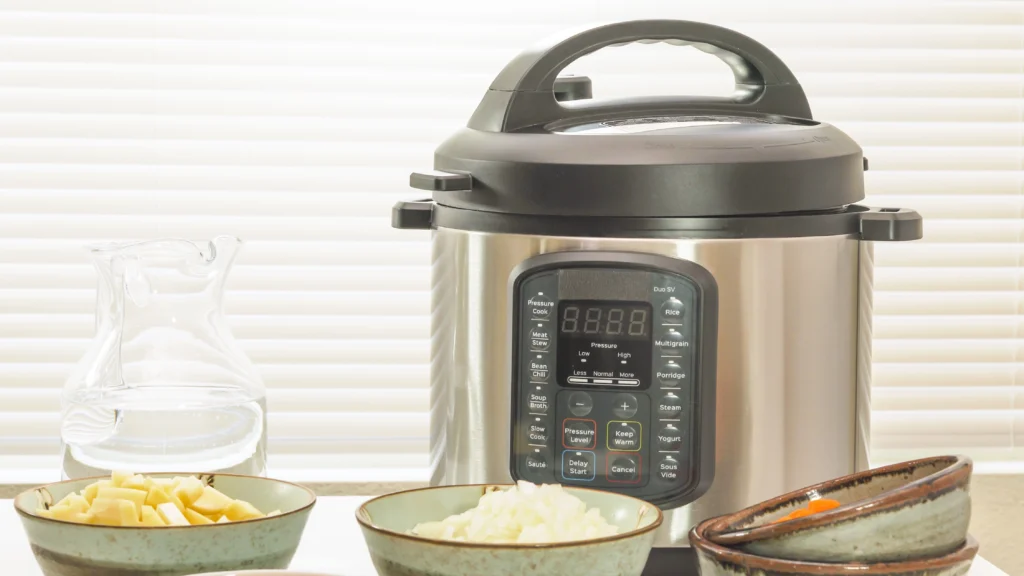
Pressure Cooker Recalls & Explosions: What Injured Families Need to Know in 2025
Modern electric pressure cookers are marketed as “set it and forget it” tools that make busy lives easier. For many families, they’re used several times a week for soups, stews, and one-pot meals. But in the past year, a series…

Ultra-Processed Foods, Health Risks, and Lawsuits: What You Need to Know
If you or a loved one has been harmed by misleading food marketing or dangerous additives, you’re not alone. Ultra-processed foods (UPFs) are everywhere – cereals, snack bars, “diet” drinks, freezer meals, even items labeled “natural” or “heart-healthy.” As research…
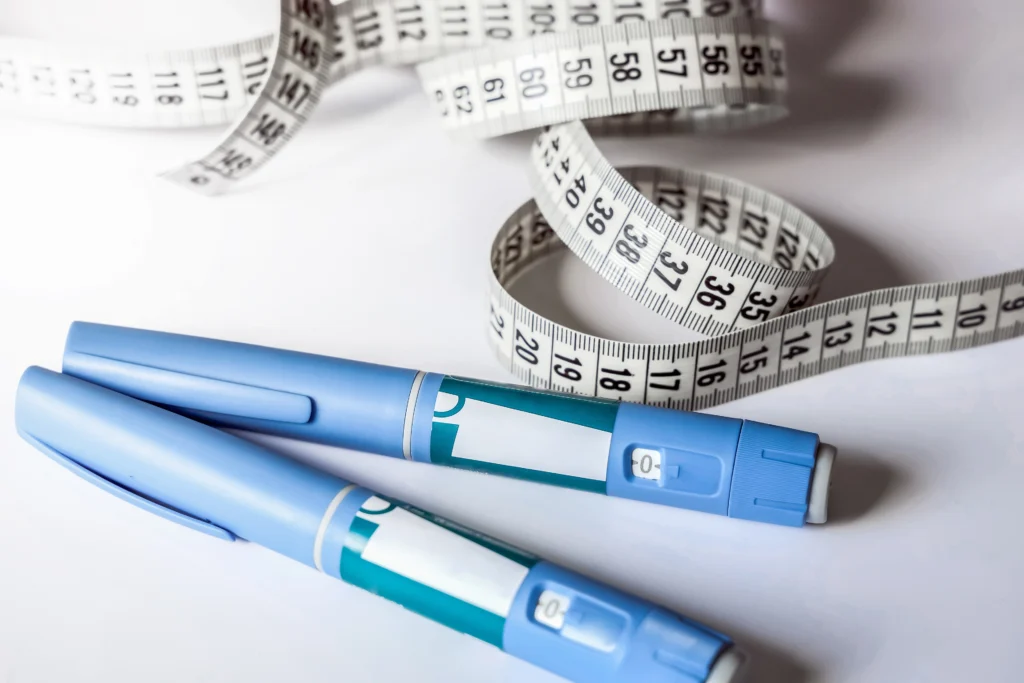
Weight-Loss Drug Vision Loss Lawsuits (Ozempic®, Wegovy®, Mounjaro®, Zepbound®): What Patients Need to Know
GLP-1 medications like Ozempic® and Wegovy® (semaglutide) and Mounjaro® and Zepbound® (tirzepatide) have transformed the treatment of diabetes and obesity. For many patients, these drugs are life-changing. At the same time, a growing number of patients have reported sudden, sometimes…
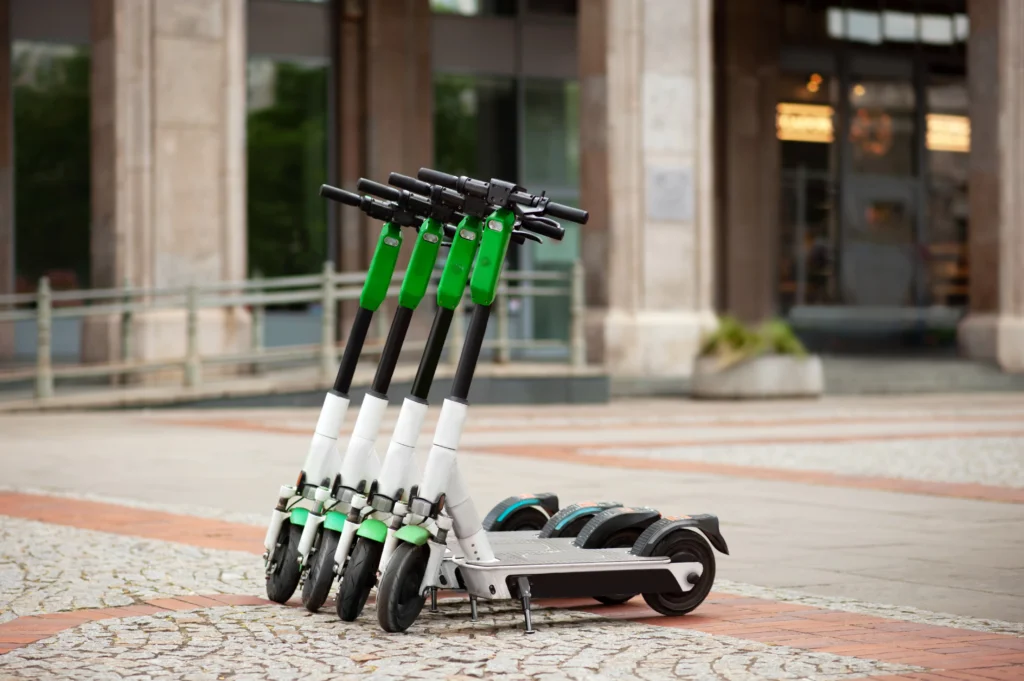
E-Scooter Catastrophic Injuries, Battery Fires, and Lawsuits: What Riders and Families Need to Know
Electric scooters (e-scooters) are now a familiar sight in Philadelphia and across the U.S. But with popularity has come a surge in serious injuries and, increasingly, devastating lithium-ion battery fires. If you or a loved one suffered catastrophic injuries or…
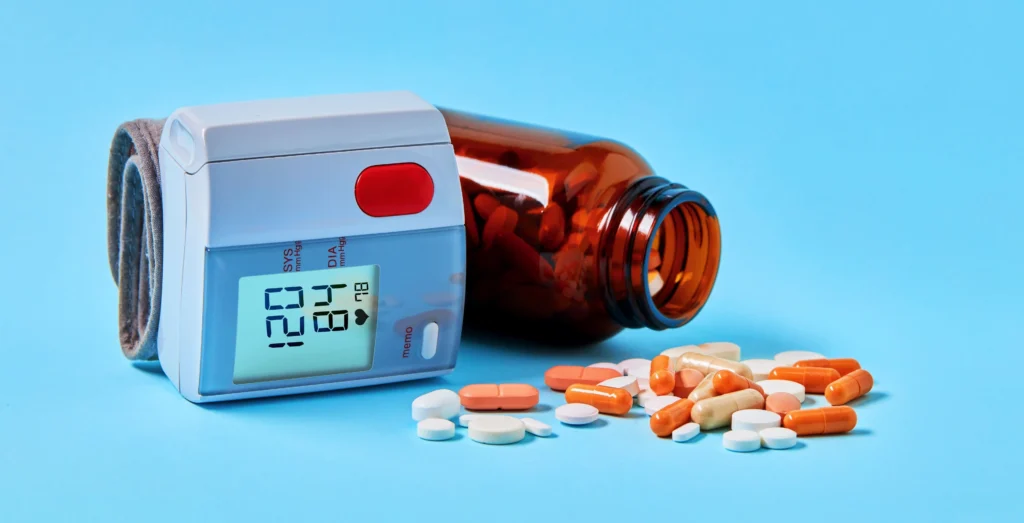
580,000 Bottles of Blood Pressure Drug Recalled for Cancer Risk: What Patients Should Know
The FDA has confirmed a nationwide recall of more than 580,000 bottles of the prescription medication prazosin hydrochloride (1 mg, 2 mg, and 5 mg capsules) after testing found nitrosamine impurities above the agency’s acceptable limits—compounds that, with long-term exposure,…