
When a children’s product fails, the harm can be irreversible.
Parents buy children’s products for one reason: safety. But when a crib mattress traps an infant, a highchair collapses, a bath seat tips, or a toy exposes a child to a deadly ingestion hazard, the consequences can be catastrophic: brain injury, hypoxia, internal burns, permanent disability, or wrongful death.
This isn’t “bad luck.” It’s often preventable design, manufacturing, or warning failure. And it deserves a product-liability investigation not a quick explanation and a refund.

How Much Is Your Case Worth?
The hazards that most often lead to catastrophic injury or death
Suffocation & entrapment
Suffocation and entrapment cases often involve products that are marketed to help babies rest or play safely, but that create conditions where an infant can’t breathe or can’t free themselves. This can happen when an infant sleep product has unsafe dimensions, overly soft or thick padding, or gaps where a baby’s face can become pressed into a surface. It also happens when play yards are used with add-on mattresses or pads that don’t fit correctly allowing the mattress to shift and leaving spaces along the sides where an infant can become trapped. In other scenarios, strollers and seated products can have openings or poorly designed supports that create head/neck entrapment risks, particularly for infants who lack the strength to reposition themselves.
Deadly ingestion
Deadly ingestion hazards often come from small components that children can access in ordinary household products, most notably button cell or coin batteries, and high-powered magnets. If a child swallows a button battery, it can create a chemical/electrical reaction that burns internal tissue, leading to catastrophic injury or death. High-powered magnets are uniquely dangerous because a child may swallow more than one (or swallow one and ingest a metal object), and the magnets can attract through intestinal walls, causing perforations, infection, sepsis, and life-threatening complications that may require emergency surgery.
Drowning
Drowning hazards in child products are especially dangerous because they can unfold silently and quickly. Infant bath seats and bath supports may appear secure, but if the product is unstable, tips easily, or has leg openings that allow a baby to slip downward, a child can end up face-down or submerged in a matter of seconds. Even with supervision nearby, a tipping or sliding event can create a rapid emergency with devastating outcomes.
Strangulation
Strangulation hazards frequently involve cords or loops, most commonly in window coverings, where a child can become entangled without making noise or being able to free themselves. Long cords can form a loop around a child’s neck, and in a worst-case scenario, strangulation can occur quickly, leading to hypoxic brain injury or death.
Burns & thermal injuries (scalds, contact burns, and fires)
Children can suffer life-altering burns when products overheat, lack temperature controls, tip easily, or expose hot surfaces especially with bottle warmers, space heaters, humidifiers, electric blankets/heating pads, and children’s sleep products with overheating components. In catastrophic cases, burns can mean grafting, permanent scarring, contractures, infection risk, and long-term functional impairment.
Falls & collapse
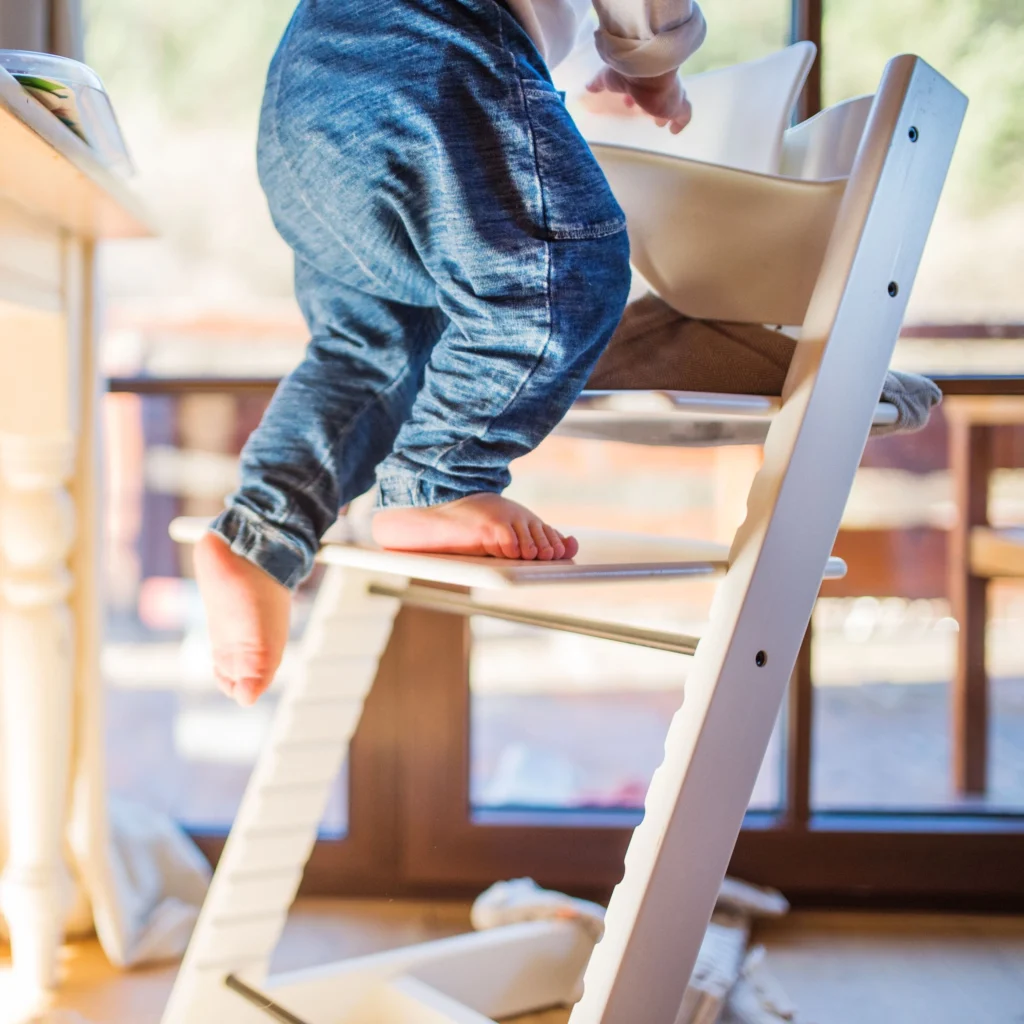
Falls and collapse injuries typically trace back to the moment a product that should be stable like a highchair or child seating system, suddenly isn’t. Catastrophic injuries can occur when a restraint fails, a latch doesn’t lock, a seat separates from its frame, or a structural component gives way, causing a child to fall from height or be struck or pinned by the collapsing product. In the most severe incidents, a fall can lead to traumatic brain injury, spinal injury, or fatal head trauma.
Recall Radar: Recent child-product recalls and warnings
Unsafe sleep, loungers, and mattresses
- TADAKAZU baby loungers recalled for suffocation, fall, and entrapment hazards and violations of infant sleep product standards.
- ZRWD infant swings recalled for suffocation hazard and multiple federal safety violations.
- Criblike crib mattresses recalled for entrapment/suffocation risk and violations of mandatory mattress standards.
- Modera Pack N Play / play yard mattresses recalled for entrapment risk and violations of mandatory crib mattress standards.
Play yards and “extras” that create deadly gaps
- Anna Queen play yards recalled for suffocation/entrapment hazards (infants can become trapped under/alongside the mattress).
- Welspo play yards – CPSC warning to stop use due to suffocation hazard and violations of federal play yard regulations.
- Hiccapop (Keezio Group LLC) play yard mattresses – CPSC warning to stop use due to entrapment/suffocation risk and standards violations.
Highchairs and seated products (falls + entrapment)
- Bugaboo “Giraffe” highchairs recalled because legs can detach if screws aren’t properly tightened, creating a fall hazard with risk of serious injury or death.
- Boyro Baby highchairs recalled for fall and entrapment hazards (restraint system not attached; latches can fail).
- Funlio (Ecogoods) convertible highchairs recalled for deadly entrapment hazard and restraint failure.
- Rotinyard convertible highchairs recalled for fall + entrapment hazards and high-chair standard violations.
Bath seats (drowning risk)
- Bebamour baby bath seats recalled because instability and wide leg openings can lead to drowning risk with potential for serious injury or death.
- YCXXKJ (BenTalk) bath seats recalled due to instability/tip-over drowning risk.
Batteries, magnets, and toxic exposure (death / life-altering internal injury)
- SNLN party supply toys recalled because children can access button cell batteries, posing a deadly ingestion hazard.
- Great Lakes Wholesale International battery packs recalled for non-child-resistant packaging; battery ingestion can cause internal chemical burns and death.
- High-powered magnetic ball sets (sold via Walmart / Joybuy) recalled for dangerous ingestion risk in violation of federal magnet toy rules.
- Yaomiao children’s jewelry sets recalled due to lead/cadmium poisoning risk if ingested.
Strangulation hazards in the home
- BTAMREE roll-up window blinds recalled due to strangulation/entanglement hazards from long cords.
- Homebox blackout roller shades recalled due to cord strangulation/entanglement hazards and risk of serious injury or death.
What to do after a child product incident
If there’s been a serious injury or loss:
- Get medical care immediately and follow providers’ instructions.
- Preserve the product exactly as-is (do not repair, modify, or discard it).
- Save packaging, manuals, receipts, warning labels, and any batteries/accessories involved.
- Photograph the product and scene from multiple angles, including model numbers and date codes.
- Write down what happened while it’s fresh (who was present, how the product was used, and what failed).

How we investigate catastrophic child product cases
These cases are built on evidence and accountability:
- Identifying design defects, manufacturing defects, and failure-to-warn issues
- Tracing the chain of distribution (manufacturer, importer, retailer, online marketplace seller)
- Reviewing standards compliance and recall/incident history where relevant
- Building damages that reflect the reality of catastrophic harm: lifetime care, profound disability needs, and wrongful death losses
When safety is the product and it breaks
A children’s product isn’t supposed to be “good enough.” It’s supposed to be safe, even when real families use it in real life. If a defect caused catastrophic injury or took your child’s life, you deserve answers grounded in proof and a legal strategy built for the scale of the loss.
If you’re ready, we can evaluate the product, preserve the evidence, and pursue the companies responsible. Contact us today.

Learn More

Tabletop Fire Pits Are Causing Devastating Burn Injuries. Here’s What Families Need to Know.
Decorative tabletop fire pits and “smokeless” mini fireplaces are being sold everywhere right now – big-box stores, discount chains, home décor shops, and online marketplaces. They’re marketed as cozy, stylish ways to create ambiance for family gatherings, s’mores nights, or…
Pressure Cooker Recalls & Explosions: What Injured Families Need to Know in 2025
Modern electric pressure cookers are marketed as “set it and forget it” tools that make busy lives easier. For many families, they’re used several times a week for soups, stews, and one-pot meals. But in the past year, a series…

Ultra-Processed Foods, Health Risks, and Lawsuits: What You Need to Know
If you or a loved one has been harmed by misleading food marketing or dangerous additives, you’re not alone. Ultra-processed foods (UPFs) are everywhere – cereals, snack bars, “diet” drinks, freezer meals, even items labeled “natural” or “heart-healthy.” As research…
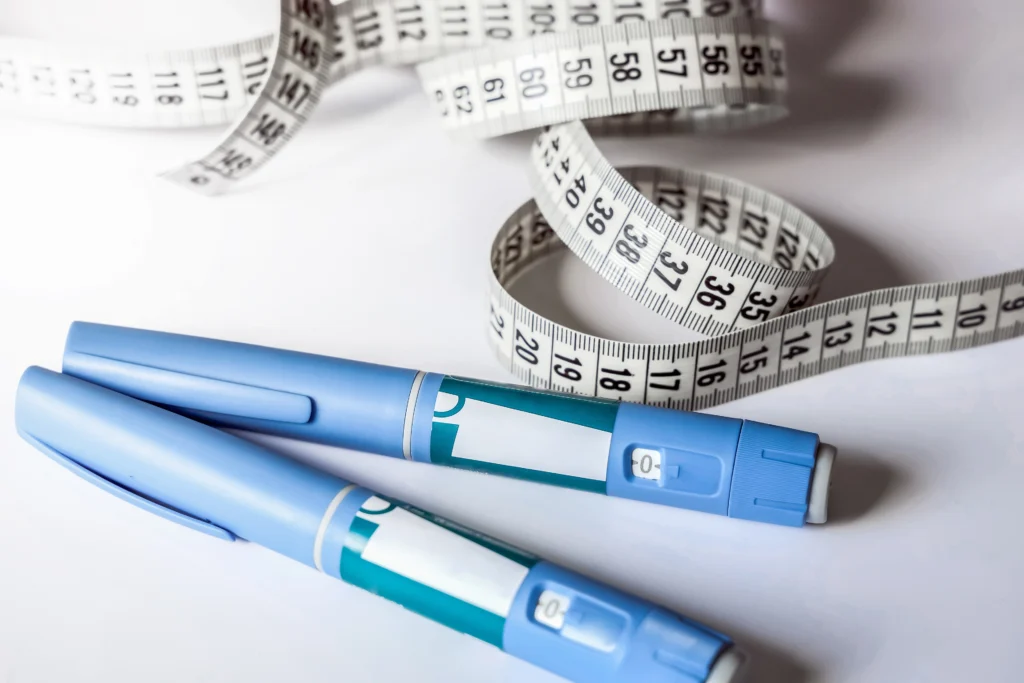
Weight-Loss Drug Vision Loss Lawsuits (Ozempic®, Wegovy®, Mounjaro®, Zepbound®): What Patients Need to Know
GLP-1 medications like Ozempic® and Wegovy® (semaglutide) and Mounjaro® and Zepbound® (tirzepatide) have transformed the treatment of diabetes and obesity. For many patients, these drugs are life-changing. At the same time, a growing number of patients have reported sudden, sometimes…
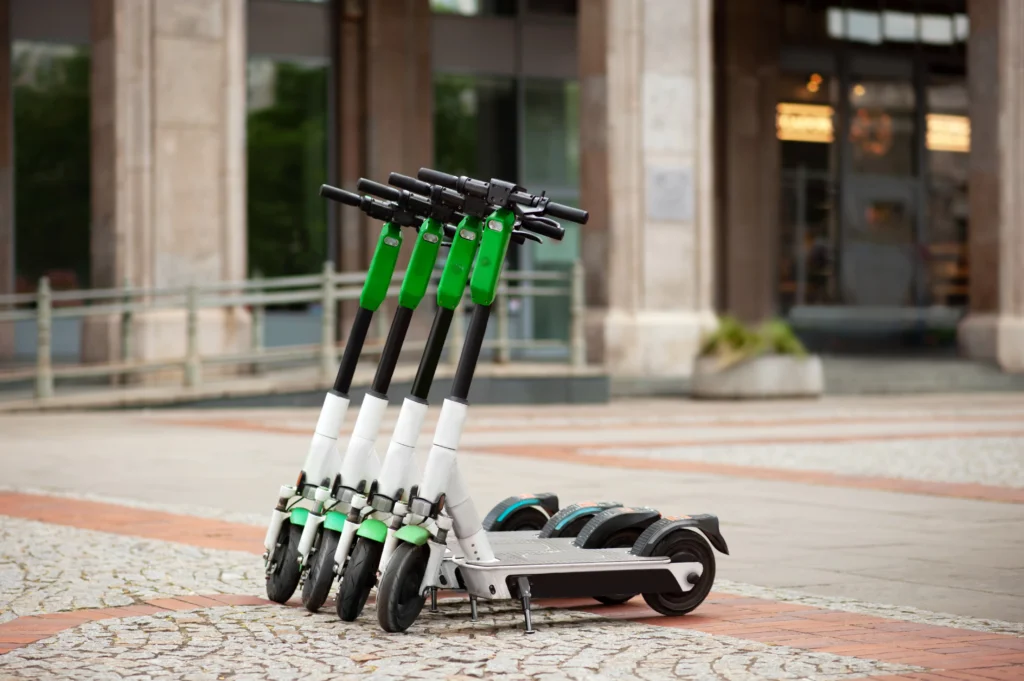
E-Scooter Catastrophic Injuries, Battery Fires, and Lawsuits: What Riders and Families Need to Know
Electric scooters (e-scooters) are now a familiar sight in Philadelphia and across the U.S. But with popularity has come a surge in serious injuries and, increasingly, devastating lithium-ion battery fires. If you or a loved one suffered catastrophic injuries or…
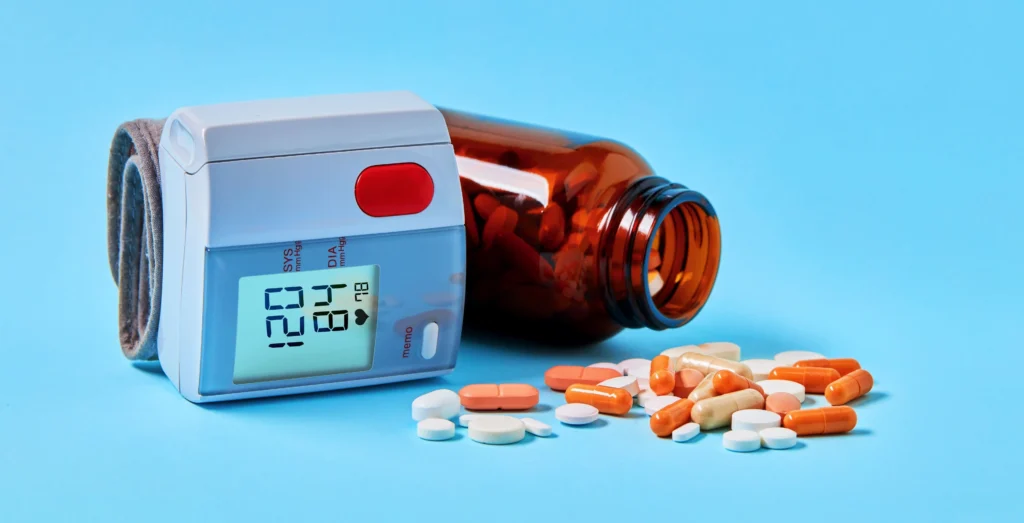
580,000 Bottles of Blood Pressure Drug Recalled for Cancer Risk: What Patients Should Know
The FDA has confirmed a nationwide recall of more than 580,000 bottles of the prescription medication prazosin hydrochloride (1 mg, 2 mg, and 5 mg capsules) after testing found nitrosamine impurities above the agency’s acceptable limits—compounds that, with long-term exposure,…