
When protection fails, families pay the price.
Household safety devices are supposed to buy time a warning loud enough to wake you, a barrier that keeps a toddler out, a shutoff that prevents escalation, a product that helps you stop a fire before it becomes lethal. When these products fail, the outcome can be catastrophic: smoke inhalation, severe burns, carbon monoxide poisoning, hypoxic brain injury, drowning, or wrongful death.
We handle product liability cases involving safety products that didn’t perform the one job they were purchased to do.

How Much Is Your Case Worth?
What counts as a “household safety device” in a product case
These are products marketed and relied on to prevent or reduce serious harm at home, including:
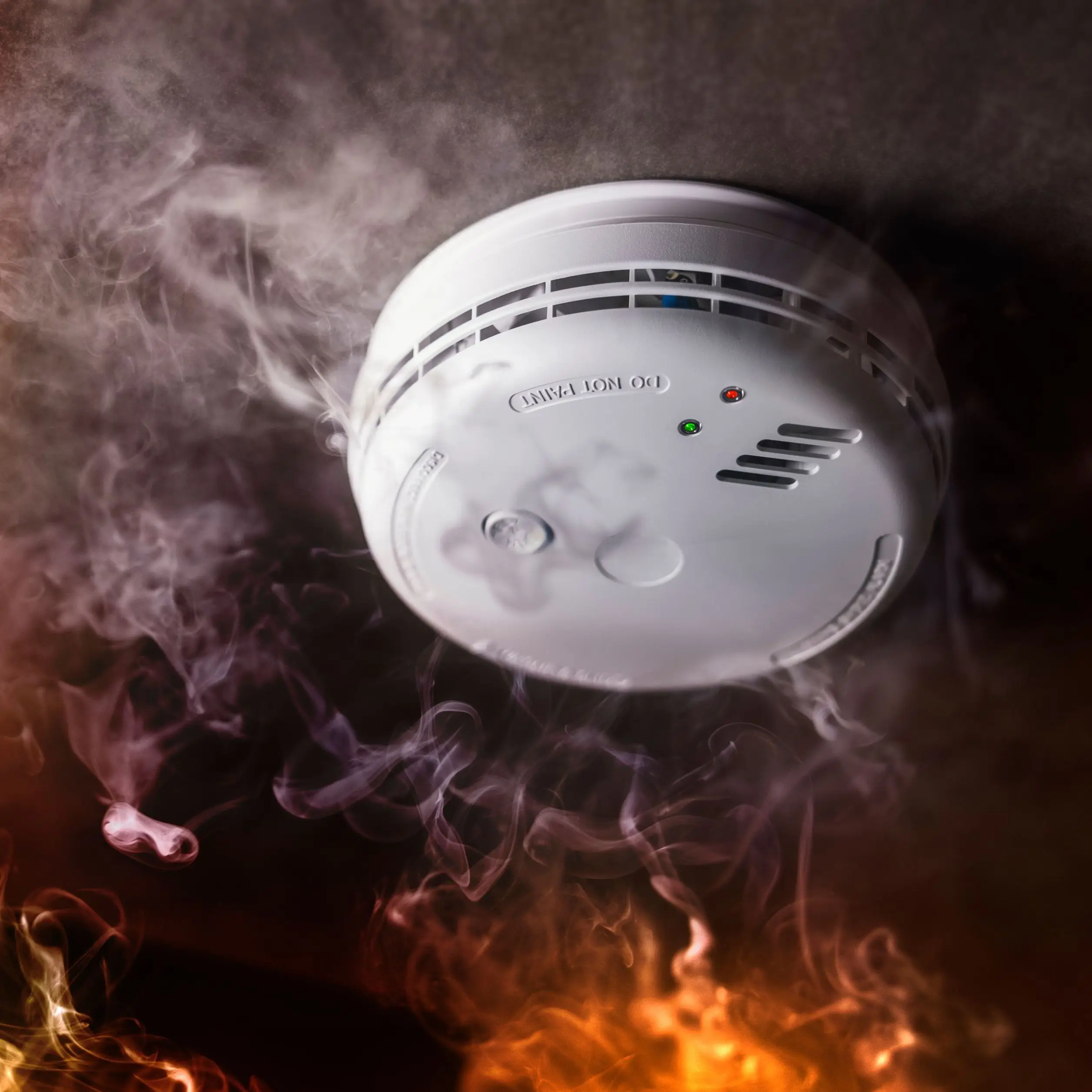
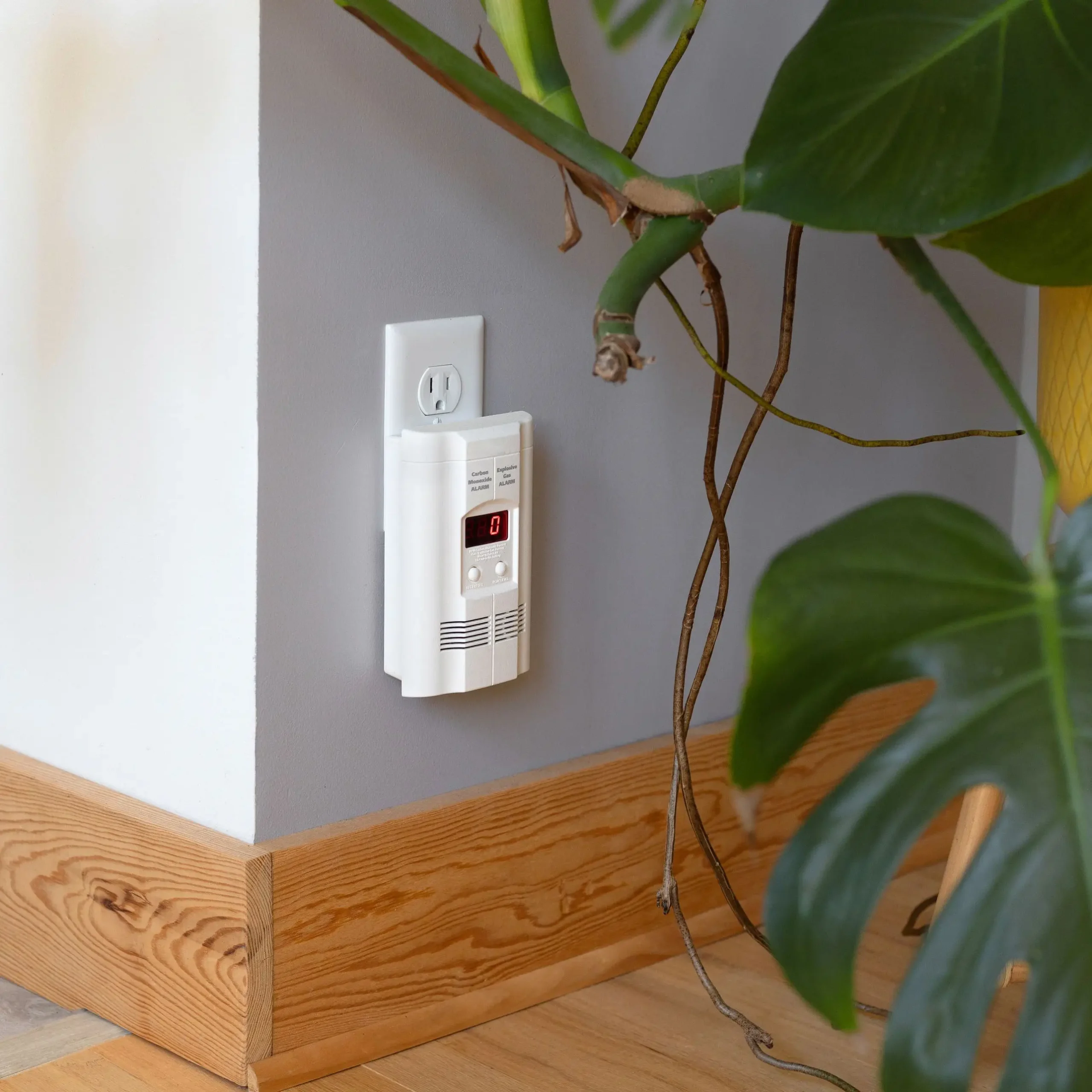
- Smoke alarms and combination smoke/carbon monoxide detectors
- Carbon monoxide alarms
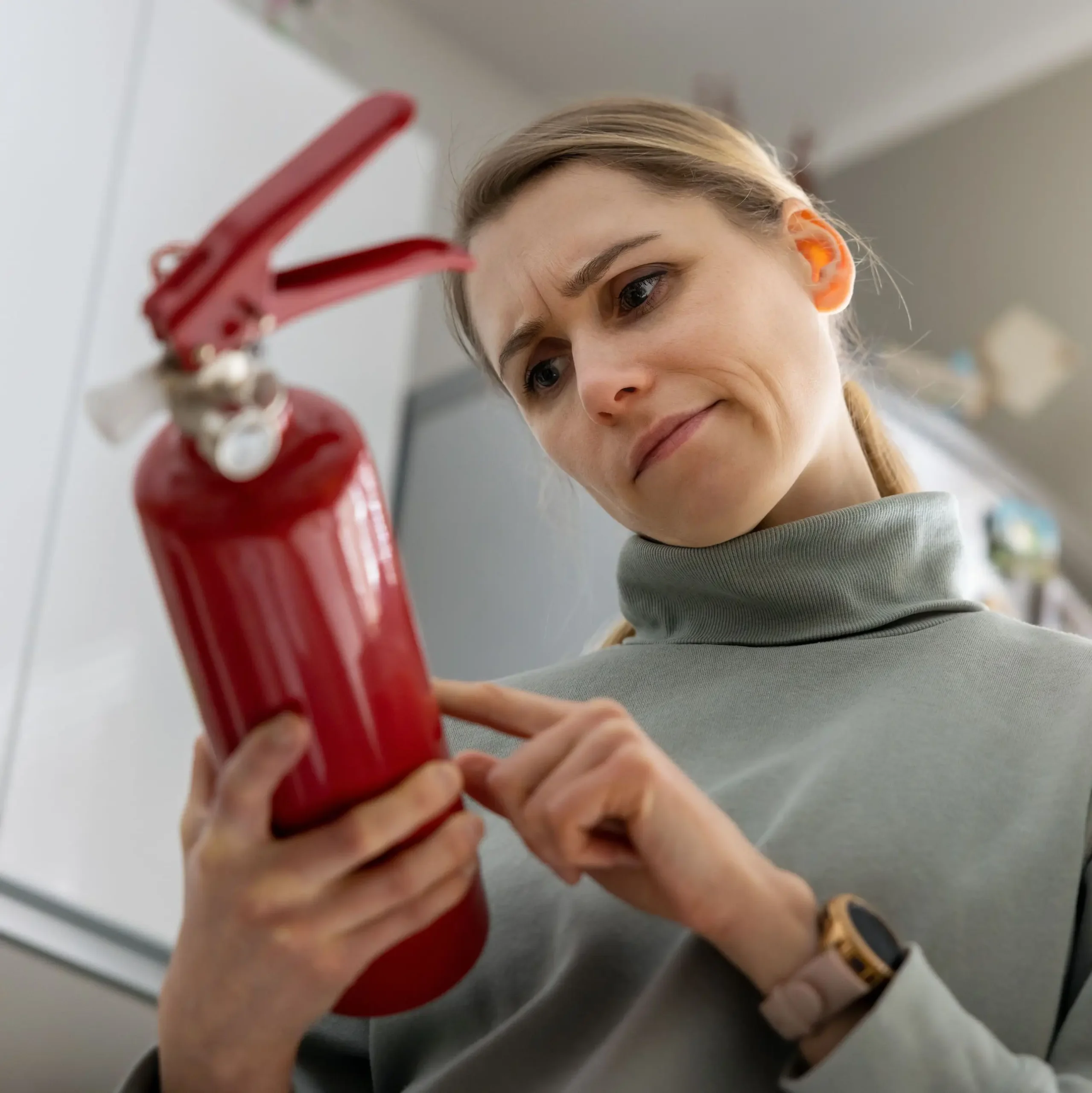
- Fire suppression products (including certain “automatic” or novelty extinguishing devices)
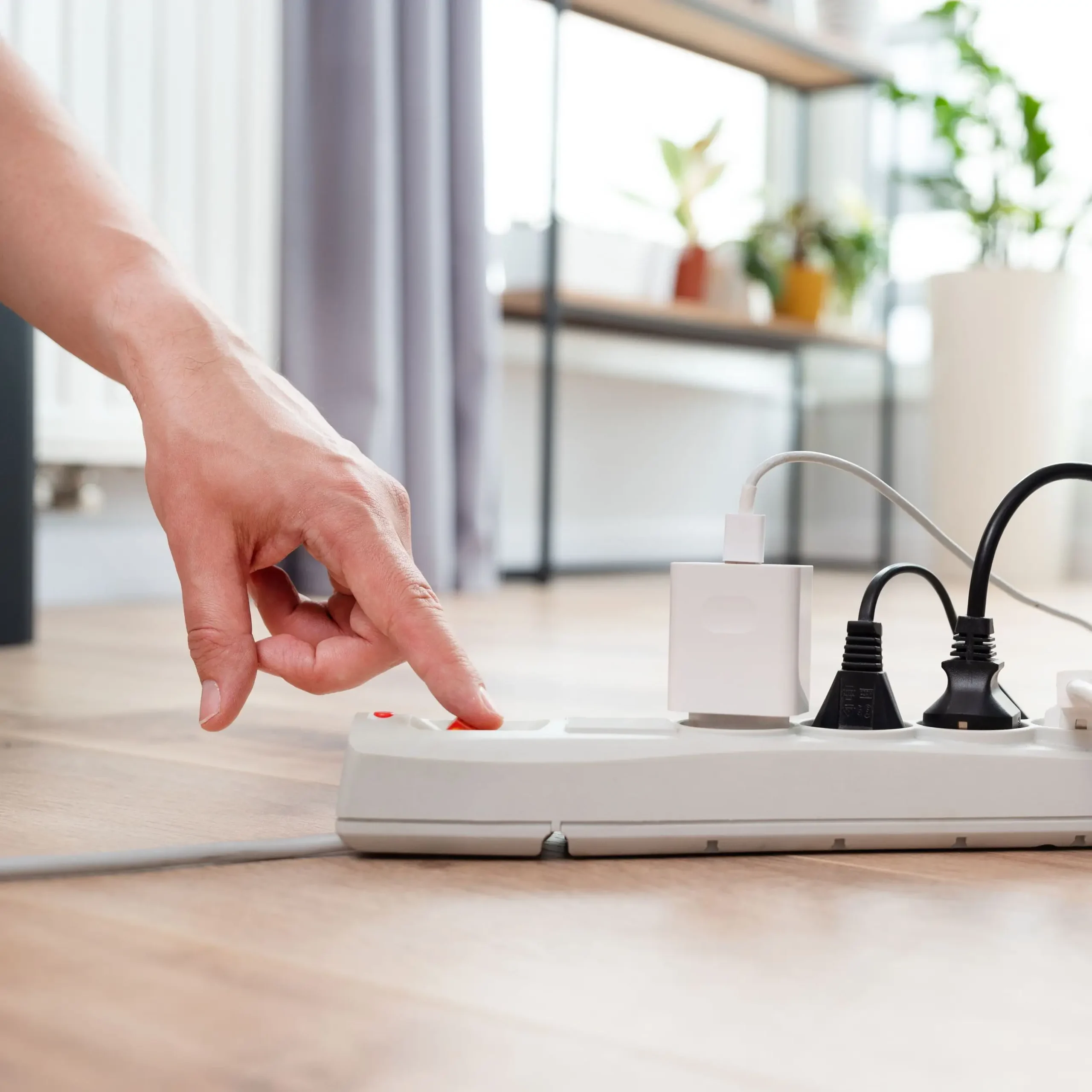
- Power protection products (power strips/surge-style products marketed for safety)
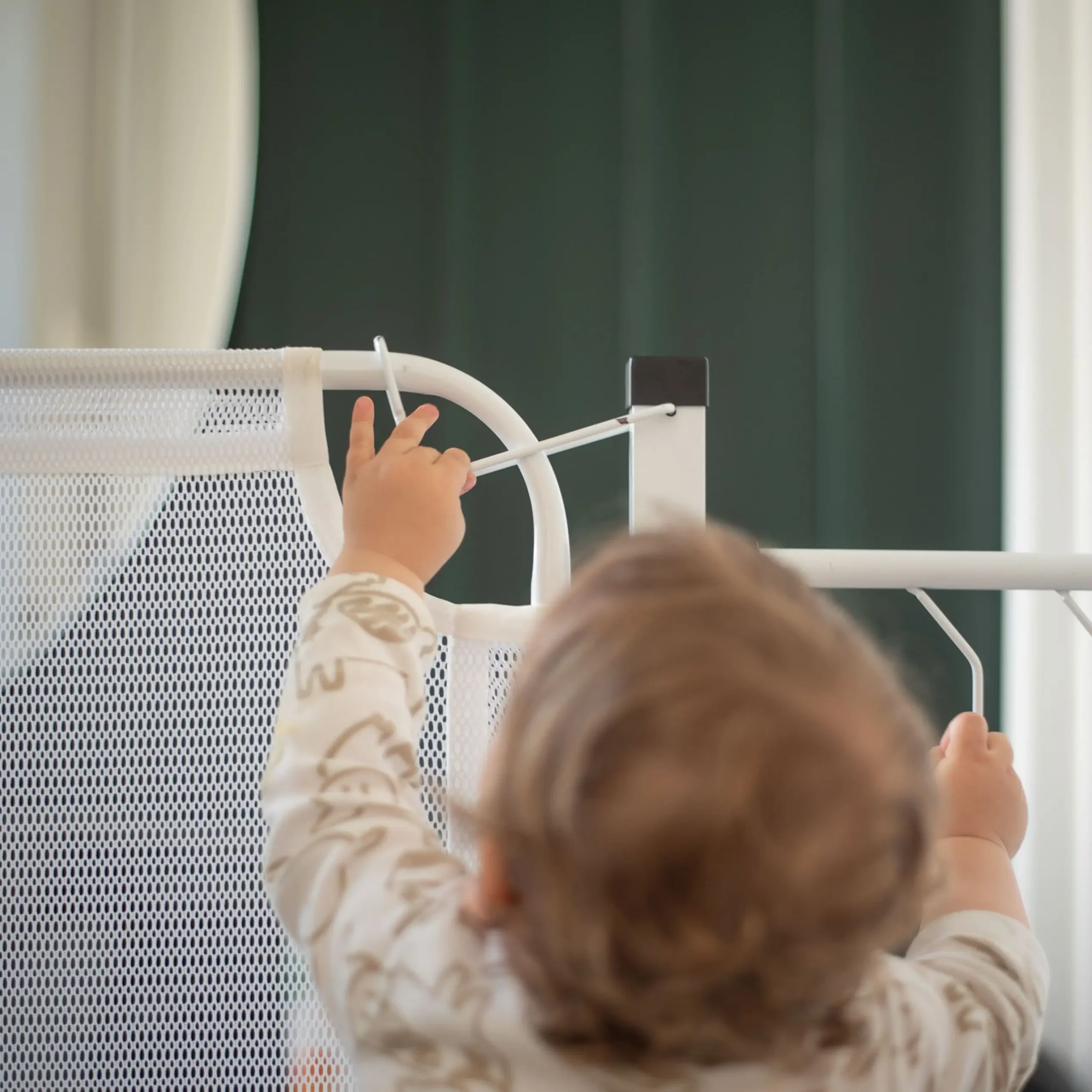
- Child safety barriers (gates and enclosures)
- Drowning-prevention products (including certain pool safety covers)
The core issue is the same across categories: a reasonable consumer relies on the device to work especially under stress and it doesn’t.
How safety-device failures become catastrophic
A detector that never alarms (or alarms too late) can mean occupants lose the minutes needed to escape a fire. A CO device that fails to alert can result in poisoning that causes permanent neurological injury or death. A child gate that doesn’t meet basic entrapment requirements can turn “childproofing” into a lethal hazard. A pool cover that creates dangerous gaps can allow a child to become trapped or submerged. A power strip without adequate protection can overheat, spark, and start a fire that spreads before anyone realizes what’s happening.
Recall Radar: Recent recalls and safety warnings
Recalls and safety warnings don’t automatically prove liability, but they can reveal known defect patterns and help pinpoint what went wrong.
- Apollo America (sold exclusively by Vivint) – combination smoke/CO detectors (model 51000-600) recalled because they can malfunction and fail to alert to a fire or CO leak, creating risk of serious injury or death.
- Shenzhen Lidingfeng Technology Co. Ltd. – CPSC warning on combination smoke/CO detectors (model JSN-JY-909COM) sold under multiple brand names because they can fail to alert consumers to smoke in a fire.
- Shenzhen Jikaida Technology – CPSC warning on combination smoke/CO detectors sold under brands including Juzhiann, YANLOYZW, JIKAIDA, Yieryi (models JKD512 / JKD512-COM) due to failure to alert risk.
- Tiergrade – CPSC warning on digital combination smoke/CO detectors sold on Walmart due to failure to alert consumers to deadly CO and smoke.
- Elide Fire – CPSC warning to stop using Elide fire extinguishing balls because they can fail to extinguish fires, increasing risk of serious injury or death from burns and smoke inhalation.
- Hefei Juyuan Sporting Development (ANNQUAN) – ANNQUAN power strips (models EX-D112-05 / EX-D106-25) recalled because they lack supplementary overcurrent protection, creating a fire risk with potential for serious injury or death.
- Endless Pools manual retractable security pool covers recalled due to drowning and entrapment hazards (risk of serious injury or death).
- Yiwu Baili Import and Export child safety gates recalled due to entrapment and fall hazards with stated risk of serious injury or death.
What we look for in a household safety-device case
These cases aren’t just “the product didn’t work.” The investigation typically focuses on:
- Failure mode: why the device failed in real conditions (power, sensors, latch/lock mechanisms, materials, heat exposure, installation tolerances).
- Warnings and instructions: whether the product gave clear, accurate guidance or created false reassurance.
- Standards and testing: whether the product met applicable safety requirements and how it performed in credible testing.
- Chain of responsibility: manufacturer, importer, seller/marketplace, installer, and anyone in the distribution path.
What to do after a safety device failure
If you can do so safely, these steps can protect both your family and the evidence:
- Remove the device from service (replace it with a safe alternative immediately if it’s an alarm or critical barrier).
- Preserve the product as-is (don’t repair or disassemble). Photograph the front/back, model numbers, and installation location.
- Save packaging, manuals, receipts, and app logs (for “smart” devices), plus any related batteries, chargers, mounts, or screws.
- If there was a fire/CO event/drowning incident, secure fire reports, EMS records, hospital records, and any insurer communications.
Because “it was supposed to keep us safe” is not an answer
When a safety device fails, families live with consequences measured in surgeries, long-term care, disability, and grief. If a defective alarm, barrier, shutoff, or protective device contributed to catastrophic injury or wrongful death, the case deserves a product-liability investigation that matches the stakes, focused, technical, and built around proof.

Learn More
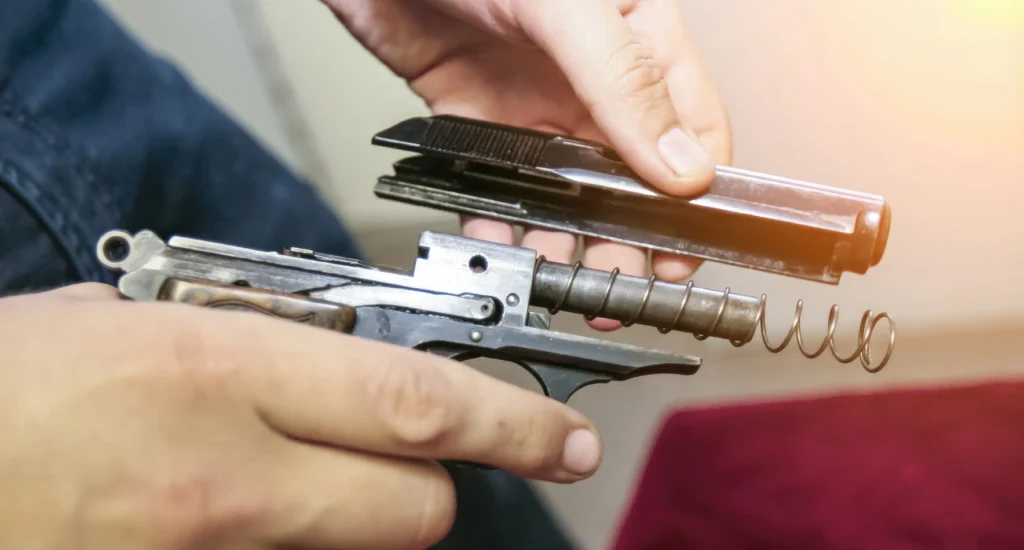
Untraceable Firearm Product Liability: The Legal Theories Families Ask About
When a shooting involves an untraceable firearm, families often ask the same painful question: how did a weapon with no serial number and no paper trail end up in someone’s hands? These cases are sometimes described as “ghost gun” incidents,…

Surgical Mesh Complications: What “Design Defect vs. Complication” Looks Like
Surgical mesh is used in many common procedures, including hernia repair and certain pelvic surgeries. When it works, it can reinforce weakened tissue and support healing. But when patients develop serious problems afterward like chronic pain, infection, erosion, adhesion, bowel…
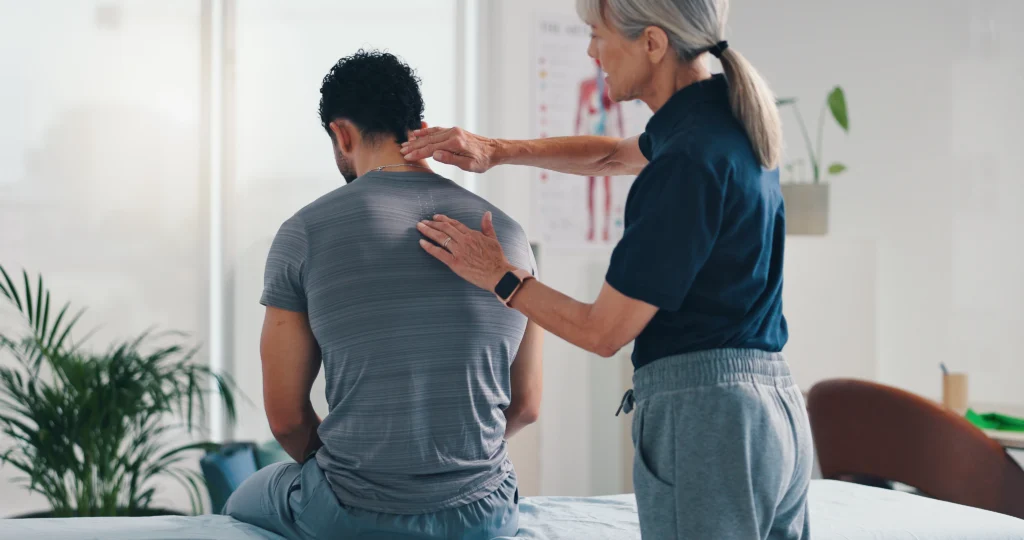
Spinal Cord Stimulator Paralysis Claims: What Patients Should Know After KARE 11 Investigation
A recent KARE 11 investigation reported that multiple Minnesota patients say they were left paralyzed or seriously injured after receiving spinal cord stimulator implants for pain relief at Nura Pain Clinic in Edina. According to the reporting, three patients filed…
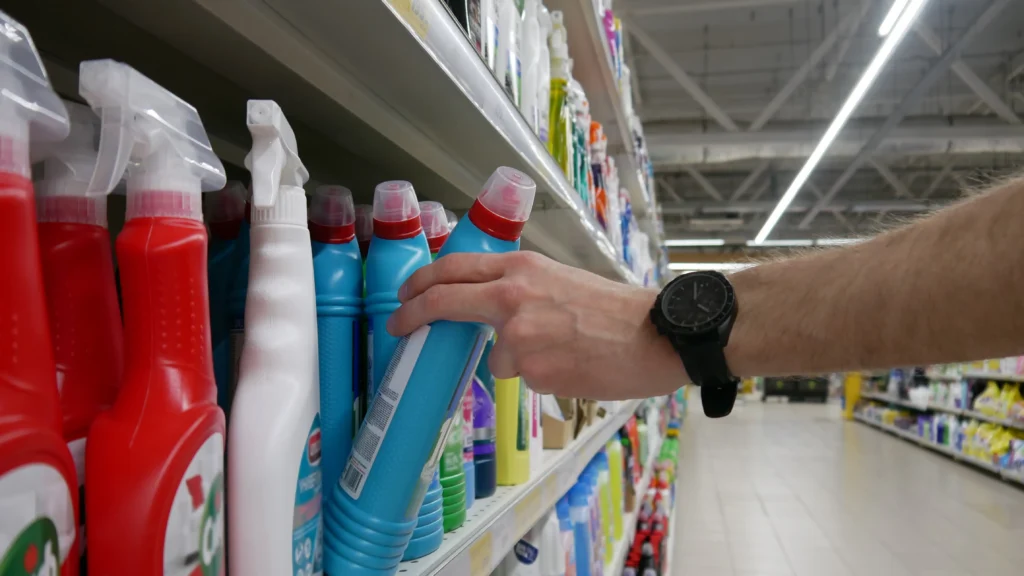
Cleaning Agents & Product Liability
Product Liability and Cleaning Agents: What Consumers Need to Know Household cleaning agents are marketed as products that protect families from germs and harmful bacteria. When these products are contaminated, improperly manufactured, or defectively designed, they can do the opposite,…
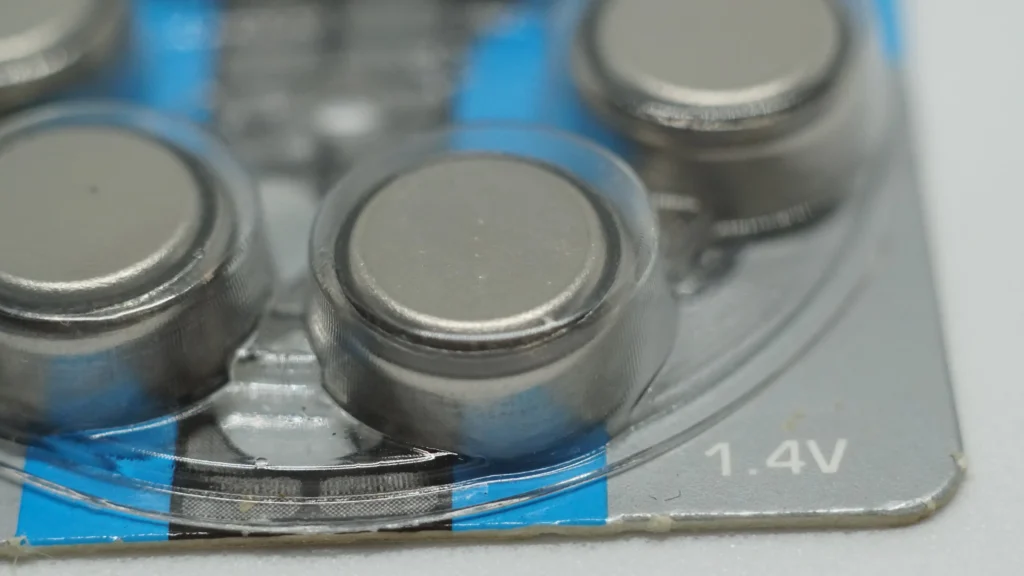
Button Battery Ingestion: A Small Battery Can Cause Big, Life-Threatening Injuries
Button (coin) batteries power everyday items, remotes, key fobs, flameless candles, musical greeting cards, bathroom scales, toys, and more. Because they’re small and shiny, young children can mistake them for candy or swallow them before anyone realizes what happened. When…
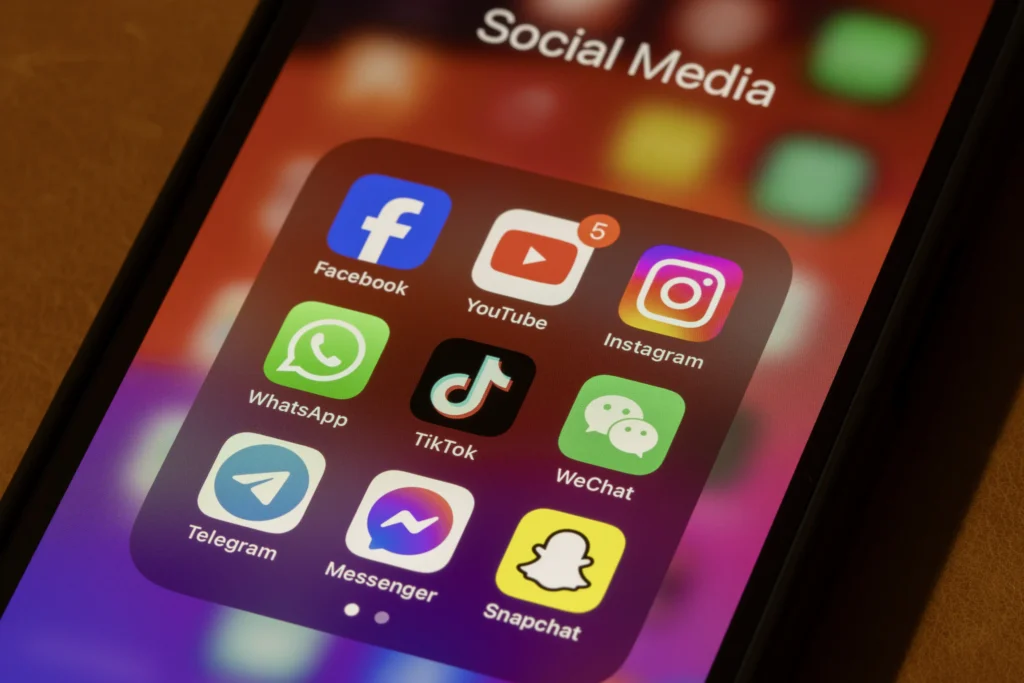
Social Media Addiction and Kids: What Parents Should Know as the First “Addictive Design” Trial Heads to a Jury
In late January 2026, a landmark case put a question in front of a jury for the first time: can major social media platforms be held responsible for designing apps that allegedly hook kids and contribute to serious mental health…