
Power Tools & Equipment
Power tools are built for force – torque, speed, heat, pressure. When a tool is defectively designed or manufactured, that force doesn’t just “malfunction.” It cuts, crushes, burns, shocks, and amputates.
In catastrophic cases, the aftermath looks nothing like a routine workplace incident: reconstructive surgery, nerve damage, spinal cord injury, traumatic brain injury, severe burns, permanent disability, or wrongful death. Product liability law exists for the moments when a tool or piece of equipment was unreasonably dangerous and the people who made money from it should be held accountable.

How Much Is Your Case Worth?

The injuries we see when tools and equipment go wrong
When high-energy tools fail, injuries are frequently severe:
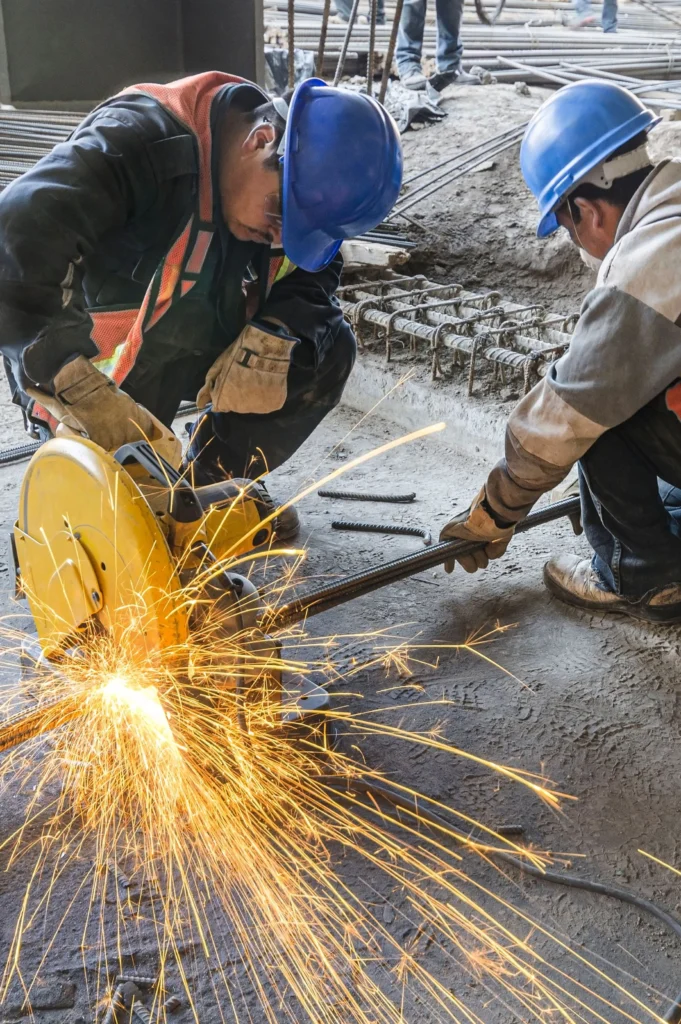
- Amputations and degloving injuries (saws, presses, conveyors, rotating blades)
- Crush injuries (lifts, jacks, compactors, industrial equipment)
- Eye and facial trauma (kickback, projectile fragments, exploding wheels/blades)
- Electrocution and electrical burns (corded tools, chargers, faulty wiring, wet-environment use)
- Thermal runaway burns and fires (lithium-ion battery packs, chargers, overheating components)
- Falls from height after sudden tool failure or unexpected activation
The defect pathways that matter
Catastrophic tool cases often turn on a few repeat failure patterns:
Guarding and safety interlocks that don’t protect
A missing, weak, poorly designed, or easily bypassed guard can make a foreseeable hazard unavoidable—especially under real-world jobsite pressure.
Unexpected activation
Triggers that stick, switches that fail, tools that power on during handling, or equipment that restarts after a power interruption can create a split-second disaster.
Kickback and loss of control
If a tool design increases kickback risk or lacks adequate anti-kickback features and warnings, a user can be pulled into the cutting path or struck with violent force.
Battery and charger failures
Lithium-ion systems can overheat or ignite when cells are damaged, poorly protected, or paired with defective chargers—creating burn/fire events in homes, garages, or jobsites.
Structural failures
Handles that snap, fasteners that shear, blades that fracture, wheels that shatter, or housings that crack under normal loads can turn a tool into a projectile.
Warnings and instructions that don’t match reality
If a product’s labeling minimizes known hazards, omits critical limitations, or buries safety steps that are essential for safe use, that’s not “user error.” It’s a warning failure.
Tools and equipment types we investigate
We handle product defect claims involving:
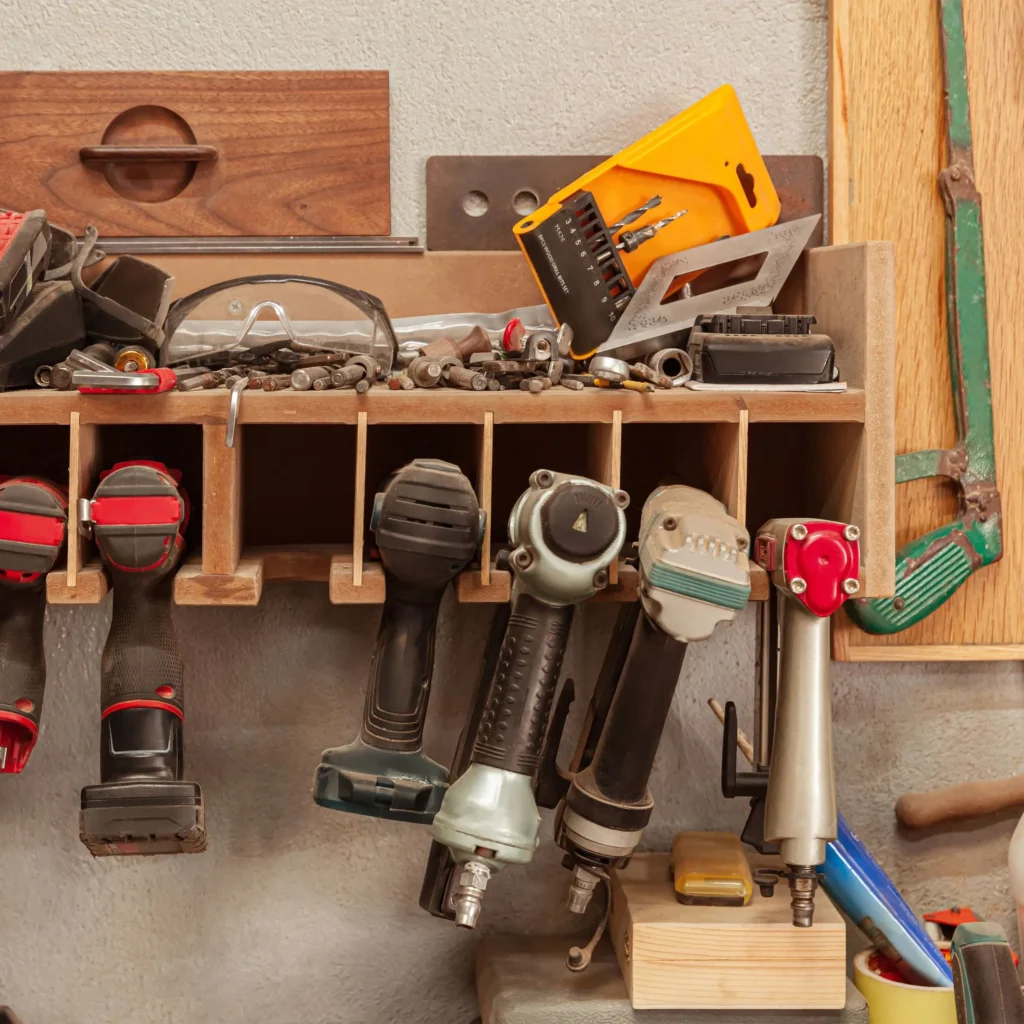
- Saws (table, miter, circular), grinders, nail guns, drills, impact tools
- Ladders and jobsite access equipment used with power tools
- Battery packs, chargers, and corded power systems
- Industrial presses, cutting equipment, conveyors, and shop machinery
- Lifts/jacks/hoists and heavy equipment attachments (when product defect is involved)
What to do after a serious tool/equipment injury
Evidence disappears quickly in these cases, tools get repaired, swapped, discarded, or “inspected” by parties with their own interests.
If you can do so safely:
- Preserve the tool exactly as-is (don’t repair, disassemble, or keep using it).
- Keep all components together: batteries, charger, blades/bits/discs, guards, manuals, packaging.
- Photograph the scene, tool condition, any guards/interlocks, and serial/model numbers.
- Document the injury progression: surgeries, work restrictions, rehab, and long-term impairment.


How we build catastrophic power tool cases
These aren’t “he said/she said” claims. They’re evidence cases. Our work typically focuses on:
- Identifying the exact model/serial, design generation, and component compatibility
- Determining failure mode (mechanical, electrical, thermal, software/controls)
- Evaluating guarding, interlocks, and foreseeable use (including foreseeable misuse)
- Tracing responsibility across the chain: manufacturer, component supplier, importer, distributor, retailer
What compensation can cover in catastrophic cases
Depending on the facts, damages can include:
- Past and future medical treatment, surgeries, rehab, prosthetics, and life-care needs
- Lost income and diminished earning capacity
- Pain, suffering, disfigurement, and loss of life’s pleasures
- Wrongful death damages for surviving family members (where applicable)


When the product is the hazard, accountability matters
Power tools and equipment should not require luck to survive. If a defect changed your life or took someone you love, you deserve an investigation that treats the tool like the central evidence it is, and a legal strategy built for catastrophic harm.
Learn More
Untraceable Firearm Product Liability: The Legal Theories Families Ask About
When a shooting involves an untraceable firearm, families often ask the same painful question: how did a weapon with no serial number and no paper trail end up in someone’s hands? These cases are sometimes described as “ghost gun” incidents,…

Surgical Mesh Complications: What “Design Defect vs. Complication” Looks Like
Surgical mesh is used in many common procedures, including hernia repair and certain pelvic surgeries. When it works, it can reinforce weakened tissue and support healing. But when patients develop serious problems afterward like chronic pain, infection, erosion, adhesion, bowel…

Spinal Cord Stimulator Paralysis Claims: What Patients Should Know After KARE 11 Investigation
A recent KARE 11 investigation reported that multiple Minnesota patients say they were left paralyzed or seriously injured after receiving spinal cord stimulator implants for pain relief at Nura Pain Clinic in Edina. According to the reporting, three patients filed…

Cleaning Agents & Product Liability
Product Liability and Cleaning Agents: What Consumers Need to Know Household cleaning agents are marketed as products that protect families from germs and harmful bacteria. When these products are contaminated, improperly manufactured, or defectively designed, they can do the opposite,…
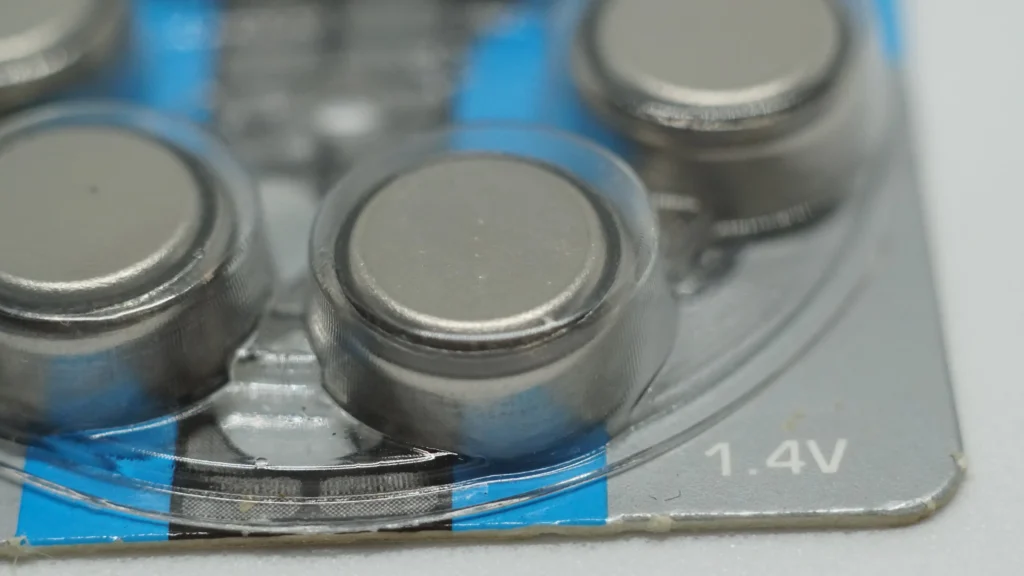
Button Battery Ingestion: A Small Battery Can Cause Big, Life-Threatening Injuries
Button (coin) batteries power everyday items, remotes, key fobs, flameless candles, musical greeting cards, bathroom scales, toys, and more. Because they’re small and shiny, young children can mistake them for candy or swallow them before anyone realizes what happened. When…

Social Media Addiction and Kids: What Parents Should Know as the First “Addictive Design” Trial Heads to a Jury
In late January 2026, a landmark case put a question in front of a jury for the first time: can major social media platforms be held responsible for designing apps that allegedly hook kids and contribute to serious mental health…