

When Everyday Products Turn Dangerous, We Provide Support
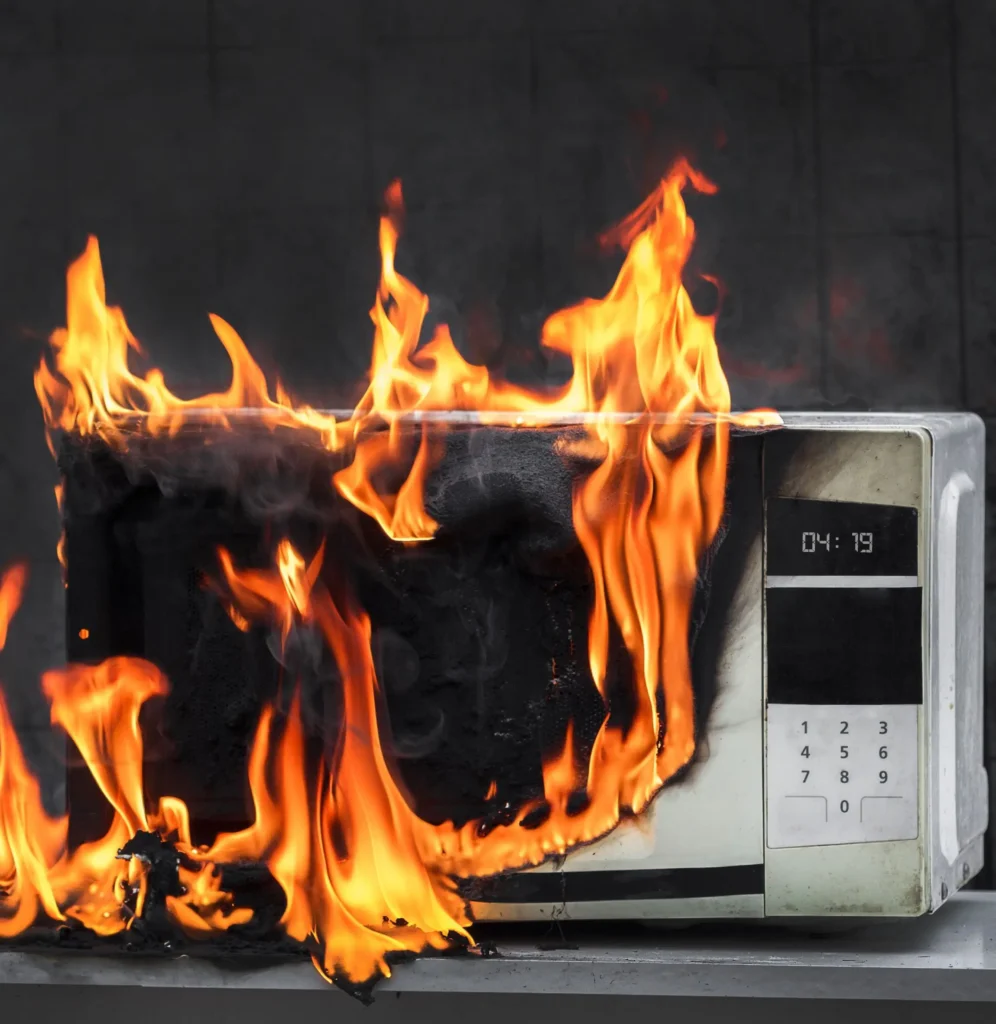
These are the places we should feel safest, yet defective appliances and electronics can ignite, explode, shock, or burn in seconds. If you or someone you love suffered a catastrophic injury (or a fatality) because a consumer product failed, our team investigates what happened and pursues accountability from the companies that designed, manufactured, imported, or sold it.
Talk to us if you’re dealing with:
- Severe burns, scarring, disfigurement
- Electrical shock/electrocution injuries
- Fires, smoke inhalation, carbon monoxide exposure
- Explosions, projectiles, shrapnel injuries
- Wrongful death after a product-related incident

How Much Is Your Case Worth?
The products we’re seeing most often
Pressure cookers and multi-cookers
Pressure cookers can be life-changing until a lid failure or pressure-release defect turns boiling contents into a burn event. We pay close attention to lid-lock mechanisms, pressure indicators, venting systems, and whether the unit can be opened while pressurized.
Recent examples:
- Sensio pressure cookers sold under Bella / Bella Pro Series / Crux / Cooks (burn hazard).
- SharkNinja “Ninja Foodi” multi-function pressure cookers (lid can open during use; serious burn injuries reported).
- Best Buy Insignia multi-function pressure cookers (burn hazard linked to incorrect markings/overfill risk and expulsion of contents).
Tabletop fire pits and “decorative” alcohol-burning fireplaces
These compact fire features can create flame jetting, flash fires, and pool fires, especially when liquid fuel is involved. The risk isn’t hypothetical: multiple tabletop fire products have been the subject of CPSC recalls and safety warnings.
Red flags we look for: unstable reservoirs, fuel spills, unclear fuel instructions, unsafe refueling design, inadequate warnings, and poor flame-control features.
Recent examples:
- FLIKRFIRE tabletop fireplaces (CPSC warning citing severe burn hazards and reported deaths).
- Five Below tabletop fire pits (burn injury risk from flame jetting/fire hazards).
- Colsen tabletop fire pits (flame jetting and fire-spreading hazards).
Other high-risk consumer electronics & appliances
We also handle serious cases involving:
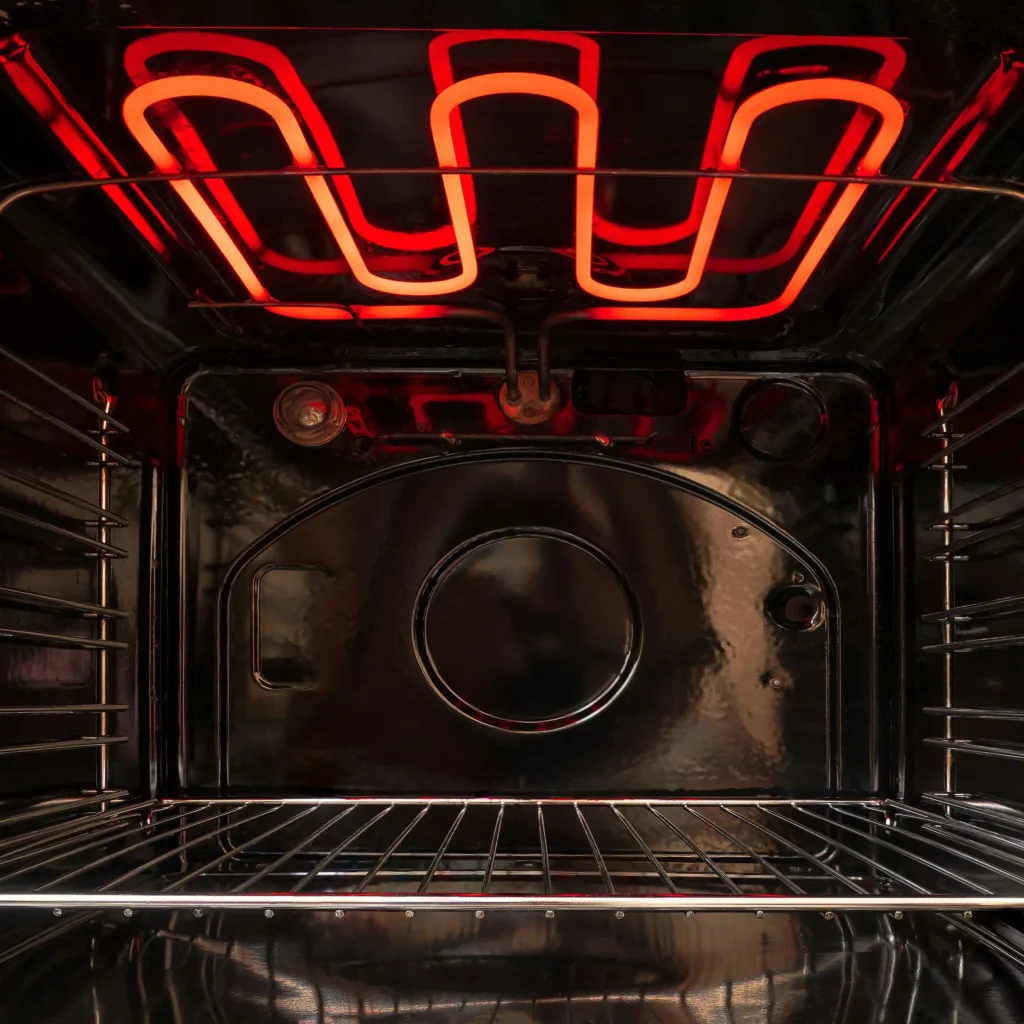
- Electric ranges (front knobs activated accidentally → unintended burner ignition/fire risk) — including major brand recalls.
- Countertop ovens (door/hinge failures leading to burn hazards).
- Space heaters (overheating, noncompliance with safety standards, fire risk).
- Hair dryers (shock/electrocution hazard where safety protections are missing).
- Power banks / lithium-ion devices (thermal runaway, overheating, ignition).
- Air fryers (overheating that can melt/shatter components → fire and injury risk).
A recall is not required to have a case
Many people assume, “If it wasn’t recalled, I’m out of luck.” That’s not how product liability works.
You may have a claim if:
- The product was dangerously designed, even if it “worked as intended”
- Manufacturing flaws made the unit unsafe (bad parts, weak seals, faulty wiring)
- Warnings/instructions were inadequate for foreseeable use
- A safer alternative design was feasible

What to do after an appliance or electronics injury
If you can do so safely:
- Get medical care first (burns and inhalation injuries can worsen fast).
- Preserve the product exactly as-is (don’t repair it; don’t throw it away).
- Save packaging, manuals, chargers, fuel containers, and purchase records.
- Photograph injuries, the scene, and any property damage.
- If there was a fire, request the fire report and keep insurer communications.
How we build these cases
Product cases are evidence cases. Our work often includes:
- Engineering-focused investigation of failure mode (electrical, thermal, mechanical)
- Chain-of-distribution analysis (manufacturer, importer, retailer, online marketplace)
- Recall and incident history review
- Expert consultation and testing when appropriate
- Damages documentation for lifetime medical needs, wage loss, and long-term care


You shouldn’t have to carry this alone
When a consumer product changes your life in an instant, you deserve a team that will do the hard work of uncovering what failed, why it failed, and who is responsible.
Call for a confidential case review. If we take your case, you’ll have a litigation team prepared to move quickly to preserve evidence and build the strongest story the facts allow.
Learn More
Untraceable Firearm Product Liability: The Legal Theories Families Ask About
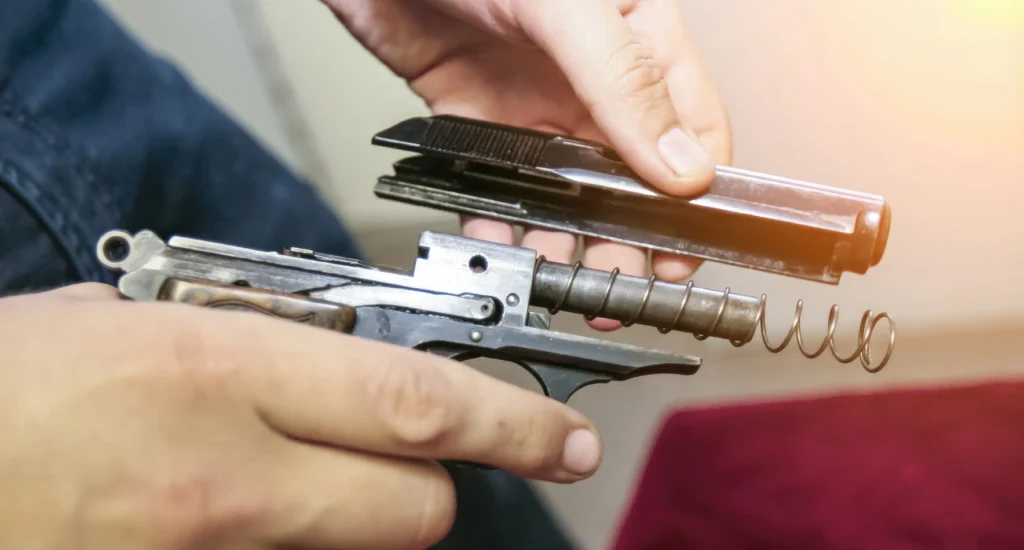
When a shooting involves an untraceable firearm, families often ask the same painful question: how did a weapon with no serial number and no paper trail end up in someone’s hands? These cases are sometimes described as “ghost gun” incidents,…

Surgical Mesh Complications: What “Design Defect vs. Complication” Looks Like
Surgical mesh is used in many common procedures, including hernia repair and certain pelvic surgeries. When it works, it can reinforce weakened tissue and support healing. But when patients develop serious problems afterward like chronic pain, infection, erosion, adhesion, bowel…

Spinal Cord Stimulator Paralysis Claims: What Patients Should Know After KARE 11 Investigation
A recent KARE 11 investigation reported that multiple Minnesota patients say they were left paralyzed or seriously injured after receiving spinal cord stimulator implants for pain relief at Nura Pain Clinic in Edina. According to the reporting, three patients filed…
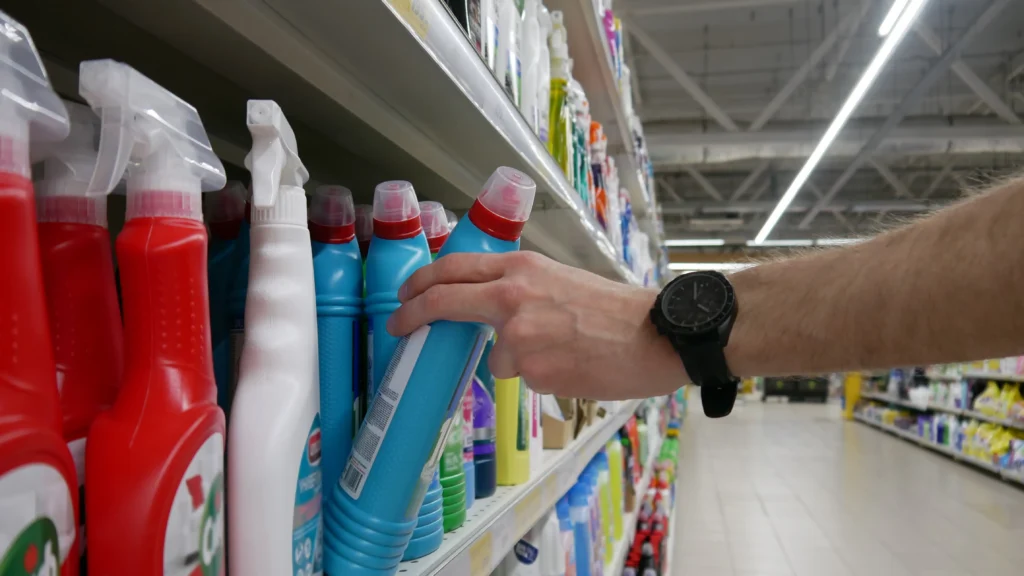
Cleaning Agents & Product Liability
Product Liability and Cleaning Agents: What Consumers Need to Know Household cleaning agents are marketed as products that protect families from germs and harmful bacteria. When these products are contaminated, improperly manufactured, or defectively designed, they can do the opposite,…
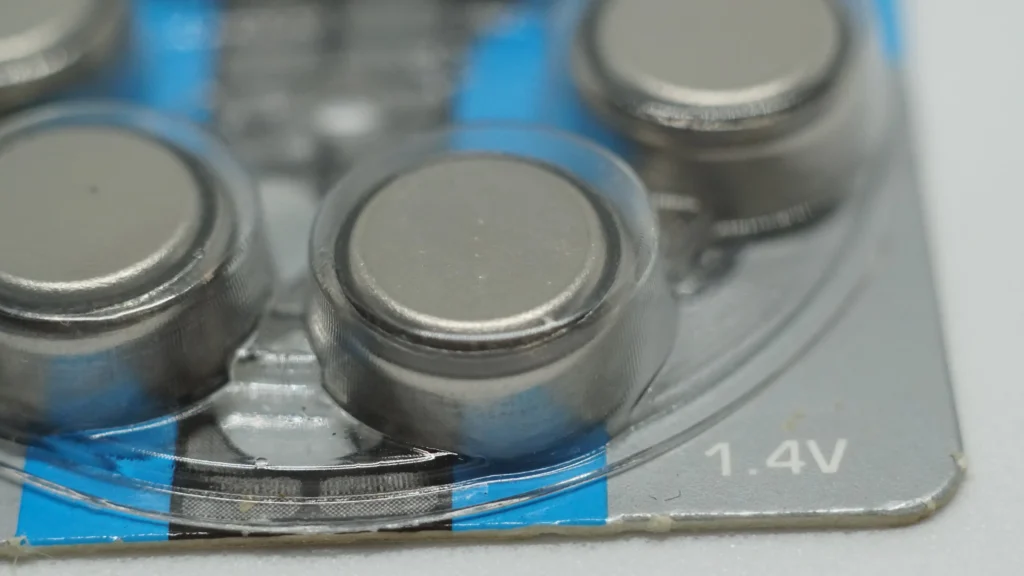
Button Battery Ingestion: A Small Battery Can Cause Big, Life-Threatening Injuries
Button (coin) batteries power everyday items, remotes, key fobs, flameless candles, musical greeting cards, bathroom scales, toys, and more. Because they’re small and shiny, young children can mistake them for candy or swallow them before anyone realizes what happened. When…
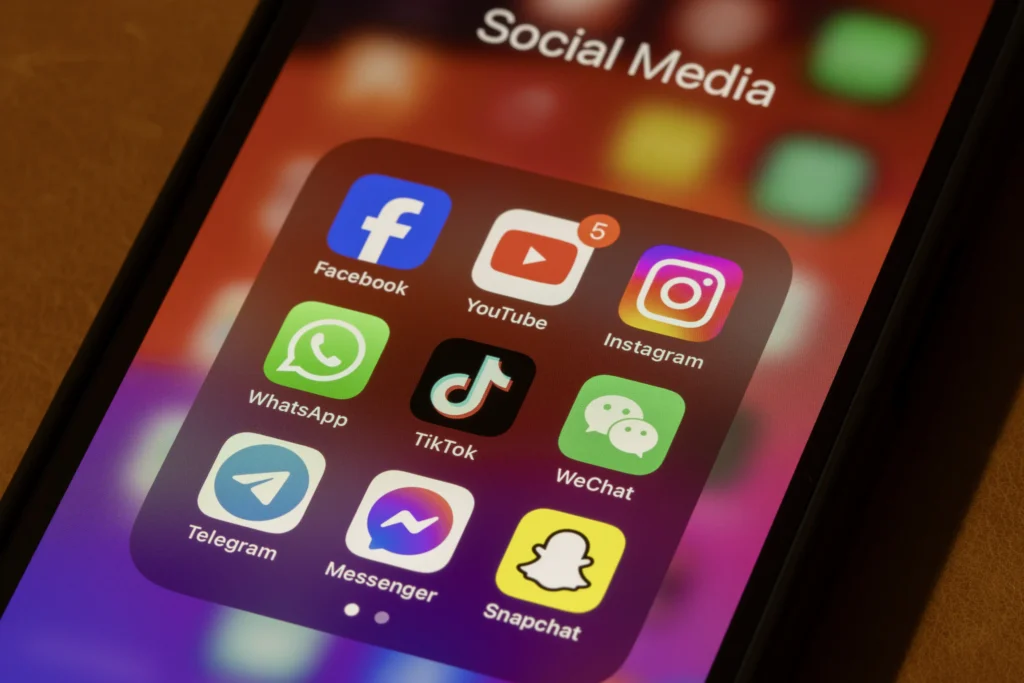
Social Media Addiction and Kids: What Parents Should Know as the First “Addictive Design” Trial Heads to a Jury
In late January 2026, a landmark case put a question in front of a jury for the first time: can major social media platforms be held responsible for designing apps that allegedly hook kids and contribute to serious mental health…