Engineering matters. So does accountability.
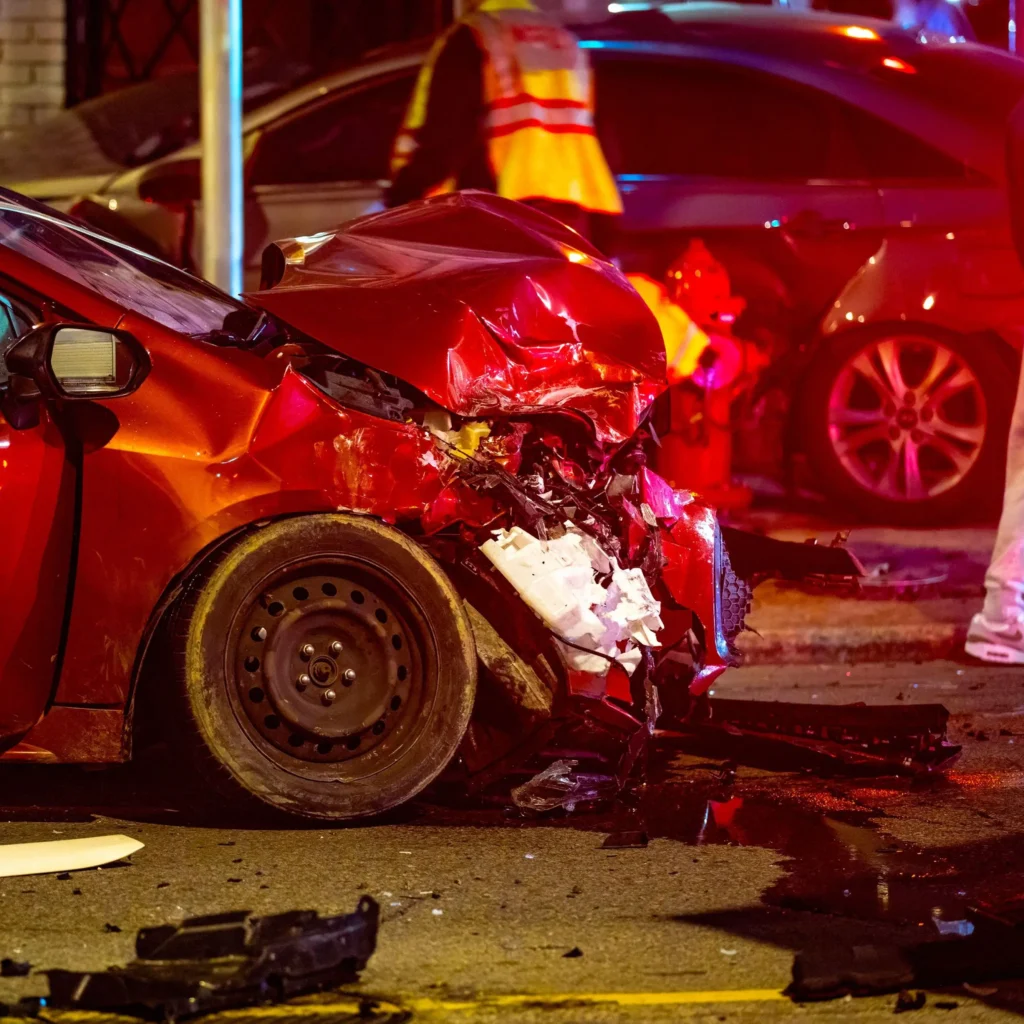
Sometimes the wreck isn’t what causes the life-changing injury. It’s what the vehicle did (or didn’t) do next.
Crashworthiness cases focus on a simple question: Did the vehicle’s safety systems reasonably protect occupants in a foreseeable crash or did a defect make the outcome far worse?
If you’re facing catastrophic injuries or the loss of a loved one after a collision, we investigate whether an auto defect turned a survivable crash into a tragedy.

How Much Is Your Case Worth?
Crashworthiness Investigations
A driver can cause a crash. But automakers and parts suppliers are still responsible for designing vehicles that manage impact forces, prevent ejection, and deploy restraints properly when a crash happens.
Crashworthiness investigations often center on:
- Seat belts / pretensioners that fail, loosen, or break
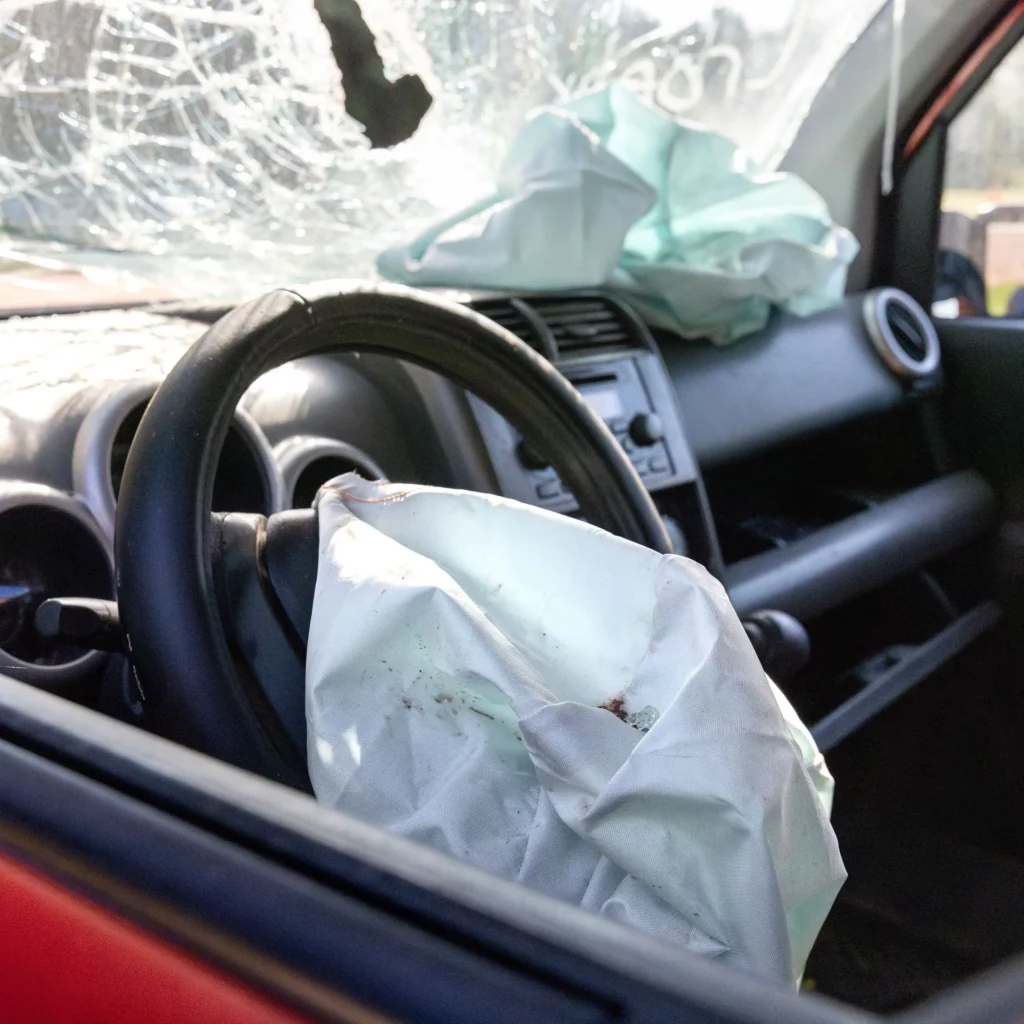
- Airbags that don’t deploy, deploy late, or deploy dangerously
- Seatback failures that collapse rearward in a rear-end crash
- Roof crush and structural failures in rollovers
- Steering / braking defects that contribute to loss of control
- Post-collision fire risk from fuel, electrical, or thermal failures
- ADAS / camera failures that remove a driver’s critical visibility
Recall Radar: Fires, Explosions & Fatal-Risk Defects
Recalls don’t prove liability on their own. But they’re a powerful signal that vehicles and components are still reaching the road with hazards that can ignite, explode, or kill.
Recent examples:
- Jeep (Stellantis) – Wrangler 4xe & Grand Cherokee 4xe (PHEV): recall tied to a battery-related fire risk, with “park outside / don’t charge” guidance during the remedy period.
- Ford – Bronco Sport & Escape: recall due to fuel injector cracking / fuel leaks that can lead to an under hood fire.
- Hyundai – Tucson: recall due to a trailer wiring harness issue that can create a short circuit and fire risk (owners advised to park outside until repaired).
- Hyundai – Sonata: recall involving a defect that can deform the fuel tank, potentially contacting hot components and increasing fire risk.
- Kia – Sorento: recall for HVAC wiring/component issues that can overheat and, in rare circumstances, ignite.
- Toyota – Camry (hybrid) & Corolla Cross Hybrid: recall involving a hybrid inverter component that could lead to a vehicle fire.
- Volkswagen (VW) – driver airbag inflator: recall warning that an inflator can explode, sending metal fragments into the cabin—risk of serious injury or death.
- Honda (Takata “Alpha” inflators) – ongoing deadly inflator risk: Honda continues to warn that certain older inflators are at elevated risk of rupture that can cause serious injury or death, and in some cases advises owners not to drive until repaired.
What we investigate in serious injury vehicle cases
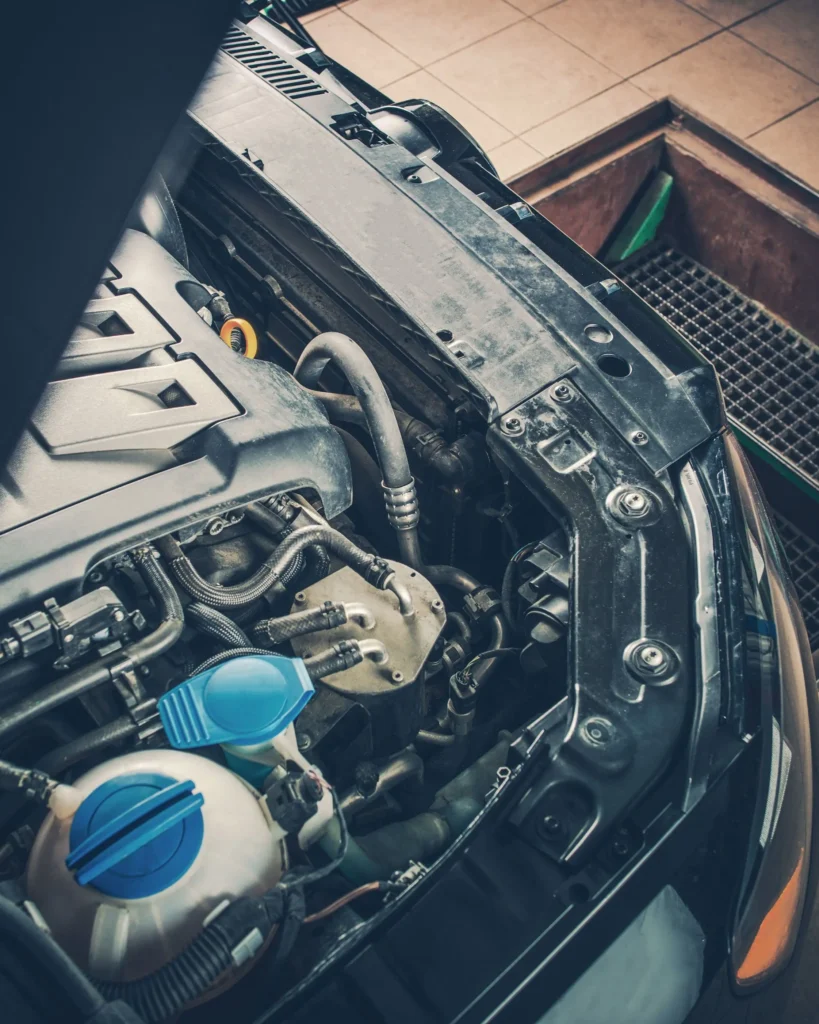
Think of this as a forensic review of the vehicle and its safety systems not a quick “inspection.”
Restraint failures
- Belt pretensioners, anchors, retractors, load limiters
- Spool-out, slack, broken cables, buckle release issues
Post-Collision Fire & Explosion Hazards
- Fuel system integrity failures (tank puncture, fuel line rupture, injector cracks, vapor leaks)
- Battery/EV thermal runaway and high-voltage isolation failures (arcing, overheating, delayed ignition)
- Oil/coolant leaks onto hot components and exhaust heat shielding failures that can ignite after impact
Airbag failures
- Non-deployment / delayed deployment
- Inflator rupture risk and module defects
- Sensor, wiring, and control-module issues
Structural integrity
- Roof strength, pillar collapse, door intrusion, occupant compartment deformation
- Ejection pathways: window/door latch failures, glazing defects
Loss-of-control defects
- Steering assist failure, suspension component issues, braking defects
Visibility and safety tech
- Backup camera failure, ADAS defects, software malfunction, warning failures
The first 72 hours matter
Crashworthiness cases are evidence cases. If you can:
- Preserve the vehicle (do not repair, sell, or scrap it).
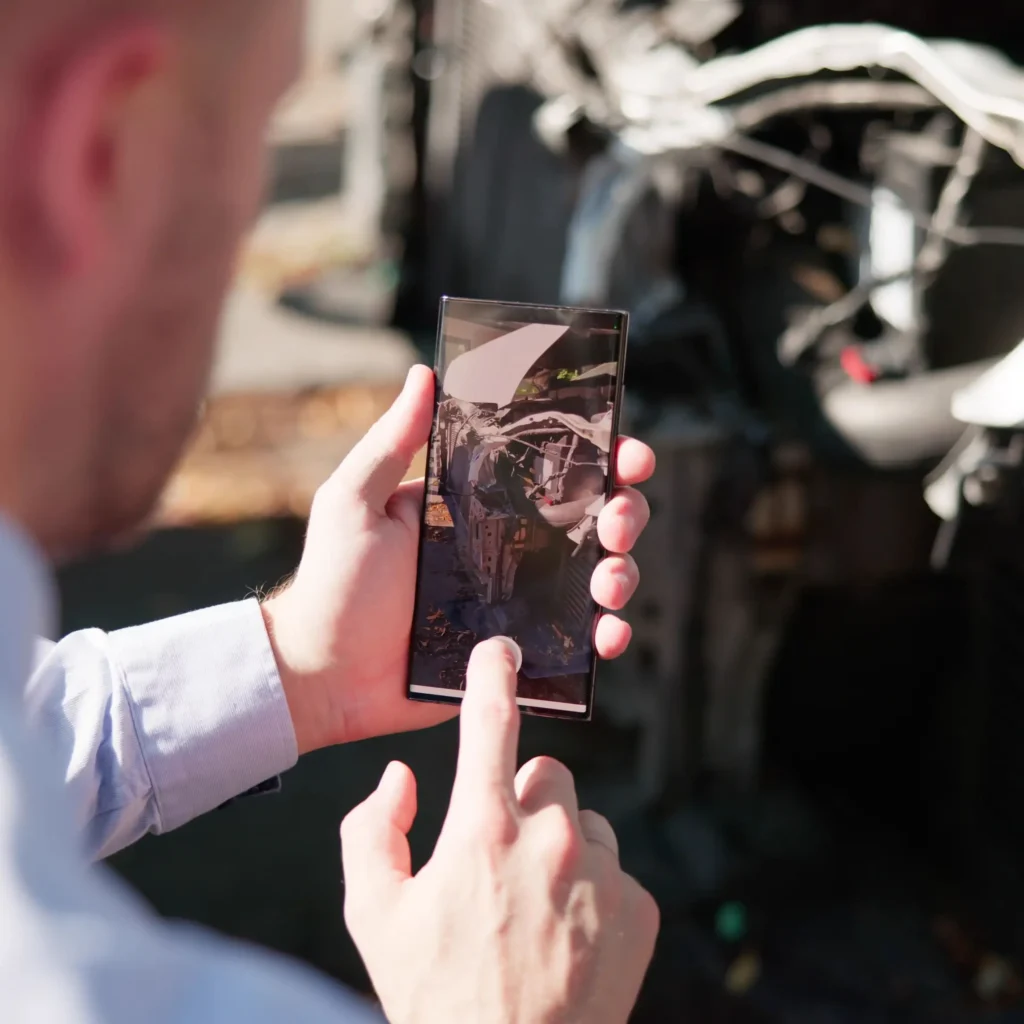
- Photograph everything: interior, belts, airbags, seating, roofline, glass, damage angles, warning lights.
- Ask for the police report and any tow/storage documentation.
- Avoid giving the vehicle to anyone for “inspection” unless your interests are protected.
If the vehicle is at a tow yard or insurer lot, timing matters evidence can be altered or lost.
How these cases are built
We typically work with engineers and specialists to evaluate:
- Vehicle event data recorder (EDR) and crash dynamics
- Occupant kinematics (how the body moved inside the cabin)
- Component design and failure modes (belt, airbag, seat, structure)
- Supplier/manufacturer responsibility across the chain of distribution


What damages may be available
Depending on the facts:
- Past and future medical care, rehab, assistive devices, long-term needs
- Lost income and diminished earning capacity
- Pain, suffering, disfigurement, loss of life’s pleasures
- Wrongful death damages for surviving family members (where applicable)
When a vehicle fails you, accountability matters
After a catastrophic crash, families are left managing the unthinkable – burn surgeries, amputations, spinal cord injuries, brain trauma, permanent scarring, and losses that don’t fit neatly into a medical chart.
But if a vehicle caught fire, exploded, failed to keep you inside the occupant compartment, or let a restraint or airbag malfunction turn impact into devastation, the story isn’t “just an accident.” It’s a safety failure.
We investigate what the vehicle was supposed to do in a foreseeable crash and what it actually did. If a defect made the outcome worse, we pursue the manufacturers and suppliers responsible, and we build a case designed to secure lifetime care, long-term support, and accountability for what you and your family will carry forward.

Learn More
Untraceable Firearm Product Liability: The Legal Theories Families Ask About
When a shooting involves an untraceable firearm, families often ask the same painful question: how did a weapon with no serial number and no paper trail end up in someone’s hands? These cases are sometimes described as “ghost gun” incidents,…

Surgical Mesh Complications: What “Design Defect vs. Complication” Looks Like
Surgical mesh is used in many common procedures, including hernia repair and certain pelvic surgeries. When it works, it can reinforce weakened tissue and support healing. But when patients develop serious problems afterward like chronic pain, infection, erosion, adhesion, bowel…

Spinal Cord Stimulator Paralysis Claims: What Patients Should Know After KARE 11 Investigation
A recent KARE 11 investigation reported that multiple Minnesota patients say they were left paralyzed or seriously injured after receiving spinal cord stimulator implants for pain relief at Nura Pain Clinic in Edina. According to the reporting, three patients filed…

Cleaning Agents & Product Liability
Product Liability and Cleaning Agents: What Consumers Need to Know Household cleaning agents are marketed as products that protect families from germs and harmful bacteria. When these products are contaminated, improperly manufactured, or defectively designed, they can do the opposite,…
Button Battery Ingestion: A Small Battery Can Cause Big, Life-Threatening Injuries
Button (coin) batteries power everyday items, remotes, key fobs, flameless candles, musical greeting cards, bathroom scales, toys, and more. Because they’re small and shiny, young children can mistake them for candy or swallow them before anyone realizes what happened. When…

Social Media Addiction and Kids: What Parents Should Know as the First “Addictive Design” Trial Heads to a Jury
In late January 2026, a landmark case put a question in front of a jury for the first time: can major social media platforms be held responsible for designing apps that allegedly hook kids and contribute to serious mental health…