When Hazards Are Ignored, Lives Are Changed
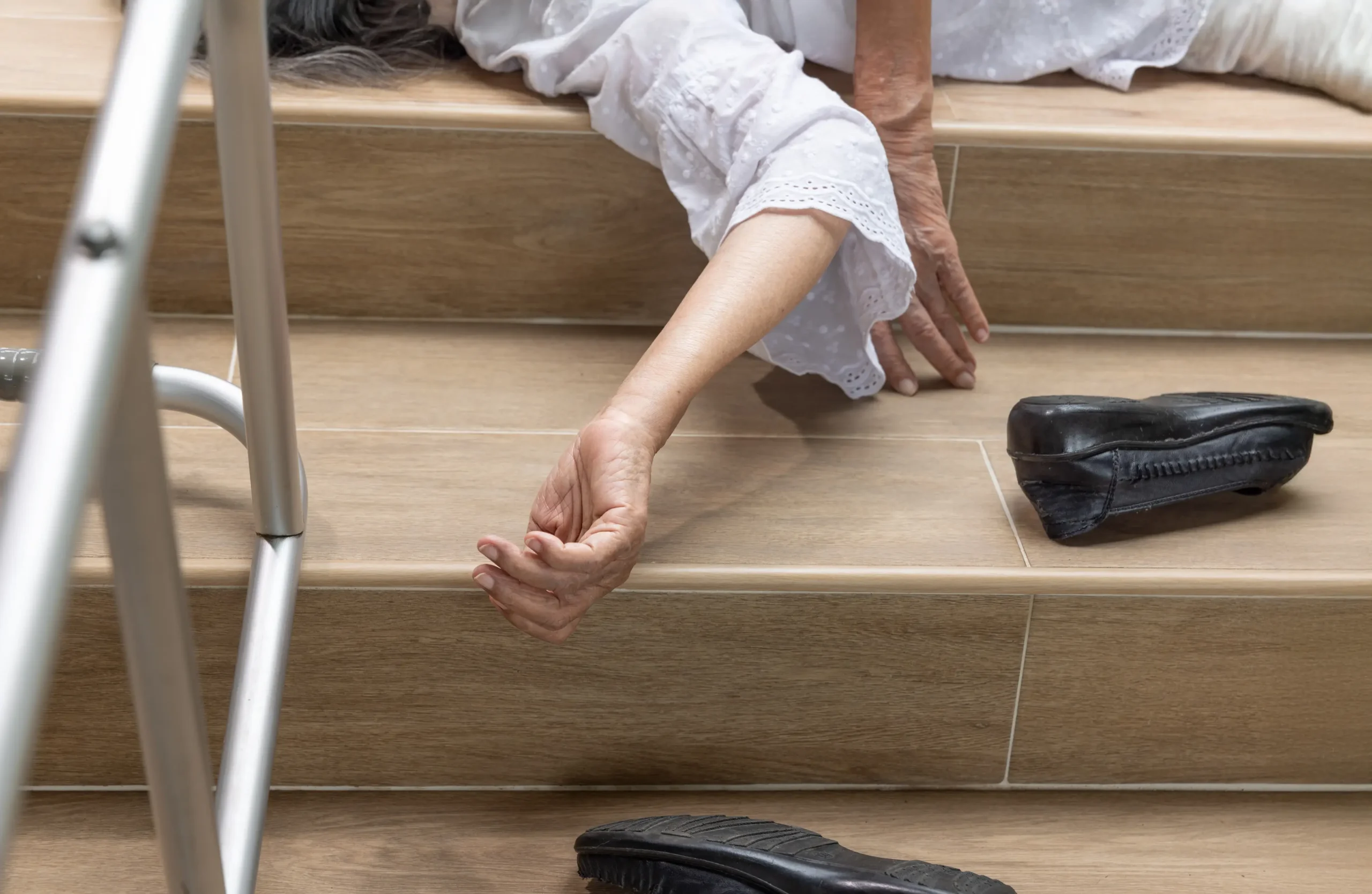
A wet floor. Broken stairs. Poor lighting in a parking lot. Debris left in a walkway. These conditions are often dismissed as minor inconveniences. In reality, they can cause devastating harm.
Property owners and retailers have a legal duty to inspect their premises, correct dangerous conditions, and warn visitors of hazards. When they cut corners on safety, the consequences can include traumatic brain injuries, spinal cord damage, complex fractures, and fatal complications.
Unsafe conditions are rarely “accidents.” They are often the predictable result of neglect.

How Much Is Your Case Worth?
The Cost of Corner Cutting
Many catastrophic falls and injury events share the same pattern:
- Inspections were rushed or skipped
- Known hazards were not cleaned or repaired
- Staffing was insufficient to monitor busy areas
- Warning signs were not posted
- Security footage was not preserved
In retail environments especially, safety protocols depend on consistent floor inspections, documented sweep logs, and prompt hazard removal. When businesses prioritize speed or profit over safety, dangerous conditions remain in place long enough to seriously injure someone.
For older adults and medically vulnerable individuals, a single fall can lead to irreversible decline or death. What appears to be a routine incident can trigger complications such as internal bleeding, infection, loss of mobility, or fatal head trauma.
Injuries We Commonly See in Unsafe Condition Cases
Unsafe property conditions frequently lead to catastrophic outcomes, including:
- Traumatic brain injuries
- Spinal cord injuries and paralysis
- Hip fractures requiring surgery
- Multiple orthopedic fractures
- Internal organ damage
- Complications leading to wrongful death
In wrongful death cases, families are often left asking the same question: How long was that hazard there before someone got hurt?

Unsafe Conditions Go Beyond Spills
While slip and fall cases are common, unsafe condition claims can involve:
- Uneven flooring or torn carpeting
- Broken handrails or stairs
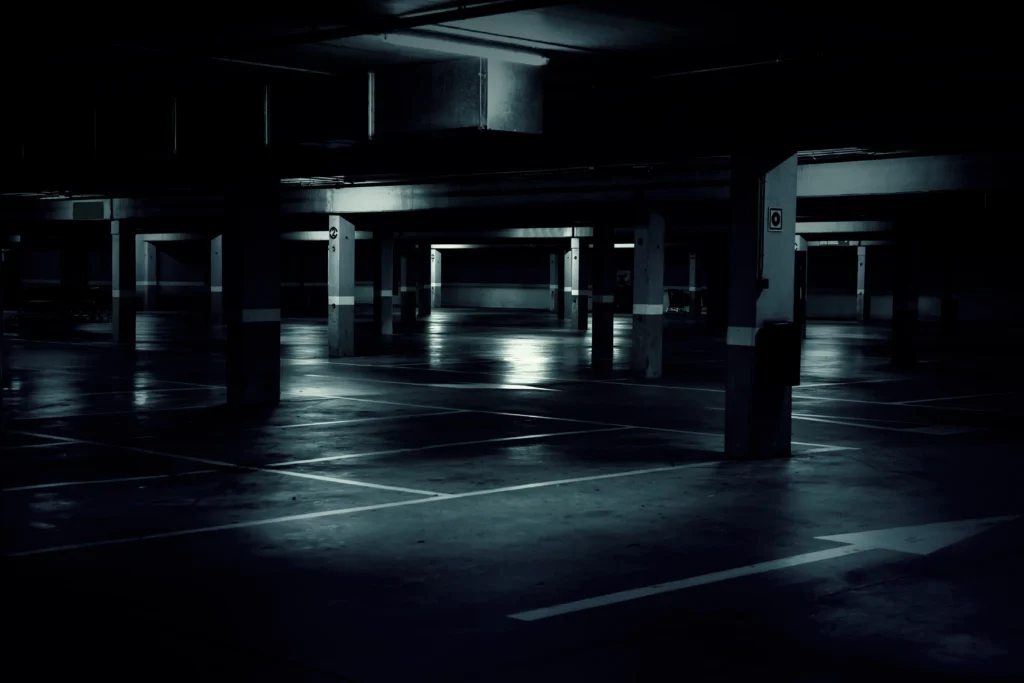
- Inadequate lighting in stairwells or parking lots
- Icy sidewalks or entryways
- Poorly maintained elevators or escalators
- Cluttered walkways in retail environments
Any condition that creates an unreasonable risk of harm may give rise to liability when it causes catastrophic injury.
When a Fall Becomes a Fatal Event
A fall may set off a chain reaction that ultimately results in death. Complications such as brain bleeds, surgical complications, immobility-related infections, or pulmonary embolisms are not uncommon after severe trauma.
In these cases, accountability matters.
Wrongful death claims not only seek compensation for financial and emotional losses. They also demand answers about how and why a preventable hazard was allowed to remain.

Who May Be Held Responsible
Depending on the circumstances, liability may extend to:
- Property owners
- Retail chains
- Property management companies
- Maintenance contractors
- Tenants responsible for upkeep
- Security providers
Determining responsibility requires a careful review of lease agreements, maintenance contracts, and corporate policies.
How McEldrew Purtell Handles Unsafe Condition Cases
These cases move quickly. Evidence disappears quickly.
Our approach includes:
- Immediate preservation letters to prevent deletion of video evidence
- Rapid investigation of the scene
- Detailed analysis of safety policies and inspection practices
- Coordination with medical experts to establish the full extent of catastrophic harm
- Aggressive pursuit of accountability through litigation when necessary
Unsafe condition cases are rarely about a single spill or broken step. They are about systems that failed to protect people.


Speak With Our Team
If you or a loved one suffered catastrophic injury due to unsafe property conditions, or if a preventable hazard led to wrongful death, you deserve answers.
McEldrew Purtell investigates what businesses often hope will be overlooked.
Contact us to discuss your concerns and your legal options.
Learn More
Ybor City Tragedy: When Police Pursuits and Premises Design Collide
On Saturday, November 8, 2025, a driver fleeing police crashed into patrons outside Bradley’s on 7th in Tampa’s Ybor City, killing four and injuring at least eleven. Officials say the driver had been racing and evading law enforcement shortly before…
6 Advantages of Dram Shop Lawyers in Alcohol-Related Accidents
About 37 people every day lose their lives in drunk driving accidents, according to the National Highway Traffic Safety Administration. As sobering as this statistic is, accidents involving drunk drivers are just one possible tragic outcome of excessive drinking. Property damage,…

The Ins and Outs of Dram Shop Law
Dram shops laws apply to bars, restaurants, and anywhere else where alcohol is served. These laws hold responsible sellers of alcohol who overserve customers when those customers cause an injury due to their intoxication. These often arise from personal injury…

How To Assess a Catastrophic Injury Lawsuit
Any injury can seem devastating, especially when you are hurt in an accident or injured due to someone else’s negligence or bad actions. However, some injuries are severe enough to cause permanent disability and change your way of life forever,…

Injured in a Walmart? Why Walmart Lawsuits Are More Common Than You Might Think
You can find just about any product you need in a Walmart, from tires and oil changes to clothing, groceries, and financial services. But you can also be injured there in a variety of ways, from slipping and falling on…
What Is Dram Shop Law?
An Overview of Dram Shop Law Dram shop laws hold an owner liable for selling alcohol to a customer who then injured someone else. Examples of its application include injuries caused by drunk driving accidents or fights. Not every state…