When Obvious Safety Steps Are Ignored
Some tragedies are not the result of hidden dangers. They happen because property owners failed to act on risks that were already known.
When management has clear options to reduce danger but chooses not to implement them, the consequences can be catastrophic.
Under premises liability law, owners and operators have a duty to take reasonable steps to protect visitors, tenants, and patrons from foreseeable harm. When they ignore that duty, families are left facing life-altering injuries or wrongful death.

How Much Is Your Case Worth?
What “Missed Precautions” Really Means
Missed precautions are not minor oversights. They are failures to implement basic, reasonable protective measures despite known risks.
These often include:
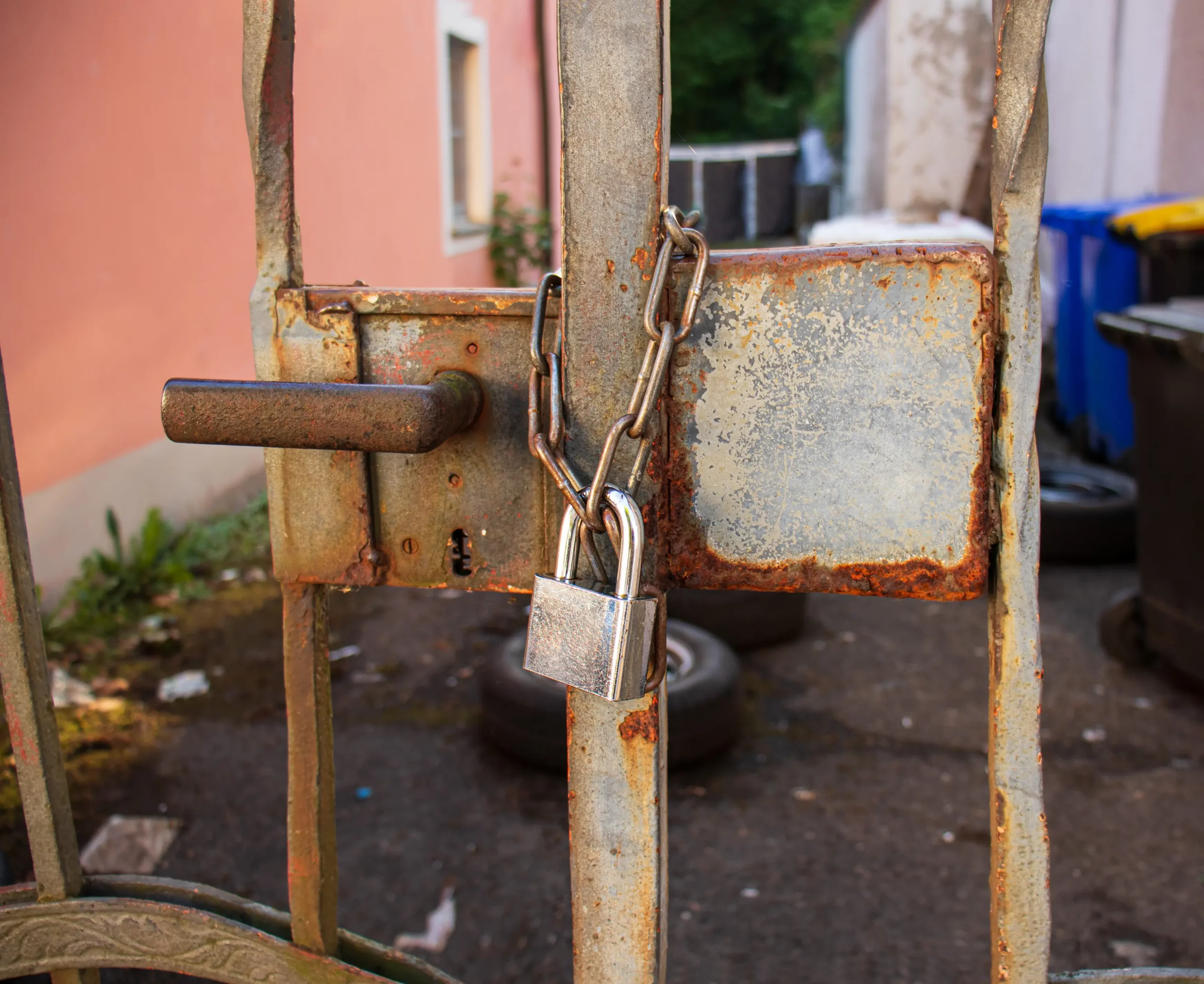
- Failure to install or repair locks and access controls
- Lack of fencing or barriers around dangerous areas
- No controlled entry in high-risk buildings
- Inadequate lighting in parking lots or corridors
- Failure to hire or deploy security personnel
- No roving patrols in areas with prior incidents
- Failure to post warnings where hazards were documented
In many cases, the danger was foreseeable because similar incidents had already occurred. Internal reports, police call data, prior complaints, or insurance recommendations often show that management knew the risk existed.
The issue is not whether harm was imaginable. It is whether reasonable precautions were available and ignored.
Catastrophic Injuries and Wrongful Death
When property owners fail to act, the resulting harm is often severe.
Missed precautions can lead to:
- Traumatic brain injury
- Spinal cord injury and paralysis
- Multiple fractures and internal injuries
- Permanent disfigurement
- Fatal injuries leading to wrongful death
These cases frequently involve apartment complexes, hotels, parking structures, shopping centers, bars, and event venues. In each setting, the question is the same: what reasonable safety steps were available, and why were they not taken?

Who May Be Liable for Missed Precautions?
Liability in missed precaution cases often extends beyond a single property owner. Responsibility depends on who had control over the premises, who knew about the risk, and who had the authority to implement protective measures.
Parties that may be held accountable include:
- Property Owners
- Property Management Companies
- Landlords and Commercial Lessors
- Security Contractors
- Business Operators and Tenants
- Parent Companies or Corporate Entities
Determining liability requires a careful analysis of contracts, control over the property, prior knowledge of risks, and industry standards. In catastrophic injury and wrongful death cases, identifying every responsible party is essential to achieving full accountability.
How We Prove Missed Precautions Cases
Our work focuses on closing the gap between what management knew and what they failed to implement.
We investigate:
- Prior incident histories and internal reports
- Security budgets and staffing decisions
- Maintenance records for locks, gates, and lighting
- Surveillance system capabilities and blind spots
- Access control logs and entry policies
- Industry standards and accepted safety practices
We compare what existed on paper with what was actually functioning in practice. If policies called for controlled entry or patrols but those measures were never enforced, that discrepancy matters.
Liability often turns on proving that practical, reasonable precautions were available and deliberately postponed, minimized, or ignored.


Protecting Families After Preventable Tragedy
If you believe a catastrophic injury or death occurred because a property owner failed to take obvious safety precautions, it is important to act quickly. Evidence such as surveillance footage, maintenance records, and security logs can be altered or lost.
McEldrew Purtell investigates whether reasonable precautions were available, affordable, and intentionally disregarded. Our goal is accountability for preventable harm and meaningful recovery for the families affected.
Contact our team to discuss your situation and your legal options.
Learn More
Ybor City Tragedy: When Police Pursuits and Premises Design Collide
On Saturday, November 8, 2025, a driver fleeing police crashed into patrons outside Bradley’s on 7th in Tampa’s Ybor City, killing four and injuring at least eleven. Officials say the driver had been racing and evading law enforcement shortly before…
6 Advantages of Dram Shop Lawyers in Alcohol-Related Accidents
About 37 people every day lose their lives in drunk driving accidents, according to the National Highway Traffic Safety Administration. As sobering as this statistic is, accidents involving drunk drivers are just one possible tragic outcome of excessive drinking. Property damage,…

The Ins and Outs of Dram Shop Law
Dram shops laws apply to bars, restaurants, and anywhere else where alcohol is served. These laws hold responsible sellers of alcohol who overserve customers when those customers cause an injury due to their intoxication. These often arise from personal injury…

How To Assess a Catastrophic Injury Lawsuit
Any injury can seem devastating, especially when you are hurt in an accident or injured due to someone else’s negligence or bad actions. However, some injuries are severe enough to cause permanent disability and change your way of life forever,…

Injured in a Walmart? Why Walmart Lawsuits Are More Common Than You Might Think
You can find just about any product you need in a Walmart, from tires and oil changes to clothing, groceries, and financial services. But you can also be injured there in a variety of ways, from slipping and falling on…

What Is Dram Shop Law?
An Overview of Dram Shop Law Dram shop laws hold an owner liable for selling alcohol to a customer who then injured someone else. Examples of its application include injuries caused by drunk driving accidents or fights. Not every state…