

When Medical Providers Fail to Act
Medicine is not only about making the correct diagnosis. It is also about taking appropriate action when a patient’s condition demands treatment. When a doctor, hospital, or healthcare provider recognizes a medical issue but fails to respond with timely care, the results can be devastating.
Failure to treat is a form of medical negligence that occurs when a provider does not deliver appropriate care after identifying a condition or clear symptoms. In many cases, the warning signs were documented in medical records, test results, or patient complaints but the provider failed to respond appropriately.
Delays in treatment can allow infections to spread, internal injuries to worsen, and treatable conditions to become life threatening. What may have been manageable with prompt care can quickly escalate into catastrophic harm.
At McEldrew Purtell, we work with experienced medical experts to determine when a provider’s inaction violated accepted standards of care and directly caused serious injury or death.


How Much Is Your Case Worth?

Why Treatment Failures Happen
Failure to treat often occurs when healthcare systems break down or providers overlook critical warning signs. These errors are rarely unavoidable. More often, they result from preventable lapses in judgment, communication, or attention.
Common causes include:
- Ignoring abnormal test results or diagnostic findings
- Delays in responding to worsening symptoms
- Failure to order necessary tests or imaging
- Miscommunication between physicians, nurses, and specialists
- Inadequate patient monitoring during hospitalization
- Early discharge without proper follow up care
- Overcrowded emergency departments or understaffed facilities
When providers fail to act on information that should have prompted treatment, patients may suffer consequences that could have been prevented.
Injuries Linked to Delayed or Missed Treatment
The longer a serious condition goes untreated, the greater the risk of permanent harm. Failure to treat can allow otherwise manageable medical problems to escalate into catastrophic injuries.
These cases often involve:
- Sepsis or untreated infections
- Stroke complications caused by delayed intervention
- Heart damage from untreated cardiac symptoms
- Organ failure due to untreated medical conditions
- Internal bleeding that goes unaddressed
- Severe complications following surgery
- Permanent neurological injury
In many situations, early treatment could have prevented the worst outcome. When that opportunity is missed, the results can change a patient’s life forever.

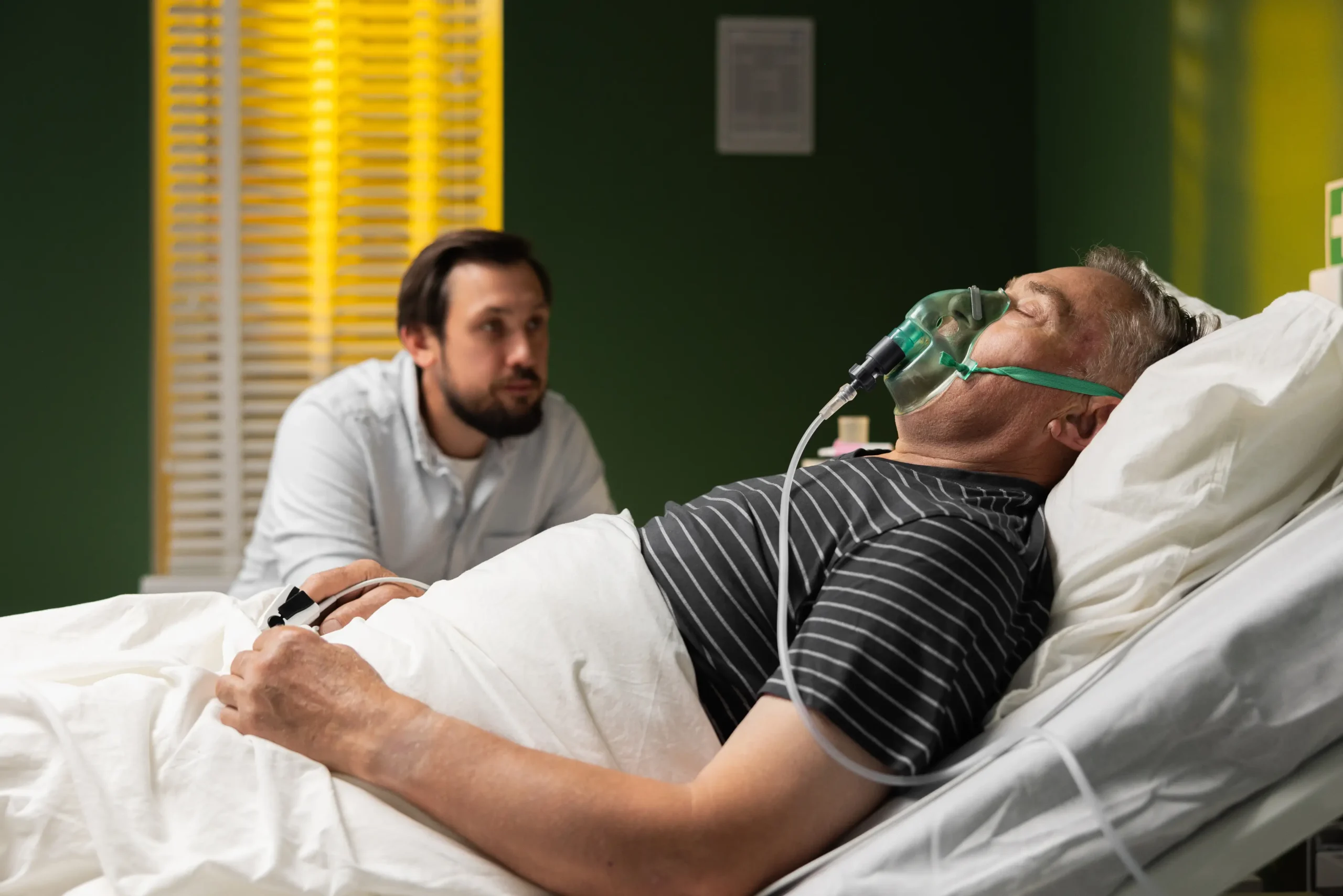
When Failure to Treat Leads to Wrongful Death
Some treatment failures have fatal consequences. When doctors or hospitals ignore clear signs of medical distress, a treatable condition can rapidly become a life-threatening emergency.
Families are often left with devastating questions about what happened and whether their loved one could have been saved with proper care.
A careful investigation can determine whether medical providers failed to act when they had a duty to intervene.
Who May Be Responsible
Failure to treat cases often involve multiple healthcare professionals and institutions. Responsibility may extend beyond a single provider.
Potentially liable parties may include:
- Treating physicians
- Emergency room doctors
- Surgeons and specialists
- Nurses and hospital staff
- Hospitals and healthcare systems
- Urgent care centers
- Medical clinics and outpatient facilities
Our legal team examines the full chain of medical decision making to determine who had responsibility for the patient’s care and where the breakdown occurred.


How We Build Failure to Treat Cases
Medical malpractice cases require detailed investigation and expert medical analysis. These claims must demonstrate both a violation of the medical standard of care and a clear connection between that failure and the resulting harm.
Our attorneys work with trusted medical experts to evaluate the full timeline of treatment. This often includes reviewing:
- Hospital and physician records
- Diagnostic tests and imaging results
- Nursing notes and monitoring logs
- Medication and treatment orders
- Hospital protocols and clinical guidelines
By reconstructing what providers knew and when they knew it, we can identify critical moments when action should have been taken but was not.
How McEldrew Purtell Can Help
Failure to treat cases often involve multiple When medical providers fail to treat a serious condition, patients and families are left dealing with the consequences. Catastrophic injuries, long term medical needs, and the loss of a loved one can place enormous emotional and financial strain on a family.
McEldrew Purtell represents individuals and families harmed by medical negligence. Our team works with respected medical experts to uncover lapses in care, document how those failures caused harm, and pursue accountability from the providers responsible.
If you believe a doctor or healthcare facility failed to provide necessary treatment, we can help you understand your legal options and determine whether medical malpractice occurred.
Contact McEldrew Purtell to discuss your situation and learn how we may be able to help.

Learn More

McEldrew Purtell Represents Child in Cerebral Palsy and Birth Injury Case
McEldrew Purtell is representing a child and her family in a serious birth injury case involving alleged failures to recognize and respond to fetal distress signs during labor and delivery. According to the allegations being investigated, the pregnancy became concerning…

Surgical Mesh Complications: What “Design Defect vs. Complication” Looks Like
Surgical mesh is used in many common procedures, including hernia repair and certain pelvic surgeries. When it works, it can reinforce weakened tissue and support healing. But when patients develop serious problems afterward like chronic pain, infection, erosion, adhesion, bowel…

Spinal Cord Stimulator Paralysis Claims: What Patients Should Know After KARE 11 Investigation
A recent KARE 11 investigation reported that multiple Minnesota patients say they were left paralyzed or seriously injured after receiving spinal cord stimulator implants for pain relief at Nura Pain Clinic in Edina. According to the reporting, three patients filed…

Needlestick Injuries, CRPS, and Medical Malpractice: What Patients Need to Know
A simple injection or blood draw is supposed to be “no big deal.” For most people, it is. But when a needle is placed incorrectly, a medication is injected into the wrong tissue, or an IV is mishandled, it can…

Weight-Loss Drug Vision Loss Lawsuits (Ozempic®, Wegovy®, Mounjaro®, Zepbound®): What Patients Need to Know
GLP-1 medications like Ozempic® and Wegovy® (semaglutide) and Mounjaro® and Zepbound® (tirzepatide) have transformed the treatment of diabetes and obesity. For many patients, these drugs are life-changing. At the same time, a growing number of patients have reported sudden, sometimes…

580,000 Bottles of Blood Pressure Drug Recalled for Cancer Risk: What Patients Should Know
The FDA has confirmed a nationwide recall of more than 580,000 bottles of the prescription medication prazosin hydrochloride (1 mg, 2 mg, and 5 mg capsules) after testing found nitrosamine impurities above the agency’s acceptable limits—compounds that, with long-term exposure,…