
Understanding Anesthesia Errors in Medical Care
Anesthesia allows patients to undergo complex procedures without pain. When administered and monitored properly, it is considered safe. However, anesthesia requires careful dosing, vigilant monitoring, and constant communication between medical professionals. Even small mistakes can quickly lead to devastating consequences.
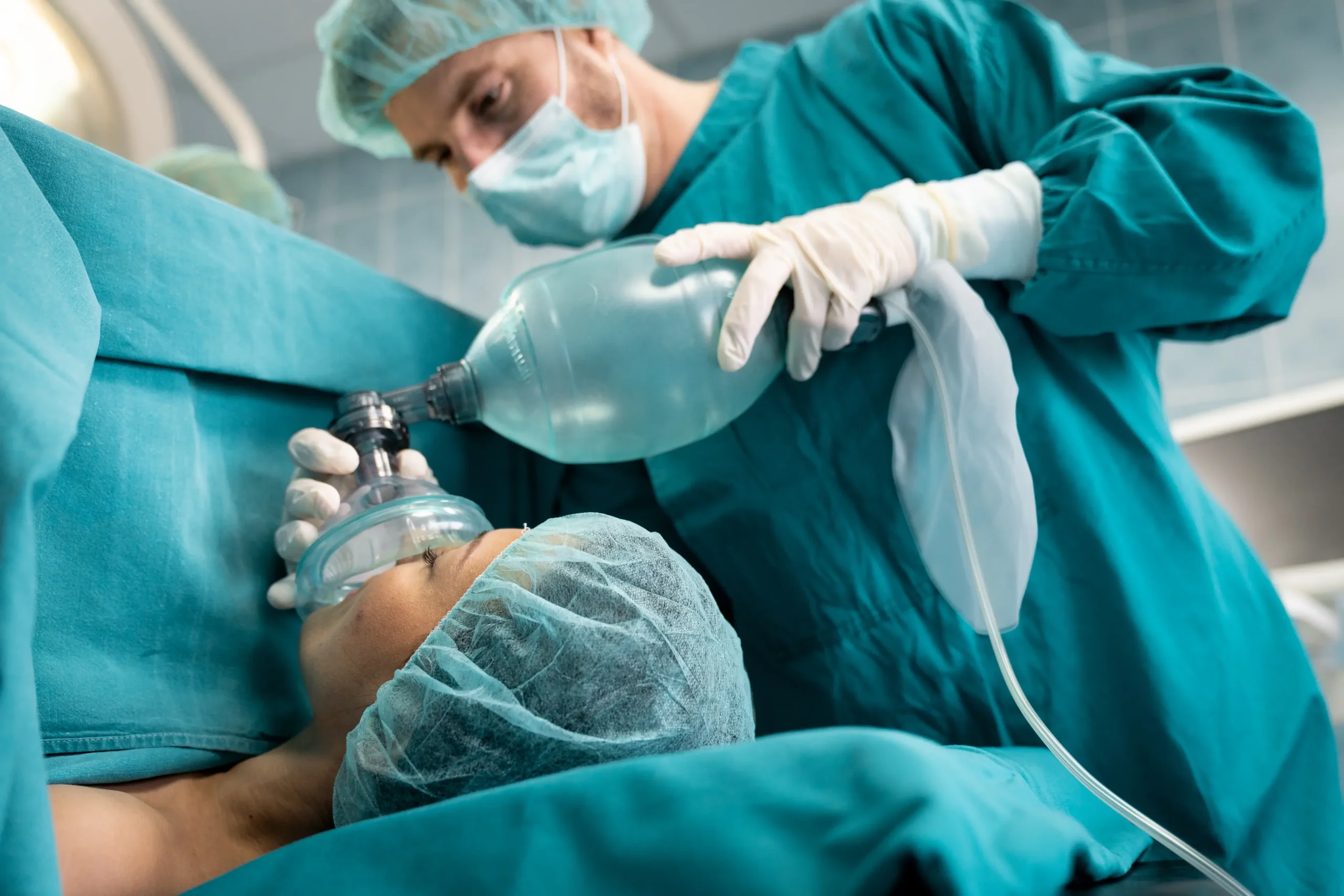
Anesthesia errors occur when a healthcare provider fails to follow accepted medical standards while administering or managing anesthesia. These failures may happen before, during, or after surgery. Patients rely on anesthesiologists, nurse anesthetists, and surgical teams to manage medications, monitor vital signs, and respond to complications.
When those responsibilities are neglected, patients may suffer catastrophic injuries such as brain damage, organ failure, or death. Our medical malpractice attorneys work to uncover how the error occurred and hold negligent providers accountable.

How Much Is Your Case Worth?

Why Anesthesia Errors Occur
Anesthesia is complex and requires constant oversight. Many errors arise from breakdowns in preparation, communication, or monitoring.
Common causes of anesthesia injuries include:
- Incorrect dosage of anesthesia or sedatives
- Failure to properly monitor oxygen levels, heart rate, or blood pressure
- Delayed response to breathing complications
- Improper airway management or intubation errors
- Medication mix-ups or drug interactions
- Failure to review a patient’s medical history or allergies
- Inadequate pre-operative evaluation
- Communication failures between surgical staff
Because anesthesia affects breathing, circulation, and brain function, mistakes can escalate quickly and cause permanent harm.
Serious Injuries Linked to Anesthesia Mistakes
When anesthesia complications are not addressed immediately, the effects can be catastrophic.
Common injuries associated with anesthesia negligence include:
- Brain damage caused by oxygen deprivation
- Stroke or cardiac arrest during surgery
- Permanent nerve damage
- Severe respiratory complications
- Awareness during surgery (anesthesia awareness)
- Traumatic airway injuries
- Organ failure
- Long-term cognitive impairment
These injuries often require extensive medical treatment, rehabilitation, and lifelong care.


When Anesthesia Errors Lead to Wrongful Death
In the most tragic cases, anesthesia mistakes result in a patient’s death. A delay in recognizing oxygen loss, improper medication dosing, or a failure to respond to complications can quickly become fatal.
Families may be left with unanswered questions after a surgical procedure that was expected to be routine. A wrongful death claim can help uncover what happened, identify responsible parties, and pursue accountability.
While no legal action can undo the loss of a loved one, it can provide financial support for surviving family members and bring transparency to prevent similar tragedies in the future.
Who May Be Responsible for Anesthesia Negligence
Multiple parties may share responsibility when anesthesia errors occur. Determining liability requires a careful investigation of the procedure, medical records, and the roles of everyone involved.
Potentially liable parties may include:
- Anesthesiologists
- Certified Registered Nurse Anesthetists (CRNAs)
- Surgeons
- Nurses or surgical staff
- Hospitals and surgical centers
- Medical groups or anesthesia practices
Hospitals and healthcare systems may also be liable if they failed to properly supervise staff, maintain adequate training, or implement safe procedures.

How We Investigate and Build Anesthesia Error Cases
Anesthesia malpractice cases often involve complex medical evidence. Our team works with experienced medical experts to examine every stage of care.
We build these cases by:
- Reviewing anesthesia records and surgical documentation
- Examining monitoring data, medication logs, and timing of events
- Consulting anesthesiology experts to evaluate the standard of care
- Investigating staffing, training, and supervision practices
- Reconstructing the sequence of events during the procedure
- Identifying systemic failures that contributed to the harm
Our goal is to clearly demonstrate how the error occurred and the full impact it had on the patient and their family.
How McEldrew Purtell Can Help
When anesthesia errors cause catastrophic injury or wrongful death, families deserve answers and accountability.
McEldrew Purtell focuses on serious medical malpractice cases involving life-changing injuries and preventable deaths. Our attorneys work with trusted medical experts, conduct thorough investigations, and pursue claims against negligent providers and institutions.
We understand how overwhelming these situations can be. Our team is committed to helping families uncover the truth, protect their rights, and seek the compensation needed for long-term care and recovery.
If you believe an anesthesia error harmed you or a loved one, contact McEldrew Purtell to discuss your legal options.

Learn More

McEldrew Purtell Represents Child in Cerebral Palsy and Birth Injury Case
McEldrew Purtell is representing a child and her family in a serious birth injury case involving alleged failures to recognize and respond to fetal distress signs during labor and delivery. According to the allegations being investigated, the pregnancy became concerning…

Surgical Mesh Complications: What “Design Defect vs. Complication” Looks Like
Surgical mesh is used in many common procedures, including hernia repair and certain pelvic surgeries. When it works, it can reinforce weakened tissue and support healing. But when patients develop serious problems afterward like chronic pain, infection, erosion, adhesion, bowel…

Spinal Cord Stimulator Paralysis Claims: What Patients Should Know After KARE 11 Investigation
A recent KARE 11 investigation reported that multiple Minnesota patients say they were left paralyzed or seriously injured after receiving spinal cord stimulator implants for pain relief at Nura Pain Clinic in Edina. According to the reporting, three patients filed…

Needlestick Injuries, CRPS, and Medical Malpractice: What Patients Need to Know
A simple injection or blood draw is supposed to be “no big deal.” For most people, it is. But when a needle is placed incorrectly, a medication is injected into the wrong tissue, or an IV is mishandled, it can…

Weight-Loss Drug Vision Loss Lawsuits (Ozempic®, Wegovy®, Mounjaro®, Zepbound®): What Patients Need to Know
GLP-1 medications like Ozempic® and Wegovy® (semaglutide) and Mounjaro® and Zepbound® (tirzepatide) have transformed the treatment of diabetes and obesity. For many patients, these drugs are life-changing. At the same time, a growing number of patients have reported sudden, sometimes…

580,000 Bottles of Blood Pressure Drug Recalled for Cancer Risk: What Patients Should Know
The FDA has confirmed a nationwide recall of more than 580,000 bottles of the prescription medication prazosin hydrochloride (1 mg, 2 mg, and 5 mg capsules) after testing found nitrosamine impurities above the agency’s acceptable limits—compounds that, with long-term exposure,…