
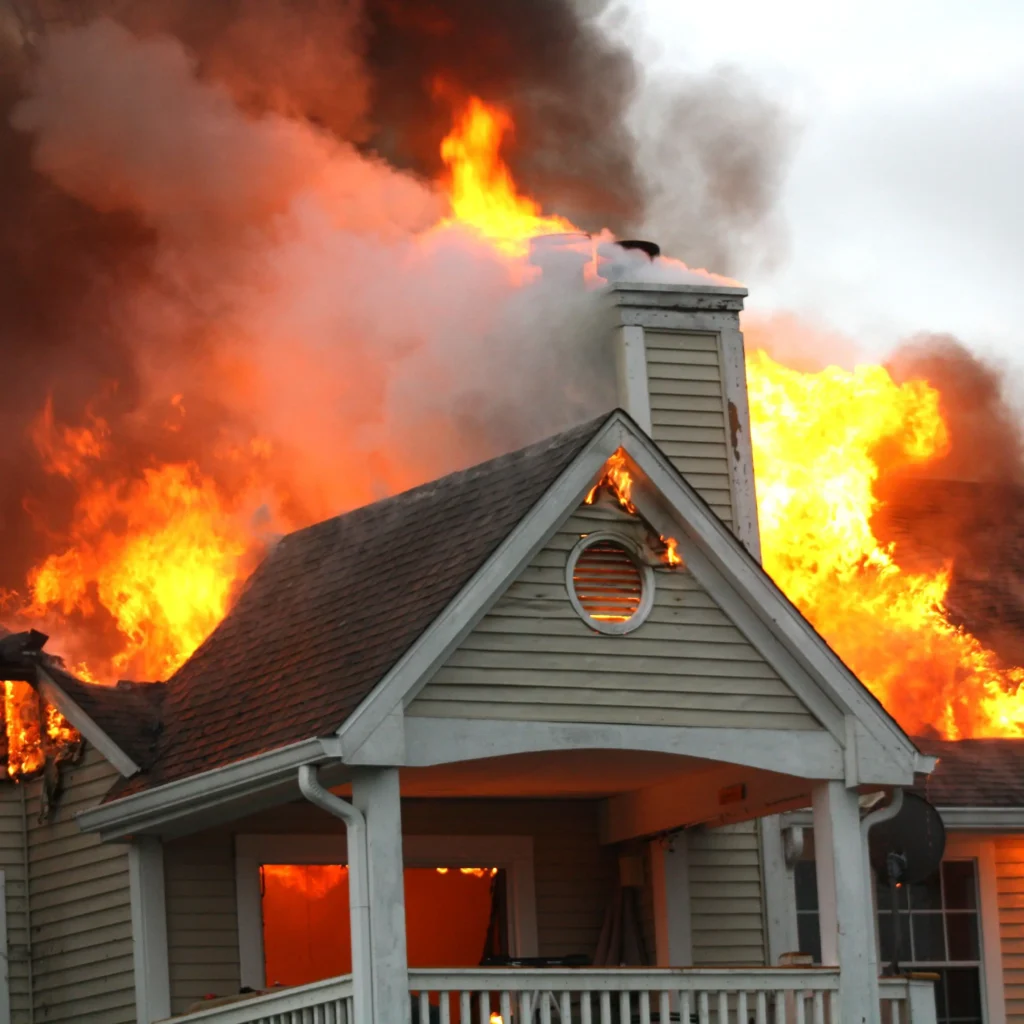
From Code Violations to Defective Products, We Uncover Why the Fire Spread
When a home catches fire, people often talk about “tragic accidents.” In our experience, serious residential and apartment fires usually trace back to something much more specific: a landlord who never fixed the wiring, a management company that disabled smoke alarms, a contractor who cut corners, or a product that should never have been in a home in the first place.
If you or your family member suffered burns, smoke inhalation, or wrongful death in a house or apartment fire, your losses are not limited to charred walls and ruined belongings. You may be facing skin grafts, permanent disability, disfigurement, PTSD, and a lifetime of medical care. Our job is to identify why the fire was so destructive and hold every negligent party accountable.
McEldrew Purtell represents tenants, homeowners, and families in complex fire and explosion cases with a focus on catastrophic injury and wrongful death.

How Much Is Your Case Worth?
How residential & apartment fires turn deadly
A small ignition source does not become a life-threatening fire on its own. These are the kinds of failures we frequently uncover:
- Life-safety systems that weren’t there when they were needed – Missing or disconnected smoke alarms, dead batteries, no alarms in bedrooms or hallways, sprinklers never installed or shut off, and emergency lighting that fails when power is lost.
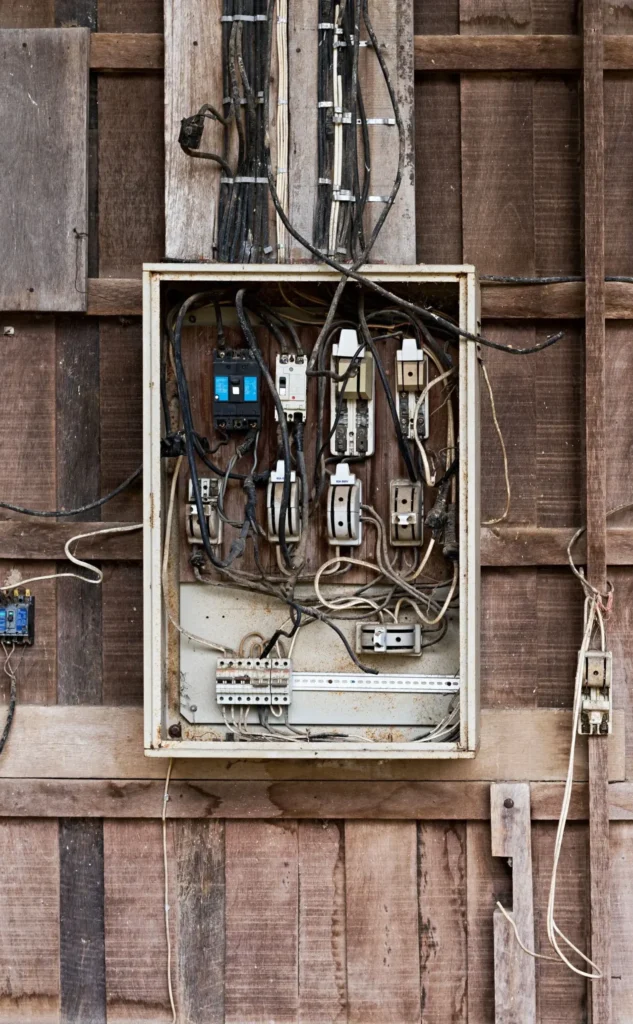
- Electrical and gas systems that were accidents waiting to happen – Overloaded circuits, DIY or unpermitted electrical work, aging panels, unaddressed gas odors, and appliances installed without proper venting or clearances.
- Buildings that were never made fire-safe in the first place – No fire separation between units, non-rated doors, gaps around pipes and conduits, and renovations that pierced firewalls or added combustible materials.
- People trapped by exits that didn’t work – Locked or blocked doors, windows painted or nailed shut, obstructed stairwells, rusted fire escapes, and bars or gates without quick-release mechanisms.
- Dangerous crowding and illegal conversions – Extra bedrooms carved into basements or attics, multiple families in a unit designed for one, space heaters used because the building’s heat never worked.
A proper investigation looks beyond “where the fire started” and focuses on “why people couldn’t get out and why it spread the way it did.”
The injuries and losses we see
Serious residential fires leave a long-term mark on survivors and families:
- Third- and fourth-degree burns requiring multiple surgeries and grafts
- Smoke inhalation injuries and permanent lung damage
- Traumatic brain injury and cognitive deficits from oxygen deprivation
- Orthopedic trauma and crush injuries from collapses or falls during escape
- Disfigurement and scarring, including facial injuries and loss of limbs
- Psychological trauma, PTSD, anxiety, and depression
- Death of a child, parent, or partner, and the permanent disruption of the family
Our approach is to fully document both the visible and invisible harms, not just the initial hospitalization.

Types of residential fire cases we handle
Apartment & multi-family building fires
Fires that start in one unit and race through hallways and neighboring apartments because doors didn’t close, sprinklers weren’t installed, firestopping was missing, or alarms never sounded. These cases often involve a history of code violations and prior warnings.
Rental homes, duplexes & rowhouses
Single-family or small multi-unit properties where landlords defer maintenance year after year: overloaded electrical systems, old aluminum wiring, failing furnaces, gas leaks, broken detectors, and makeshift repairs.
Off-campus & student rentals
Older houses chopped into multiple units for students or young tenants, often with blocked exits, extension-cord wiring, and no real fire-safety plan, despite being known high-risk properties.
Space heater, appliance & lithium-ion battery fires
Fires ignited by portable heaters, dryers, window units, power strips, chargers, e-bikes, scooters, or other devices. These cases may involve a combination of premises liability and product liability against manufacturers and distributors.
Electrical, gas & utility-related fires
Fires and explosions that follow repeated complaints of flickering lights, tripped breakers, or gas odors where nothing meaningful was done before the disaster.
Smoke alarm, sprinkler & blocked-exit fires
Fires where injuries or deaths occur because life-safety systems failed; missing or disabled smoke alarms, sprinklers shut off or never installed, emergency lighting out, or exits and stairwells blocked, locked, or unusable when residents tried to escape.
Who may be legally responsible?
Residential and apartment fire cases rarely involve only one wrongdoer. Depending on the facts, we may pursue claims against:
- Landlords and property owners – For failing to comply with fire, building, and housing codes; ignoring known hazards; failing to install or maintain smoke alarms and detectors; and allowing unsafe conditions to persist.
- Property management companies – For inadequate inspections, ignoring tenant complaints, failing to maintain common areas, and hiring unqualified contractors.
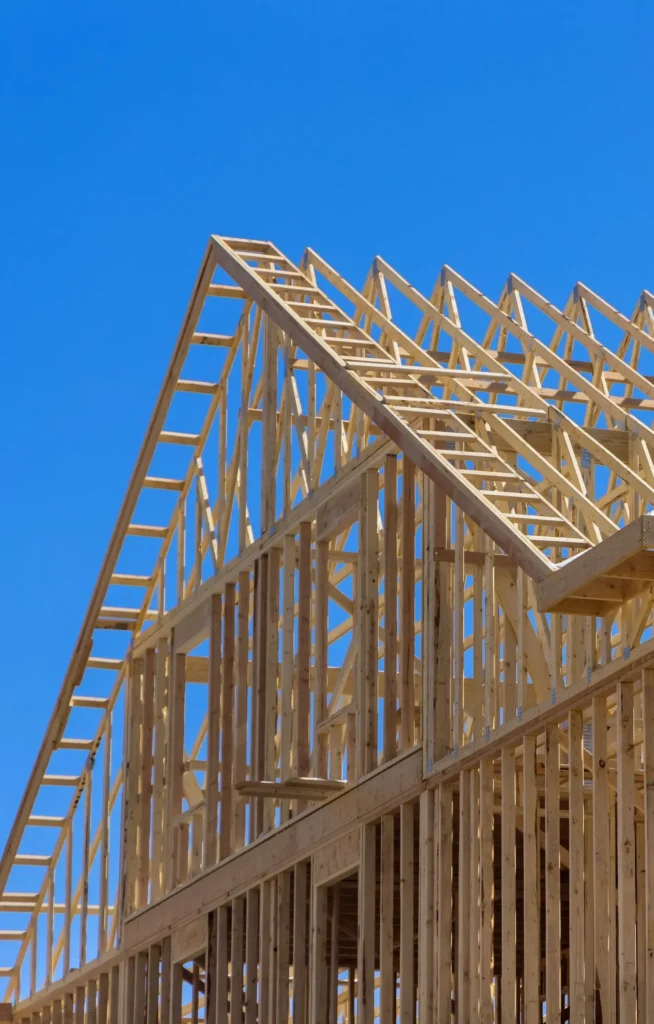
- Developers, builders, and contractors – For defective design or construction, non-code electrical work, lack of firestopping, and unpermitted renovations that undermined the building’s fire performance.
- Appliance and product manufacturers – For defective heaters, stoves, wiring devices, batteries, power strips, and other products that ignited or failed dangerously during the fire.
- Alarm, sprinkler & monitoring companies – For negligent installation, service, or monitoring of fire alarms and sprinkler systems that were supposed to protect residents.
- Gas and utility companies – When failure to properly install, inspect, or respond to hazardous gas or electrical conditions contributes to the fire or explosion.
Identifying every responsible party is critical in cases involving catastrophic injury or wrongful death, where a single insurance policy will not cover the true extent of the loss.
What you can do after a home or apartment fire
If you’re dealing with the aftermath of a serious fire:
- Focus on medical care first. Burn and smoke injuries evolve over time. Follow up with burn specialists, pulmonologists, and mental-health providers.
- Keep documents and communication. Save your lease, photos of the unit before and after the fire, texts and emails about prior problems (like no heat, electrical issues, or alarms not working), and any inspection or violation notices you receive.
- Be cautious with insurers and property representatives. Landlord, property, and product insurers are protecting their own interests. Avoid detailed recorded statements or signing broad releases before speaking with counsel.
- Understand that early official reports are not the last word. Fire marshal and insurance origin-and-cause reports can be incomplete or narrowly focused. Independent investigation is often essential.
- Speak with attorneys experienced in fire and explosion litigation. These cases turn on technical evidence, code requirements, and expert reconstruction and they usually involve sophisticated defendants and insurers.

Learn More

Logan Township, New Jersey Building Explosion Prompts Shelter in Place: Updated Injury Reports, Propane Storage Details, and What Injured Workers Can Do
A building explosion at a large commercial facility in Logan Township, New Jersey led to a shelter-in-place advisory on Wednesday, March 4, 2026. Officials later lifted the shelter-in-place shortly before 5:00 p.m. after air monitoring reported no hazards detected. What…
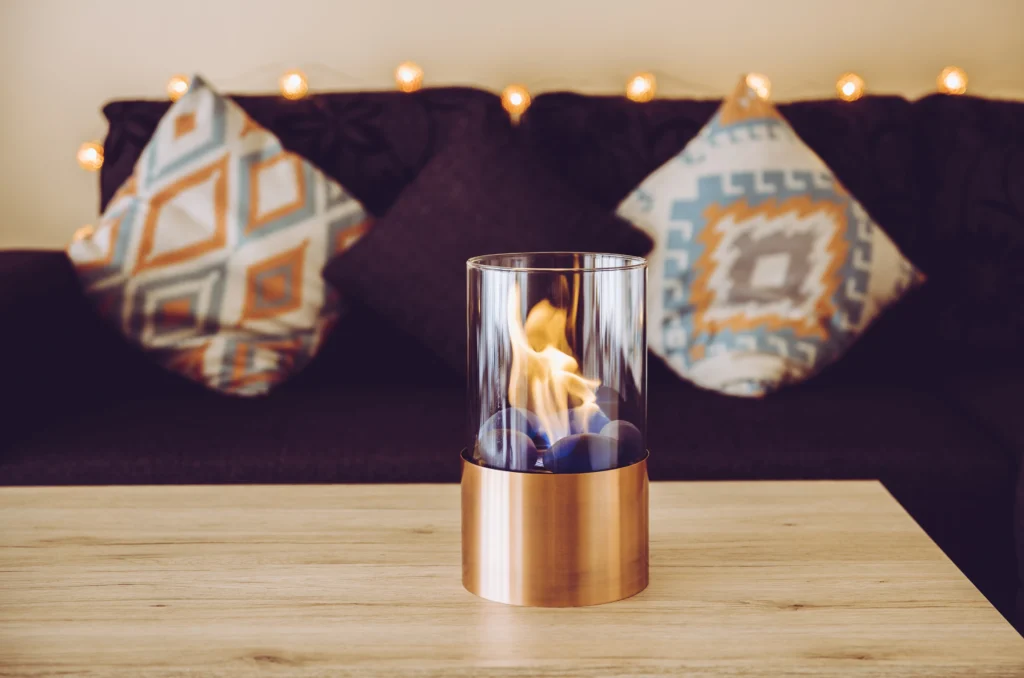
Tabletop Fire Pits Are Causing Devastating Burn Injuries. Here’s What Families Need to Know.
Decorative tabletop fire pits and “smokeless” mini fireplaces are being sold everywhere right now – big-box stores, discount chains, home décor shops, and online marketplaces. They’re marketed as cozy, stylish ways to create ambiance for family gatherings, s’mores nights, or…

Explosion Reported at Bucks County Nursing Home: What Families Need to Know and Do Now
On Tuesday, December 23, 2025, an explosion and fire were reported at Silver Lake Nursing Home / Silver Lake Healthcare Center on Tower Road in Bristol Township, Bucks County. Early reports indicated people may have been trapped, a large emergency…

E-Scooter Catastrophic Injuries, Battery Fires, and Lawsuits: What Riders and Families Need to Know
Electric scooters (e-scooters) are now a familiar sight in Philadelphia and across the U.S. But with popularity has come a surge in serious injuries and, increasingly, devastating lithium-ion battery fires. If you or a loved one suffered catastrophic injuries or…
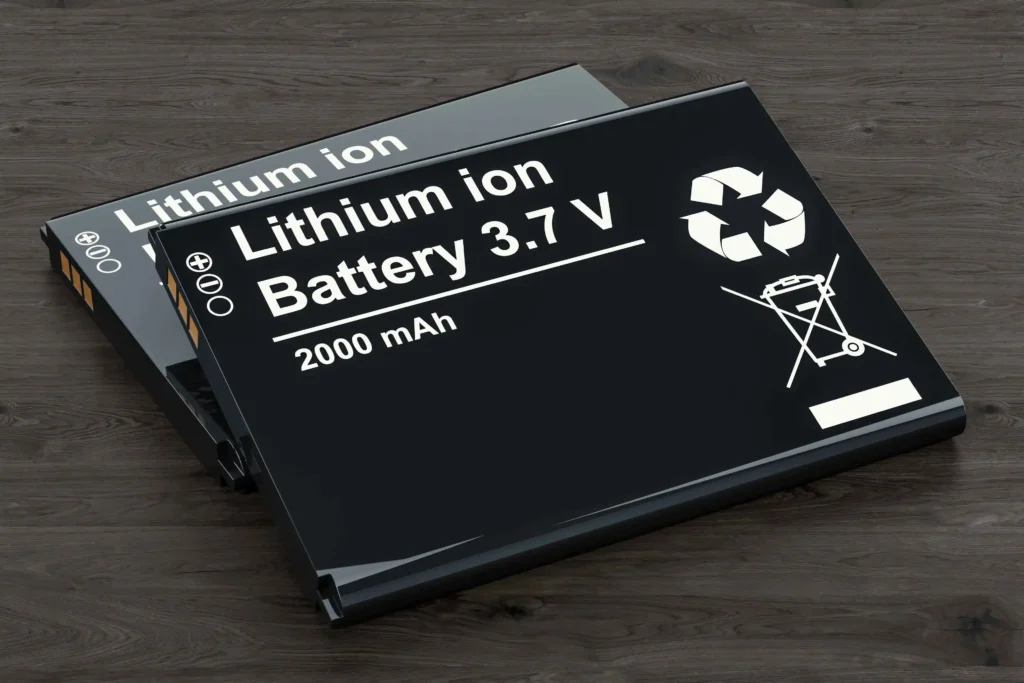
Lithium-Ion Battery Fires: What Victims Need to Know About Lawsuits
Lithium-ion batteries power our e-bikes, scooters, tools, phones, and power banks. When they fail, fires can erupt suddenly, spread fast, and be incredibly hard to extinguish. If you or a loved one suffered burns, smoke inhalation, or a fatality from…
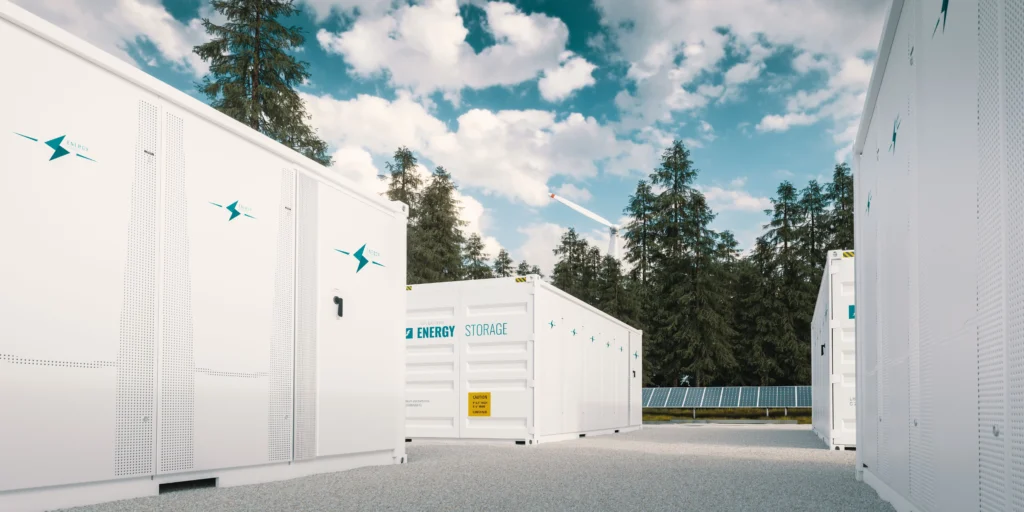
Lithium-Ion Battery Storage & Transport: Warehouse Fire/Explosion Litigation
Lithium-ion batteries power modern commerce but when storage or transport goes wrong, the fires are fast, toxic, and devastating. For injured workers, first responders, and nearby businesses, a single incident can upend lives. This guide explains how these losses happen,…