

When a workplace fire is preventable, we fight to hold every responsible company accountable.
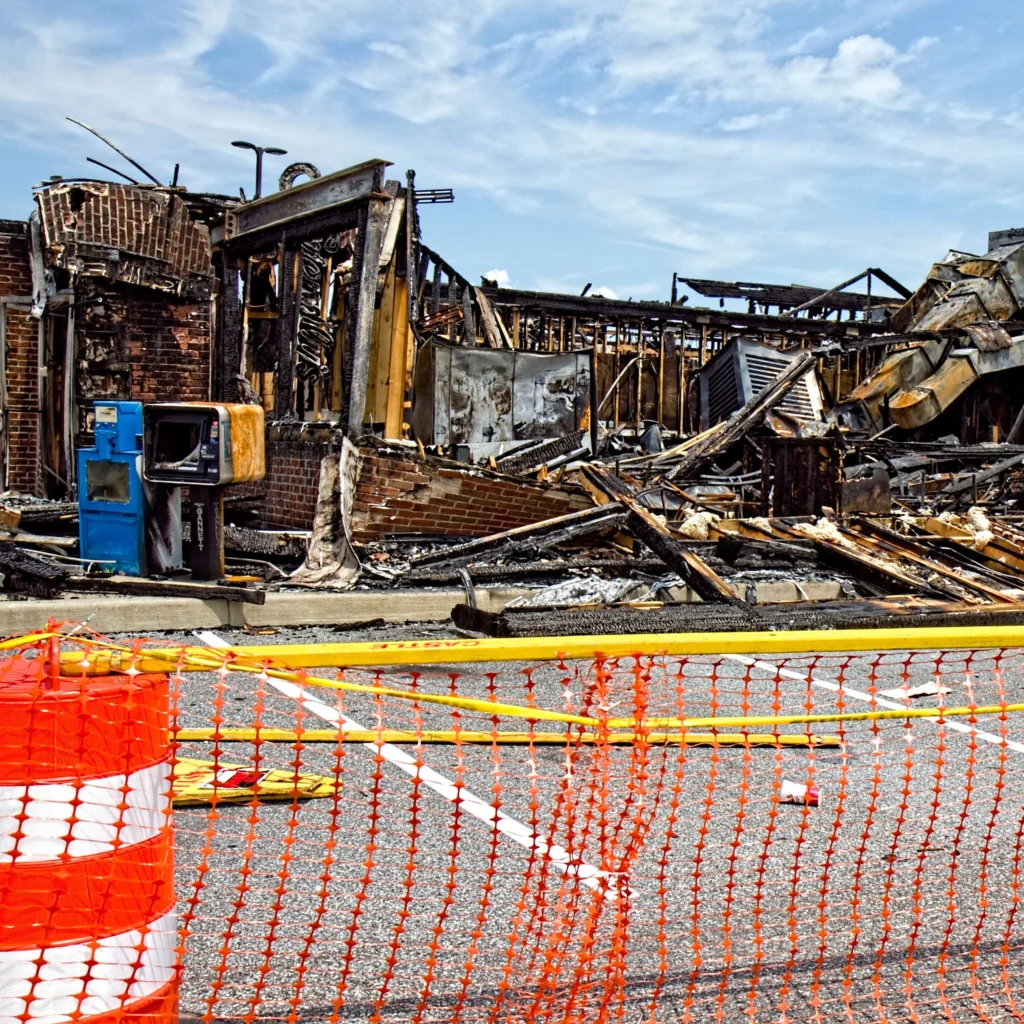
Industrial and workplace fires don’t just burn, they explode, collapse structures, release toxic smoke, and change lives in seconds. These incidents often involve flammable gases, combustible dust, hot work (welding/cutting), chemicals, fuel storage, high-voltage systems, or machinery that should have been shut down, locked out, or properly maintained.
Employers and contractors may rush to blame “human error.” But in many cases, the real causes are systemic: missing safeguards, ignored hazards, inadequate training, broken equipment, and production pressure that overrides safety. When that negligence leads to catastrophic injury or wrongful death, McEldrew Purtell investigates what happened and pursues full compensation from every responsible party.
We represent workers, contractors, and families in serious industrial fire and explosion cases across Pennsylvania and nationwide.

How Much Is Your Case Worth?
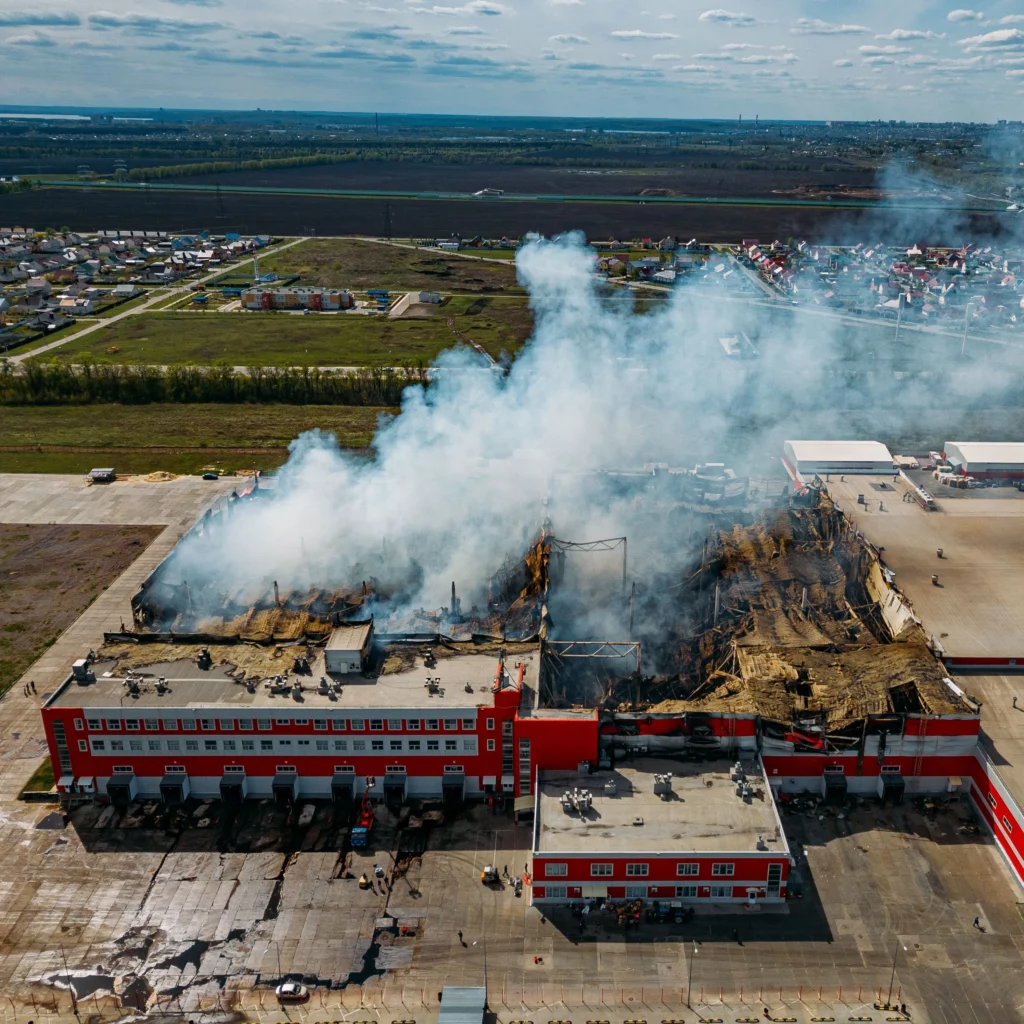
Where industrial and workplace fires happen
Serious fires and explosions can occur in nearly any industrial setting, including:
- Refineries, chemical plants, and processing facilities
- Warehouses, distribution centers, and cold storage buildings
- Manufacturing plants and fabrication shops
- Food processing facilities (including combustible dust hazards)
- Construction sites and demolition projects
- Power generation sites and substations
- Rail yards, intermodal terminals, and heavy equipment facilities
- Commercial kitchens and restaurant operations
- Laboratories and facilities using solvents, compressed gases, or reactive chemicals
Whether the incident happened in a massive plant or a small shop, the legal and technical issues are often the same: hazard recognition, prevention, and the failure to control ignition sources and fuel.
The injuries are often catastrophic
Industrial and workplace fires cause more than surface burns. We regularly see:
- Severe burns requiring grafts, reconstruction, and long-term wound care
- Smoke inhalation injuries, chemical airway burns, and long-term respiratory disease
- Blast injuries: traumatic brain injury, hearing loss, and internal organ damage
- Crush injuries and fractures from collapses and falling debris
- Amputations and loss of function from thermal and mechanical trauma
- Permanent scarring, disfigurement, and psychological trauma, including PTSD
- Wrongful death, leaving families facing profound loss and financial instability
Our cases focus on the full human impact not just a quick settlement number.

Common causes of industrial and workplace fires
Hot work and inadequate fire watch
Welding, torch cutting, grinding, or brazing is performed near combustibles without proper permitting, isolation, and a real fire watch. Fires often begin behind walls, above ceilings, or in concealed spaces and grow unnoticed until they become unsurvivable.
Combustible dust explosions and flash fires
Dust from wood, grain, sugar, plastics, metals, and other materials can ignite explosively when allowed to accumulate. Poor housekeeping, improper ventilation, and lack of dust collection safeguards can turn a routine process into a catastrophic blast.
Flammable liquids, vapors, and gas releases
Solvents, fuels, and chemical vapors can travel and ignite far from the leak source. Inadequate containment, poor ventilation, and failure to follow safe transfer and storage procedures commonly contribute.
Electrical fires and arc flash events
Overloaded panels, faulty wiring, improper grounding, outdated equipment, or work performed on energized systems without proper lockout/tagout can lead to fire, explosion, and severe burn injuries.
Equipment and machinery failures
Overheated bearings, hydraulic leaks, fuel system failures, battery thermal runaway, and malfunctioning safety interlocks can trigger fires that spread rapidly through a facility.
Confined space and purge failures
Explosions in tanks, vessels, pits, and confined spaces can occur when flammables are not properly purged, monitored, or controlled, especially during maintenance shutdowns and turnarounds.
Who may be legally responsible
Industrial fire cases often involve multiple companies operating in the same space. Depending on the facts, liable parties may include:
- Employers and plant operators – For unsafe processes, inadequate training, missing safeguards, and failure to enforce safety rules.
- General contractors and subcontractors – For unsafe hot work, poor site coordination, inadequate fire watch, and failure to control hazards across trades.
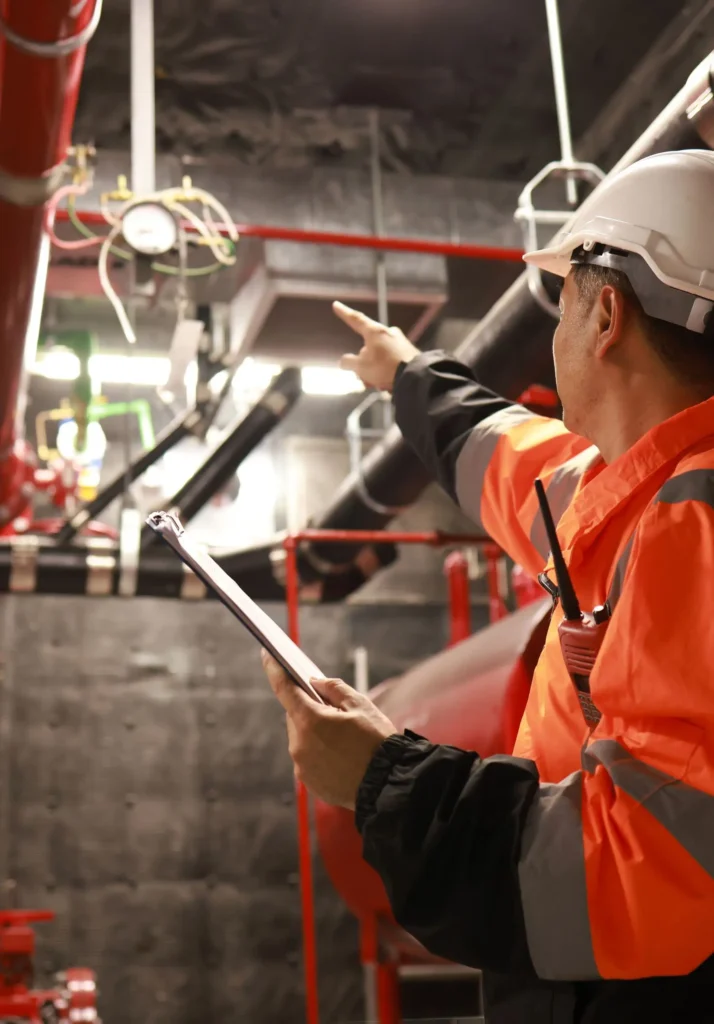
- Property owners and facility managers – For unsafe building systems, code violations, inadequate fire protection, and poor maintenance of alarms, sprinklers, and suppression systems.
- Equipment manufacturers and suppliers – For defective machinery, electrical components, batteries, valves, hoses, and safety devices.
- Chemical manufacturers and distributors – For dangerous products and inadequate warnings about storage, handling, and ignition risks.
- Safety and engineering firms – For negligent process design, hazard analysis failures, and inadequate safety planning.
Our approach is to identify every entity that contributed to the conditions that allowed a fire to start, spread, or trap workers.
What to do after a workplace fire or explosion
These are complex, expert-driven cases that often If you’ve been injured or lost someone in an industrial or workplace fire:
- Get specialized medical care. Burns and inhalation injuries can worsen over time. Follow up with burn centers, pulmonologists, and trauma specialists.
- Write down what you remember. Where you were, what you saw/smelled/heard first, what tasks were underway, and who was working nearby.
- Preserve documents and photos. Any incident reports, texts, emails, safety complaints, training records, or job orders can become critical.
- Be careful with recorded statements and releases. Employers, contractors, and insurers may push for statements that lock in their preferred narrative.
- Talk with experienced fire and explosion counsel. These cases require technical experts and an aggressive approach to evidence preservation.

Learn More

Logan Township, New Jersey Building Explosion Prompts Shelter in Place: Updated Injury Reports, Propane Storage Details, and What Injured Workers Can Do
A building explosion at a large commercial facility in Logan Township, New Jersey led to a shelter-in-place advisory on Wednesday, March 4, 2026. Officials later lifted the shelter-in-place shortly before 5:00 p.m. after air monitoring reported no hazards detected. What…

Tabletop Fire Pits Are Causing Devastating Burn Injuries. Here’s What Families Need to Know.
Decorative tabletop fire pits and “smokeless” mini fireplaces are being sold everywhere right now – big-box stores, discount chains, home décor shops, and online marketplaces. They’re marketed as cozy, stylish ways to create ambiance for family gatherings, s’mores nights, or…

Explosion Reported at Bucks County Nursing Home: What Families Need to Know and Do Now
On Tuesday, December 23, 2025, an explosion and fire were reported at Silver Lake Nursing Home / Silver Lake Healthcare Center on Tower Road in Bristol Township, Bucks County. Early reports indicated people may have been trapped, a large emergency…

E-Scooter Catastrophic Injuries, Battery Fires, and Lawsuits: What Riders and Families Need to Know
Electric scooters (e-scooters) are now a familiar sight in Philadelphia and across the U.S. But with popularity has come a surge in serious injuries and, increasingly, devastating lithium-ion battery fires. If you or a loved one suffered catastrophic injuries or…
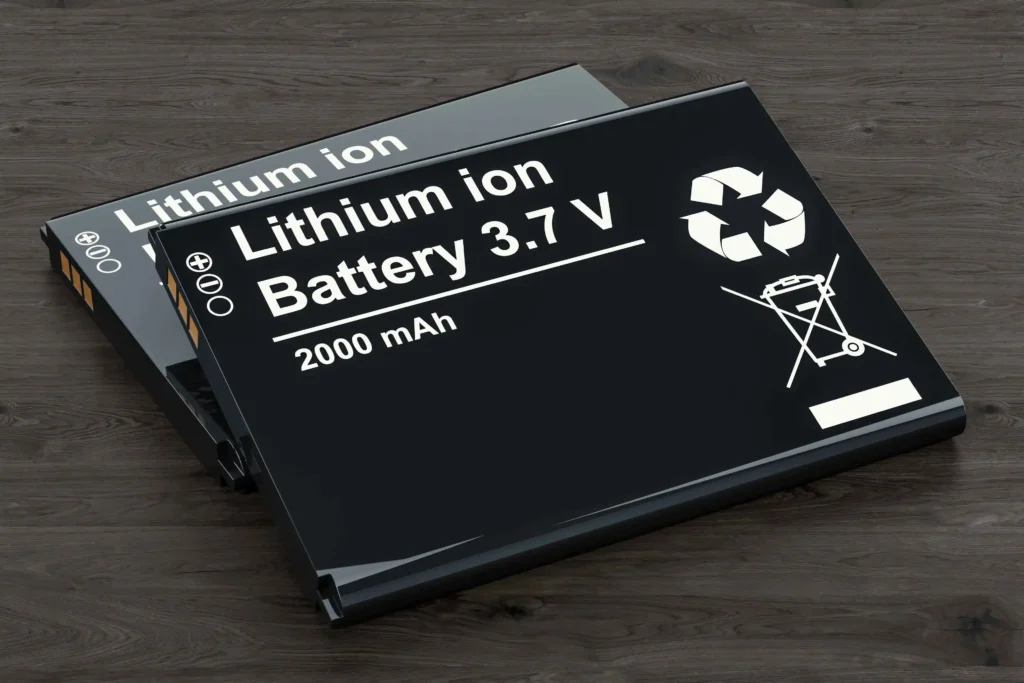
Lithium-Ion Battery Fires: What Victims Need to Know About Lawsuits
Lithium-ion batteries power our e-bikes, scooters, tools, phones, and power banks. When they fail, fires can erupt suddenly, spread fast, and be incredibly hard to extinguish. If you or a loved one suffered burns, smoke inhalation, or a fatality from…
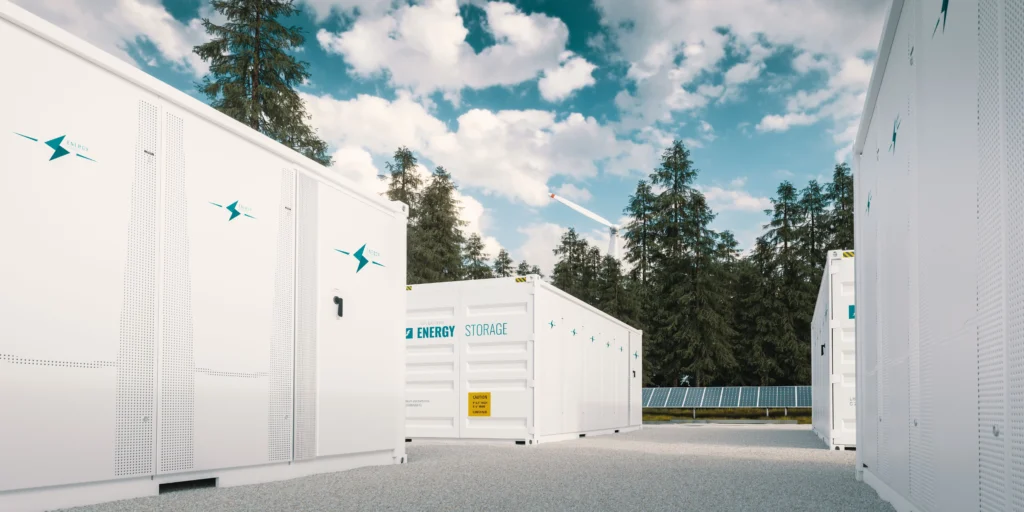
Lithium-Ion Battery Storage & Transport: Warehouse Fire/Explosion Litigation
Lithium-ion batteries power modern commerce but when storage or transport goes wrong, the fires are fast, toxic, and devastating. For injured workers, first responders, and nearby businesses, a single incident can upend lives. This guide explains how these losses happen,…