
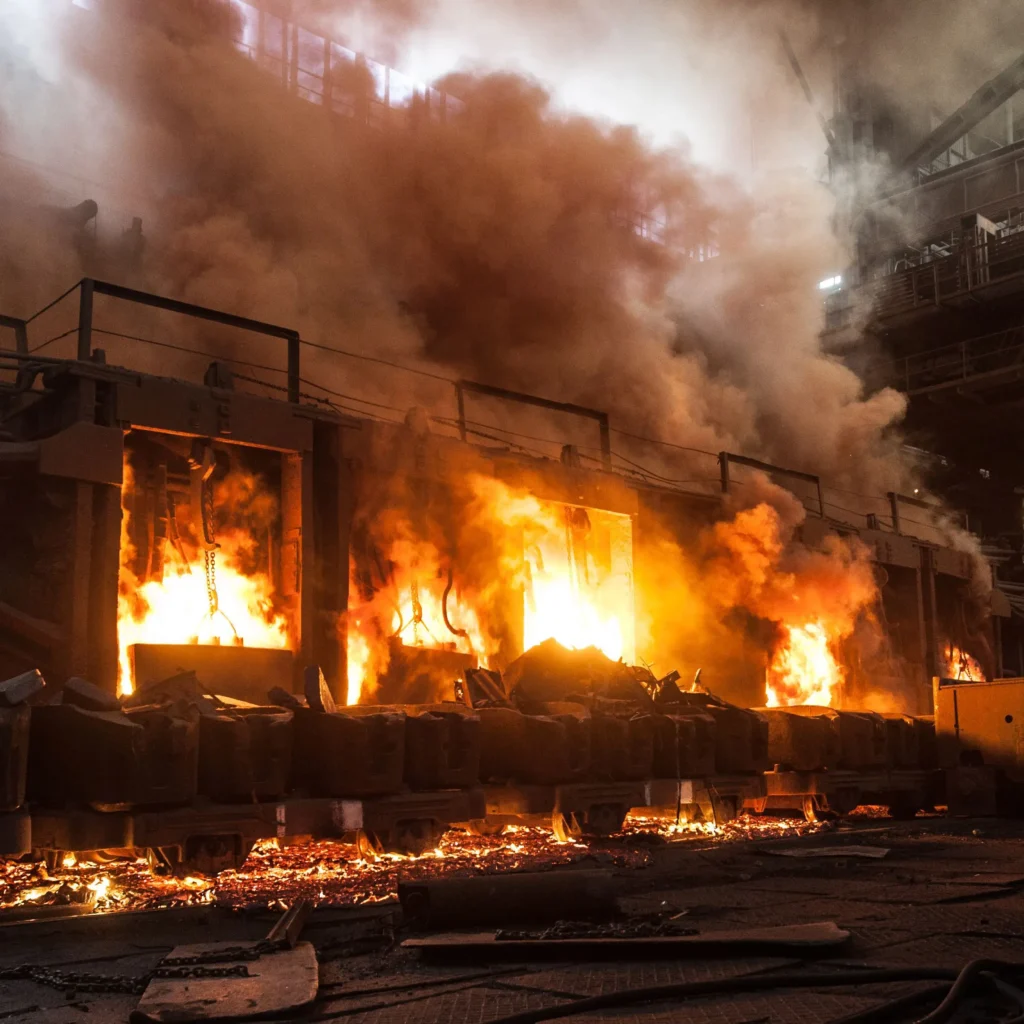
Explosions aren’t accidents; they’re preventable failures.
In heavy industry, a split-second event can create a lifetime of consequences. A furnace eruption. A boiler rupture. A dust blast that turns a production line into a firestorm. A gas release that ignites before anyone can get clear.
When a factory or steel mill explodes, the question is rarely if there were warning signs; it’s who ignored them, who controlled the hazards, and why the safeguards didn’t stop it.
McEldrew Purtell represents workers and families nationwide after catastrophic injuries and wrongful death caused by industrial explosions. We build cases that don’t stop at “root cause.” We follow the chain of responsibility from maintenance logs to contractor scopes to management decisions until the truth is on paper and in a courtroom-ready file.

How Much Is Your Case Worth?
What Makes Steel Mill and Factory Explosions So Violent
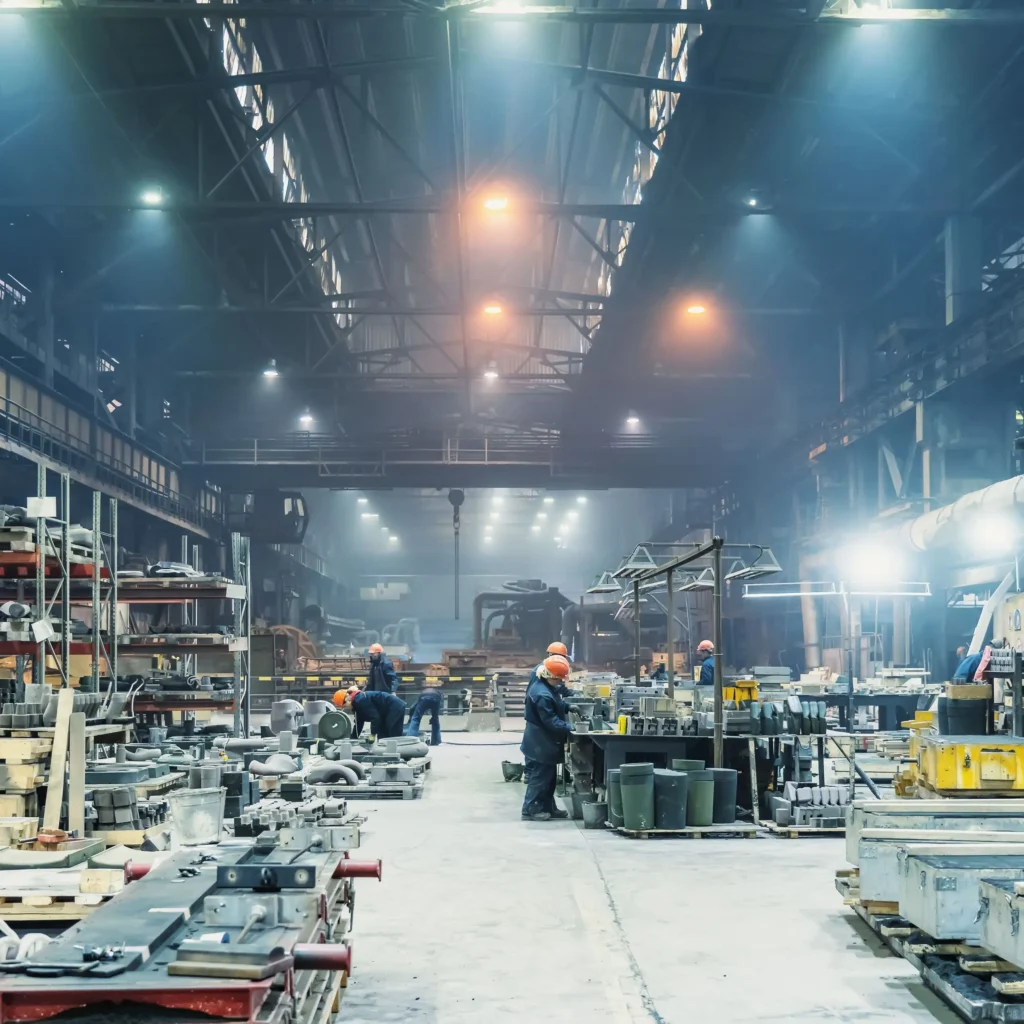
Industrial sites combine the ingredients for disaster every day:
- Extreme heat (molten metal, furnaces, slag pits, heat treat operations)
- Pressurized systems (steam, compressed air, hydraulics, oxygen, gas lines)
- Combustible materials (dust, solvents, oils, gases, coatings)
- Continuous operations where downtime is punished and shortcuts spread
Explosions often occur after a series of smaller failures: missed inspections, temporary fixes, alarms bypassed, incomplete lockout/tagout, or “run it anyway” decisions.
Types of Explosions We Handle
We investigate and litigate catastrophic incidents involving:
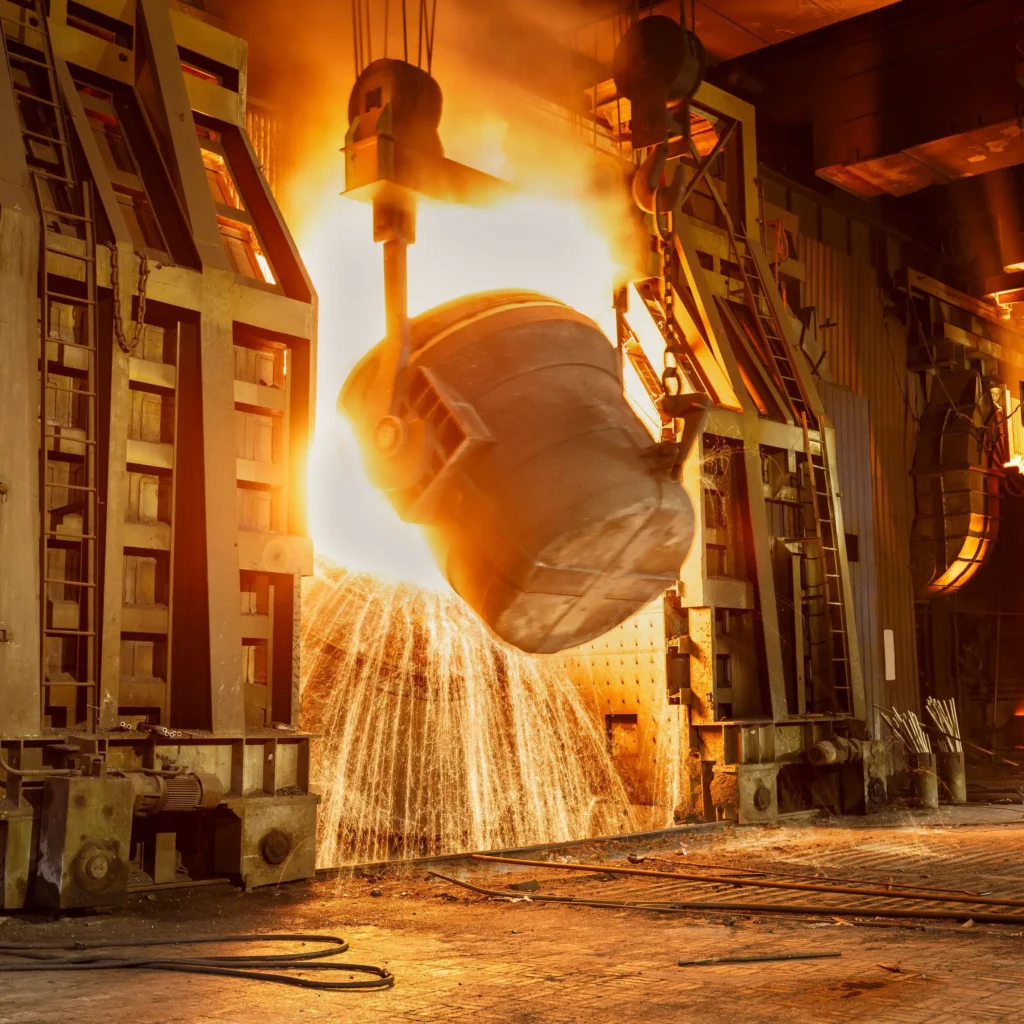
- Furnace and ladle events (ruptures, refractory failure, steam explosions, eruptions)
- Boiler and steam system explosions
- Compressed gas explosions (oxygen, acetylene, propane, natural gas)
- Chemical process and reaction explosions
- Combustible dust explosions (metal dust, coal, grain, resins, plastics, additives)
- Hydraulic line failures and atomized mist ignition
- Hot work ignitions (welding/cutting near vapors, dust, or hidden fuel sources)
- Confined space explosions (tanks, vessels, ductwork, baghouses, silos)
- Maintenance/turnaround failures during shutdowns and restarts
Patterns We Look for and Often See
Contractor and Turnaround Mistakes
- Conflicting scopes and unclear control of safety
- Temporary equipment, incorrect parts, improper installation
- Restart decisions made without proper checks or sign-offs
Dust and Housekeeping Failures
- Dust accumulation on rafters, cable trays, and equipment
- Inadequate dust collection design or maintenance
- Leaks and spills treated as “normal operations”
Safeguards That Were Missing, Disabled, or Ineffective
- Pressure relief devices not tested or improperly sized
- Inoperable alarms, faulty sensors, or ignored warning thresholds
- Interlocks bypassed to keep production running
- Ventilation failures that allowed explosive atmospheres to build
Training, Staffing, and Procedure Breakdowns
- Inadequate hazard communication or process safety training
- Understaffed crews and rushed maintenance windows
- Poor permit systems (hot work, confined space, line break)
Who Can Be Held Responsible After an Industrial Explosion?
Depending on the facts, liability can extend well beyond the employer especially when third parties contributed to the hazard. Potential responsible parties may include:
- Equipment manufacturers (furnaces, boilers, valves, dust collectors, sensors, controls)
- Maintenance contractors and specialty industrial service companies
- Engineering firms (design, upgrades, hazard analysis, safety systems)
- General contractors and subcontractors on site
- Suppliers of gases, chemicals, or fuel systems
- Property owners/operators when multiple entities control the site
We identify who controlled the risk, who had notice, and who had the power to prevent the explosion.
Evidence That Wins These Cases
Industrial defendants move fast after an explosion. Equipment gets swapped. Areas get cleaned. Reports get “massaged.” That’s why early legal action matters.
We work to secure and analyze:
- Maintenance histories, inspection intervals, and repair backlogs
- Incident reports, shift logs, and operator notes
- Control system data (alarms, trends, interlocks, overrides)
- Safety audits, hazard analyses, and prior “near miss” documentation
- Hot work permits, confined space permits, LOTO records
- Contractor scopes, JHAs, and job brief documentation
- Physical evidence for failure analysis and metallurgical testing
- OSHA/MSHA materials and witness statements (when applicable)

Catastrophic Injuries from Factory and Steel Mill Explosions
Survivors often face severe, long-term harm, including:
- Full-thickness burns, grafting, and permanent scarring
- Blast-related trauma, fractures, and amputations
- Brain injury from blunt force or oxygen deprivation
- Lung injury from smoke, fumes, or chemical exposure
- Spinal injury and complex orthopedic damage
- Wrongful death
We build damages with life-care planning, medical specialists, and economic experts when needed because “quick settlement” numbers rarely reflect lifelong consequences.
For Families After a Workplace Fatality
If you lost someone in an industrial explosion, you deserve straight answers, not corporate talking points. We help families understand:
- What happened and why
- Whether third parties contributed
- What claims may be available beyond workers’ compensation
- How to protect evidence and preserve the truth

Learn More

Logan Township, New Jersey Building Explosion Prompts Shelter in Place: Updated Injury Reports, Propane Storage Details, and What Injured Workers Can Do
A building explosion at a large commercial facility in Logan Township, New Jersey led to a shelter-in-place advisory on Wednesday, March 4, 2026. Officials later lifted the shelter-in-place shortly before 5:00 p.m. after air monitoring reported no hazards detected. What…

Tabletop Fire Pits Are Causing Devastating Burn Injuries. Here’s What Families Need to Know.
Decorative tabletop fire pits and “smokeless” mini fireplaces are being sold everywhere right now – big-box stores, discount chains, home décor shops, and online marketplaces. They’re marketed as cozy, stylish ways to create ambiance for family gatherings, s’mores nights, or…

Explosion Reported at Bucks County Nursing Home: What Families Need to Know and Do Now
On Tuesday, December 23, 2025, an explosion and fire were reported at Silver Lake Nursing Home / Silver Lake Healthcare Center on Tower Road in Bristol Township, Bucks County. Early reports indicated people may have been trapped, a large emergency…

E-Scooter Catastrophic Injuries, Battery Fires, and Lawsuits: What Riders and Families Need to Know
Electric scooters (e-scooters) are now a familiar sight in Philadelphia and across the U.S. But with popularity has come a surge in serious injuries and, increasingly, devastating lithium-ion battery fires. If you or a loved one suffered catastrophic injuries or…
Lithium-Ion Battery Fires: What Victims Need to Know About Lawsuits
Lithium-ion batteries power our e-bikes, scooters, tools, phones, and power banks. When they fail, fires can erupt suddenly, spread fast, and be incredibly hard to extinguish. If you or a loved one suffered burns, smoke inhalation, or a fatality from…
Lithium-Ion Battery Storage & Transport: Warehouse Fire/Explosion Litigation
Lithium-ion batteries power modern commerce but when storage or transport goes wrong, the fires are fast, toxic, and devastating. For injured workers, first responders, and nearby businesses, a single incident can upend lives. This guide explains how these losses happen,…