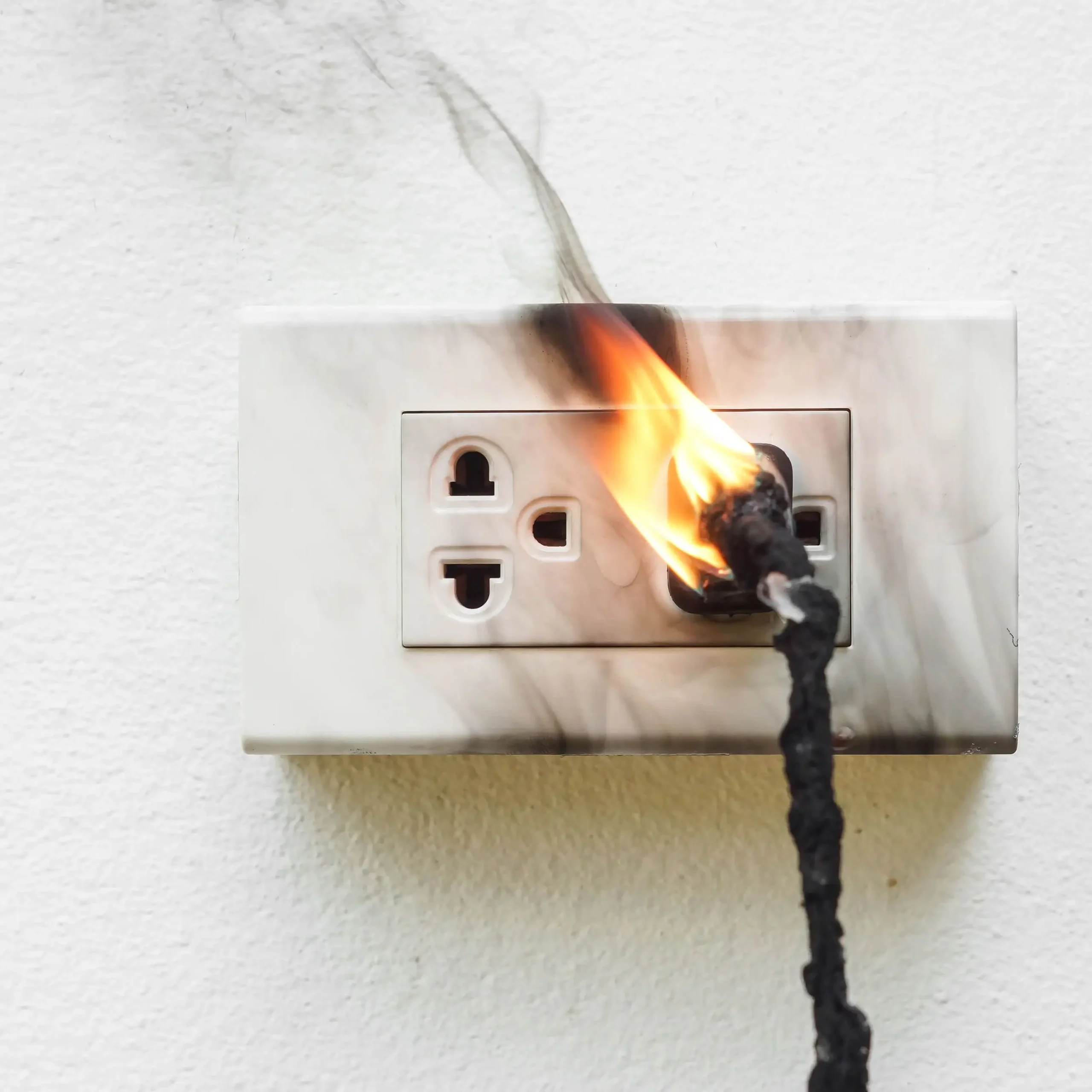
From faulty outlets to battery fires, we fight for victims of preventable electrical blazes.
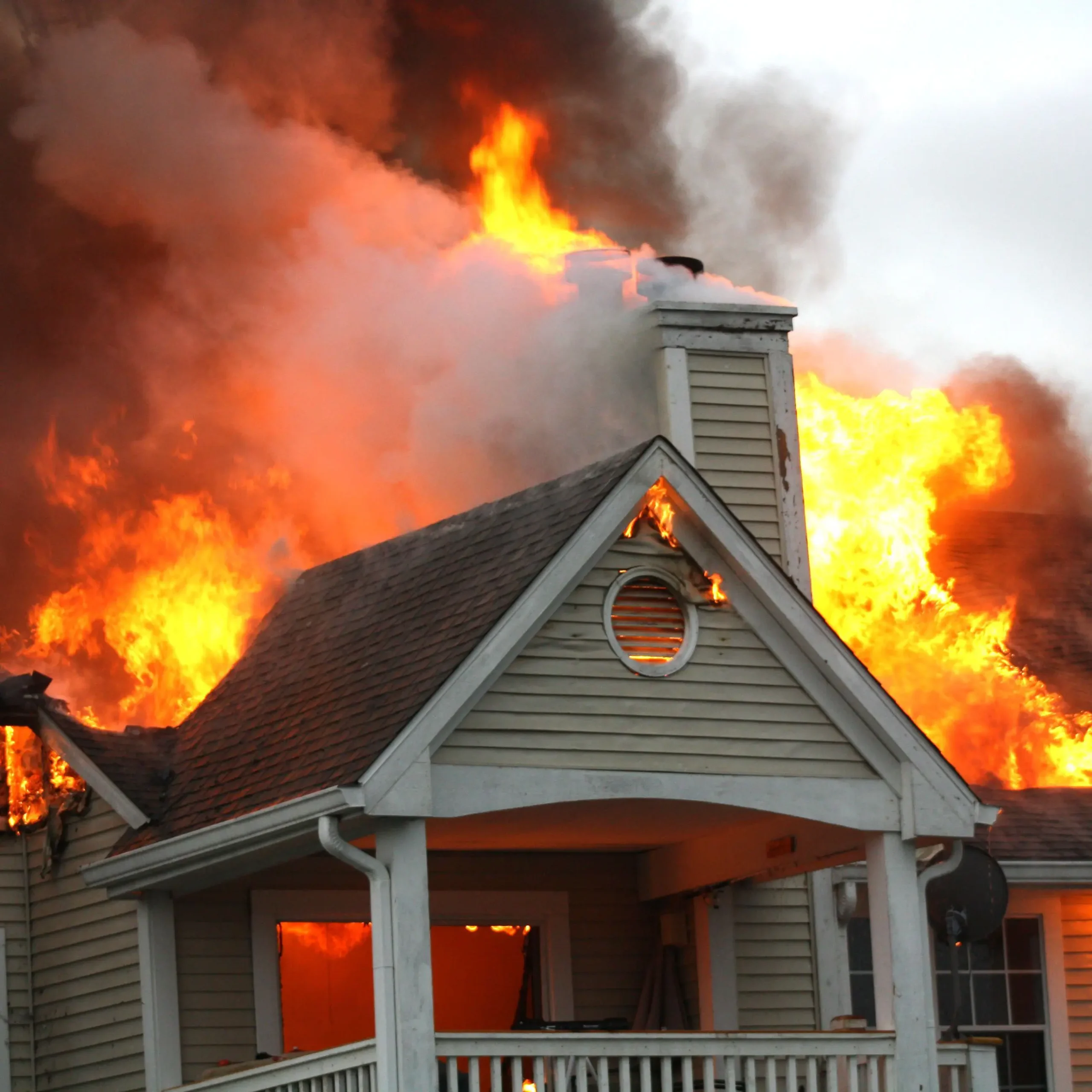
Electrical and appliance fires often start quietly: a breaker that keeps tripping, a “warm” outlet, flickering lights, a burning smell near an appliance, a phone charger that runs hot. Then, in minutes, a room is engulfed and families are dealing with catastrophic burns, smoke inhalation, or wrongful death.
These fires are frequently preventable. They can be traced to dangerous electrical conditions, ignored maintenance, code violations, defective products, or lithium-ion batteries that go into thermal runaway. McEldrew Purtell represents individuals and families harmed by electrical and appliance fires with a focus on catastrophic injury and wrongful death.

How Much Is Your Case Worth?
How electrical and appliance fires start
Many of these cases involve one or more of the following:
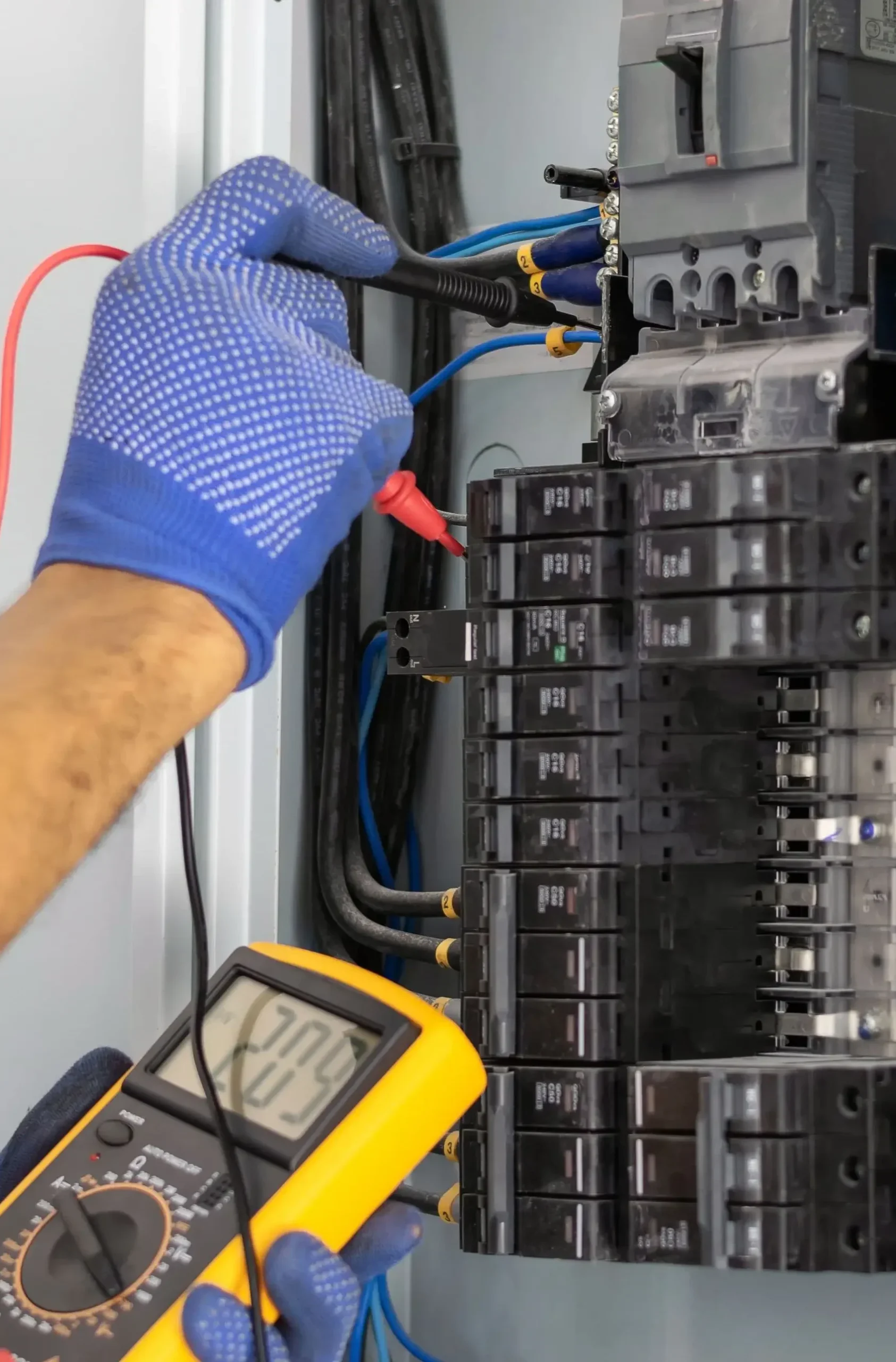
- Faulty wiring and unsafe electrical systems – Overloaded circuits, loose connections, damaged insulation, aluminum wiring problems, outdated panels, improper grounding, or unpermitted electrical work.
- Outlet, switch, and breaker failures – Arcing faults behind walls, overheating receptacles, worn outlets, miswired switches, or breakers that fail to trip when they should.
- Extension cords and power strips – Overloaded strips, daisy-chained cords, cords pinched under rugs or furniture, counterfeit components, and products not rated for the load being used.
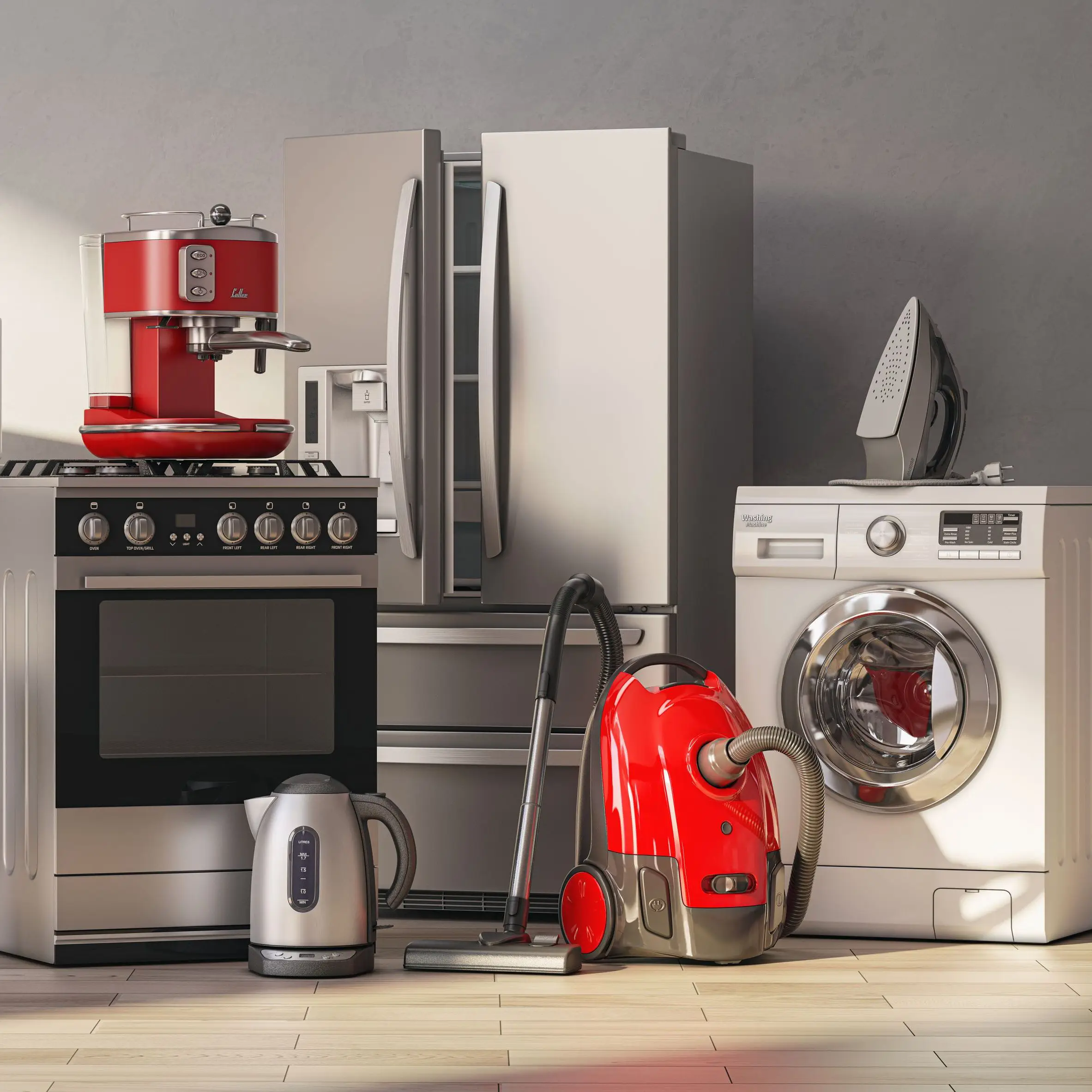
- Appliances that overheat or malfunction – Dryers clogged with lint, refrigerators with compressor issues, stoves/ovens with faulty controls, dishwashers with wiring defects, HVAC units, space heaters, and window AC units.
- Lithium-ion battery fires – E-bikes, scooters, power tools, laptops, phones, and battery packs that ignite while charging or after damage often producing intense heat and toxic smoke.
- Defective smoke alarms or missing safety features – Fires worsen when smoke alarms don’t sound, are missing, or were installed incorrectly reducing escape time when seconds matter.
Our focus isn’t just what sparked the fire, but why it spread and whether safer design, maintenance, or warnings would have prevented the catastrophe.
Electrical & appliance fire cases we handle
We regularly see serious injuries arising from:
- Residential electrical fires in houses, apartments, and rowhomes tied to defective wiring, panels, outlets, or negligent repairs
- Landlord/tenant fire cases where tenants reported electrical problems but hazards were ignored or “patched”
- Appliance defect fires involving stoves, dryers, refrigerators, dishwashers, HVAC equipment, space heaters, and small kitchen appliances
- Battery and charging fires involving e-mobility devices and consumer electronics, often occurring overnight while charging
- Multi-unit building fires where a single unit fire spreads due to unsafe electrical conditions, disabled alarms, or code issues
Who may be responsible
Electrical and appliance fire cases often involve more than one liable party, including:
- Property owners, landlords, and property managers – For failing to maintain safe electrical systems, ignoring complaints, using unlicensed contractors, or violating building and fire codes.
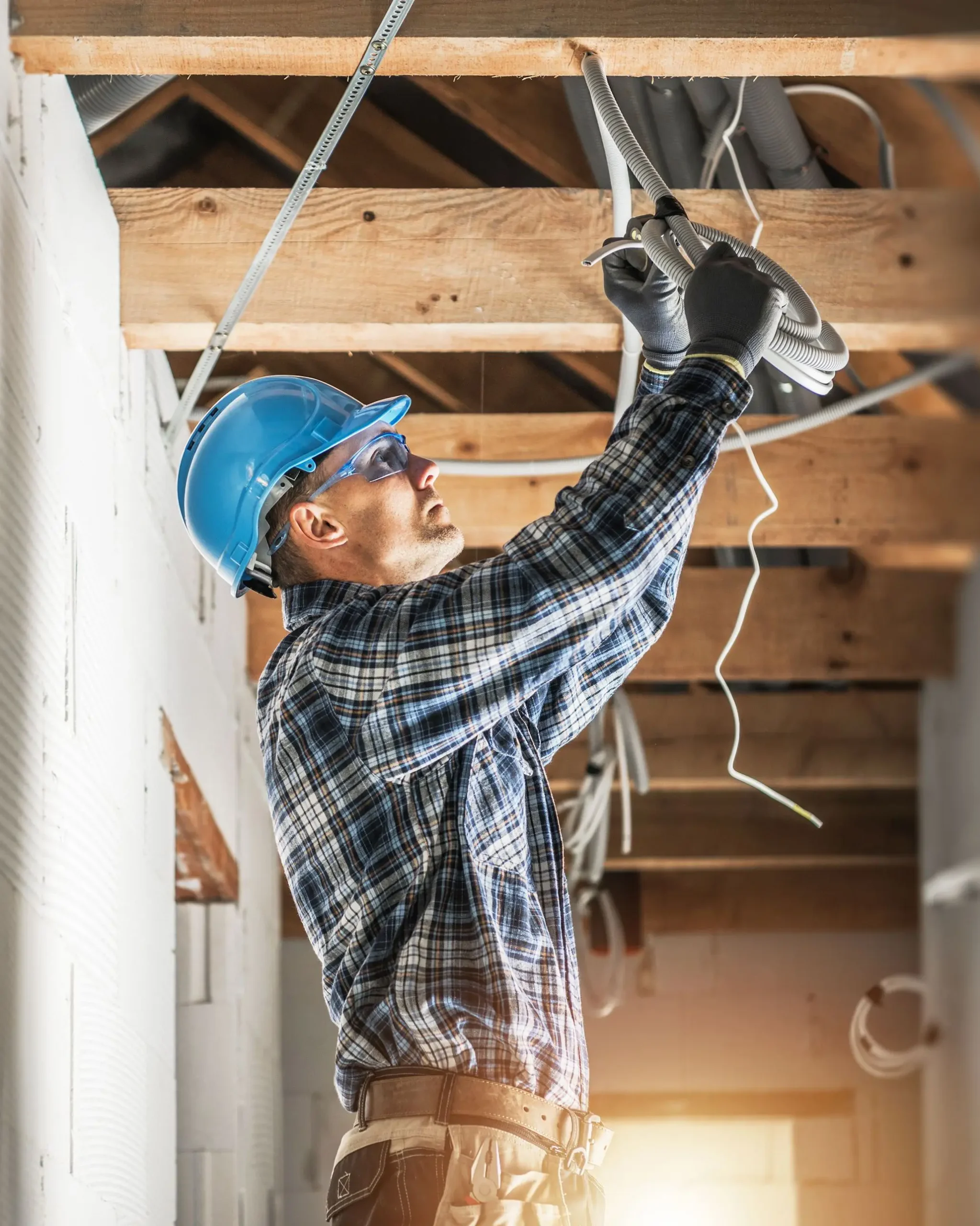
- Electricians, contractors, and builders – For improper installation, unpermitted renovations, code violations, and defective workmanship that creates hidden ignition hazards.
- Manufacturers and sellers – For defective appliances, chargers, batteries, power strips, extension cords, outlets, or electrical components including failures in design, manufacturing, or warnings.
- Maintenance companies and service technicians – For negligent repairs, failure to identify dangerous conditions, or leaving equipment in an unsafe state.
Part of our job is mapping responsibility early so survivors and families aren’t forced to accept a “one-policy” outcome that doesn’t reflect catastrophic harm.
The injuries are often severe
Electrical and appliance fires frequently involve:
- Serious burns requiring grafts, reconstructive surgery, and long-term scar management
- Smoke inhalation injuries and long-term respiratory complications
- Toxic exposure from burning plastics, wiring insulation, and battery chemicals
- Traumatic brain injury or cardiac complications in some electrical events
- Wrongful death and profound family loss
We build cases around the real-world impact: medical needs, time away from work, lifelong limitations, and the emotional trauma that follows.

What to do after an electrical or appliance fire
If you’re able, these steps can help protect both your health and your rights:
- Talk with counsel early (fire scenes and products can be altered, repaired, or discarded quickly).
- Get full medical evaluation (smoke exposure and burns can worsen after discharge).
- Preserve the product and components (appliance, charger, battery, cord, outlet, breaker panel). Don’t throw anything away if it can be safely retained.
- Save documentation (receipts, manuals, prior maintenance requests, landlord communications, photos/videos, fire department paperwork).
- Be cautious with insurance and manufacturer calls (recorded statements and quick “replacement offers” can limit your options).
Learn More

Logan Township, New Jersey Building Explosion Prompts Shelter in Place: Updated Injury Reports, Propane Storage Details, and What Injured Workers Can Do
A building explosion at a large commercial facility in Logan Township, New Jersey led to a shelter-in-place advisory on Wednesday, March 4, 2026. Officials later lifted the shelter-in-place shortly before 5:00 p.m. after air monitoring reported no hazards detected. What…
Tabletop Fire Pits Are Causing Devastating Burn Injuries. Here’s What Families Need to Know.
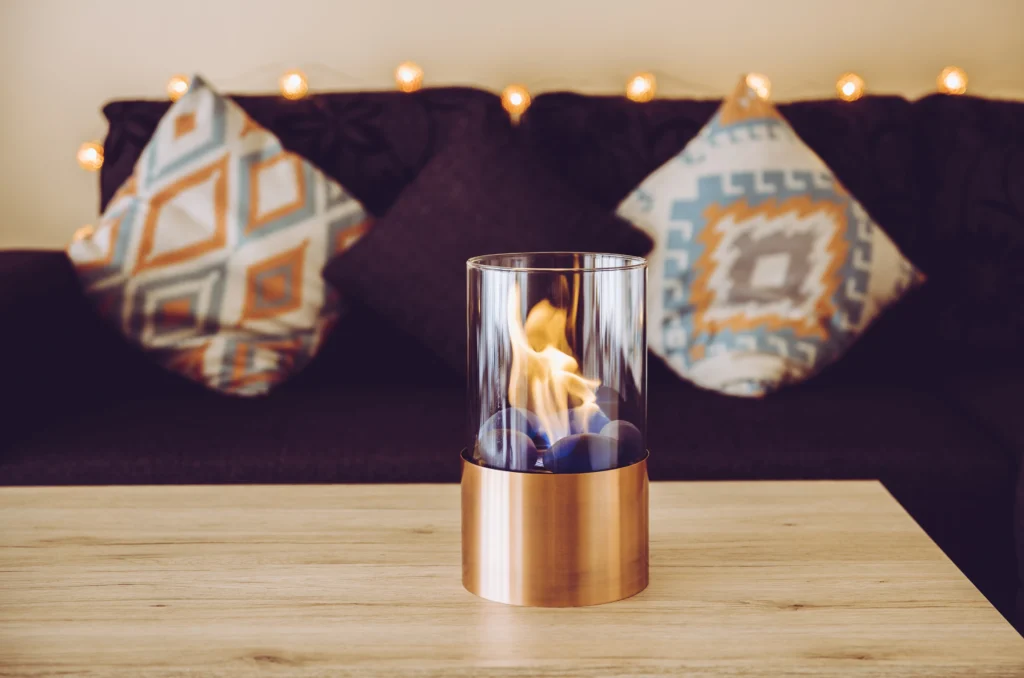
Decorative tabletop fire pits and “smokeless” mini fireplaces are being sold everywhere right now – big-box stores, discount chains, home décor shops, and online marketplaces. They’re marketed as cozy, stylish ways to create ambiance for family gatherings, s’mores nights, or…

Explosion Reported at Bucks County Nursing Home: What Families Need to Know and Do Now
On Tuesday, December 23, 2025, an explosion and fire were reported at Silver Lake Nursing Home / Silver Lake Healthcare Center on Tower Road in Bristol Township, Bucks County. Early reports indicated people may have been trapped, a large emergency…

E-Scooter Catastrophic Injuries, Battery Fires, and Lawsuits: What Riders and Families Need to Know
Electric scooters (e-scooters) are now a familiar sight in Philadelphia and across the U.S. But with popularity has come a surge in serious injuries and, increasingly, devastating lithium-ion battery fires. If you or a loved one suffered catastrophic injuries or…
Lithium-Ion Battery Fires: What Victims Need to Know About Lawsuits
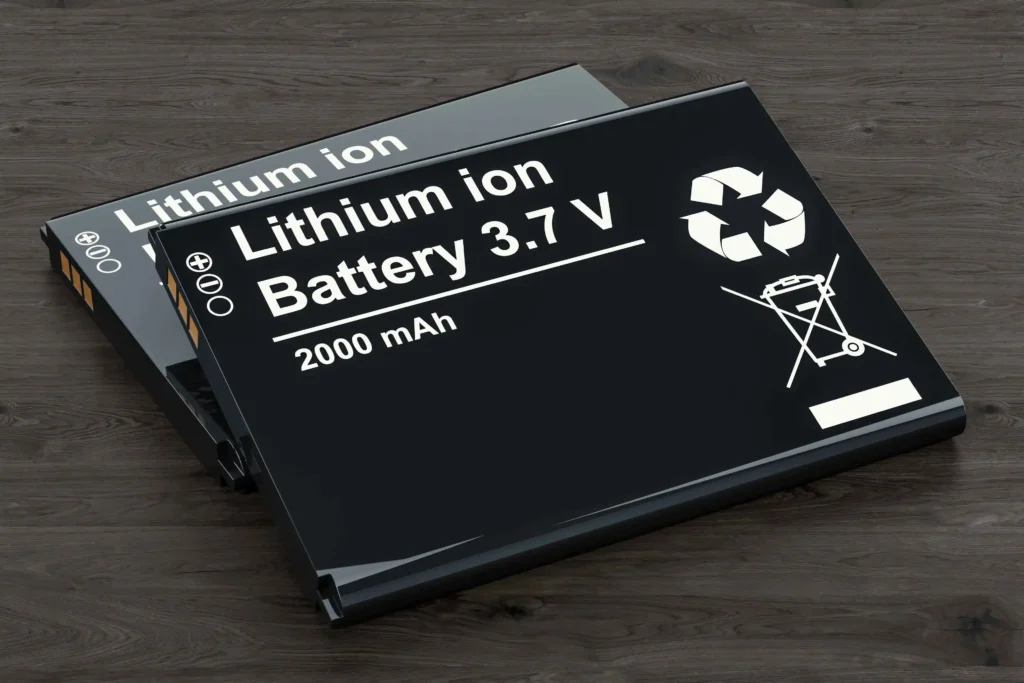
Lithium-ion batteries power our e-bikes, scooters, tools, phones, and power banks. When they fail, fires can erupt suddenly, spread fast, and be incredibly hard to extinguish. If you or a loved one suffered burns, smoke inhalation, or a fatality from…
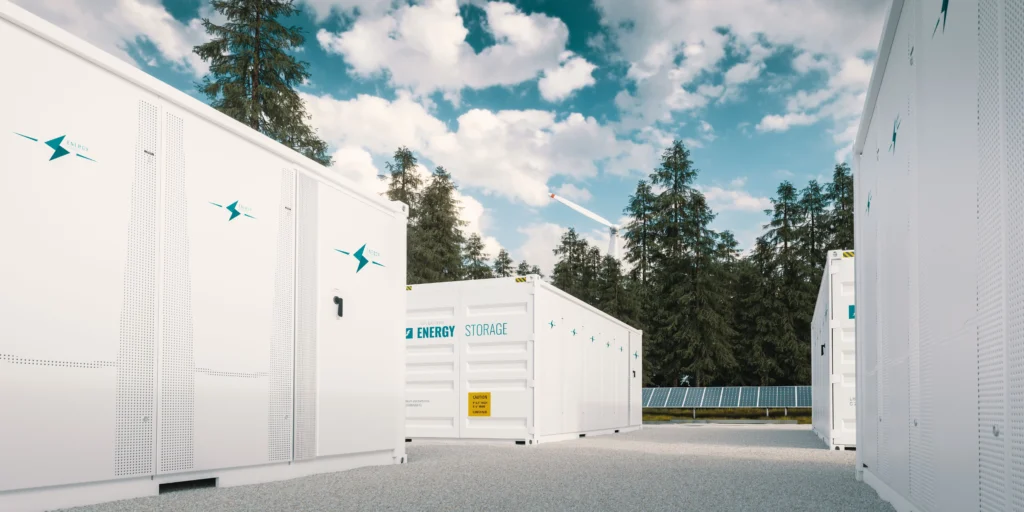
Lithium-Ion Battery Storage & Transport: Warehouse Fire/Explosion Litigation
Lithium-ion batteries power modern commerce but when storage or transport goes wrong, the fires are fast, toxic, and devastating. For injured workers, first responders, and nearby businesses, a single incident can upend lives. This guide explains how these losses happen,…