

Explosions leave wreckage. We build proof and take on the companies behind it.
A refinery or chemical plant is engineered to control the uncontrollable volatile chemicals, extreme temperatures, pressure, and flammable vapor. When an explosion happens, it’s not because no one saw it coming. It’s because layers of protection failed: a leak that wasn’t fixed, an alarm that was ignored, a procedure that became optional, a contractor job that went sideways, a restart that should’ve been delayed.
McEldrew Purtell represents workers, contractors, and families nationwide after catastrophic injury and wrongful death caused by chemical plant and refinery explosions. We approach these cases like an investigation because the truth is usually hidden in the data, the maintenance backlog, and the decisions made weeks before the blast.

How Much Is Your Case Worth?
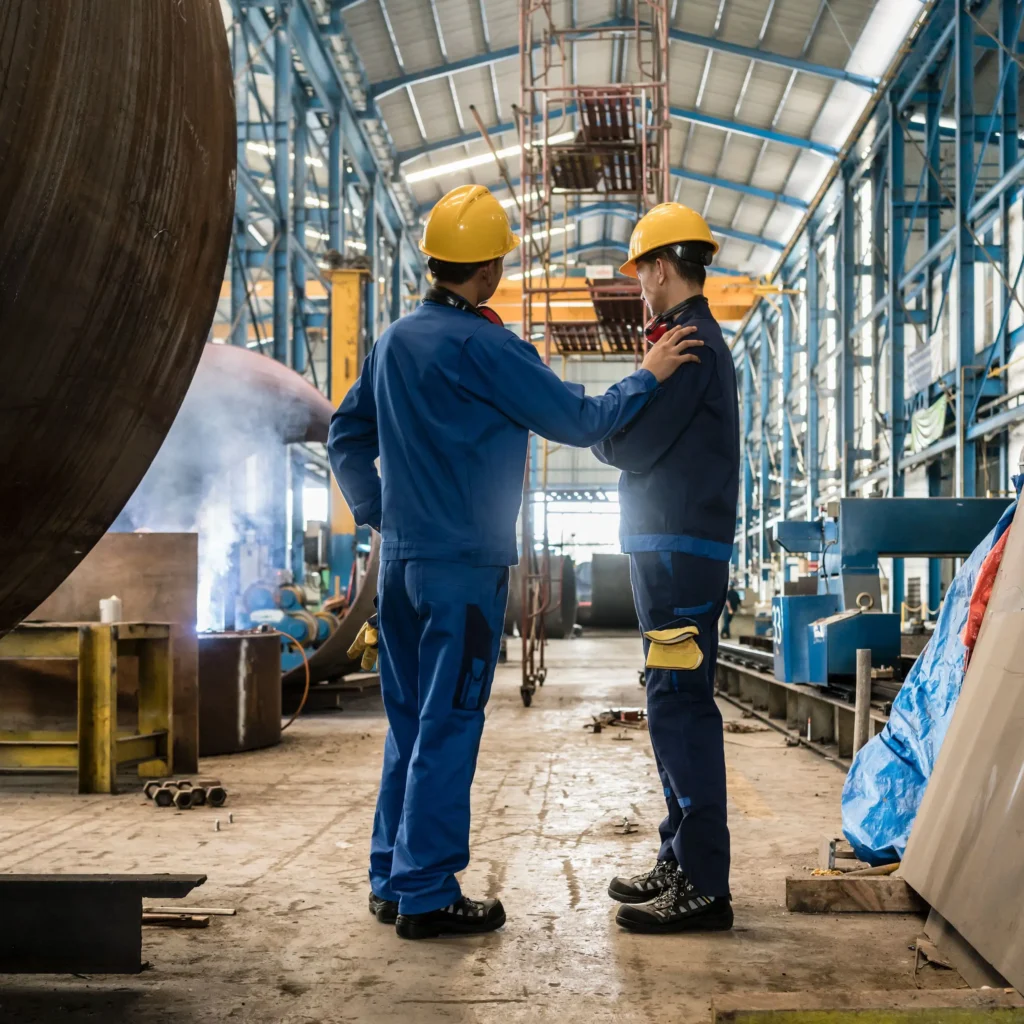
The Reality: “Root Cause” Is Rarely One Thing
In major industrial explosions, defendants often point to a single spark and stop there. We don’t.
We look at the full chain:
- What failed first (leak, corrosion, overpressure, control issue)
- Which safeguard should have stopped it (relief systems, alarms, shutdowns, gas detection, ventilation)
- Why it didn’t (disabled, bypassed, poorly maintained, under-designed, ignored)
- Who controlled the risk (operator, contractor, vendor, engineer, manufacturer)
That’s how accountability is proven.
Explosions and Events We Handle
We investigate catastrophic incidents involving:
- Vapor cloud explosions and flash fires
- Overpressure events (vessel rupture, piping failure, exchanger rupture)
- Fires and explosions during shutdowns/turnarounds
- Hot work ignitions (welding/cutting near vapors or residues)
- Hydrogen, hydrocarbons, and solvent explosions
- Boiler, steam, and fired heater explosions
- Tank farm explosions and loading/unloading incidents
- Release events involving toxic chemicals alongside burns/blast trauma
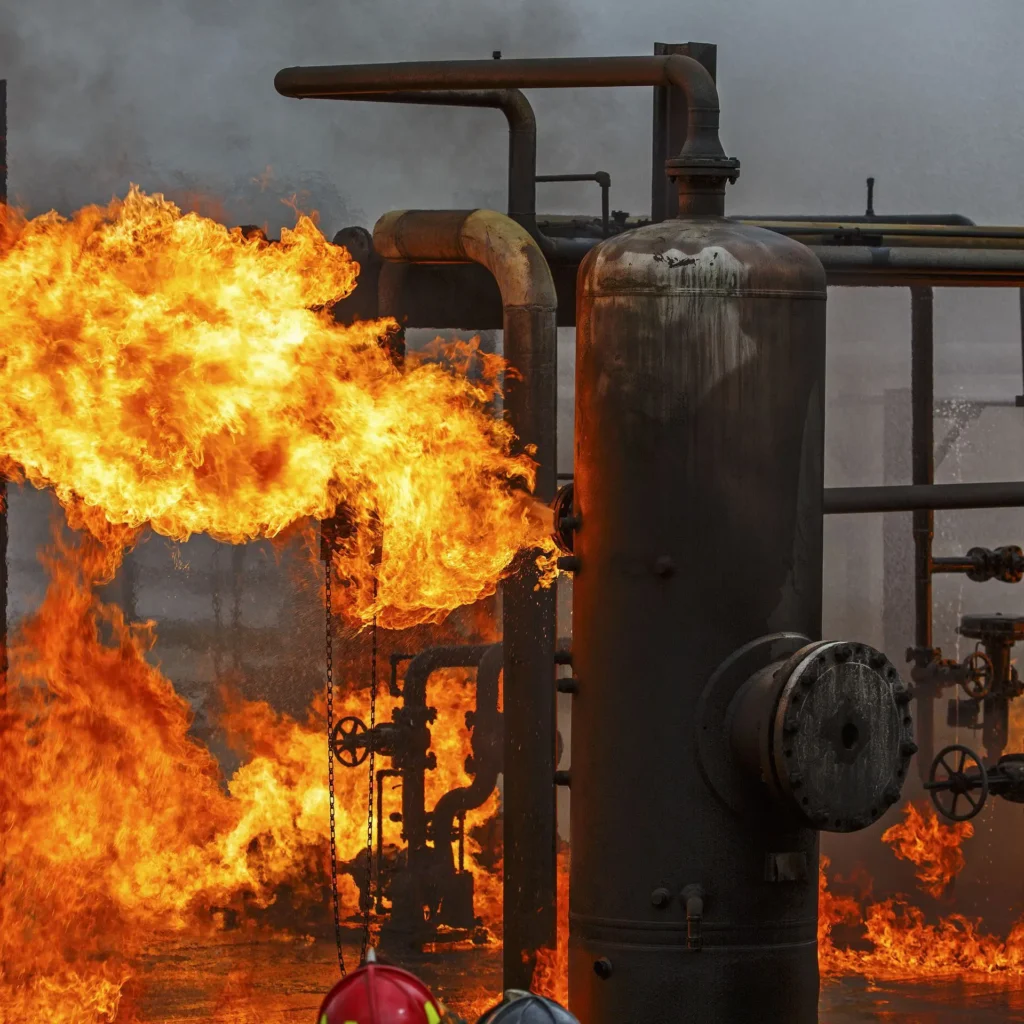
Common Failure Points in Plants and Refineries
Instead of listing every possible cause, here’s what we see most often when the paper trail comes out:
Leaks That Became “Normal”
- Corroded piping, thinning walls, degraded gaskets
- Temporary clamps and patched repairs
- Repeated small releases that never triggered real corrective action
Process Safety Shortcuts
- Incomplete or outdated hazard analysis
- Changes made without adequate management-of-change review
- Procedures that exist on paper but don’t match the way the unit is run
Alarms, Interlocks, and Shutdowns That Didn’t Protect Anyone
- Alarm fatigue and poor alarm management
- Safety instrumented systems bypassed to keep operations moving
- Faulty sensors and untested logic
- Delayed emergency shutdown decisions
Permit, Isolation, and Line-Break Failures
- Lockout/tagout breakdowns
- Confined space hazards and inadequate gas testing
- Residual hydrocarbons in “cleared” lines
- Misidentified piping and valve lineups during maintenance
Contractor and Turnaround Risk
- Multiple employers, unclear control, rushed schedules
- Inadequate job hazard analysis and supervision
- Startup/restart decisions made under production pressure
Emergency Response That Came Too Late or Wasn’t Equipped for the Hazard
- Gas detection that didn’t trigger timely evacuation or shutdown
- Delayed notification to on-site response teams or local fire services
- Firewater/suppression issues (low pressure, inoperable monitors, valve problems)
- Confusion over muster points, headcounts, or accountability for contractors
- Inadequate spill control/containment that allowed a small release to escalate
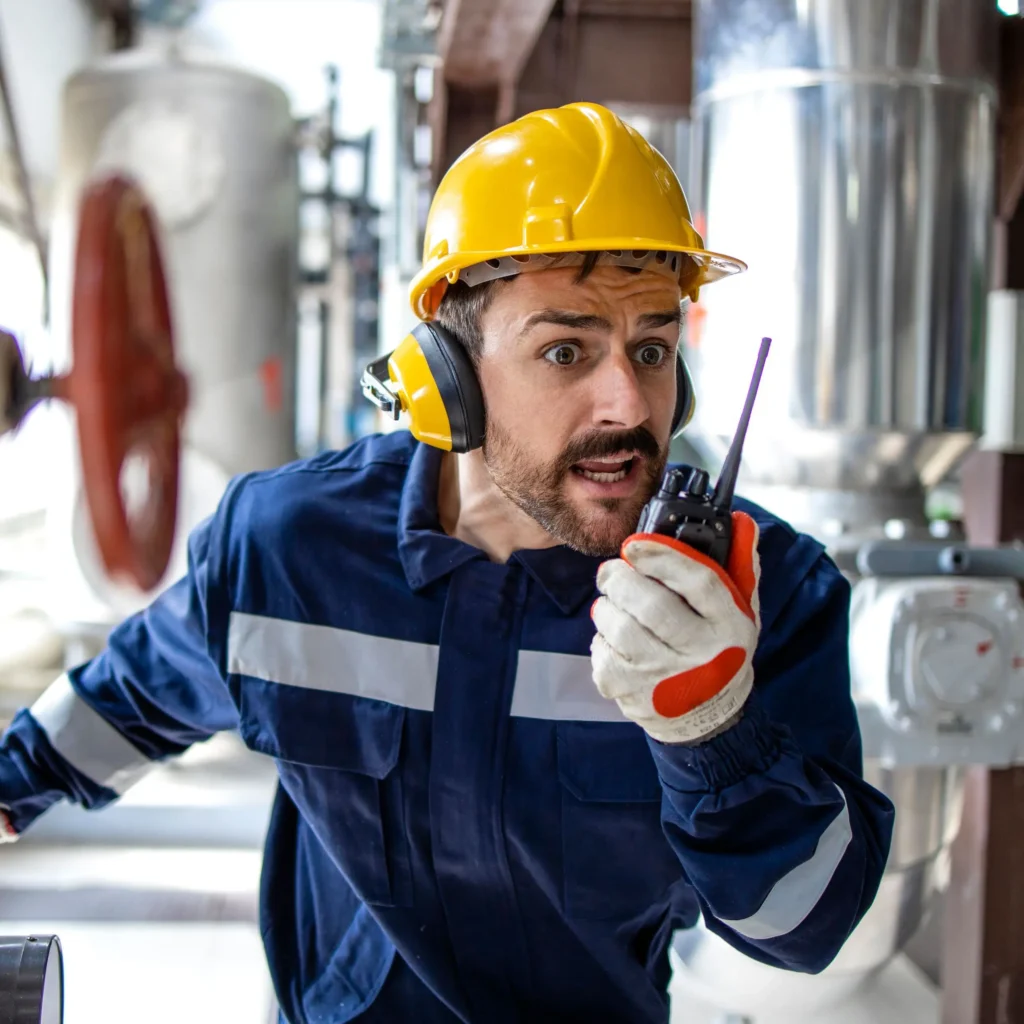
Who Can Be Held Responsible
Depending on the incident, liability may extend beyond the facility operator. We pursue claims against all responsible parties, which may include:
- Plant/refinery operators and parent companies
- EPC/engineering firms and consultants
- Maintenance contractors and turnaround crews
- Equipment manufacturers (valves, vessels, pumps, heaters, controls)
- Safety system vendors (detectors, alarms, shutdown systems)
- Transport and loading contractors (tank trucks, rail, marine transfer)
We focus on who designed, maintained, controlled, or bypassed the safety layers.
The Evidence That Matters and Disappears Fast
After an explosion, the scene changes quickly. Units are rebuilt. Components are replaced. Digital systems overwrite data. Internal “investigations” start immediately.
We act early to preserve:
- DCS/SCADA and historian data (alarms, trends, overrides, trips)
- Safety system records (SIS testing, bypass logs, proof tests)
- Inspection and integrity records (corrosion surveys, thickness readings)
- Work orders, backlog lists, and deferred maintenance documentation
- Management-of-change files and hazard analyses
- Turnaround schedules, permits, JHAs, and contractor scopes
- Video footage, shift logs, operator narratives, and emergency response timing
- Physical components for metallurgical and failure analysis
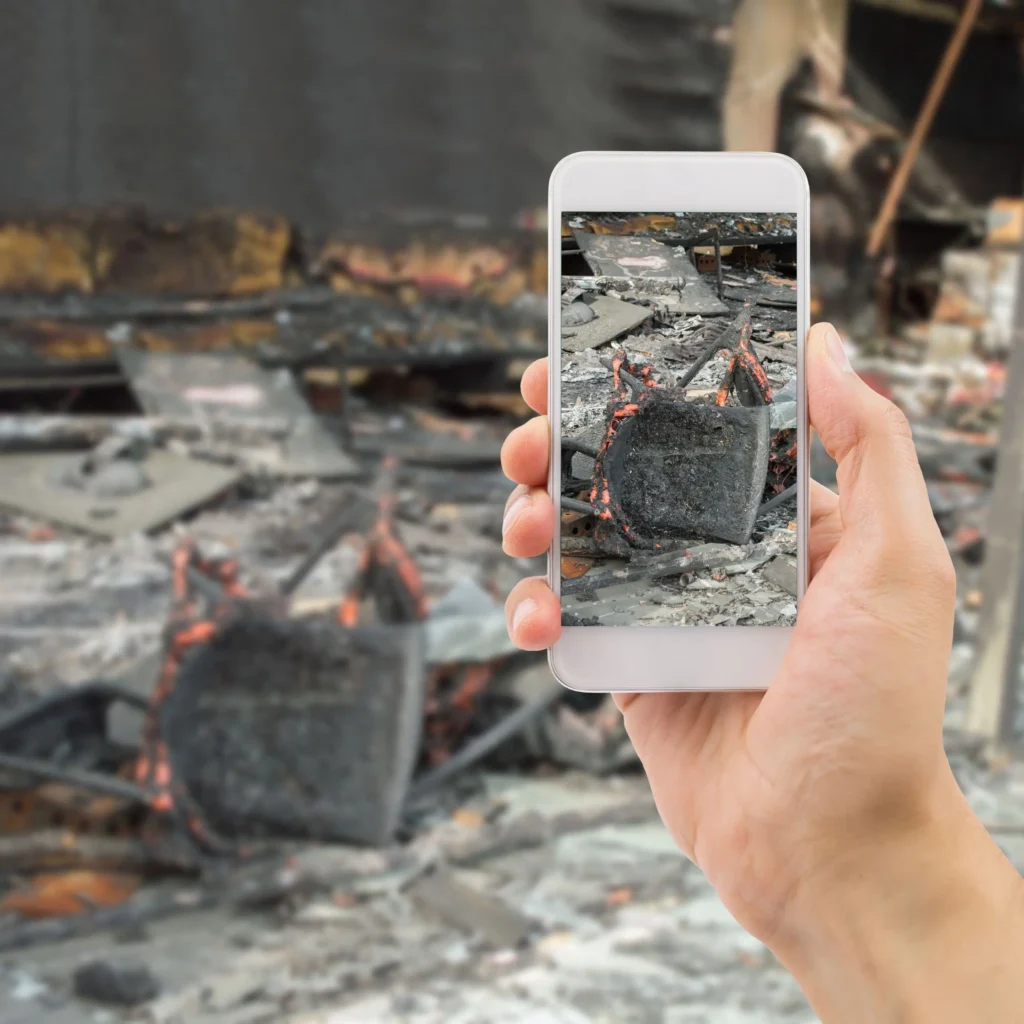

Catastrophic Injuries in Chemical and Refinery Explosions
These cases commonly involve:
- Severe burns, grafting, and permanent disfigurement
- Blast injuries and amputations
- Traumatic brain injury from impact or oxygen deprivation
- Lung injury from smoke, heat, and toxic exposure
- Complex orthopedic trauma and spinal injury
- Wrongful death
We build damages with life-care planning and the right experts to document what the injury truly costs over a lifetime not just what it cost in the first hospital stay.
For Families After a Fatal Plant Explosion
If you lost someone in a refinery or chemical plant explosion, you deserve clear answers. We help families:
- Understand what happened and why
- Identify responsible third parties beyond the direct employer
- Preserve evidence before it’s “cleaned up”
- Pursue wrongful death claims and full accountability

Learn More

Logan Township, New Jersey Building Explosion Prompts Shelter in Place: Updated Injury Reports, Propane Storage Details, and What Injured Workers Can Do
A building explosion at a large commercial facility in Logan Township, New Jersey led to a shelter-in-place advisory on Wednesday, March 4, 2026. Officials later lifted the shelter-in-place shortly before 5:00 p.m. after air monitoring reported no hazards detected. What…

Tabletop Fire Pits Are Causing Devastating Burn Injuries. Here’s What Families Need to Know.
Decorative tabletop fire pits and “smokeless” mini fireplaces are being sold everywhere right now – big-box stores, discount chains, home décor shops, and online marketplaces. They’re marketed as cozy, stylish ways to create ambiance for family gatherings, s’mores nights, or…

Explosion Reported at Bucks County Nursing Home: What Families Need to Know and Do Now
On Tuesday, December 23, 2025, an explosion and fire were reported at Silver Lake Nursing Home / Silver Lake Healthcare Center on Tower Road in Bristol Township, Bucks County. Early reports indicated people may have been trapped, a large emergency…

E-Scooter Catastrophic Injuries, Battery Fires, and Lawsuits: What Riders and Families Need to Know
Electric scooters (e-scooters) are now a familiar sight in Philadelphia and across the U.S. But with popularity has come a surge in serious injuries and, increasingly, devastating lithium-ion battery fires. If you or a loved one suffered catastrophic injuries or…
Lithium-Ion Battery Fires: What Victims Need to Know About Lawsuits
Lithium-ion batteries power our e-bikes, scooters, tools, phones, and power banks. When they fail, fires can erupt suddenly, spread fast, and be incredibly hard to extinguish. If you or a loved one suffered burns, smoke inhalation, or a fatality from…
Lithium-Ion Battery Storage & Transport: Warehouse Fire/Explosion Litigation
Lithium-ion batteries power modern commerce but when storage or transport goes wrong, the fires are fast, toxic, and devastating. For injured workers, first responders, and nearby businesses, a single incident can upend lives. This guide explains how these losses happen,…