Welding Fumes & Hexavalent Chromium: What trades should know about chronic lung and cancer risk
Welding fumes are not just an irritant. Depending on the process and materials, welding can generate a complex mixture of airborne metals and gases that may contribute to long-term lung disease and elevated cancer risk. One of the biggest red flags is hexavalent chromium, also called chromium(VI) or Cr(VI), which can be produced during hot work on certain metals. OSHA regulates Cr(VI) exposure, and IARC has classified welding fumes as carcinogenic to humans.
Below is what working trades should know, what jobs are most exposed, and what to do if you are dealing with a chronic respiratory diagnosis after years on the job.
What is hexavalent chromium and why does it show up in welding
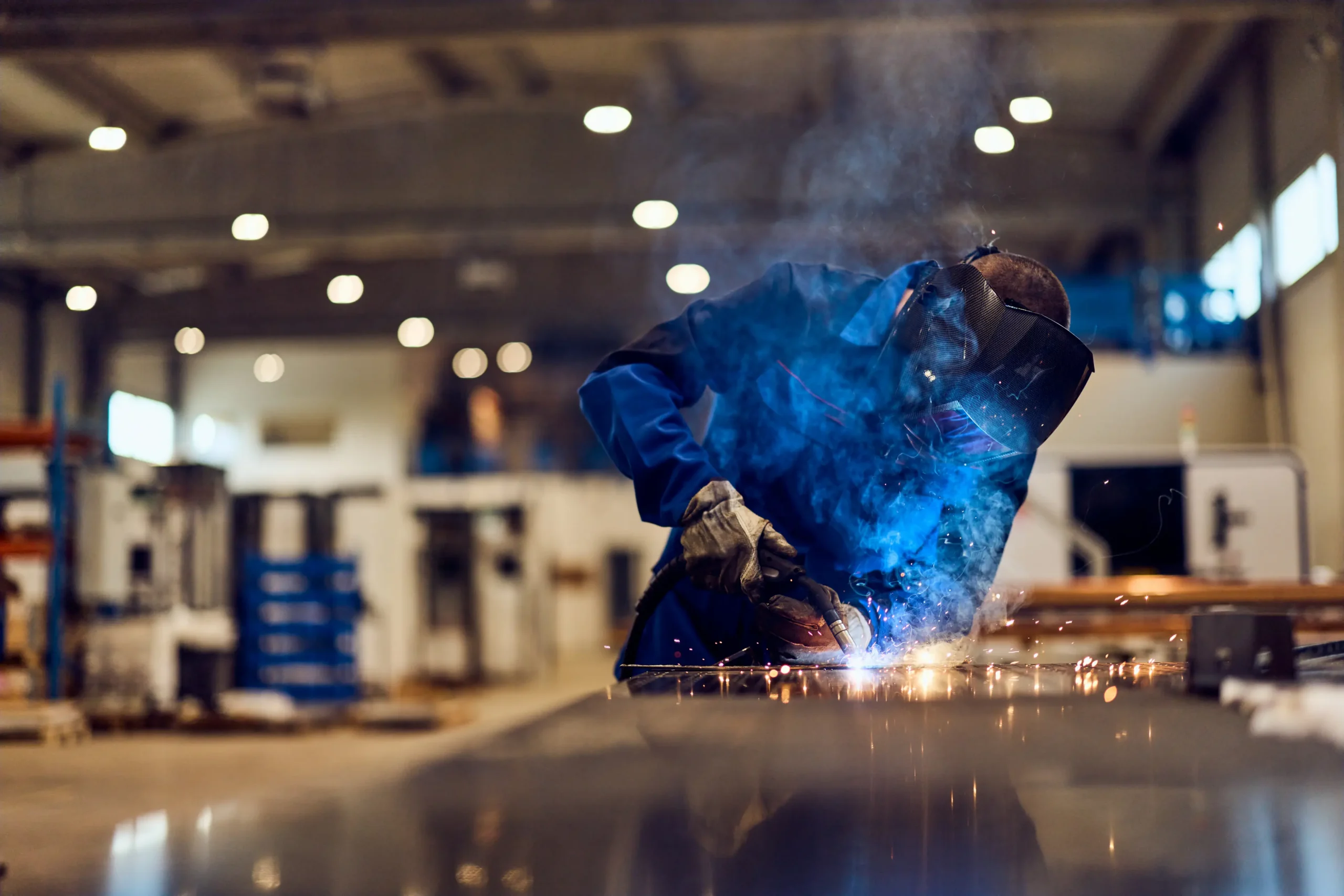
Chromium(VI) is a toxic form of chromium that can be created when chromium-containing materials are heated at high temperatures during welding, cutting, grinding, or gouging. Stainless steel is a common example because it contains chromium. When you heat or disturb these metals, the fume generated can include Cr(VI), and that can be inhaled into the lungs. OSHA addresses Cr(VI) exposure in its hexavalent chromium standards for general industry, construction, and maritime work.
Trades and job sites most likely to be exposed
Cr(VI) exposure is not limited to one industry. It often depends on the base metal, filler, surface coatings, and ventilation. Trades that frequently run higher risk include:
- Stainless steel welders and fabricators (shops and field work)
- Pipefitters and boilermakers working on stainless systems
- Shipyard workers and maritime repair crews (confined spaces can worsen exposures)
- Ironworkers and structural welders when stainless components are involved
- Millwrights and maintenance mechanics doing repair welding in plants
- Aerospace and manufacturing welders working on high-alloy materials
- Construction trades performing hot work on coated or treated metals
Even if your primary work is not “stainless,” certain tasks, specialty parts, or repairs can introduce chromium-bearing metals.
The long-term health concerns: lungs and cancer risk
Welding fume exposure can cause both acute and chronic health problems. NIOSH notes that welding fumes can affect the respiratory system and identifies lung cancer as a concern in the hazard profile for welding fumes.
On the cancer side, the International Agency for Research on Cancer evaluated welding exposures and classified welding fumes as carcinogenic to humans (Group 1).
Chronic outcomes tied to long-term fume exposure can include:
- Chronic bronchitis symptoms and persistent cough
- Reduced lung function and shortness of breath with exertion
- Occupational asthma or reactive airway disease in some cases
- Interstitial lung disease patterns in certain exposure histories
- Increased lung cancer risk in the scientific literature for welding fume exposure
Cr(VI) adds another layer because it is specifically regulated due to its toxicity, and the limits are low.
OSHA limits you should know
OSHA’s chromium(VI) standard sets an 8-hour time-weighted average permissible exposure limit (PEL) of 5 micrograms per cubic meter of air (5 µg/m³). The standard also uses an action level of 2.5 µg/m³ that triggers additional requirements such as monitoring and medical surveillance in applicable situations.
These numbers matter because:
- Cr(VI) can exceed limits during certain stainless welding processes, especially without effective local exhaust ventilation.
- Short-duration tasks can still drive an 8-hour average up depending on how the workday is structured.
- Confined spaces, poor airflow, and high production welding increase risk.
Common exposure situations that get overlooked
Some of the most common real-world scenarios where workers report heavy fume conditions include:
- Confined space welding in tanks, hulls, vaults, or mechanical rooms
- Hot work near your breathing zone with your head over the plume
- Inadequate or poorly positioned local exhaust ventilation
- High-amperage processes or extended bead time on stainless
- Grinding or finishing stainless welds without dust control
- Welding on coated, painted, or treated surfaces that add additional toxicants
If your shop or site relies on “general airflow” instead of capturing fumes at the source, that can be a major gap.
Practical ways trades can reduce risk
Workers are not always given the controls they need, but these are the fundamentals that reduce fume exposure in the real world:
Engineering controls
- Local exhaust ventilation at the arc, positioned correctly
- Fume extraction guns or movable capture hoods
- Confined-space ventilation plans that actually exchange air effectively
Work practices
- Keep your head out of the plume and reposition the work when possible
- Rotate tasks when high-fume work cannot be eliminated
- Do not weld on coatings unless proper removal and controls are in place
Respiratory protection
- Properly selected respirators based on measured exposures
- Fit testing, training, and maintenance
- Upgraded protection for higher-exposure tasks
NIOSH’s guidance on welding fumes emphasizes that protection depends on concentration and conditions, and respiratory recommendations can escalate when exposures are significant.
Warning signs that deserve medical follow-up
If you are a welder, fitter, or shipyard worker and you notice changes that do not resolve, it is worth taking seriously. Examples include:
- A cough that lasts months
- Wheezing, chest tightness, or shortness of breath that is new or worsening
- Frequent bronchitis or “walking pneumonia”
- Reduced exercise tolerance compared to prior years
- Abnormal chest imaging or lung function tests
Document your symptoms and your work history. Occupational exposures are often under-identified in routine care unless the patient raises the issue.
When long-term illness raises legal questions
In many job settings, exposures are preventable with basic industrial hygiene steps: monitoring, ventilation, and effective respiratory protection. When those safeguards were missing, delayed, or ignored and a worker develops a serious respiratory diagnosis or cancer, there may be questions about:
- Whether exposure assessments were performed when required
- Whether ventilation and PPE were adequate for stainless welding and confined-space work
- Whether hazards were communicated and training was provided
- Whether medical surveillance obligations were followed under applicable standards
Every situation is fact-specific, and medical causation requires careful review. But workers should not assume that a chronic diagnosis is simply “part of the trade.”
If you or a loved one has developed chronic lung disease or cancer after years of welding, shipyard work, fabrication, or industrial maintenance, McEldrew Purtell can help you understand your options. Contact our team for a confidential review of your work history, exposure conditions, and potential claims.