
Weight-Loss Drug Vision Loss Lawsuits (Ozempic®, Wegovy®, Mounjaro®, Zepbound®): What Patients Need to Know
GLP-1 medications like Ozempic® and Wegovy® (semaglutide) and Mounjaro® and Zepbound® (tirzepatide) have transformed the treatment of diabetes and obesity. For many patients, these drugs are life-changing.
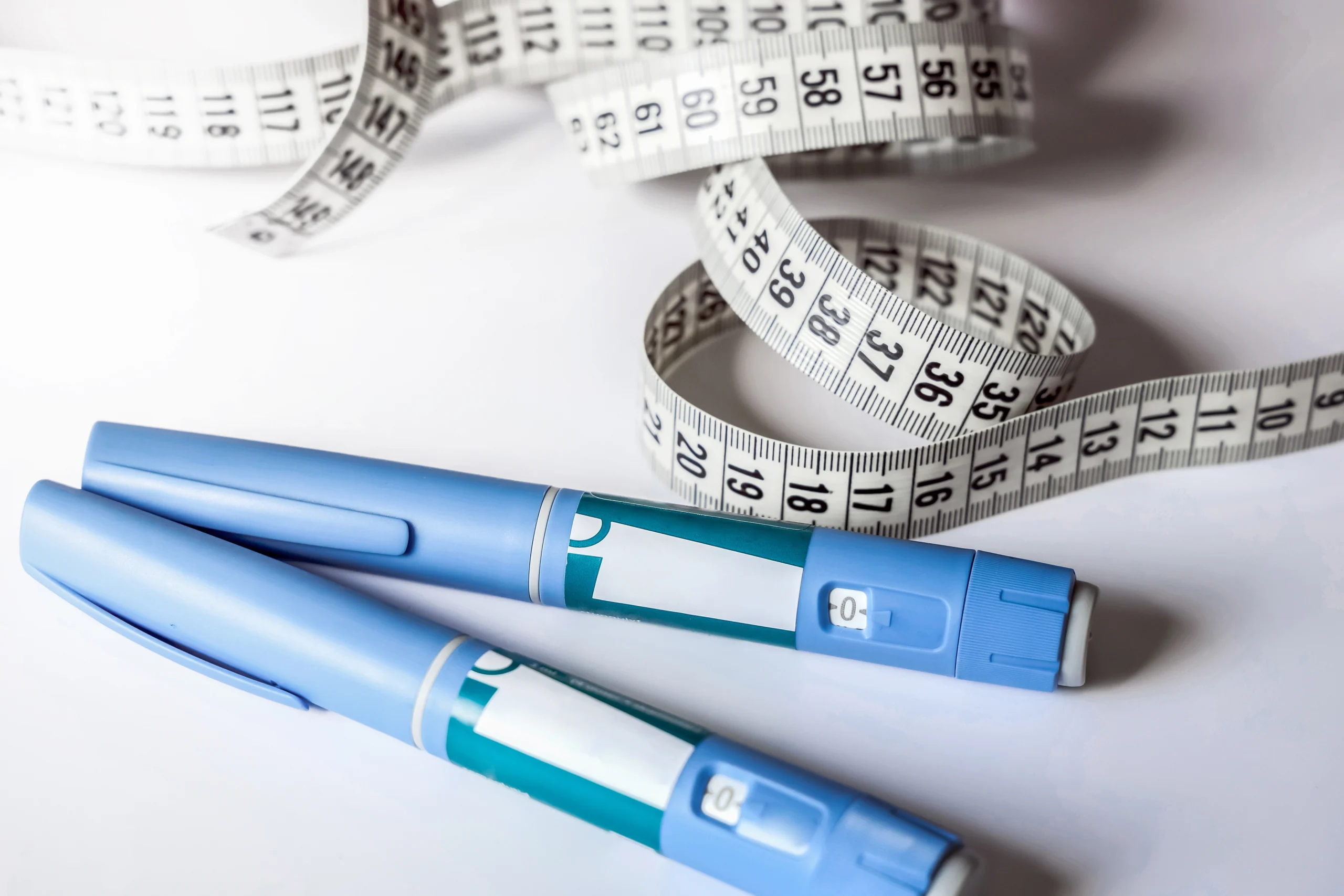
At the same time, a growing number of patients have reported sudden, sometimes permanent vision loss after taking these medications. Recent safety reviews in Europe and worldwide now recognize a rare but serious eye condition (non-arteritic anterior ischemic optic neuropathy (NAION)) as a potential risk with semaglutide medicines.
If you or a loved one experienced vision changes or vision loss while taking a GLP-1 drug, you may be dealing with both a medical emergency and a potential legal claim. This page is designed to help you understand what NAION is, what regulators and researchers are saying, and how our firm can help you explore your legal options.
What Is NAION and How Is It Linked to GLP-1 Drugs?
Non-arteritic anterior ischemic optic neuropathy (NAION) is a condition where blood flow to the optic nerve is suddenly reduced, damaging the nerve and causing rapid vision loss. It typically presents as:
- Sudden, usually painless loss of vision in one eye
- A dark or gray “shadow” in part of the visual field
- Reduced visual clarity or contrast
- Visual changes that develop over hours to days, not months
NAION is already a leading cause of sudden vision loss in adults over 50. It is often permanent; there is currently no reliably effective treatment to restore lost vision. Ajo+1
Over the past few years, researchers and regulators have raised concerns about a potential link between NAION and GLP-1 medications, particularly semaglutide (Ozempic®, Wegovy®, Rybelsus®). Several observational studies have suggested that patients prescribed semaglutide may have a higher risk of NAION compared to similar patients on other diabetes or weight-loss medications, though not all studies agree.
What Do Safety Agencies and Recent Studies Say?
Multiple safety and research bodies have weighed in:
- World Health Organization (WHO): In June 2025, WHO issued a medical product alert highlighting NAION as a potential risk associated with semaglutide (Ozempic®, Rybelsus®, Wegovy®). WHO noted that the European Medicines Agency’s safety committee recommended updating product information to list NAION as a very rare side effect, potentially affecting up to 1 in 10,000 users.
- European Medicines Agency (EMA): EMA’s Pharmacovigilance Risk Assessment Committee reviewed clinical trial data, post-marketing reports, and published literature and concluded that NAION should be added as a very rare side effect of semaglutide medicines.
- Clinical studies:
- A 2024 cohort study in JAMA Ophthalmology reported a higher observed rate of NAION in patients prescribed semaglutide compared with those on non-GLP-1 therapies, suggesting an increased risk but not proving causation.
- Subsequent analyses and commentaries, including in ophthalmology journals and professional publications, have produced mixed results, with some studies seeing no significant increase in risk.
The bottom line for patients:
- Regulators now recognize NAION as a very rare but serious potential risk of semaglutide.
- The overall safety profile of GLP-1 drugs is still under active study, especially regarding vision loss and other long-term effects.
- If you experience sudden visual changes on a GLP-1 drug, it should be treated as urgent.
Signs and Symptoms to Watch For While on GLP-1 Medications
If you are taking Ozempic®, Wegovy®, Rybelsus®, Mounjaro®, Zepbound®, or similar GLP-1 drugs, be alert for:
- Sudden blurry or dim vision in one eye
- A dark, gray, or “curtain-like” area in your vision
- Loss of part of your visual field (for example, missing a section of what you see off to one side)
- Difficulty seeing in low light or reduced contrast
- Vision changes that appear over hours or a couple of days, especially soon after starting the drug or after a dose increase
These symptoms can be caused by many different eye conditions, some unrelated to medications. However, because NAION can cause permanent vision loss, any sudden vision change should be taken seriously.
If you notice sudden vision changes:
- Seek emergency medical care immediately – ideally with an emergency department or urgent care that can arrange a same-day evaluation by an ophthalmologist or neuro-ophthalmologist.
- Tell providers about all medications, including GLP-1 drugs and any compounded or telehealth-prescribed versions.
- Do not stop or restart medications on your own. Regulators note that if NAION is confirmed, semaglutide is typically stopped, but that decision should be made by your treating physicians based on your individual medical situation.
Prompt evaluation can help confirm the diagnosis, rule out other serious conditions (such as stroke or giant-cell arteritis), and protect your remaining vision.
How Vision Loss Fits Into Ongoing GLP-1 Litigation
A federal multidistrict litigation, MDL No. 3094, is currently centralized in the U.S. District Court for the Eastern District of Pennsylvania. It involves personal injury claims related to GLP-1 receptor agonists, including Ozempic®, Wegovy®, Rybelsus®, Trulicity®, and Mounjaro®.
The core allegations in MDL 3094 focus on gastrointestinal injuries, such as gastroparesis (stomach paralysis), intestinal obstruction, and related complications, and whether drug makers failed to adequately warn about these risks.
However, as safety signals around NAION have emerged, a growing number of filings and investigations now involve vision loss claims, including:
- Sudden, severe vision changes or permanent vision loss while on a GLP-1 drug
- Diagnosed NAION or other optic nerve injuries temporally linked to starting or escalating the medication
- Allegations that manufacturers failed to timely investigate, disclose, and warn about the risk of NAION, even as case reports and safety data accumulated
Some vision-loss cases may proceed within or alongside the existing MDL, while others may be filed in state courts or as individual federal actions, depending on the facts and strategy.
Who May Qualify for a GLP-1 Vision Loss Lawsuit?
You may qualify to pursue a legal claim if:
- You used a GLP-1 medication, such as Ozempic®, Wegovy®, Rybelsus®, Mounjaro®, or Zepbound®, for diabetes or weight loss.
- You developed sudden vision changes or vision loss after starting the medication, including symptoms consistent with NAION (sudden, usually painless loss of vision in one eye, a dark spot or “curtain” in your field of vision, or permanent reduction in visual acuity).
- You received a diagnosis of NAION, optic neuropathy, or another serious optic nerve or visual pathway disorder, documented in your medical records.
- The timing makes sense medically, meaning the onset of visual symptoms followed the use or dose escalation of the GLP-1 drug.
- You suffered significant harm, such as permanent vision loss, loss of depth perception, inability to drive or work, or loss of independence.
Everyone’s situation is different. You may still have a viable claim even if you have other risk factors for NAION (for example, diabetes, hypertension, or sleep apnea). A careful review of your medical history, imaging, and medication records is critical.
What Evidence Helps Build a Vision Loss Case?
In GLP-1 vision-loss cases, strong documentation can make a significant difference. Helpful evidence may include:
- Medication records
- Prescription records and pharmacy printouts showing the specific GLP-1 drug, dosage, and dates of use
- Any compounded or telehealth-prescribed products, including labels, receipts, or online order confirmations
- Eye and hospital records
- Emergency department notes from the day you first reported vision changes
- Ophthalmology and neuro-ophthalmology records, including exam findings
- Imaging and diagnostic tests (OCT scans, visual field testing, MRI reports, etc.)
- Timeline documentation
- A clear chronology showing when you started the medication, when your symptoms began, and how they progressed
- Records of dose changes, interruptions, or switches between GLP-1 products
- Impact on your life
- Employer records showing time missed from work or job loss
- Statements from family or friends documenting how vision loss has changed your daily activities
- Evidence of assistive devices, home modifications, or support services you now need
Our firm works closely with medical experts to connect the medical facts to the legal claims in a way that meets the standards of federal courts and any applicable MDL orders.
What Compensation May Be Available?
Every case is unique, but potential damages in a GLP-1 vision loss case may include:
- Medical expenses – past and future costs of eye care, hospitalizations, specialist evaluations, and assistive devices
- Lost wages and loss of earning capacity – for time missed from work and long-term reductions in your ability to earn income
- Pain and suffering – for the physical and emotional impact of sudden, often permanent vision loss
- Loss of quality of life – including loss of independence, inability to drive, difficulty reading, and reduced participation in activities you once enjoyed
- Loss of consortium – in appropriate cases, for the impact on a spouse’s relationship
- Punitive damages – in limited circumstances, if permitted by state law and supported by evidence that manufacturers acted with egregious disregard for patient safety
An attorney can help you understand which categories of damages may apply in your case and how they are evaluated.
Deadlines: Why Acting Quickly Matters
Strict time limits called statutes of limitations and, in some states, statutes of repose apply to pharmaceutical injury and product liability claims. These deadlines vary widely by state and can depend on when:
- The injury occurred
- You first discovered (or reasonably should have discovered) the link between your vision loss and the drug
- The drug was prescribed or sold
Missing a filing deadline can permanently bar your claim, even if the evidence is strong. Because GLP-1 litigation is unfolding quickly and the science around NAION is still developing, it is especially important to get legal advice as soon as possible after vision loss is diagnosed.
How McEldrew Purtell Can Help
At McEldrew Purtell, we focus on catastrophic injuries, including vision loss and complex pharmaceutical cases, nationwide. Based in Philadelphia, where the GLP-1 MDL is centralized, we are closely following developments in MDL No. 3094 and related litigation involving GLP-1 drugs and serious side effects.
When you contact us about a possible GLP-1 vision loss case, we will:
- Review your medication history, including GLP-1 prescriptions and any compounded or telehealth-supplied products
- Obtain and analyze your ophthalmology, neuro-ophthalmology, and hospital records
- Build a detailed timeline of your symptoms and treatment
- Consult with medical experts to evaluate whether your vision loss is consistent with NAION or another drug-related optic neuropathy
- Advise you on whether your case may be pursued within the existing MDL framework, as an individual lawsuit, or in state court
- Advocate for full compensation for the impact this injury has had on your life and your family
You do not have to navigate the medical and legal uncertainty around GLP-1 drugs and vision loss alone.
Free, Confidential Case Review
If you or a loved one experienced sudden vision changes or vision loss after taking Ozempic®, Wegovy®, Rybelsus®, Mounjaro®, Zepbound®, or another GLP-1 medication, we encourage you to reach out.
Contact McEldrew Purtell today for a free, confidential consultation. Call our office at (215) 545-8800 or complete our online form, and our team will review your case and explain your options. There is no fee unless we recover compensation for you.