
Falling Inventory, Fatal Consequences: The Struck-By Hazards Inside Modern Distribution Centers
Modern distribution centers are built for speed. Pallets move fast, forklifts weave through narrow aisles, and inventory stacks higher than ever. But when a load shifts, a rack fails, or a lift operator cannot see what is in front of them, the result can be immediate and devastating.
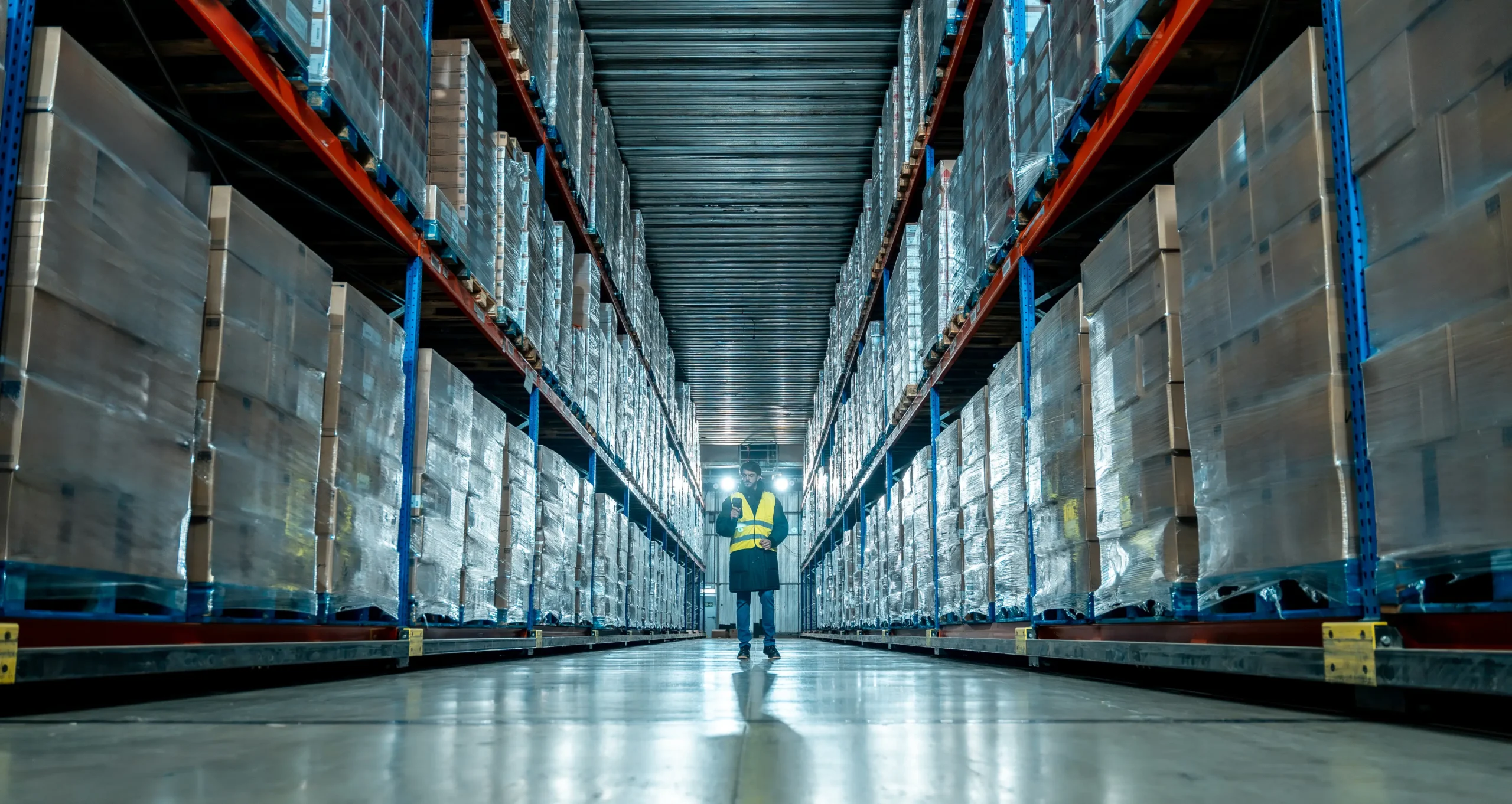
Struck-by incidents are one of the most dangerous hazards inside warehouses and distribution hubs. These events often happen in seconds, yet the injuries can be life-altering or fatal.
What “Struck-By” Means in a Warehouse Setting
A struck-by incident occurs when a person is hit by an object or equipment. In distribution centers, that can include:
- Falling pallets, boxes, or product bundles
- Collapsing racking or shelving systems
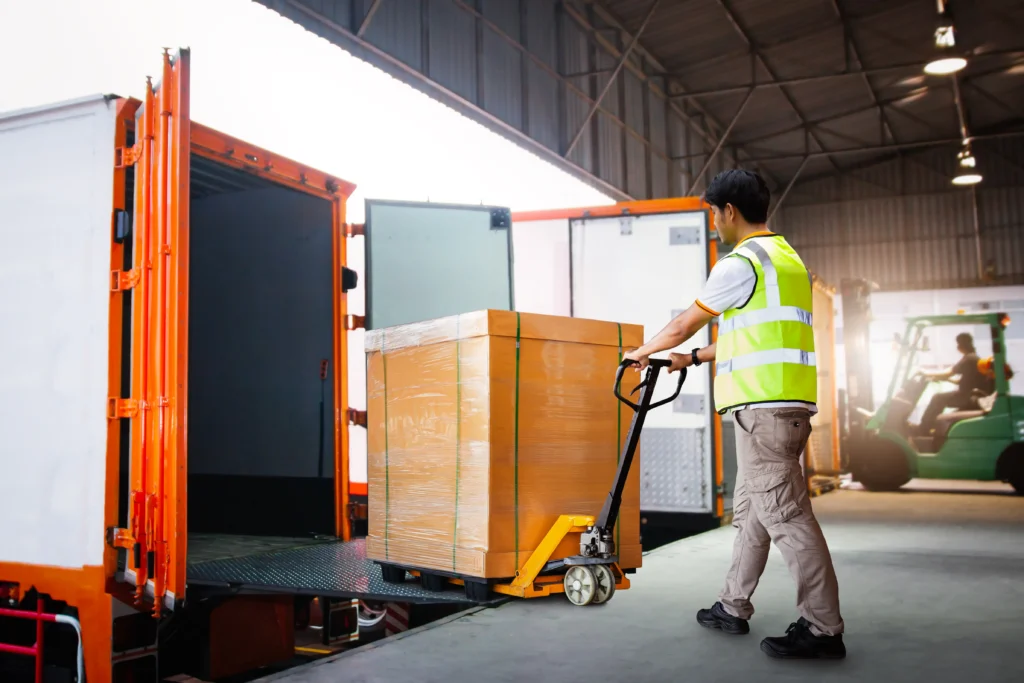
- Forklifts, pallet jacks, tuggers, and other powered industrial trucks
- Conveyor jams that release product unexpectedly
- Falling tools or materials from elevated work platforms
Because warehouses combine heavy loads, vertical storage, and moving machinery, struck-by risks are constant, especially during peak seasons and high-volume shifts.
Common Causes of Falling Inventory and Load Strikes
Many struck-by warehouse cases are preventable. Patterns we frequently see include:
Overstacking and unstable loads
When deadlines push workers to stack higher or wrap faster, loads can become top-heavy or poorly secured.
Damaged or improperly installed racking
Racks get hit by forklifts. Bolts loosen. Uprights bend. Without proper inspection and repair, a small defect can turn into a collapse.
Unsafe forklift operations
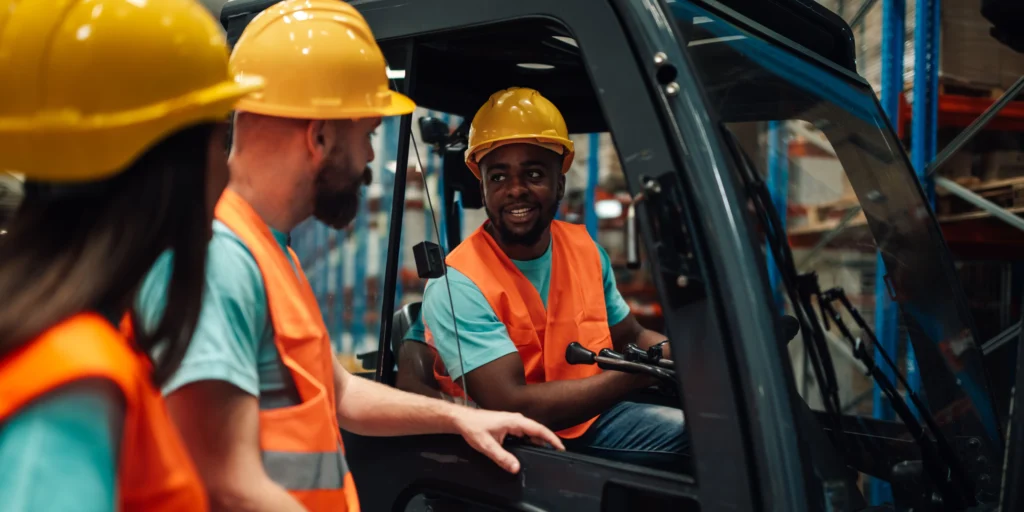
Speeding, limited visibility, inadequate training, and congested travel lanes all increase the chance of impact and falling loads.
Poor aisle design and traffic control
Lack of marked walkways, blind intersections, and mixed pedestrian equipment zones can put workers directly in the path of moving loads.
Inadequate safety policies or enforcement
Rules that exist on paper do not protect anyone if production pressure overrides safe practices.
Injuries We See After Warehouse Struck-By Incidents
When a person is hit by a moving vehicle or crushed by falling product, injuries are often catastrophic, such as:
- Traumatic brain injuries and skull fractures
- Spinal cord injuries and paralysis
- Crushing injuries to the chest, pelvis, or limbs
- Internal bleeding and organ damage
- Amputations
- Fatal injuries
Families are often left with sudden medical bills, lost income, and long-term care needs, all while trying to process the shock of what happened.
What to Do After a Struck-By Injury at a Distribution Center
If you or a loved one is hurt on the job, the early steps matter. As soon as it is medically safe:
- Report the incident immediately and request a written incident report
- Get medical evaluation right away, even if symptoms feel minor at first
- Document what you can: photos of the area, equipment, load, and any visible damage
- Identify witnesses and preserve names and contact information
- Avoid signing statements that speculate about fault before you have guidance
If the injury is severe, your family may also need help coordinating records and preserving evidence before the scene changes.
Liability Is Not Always Limited to Workers’ Compensation
Workers’ compensation may cover some benefits, but it may not be the only avenue. In many struck-by incidents, additional legal claims may exist against third parties, such as:
- A contractor responsible for racking installation or maintenance
- A staffing agency or onsite safety management vendor
- A forklift, pallet jack, conveyor, or racking manufacturer (product defect)
- A property owner or logistics operator depending on site control and safety responsibilities
A thorough investigation is often needed to determine whether a third-party claim can help cover the full cost of a catastrophic injury or wrongful death.
How McEldrew Purtell Can Help
Warehouse injury cases move quickly. Video gets overwritten. Equipment is repaired. Loads are restacked. Our team focuses on preserving key evidence, identifying responsible parties, and building a case that reflects the true impact of what your family is facing.
If you or someone you love was seriously injured or killed by falling inventory, a forklift, or collapsing racking in a distribution center, contact McEldrew Purtell to discuss what happened and learn what legal options may be available.