
Social Media Addiction and Kids: What Parents Should Know as the First “Addictive Design” Trial Heads to a Jury
In late January 2026, a landmark case put a question in front of a jury for the first time: can major social media platforms be held responsible for designing apps that allegedly hook kids and contribute to serious mental health harm?
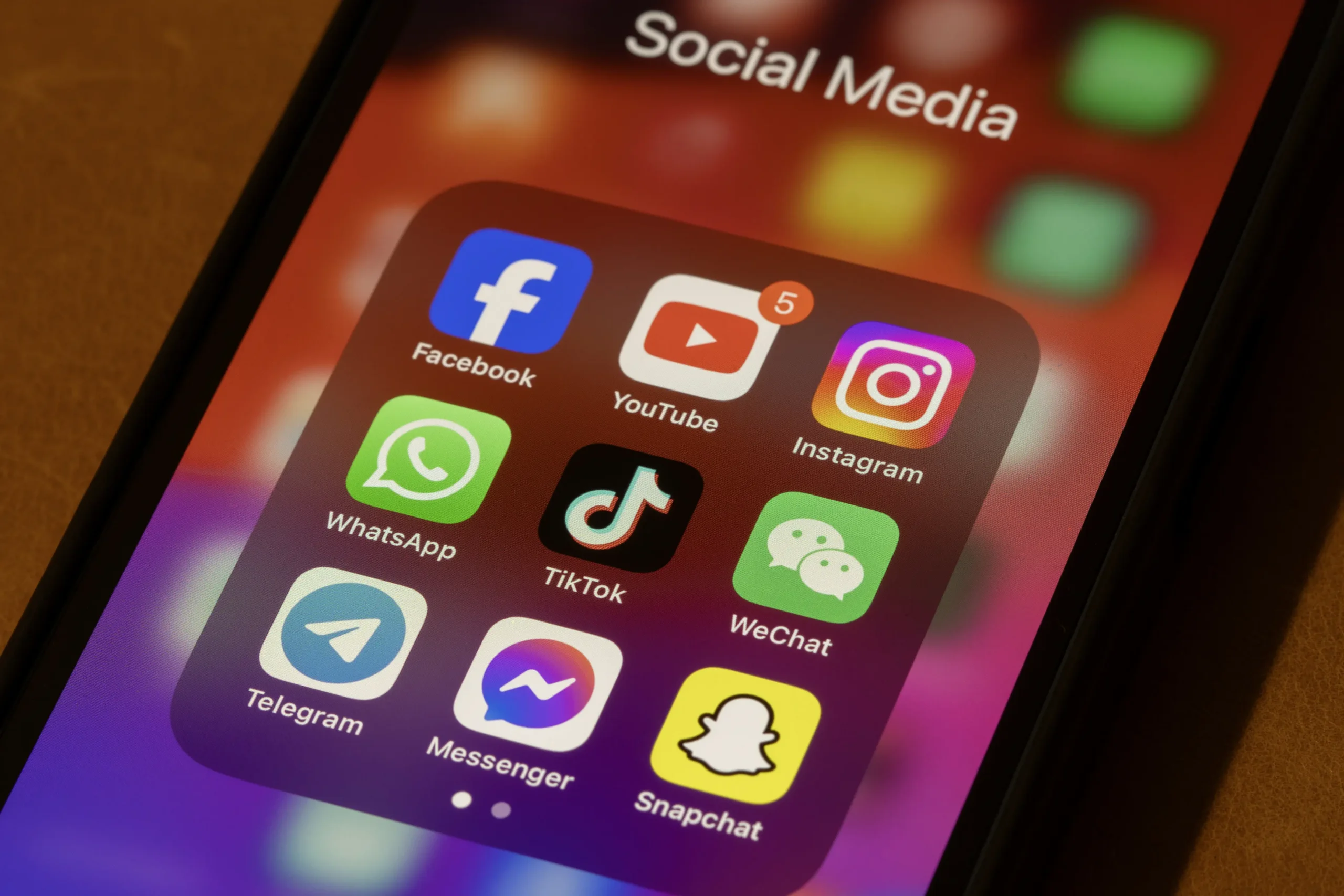
While courts sort out liability, families are left dealing with the day-to-day reality: compulsive scrolling, disrupted sleep, rising anxiety, body image pressure, and exposure to harmful content, often starting well before the teen years. The U.S. Surgeon General has warned that we still don’t have enough evidence to conclude social media is “sufficiently safe” for children and adolescents and called for urgent action to make digital environments healthier.
Below is a practical breakdown of what “social media addiction” can look like in children, why kids are uniquely vulnerable, what research and public health leaders are saying, and steps parents can take right now.
What is “social media addiction”?
There isn’t a single, universally accepted clinical diagnosis for “social media addiction.” But many clinicians and researchers use the term to describe a pattern of compulsive use that starts to interfere with normal functioning, sleep, school, relationships, mood, and self-esteem.
Common patterns include:
- Loss of control (can’t stop, even when they want to)
- Preoccupation (thinking about it constantly)
- Withdrawal-like distress (irritability, anxiety, anger when access is limited)
- Escalation (needing more time/engagement for the same “hit”)
- Harm despite consequences (grades drop, sleep collapses, mood worsens)
The Surgeon General notes youth use is widespread, up to 95% of 13–17-year-olds report using social media, with more than a third saying they use it “almost constantly.”
Why kids are especially vulnerable
Childhood and adolescence are periods of intense brain development especially in areas tied to:
- impulse control
- reward-seeking
- identity formation
- sensitivity to peer approval and rejection
That matters because many platforms are built around social feedback loops (likes, comments, streaks, views) that can turn social validation into a measurable score. Even a resilient child can struggle when their social world becomes a real-time popularity meter that never shuts off.
The “addictive design” features families should recognize
In the January 2026 trial coverage, plaintiffs argue platforms intentionally engineered features to maximize youth engagement, pointing to tools many parents recognize instantly: infinite scroll, autoplay, frequent notifications, and algorithmic recommendations.
These features aren’t “accidents.” They are design choices that can:
- reduce natural stopping points
- keep kids chasing novelty and social rewards
- push content that holds attention (even if it’s unhealthy)
This is a core issue in current litigation, whether claims can focus on product design and failure to warn (not just user-posted content), potentially sidestepping legal defenses like Section 230, depending on how claims are framed.
How social media overuse can impact children
The Surgeon General emphasizes the evidence is complex and still developing, but says there are “ample indicators” that social media can pose a profound risk of harm for some youth, particularly depending on time spent, content, and whether use disrupts sleep and offline activities.
- Sleep disruption: Late-night scrolling and notifications can push bedtimes later and fragment sleep, fueling mood instability, attention issues, and irritability.
- Anxiety and depression: For some kids, constant comparison, fear of missing out, and social pressure can intensify anxious thoughts and depressive symptoms. Litigation tied to the January 2026 trial alleges severe outcomes, including depression and suicidal thoughts for the teen plaintiff.
- Body image and eating disorder risk: Algorithmic feeds can amplify appearance-focused content. Even when a child isn’t searching for it, recommendation systems may repeatedly serve it, especially during vulnerable developmental stages.
- Exposure to harmful content and risky interactions: Kids may encounter content related to self-harm, disordered eating, bullying, or sexual exploitation—sometimes without ever typing those terms.
- School and attention impacts: Heavy use can crowd out homework, hobbies, in-person friendships, and physical activity, essential protective factors for mental health.
Warning signs your child may be struggling
Look for clusters of behaviors, not one-off incidents:
- sneaking devices or hiding screens
- intense anger/panic when asked to log off
- sleep changes (especially staying up late online)
- dropping grades or loss of interest in offline activities
- social withdrawal, increased sensitivity to peer feedback
- fixation on appearance, dieting, or “perfect” images
- talk of hopelessness, self-harm, or drastic mood swings (treat this as urgent)
If you’re seeing self-harm warning signs or suicidal thoughts, seek immediate help. In the U.S., you can call or text 988 for the Suicide & Crisis Lifeline.
What parents can do now (without turning your home into a battleground)
The American Psychological Association’s advisory recommends that teen social media use be age-appropriate and maturity-appropriate, and emphasizes building skills like social media literacy and self-regulation rather than assuming one rule fits every child.
Here are practical, high-impact steps:
- Create “tech-free” anchors
- bedrooms overnight
- dinner table
- first 30–60 minutes after waking
- Turn off non-essential notifications
- notifications are a major driver of compulsive checking
- Use time limits and downtime tools
- start with small changes (even 30 minutes less per day helps)
- Co-view and ask better questions
- “What’s showing up on your feed lately?”
- “How does it make you feel about yourself?”
- “Do you feel like you can stop when you want?”
- Prioritize sleep and offline identity
- sports, arts, volunteering, and in-person friendships are protective
- Watch for “algorithm traps”
- if a child is stuck in a spiral of negative content, reset the feed, mute keywords, and use reporting tools
Why the January 2026 trial matters (even if you’re not “in a lawsuit”)
According to AP reporting, TikTok settled just before the trial, and the case is moving forward against Meta (Instagram) and YouTube, with executives expected to testify.
Cases like this matter because they may influence:
- how courts treat “addictive design” allegations
- what internal research becomes public
- whether companies must change product features for minors
- whether families, schools, and states can recover costs tied to youth mental health impacts
Separate from the state-court bellwether trial, related disputes also exist in larger coordinated and multidistrict litigation settings, where courts have wrestled with defenses like Section 230 and what claims can proceed as product-design or warning-based theories.
If your family has been affected
No blog post can diagnose what’s happening in your home, but if you’re noticing compulsive use and deteriorating mental health, trust your instincts. Start with:
- your child’s pediatrician
- a licensed mental health professional
- school counselors (and ask what supports exist)
And if you believe a platform’s design choices contributed to serious harm, you may also want to understand your legal options.
Talk with McEldrew Purtell
If your child’s social media use has escalated into severe emotional distress, self-harm risk, or other life-altering harm, our team at McEldrew Purtell can help you evaluate next steps, including whether there may be a viable claim and what documentation is helpful to preserve. Reach out to schedule a confidential consultation.