
Safety Gear Failures Offshore: Harnesses, PFDs, and Fall-Protection Equipment That Didn’t Perform
Offshore work is unforgiving. When the equipment meant to keep a worker alive fails, the outcome is often catastrophic: drowning, traumatic brain injury, spinal cord damage, crush injuries, or fatal falls. These cases are especially painful because the entire point of a harness, lanyard, or PFD is to protect when everything else goes wrong.
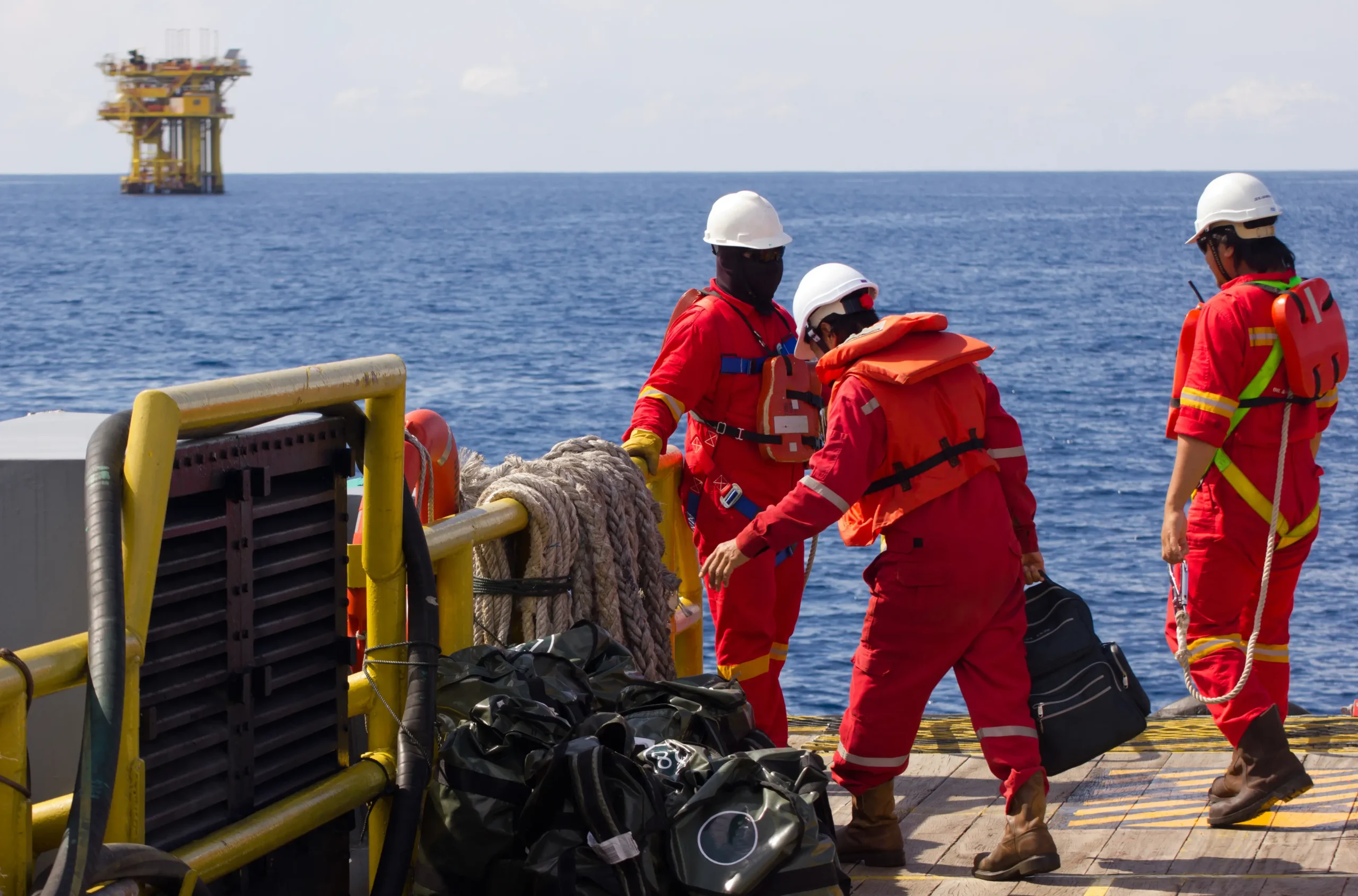
Below is what families and injured workers should know about how offshore safety gear fails, why responsibility often extends beyond the worker, and what to do early to protect both health and legal rights.
The offshore safety gear that most often fails
1) Harnesses and full-body fall-arrest systems
Modern fall protection is typically managed under a comprehensive program that includes equipment selection, training, inspection, rescue planning, and documentation. National consensus standards like ANSI/ASSP Z359 address fall protection equipment and systems and the broader managed program around them.
Common offshore failure points include:
- Incorrect harness sizing or misadjustment leading to slip-out or suspension trauma
- Damaged webbing, compromised stitching, or UV and chemical degradation
- Hardware failures at D-rings, buckles, or connectors
- Compatibility issues between harnesses, lanyards, SRLs, and anchors
- Missing rescue planning, turning a survivable fall into prolonged suspension injury
2) Self-retracting lifelines, lanyards, and connectors
Many serious incidents involve connectors and lifelines that were:
- Not rated for the actual configuration
- Not maintained or inspected per site procedures
- Used with unsuitable anchorage or at an unsafe swing-fall angle
- Damaged by corrosion, salt spray, or impact
Offshore regulators frequently issue safety communications after near-misses and incidents, underscoring that fall hazards and equipment issues remain persistent on offshore facilities.
3) PFDs and immersion gear
A PFD failure offshore is rarely a single moment. It is often a chain:
- The wrong type of PFD for the job
- Improper fit or worn straps that ride up in the water
- Inflatable PFDs that do not inflate due to maintenance or component issues
- Lack of compatibility with other PPE, making it hard to don correctly
For commercial maritime contexts, the Coast Guard addresses PFD categories and commercial-use considerations, including selection and intended use.
In many industrial settings near the water, OSHA also ties worker-worn PFDs to USCG approval requirements.
Why this is not always “worker error”
After a serious fall or man-overboard event, the defense playbook often tries to narrow blame to “misuse.” In reality, offshore safety gear failures often involve one or more of these accountability gaps:
The equipment should never have been in service
- Expired gear still being issued
- Missing inspection records
- Prior damage ignored or covered up
- Rental gear cycling through multiple crews without proper tracking
The jobsite set workers up to fail
- No feasible tie-off points or poorly positioned anchors
- Production pressure discouraging tie-off or proper donning
- Inadequate training or inconsistent enforcement
The product itself may be defective
A true product defect case can involve:
- Design defects that allow roll-out, breakage, or false engagement
- Manufacturing defects like weak stitching, flawed hardware, or improper materials
- Inadequate warnings or instructions that do not address real-world offshore conditions
The standards that often matter in offshore investigations
Multiple frameworks can come into play depending on where and how the work happened:
- OSHA general industry fall protection duties and system criteria often serve as a baseline reference point for employers and safety programs.
- OSHA construction fall protection rules can apply to certain construction activities.
- ANSI/ASSP Z359 standards are commonly used to evaluate fall protection programs, equipment, and training practices.
- USCG-related approval and marking concepts are central when PFDs are required for commercial or work-vessel use.
- Offshore regulators publish safety alerts after incidents and near-misses, which can spotlight known hazard patterns that companies should address.
What to do after a suspected safety gear failure
If you or a loved one was hurt offshore and the harness, PFD, SRL, lanyard, or connector did not perform, early steps can make a real difference.
Medical and reporting steps
- Get medical care immediately and describe how the equipment failed
- Report the incident in writing and keep a copy if possible
- Photograph injuries early and document symptoms over time
Preserve the evidence
- Do not allow the employer or vendor to discard or “send back” the gear without documentation
- Request that the harness, lanyard, SRL, connectors, PFD, and any anchor hardware be preserved in its post-incident condition
- Capture serial numbers, labels, and any inspection tags
- Identify witnesses and obtain contact information
Track the paper trail
- Training records and fit-testing documentation
- Inspection logs and maintenance history, especially for inflatables and SRLs
- Purchase or rental records and prior incident history involving the same model
How these cases are evaluated legally
Offshore injuries can involve overlapping laws depending on your role and where the incident happened, including Jones Act and unseaworthiness claims for seamen, maritime maintenance and cure issues, Longshore and Harbor Workers’ Compensation Act coverage for certain maritime workers, or other offshore frameworks. Product liability and third-party negligence may also apply when equipment manufacturers, suppliers, or contractors contributed to the failure.
Talk to a maritime injury team before the evidence disappears
Safety gear failure cases often turn on details that can be lost quickly: the condition of a strap, corrosion on a connector, a missing inspection record, or whether the PFD was properly rated and maintained. If you suspect the equipment meant to protect you offshore did not perform, McEldrew Purtell can help you evaluate what happened and identify who should be held responsible.