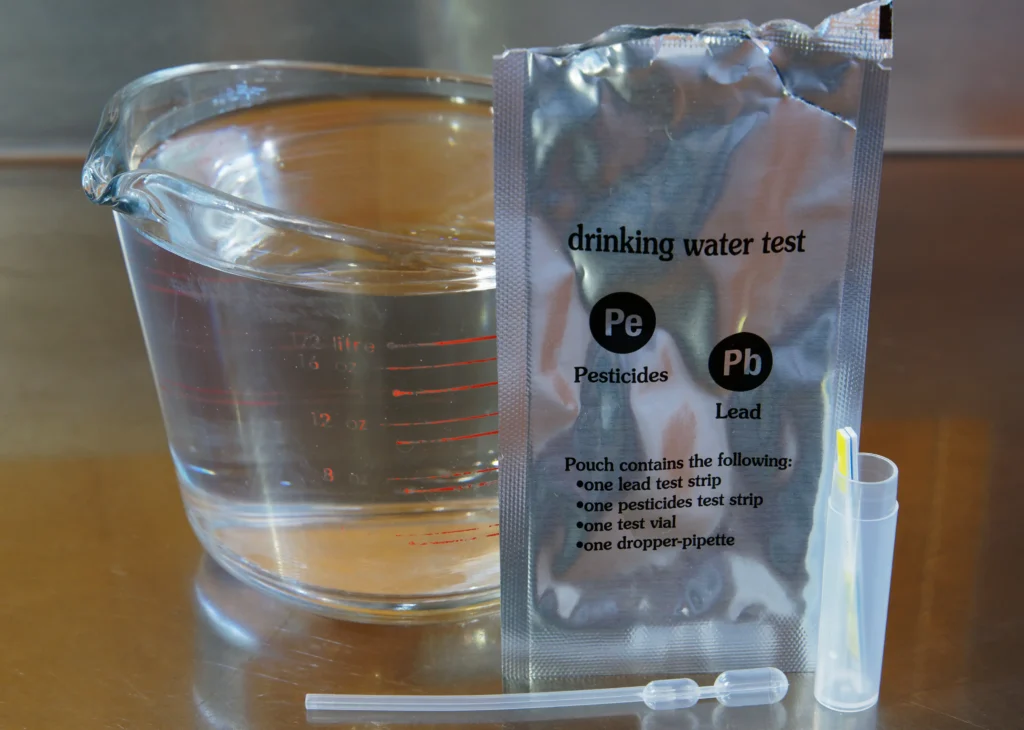

PFAS “Forever Chemicals” in Drinking Water: What Families Should Know Before They Accept a Settlement or Filter Reimbursement
PFAS are a large group of manufactured chemicals often called “forever chemicals” because they can persist in the environment for a long time. In many communities, PFAS have been detected in public drinking water, leading to new federal standards, state action, and a wave of litigation tied to contamination and cleanup costs.

If you have been offered a settlement payment, a filter reimbursement, or a free filtration program, it can feel like progress. But families should understand what they are accepting, what they may be giving up, and what steps to take to protect their health and legal rights.
Why PFAS in drinking water is a legal issue right now
In April 2024, the U.S. Environmental Protection Agency finalized the first national drinking water standards for several PFAS, including PFOA and PFOS at 4 parts per trillion.
In May 2025, EPA announced it would keep the PFOA and PFOS limits but intends to rescind and reconsider parts of the rule for certain other PFAS and the PFAS “mixture” hazard index. EPA also discussed extending compliance timelines through a new rulemaking process.
At the same time, public water systems have been involved in major settlements aimed at funding testing and treatment. One widely reported example is the 3M public water supplier settlement, which received final court approval and includes payments scheduled to begin in 2024, with a longer-term payout structure.
Important note: Many of these big settlements are designed to reimburse public water systems for cleanup and treatment, not to compensate individual families for personal injuries.
“Settlement” and “filter reimbursement” can mean very different things
Before you sign anything, identify what you are being offered:
1) A public water system program (utility-level)
This can include pitcher filters, under-sink reverse osmosis systems, or reimbursement to help households reduce exposure while a municipality upgrades treatment. These programs may be linked to utility funding or settlement administration that focuses on water system costs.
2) A class settlement tied to your community or specific contamination event
Some community cases involve class structures that may include household benefits. The key issue is whether you are required to release claims.
3) An individual settlement of a personal injury claim
This is very different and typically involves alleged PFAS-related disease or injury and a negotiated release of claims.
The single biggest issue: what rights are you waiving
Filter reimbursement programs are often presented as “help,” but the paperwork matters. Watch for language like:
- Release of claims
- Waiver
- Covenant not to sue
- Full and final settlement
- Known and unknown injuries
- Future claims
Even if the payment is small, a broad release can be expensive later if your family develops a serious condition or if new facts emerge about the contamination source.
A practical checklist before you accept anything
Read the fine print and save copies
Download or photograph every page you are asked to sign, including attachments and terms and conditions.
Confirm who is paying and what lawsuit it relates to
Is it your water authority, a state program, or a settlement administrator connected to the PFAS firefighting foam litigation and public water system settlements?
Identify exactly what the benefit covers
Common limitations include:
- Only certain filter types
- Caps on reimbursement
- Proof-of-purchase requirements
- Deadlines
- No ongoing cartridge replacement coverage
Document your exposure history now
If PFAS in your area becomes the subject of litigation later, documentation helps. Consider compiling:
- Your addresses and dates of residence
- Utility bills showing the water provider
- Any public notices about PFAS sampling results
- Any home filtration receipts and maintenance records
Know that standards and timelines can shift
EPA’s standards and compliance timelines have been in motion, including EPA’s May 2025 announcement about keeping PFOA/PFOS limits while reconsidering other PFAS components and exploring a new timeline. That uncertainty can affect what utilities do next and how settlement funds are used.
Do not assume a utility-level settlement pays individuals for illness
Large public water system settlements are generally designed to pay for testing and treatment costs incurred by water providers, not personal injury compensation for residents. If your concern is a PFAS-related medical diagnosis, you should treat that as a separate legal question.
What families should know about filters and “free systems”
Filters can reduce exposure, but families should be cautious about a few things:
- Not all filters remove all PFAS
- Performance depends on certification, installation, and maintenance
- Replacement schedules matter
From a legal standpoint, the issue is not whether filters help. The issue is whether accepting a filter program is tied to legal language that limits your options later.
When it may be especially risky to sign quickly
Consider getting legal advice before signing if any of the following apply:
- Your child was exposed during pregnancy or early childhood
- Anyone in the household has been diagnosed with cancer, thyroid disease, kidney disease, or other conditions you believe may be linked to PFAS exposure
- Your community has ongoing or expanding PFAS testing results
- The document mentions releasing future claims or unknown injuries
- The offer amount seems small compared to the scope of contamination
What to do if you already accepted a reimbursement or filter benefit
Do not panic, and do not assume you have no options. The impact depends on what you signed. Gather:
- The signed agreement
- Any emails or letters
- Proof of what you received
- The program name and administrator information
An attorney can review whether the document actually released any claims and, if so, how broad the release is.
Talk to a lawyer before you sign away future rights
If your family is dealing with PFAS in drinking water, you deserve clear answers about what an offer really means and whether it could affect future claims.
McEldrew Purtell can review settlement or reimbursement paperwork, explain the legal consequences in plain English, and help you decide the safest next step. Contact us today for a confidential consultation.