
Pennsylvania Farmland Cancer Cluster: What Residents Need to Know About the New Melanoma Study
A new Penn State Cancer Institute study has identified a significant melanoma “hotspot” stretching across 15 counties in south-central Pennsylvania. The findings suggest that people living near cultivated farmland may face a higher risk of melanoma, the deadliest form of skin cancer — and not just those who work directly with pesticides.
For families who live, work, or own property in these areas, the study raises serious questions about long-term health risks, environmental exposures, and potential legal rights.
What the new Pennsylvania cancer cluster study found
Researchers analyzed five years of cancer registry data from 2017–2021. They identified a large cluster of melanoma cases in adults over age 50 across a 15-county region of south-central Pennsylvania.
Key findings include:
- 57% higher melanoma rates in adults 50+ living in the cluster area compared to the rest of Pennsylvania.
- For every 10% increase in cultivated cropland, melanoma incidence rose by 14%.
- For every 9% increase in herbicide use, melanoma increased by 13%.
- These patterns remained even after accounting for other factors like ultraviolet (UV) exposure and socioeconomic status.
The cluster includes both rural and metropolitan communities, suggesting that exposure may extend far beyond the people actually applying chemicals in the fields.
Which Pennsylvania counties are in the melanoma “hotspot”?
The study identified elevated melanoma rates in adults over 50 in the following counties:
- York
- Adams
- Franklin
- Cumberland
- Dauphin
- Perry
- Mifflin
- Juniata
- Montour
- Northumberland
- Union
- Snyder
- Lycoming
- Centre
- Columbia
If you live in, have previously lived in, or frequently spend time in one of these counties, particularly near farmland or orchards, this research may be relevant to your health and your family’s long-term risk profile.
How could farmland, pesticides, and herbicides be linked to melanoma?
According to the study, counties with more cultivated cropland and higher herbicide use had significantly higher melanoma rates, even after controlling for sun exposure and other known risk factors.
Scientists point to several possible mechanisms:
- Increased photosensitivity – Some herbicides and pesticides may make the skin more sensitive to UV radiation.
- Oxidative stress – These chemicals are designed to disrupt biological systems. That same disruption could potentially damage skin cells over time.
- Immune system disruption – Prior research has linked certain agricultural chemicals to immune dysfunction, which can impair the body’s ability to detect and destroy abnormal cells.
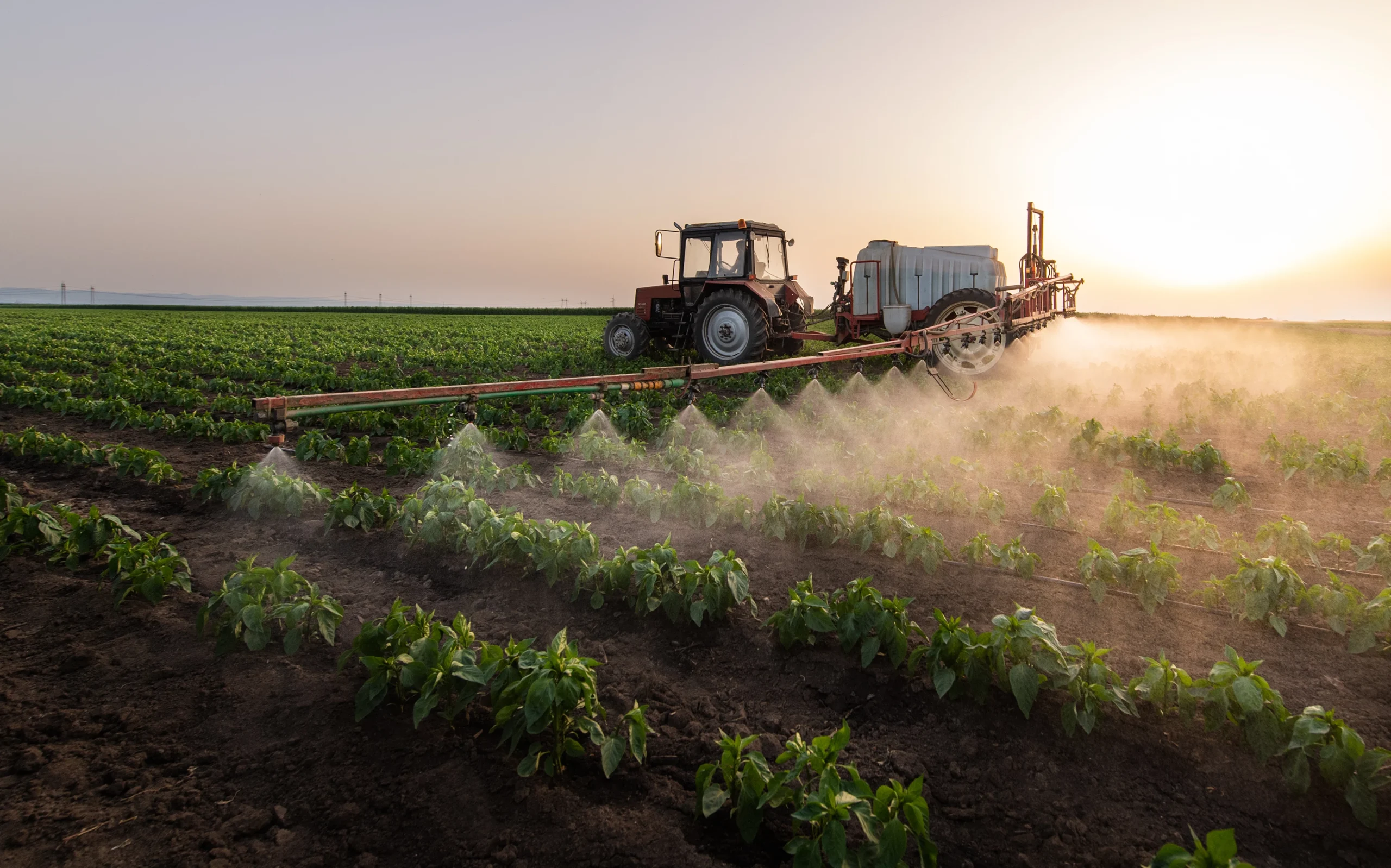
Importantly, exposure is not limited to farm workers. The study notes that chemicals can:
- Drift through the air
- Enter nearby homes
- Contaminate soil and drinking water
That means people who have never stepped into a field, including suburban and small-city residents near active cropland, may still be affected.
The paraquat connection and ongoing concerns in Pennsylvania
The Patch report highlights paraquat, a highly toxic weedkiller that has become a central focus for environmental and health advocates in Pennsylvania.
Key context about paraquat:
- Banned in more than 70 countries, including the European Union, U.K., and China.
- Still legal and used in the United States, including in Pennsylvania, despite mounting evidence of serious health risks.
- Strongly linked in research to Parkinson’s disease and other serious conditions; advocates are also raising concerns about broader cancer risks and long-term exposure in rural communities.
While this new melanoma cluster study does not prove that paraquat specifically caused the cancers, it adds to a growing body of evidence that agricultural chemicals may be contributing to serious disease in nearby communities.
What this means if you live or work near Pennsylvania farmland
Learning about a “cancer cluster” in your community is unsettling. It’s natural to feel worried, angry, or unsure about what to do next.
Here are practical steps to consider:
1. Protect your health
- Get regular skin checks. Follow the study authors’ recommendations: perform self-exams and schedule routine skin exams with a dermatologist, especially if you are over 50 or have a history of significant sun exposure.
- Document any diagnoses. Keep copies of pathology reports, imaging, and medical records if you or a loved one has been diagnosed with melanoma or another cancer.
- Know your risk factors. Family history, fair skin, prior sunburns, and certain medications can all increase risk, chemical exposure may add another layer on top of these.
2. Track potential environmental exposures
If you live in or near the identified counties:
- Make note of nearby fields, orchards, or large agricultural operations and approximately how close they are to your home, school, or workplace.
- Keep records (photos, notes, dates) of spraying activity you observe including odors, visible drift, or residue.
- Consider requesting information from local or state agencies about pesticide and herbicide applications in your area, where available.
These details can matter later if there is broader public health action or if you choose to explore legal options.
3. Understand that the science is still evolving
At this stage, the Penn State Cancer Institute research shows a strong association between higher melanoma rates and agricultural land and herbicide use, not definitive proof of causation for any one person’s cancer.
However, the clustering, the magnitude of increased risk, and the consistency with prior research from other regions (including Utah, Poland, and Italy) are serious red flags that warrant attention from both public health officials and affected communities.
Could there be legal claims related to pesticide-linked cancer?
Toxic exposure cases are complex. They often involve:
- Product liability claims against manufacturers of dangerous chemicals
- Negligence claims against companies or entities that used or applied those chemicals unsafely
- Failure-to-warn theories when communities were not adequately informed of risks
To pursue a claim, a person typically needs to show:
- Exposure – that they were exposed to the chemical (for example, by living near fields where it was applied, working around it, or drinking contaminated water).
- Causation – that the exposure more likely than not contributed to their illness, often requiring expert medical and scientific testimony.
- Damages – such as medical bills, lost income, pain and suffering, or wrongful death.
In Pennsylvania, most personal injury and wrongful death cases are subject to strict filing deadlines (statutes of limitations), often measured in years from when an injury is discovered or reasonably should have been discovered. Those deadlines can be complicated in cancer and environmental exposure cases, where the harm may not be obvious for many years.
Because this new research may affect how courts and experts view agricultural chemicals and melanoma risk in our state, it’s important to speak with an attorney as early as possible if you believe your diagnosis, or a loved one’s death, may be linked to environmental exposures.
How McEldrew Purtell can help
McEldrew Purtell represents individuals and families across Pennsylvania in catastrophic injury and wrongful death cases, including complex matters involving toxic exposures and environmental hazards.
If you or a loved one:
- Has been diagnosed with melanoma or another serious cancer, and
- Lives, lived, or worked in one of the identified Pennsylvania counties or near intensive farmland
you do not have to navigate these questions alone.
Our team can:
- Review your medical and exposure history
- Help you understand how this new research may relate to your situation
- Explain potential legal options, including individual claims or participation in broader litigation or investigations
Call McEldrew Purtell today or submit a consultation request through our online form for a free, confidential review of your case. There is no obligation to move forward, and speaking with an experienced attorney can help you make informed decisions about your health, your rights, and your family’s future.
More coverage of the Pennsylvania melanoma farmland cluster: https://patch.com/pennsylvania/across-pa/large-new-pa-cancer-cluster-connected-farmland-study