
Offshore Supply Vessel Injuries: Crew Transfers, Winches, Cranes, and Heavy Equipment Risks
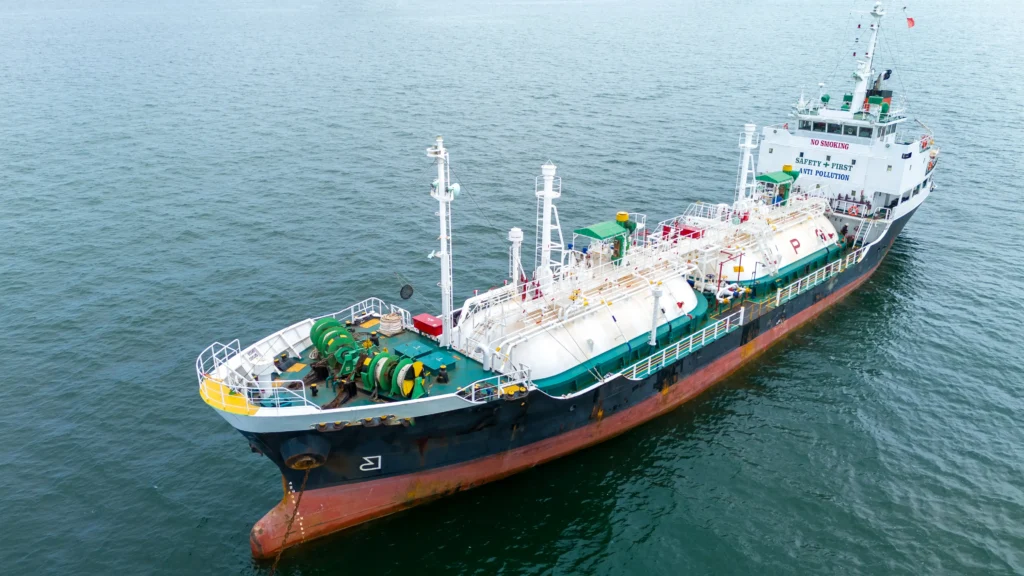
Offshore supply vessels keep operations moving, but the same equipment that makes the job possible also creates serious injury exposure. Crew transfers in changing seas, suspended loads on deck, and pinch points around winches and cranes can turn routine tasks into life altering events. Safety planning matters, but when something goes wrong, it is equally important to understand what happened and what legal rights may apply.

Why OSVs are high risk environments
OSV work blends marine hazards with industrial lifting and material handling. Conditions can change quickly due to weather, sea state, visibility, and vessel motion. Even a well-run operation can be vulnerable to:
- A sudden heave during a personnel basket transfer
- A load shift when the vessel rolls
- A line snap or equipment malfunction on a winch
- Miscommunication between bridge, crane operator, and deck crew
Federal agencies regularly issue safety guidance and alerts tied to offshore incidents, including crane and lifting related events.
Crew transfer injuries: baskets, gangways, slips, and crush hazards
Crew transfers are a common injury trigger because they combine timing, motion, and multiple parties (vessel crew, platform crew, contractors). Common mechanisms include:
- Falls while stepping between vessel and platform
- Impact injuries from uncontrolled swing of a basket
- Crush injuries from pinch points during approach or landing
- Slip and trip injuries on wet decks and ladders
Even when procedures exist, inadequate training, rushed operations, poor supervision, or unsafe transfer decisions in bad conditions can contribute. Recent Coast Guard guidance to OSV operators has also emphasized renewed attention to onboard safety orientation and drills following marine casualties.
Winches and lines: snap-back zones and entanglement risks
Winches and tensioned lines can injure without warning. Typical OSV winch related injury patterns include:
- Snap-back injuries when a line parts under load
- Hand injuries from pinch points and improper positioning
- Entanglement when clothing or gloves catch
- Struck-by injuries from shackles, hooks, or moving gear
These incidents often involve controllable factors, such as lack of clear snap-back zones, poor maintenance, inadequate guarding, or failure to keep personnel out of the line of fire.
Crane and lifting operations: dropped objects and red zone exposure
Cranes are essential on OSVs, but lifting operations are one of the most frequent sources of catastrophic offshore harm. Injuries often involve:
- Dropped objects from rigging failure or improper load handling
- Tag line related injuries
- Struck-by or crush injuries when workers enter the red zone under suspended loads
- Equipment component failures due to corrosion, fatigue, or poor inspection practices
BSEE safety alerts repeatedly focus on crane and lifting incidents, including injuries and high potential near misses, reinforcing how quickly things can escalate offshore.
Heavy equipment and deck operations: pinch points, rollovers, and shifting cargo
OSV decks are dynamic workspaces. Forklifts, pallets, containers, hoses, and cargo handling create hazards that intensify when the deck is moving. Serious incidents commonly involve:
- Crush injuries between cargo and bulwarks or structures
- Falls caused by cluttered walkways, poor housekeeping, or slick surfaces
- Strains and traumatic injuries from manual handling in awkward conditions
- Vehicle and equipment incidents on deck during loading and staging
When an OSV injury becomes a legal case
If you are a seaman, you may have rights under maritime law that are different from typical workers compensation. Depending on the facts, claims may involve:
- Jones Act negligence (unsafe procedures, inadequate training, poor staffing, rushed operations)
- Unseaworthiness (unsafe vessel condition or defective equipment)
- Maintenance and cure (medical care and living expenses while you recover)
- Third-party liability (contractors, platform operators, equipment manufacturers)
Early investigation matters. Offshore cases often come down to maintenance records, safety management procedures, lift plans, training documents, communications, and witness statements.
What to do after an offshore supply vessel injury
If you are able, consider:
- Report the incident and request medical evaluation immediately
- Document the equipment involved (winch, crane, rigging, basket, gangway)
- Write down what the sea state and conditions were, who was involved, and what instructions were given
- Save photos, names of witnesses, and any incident paperwork you receive
Talk with a maritime injury attorney
If you were hurt during a crew transfer or in winch, crane, or heavy equipment operations on an offshore supply vessel, McEldrew Purtell can help you understand your options under the Jones Act and maritime law. Contact us to request a confidential case review.