
Cleaning Agents & Product Liability
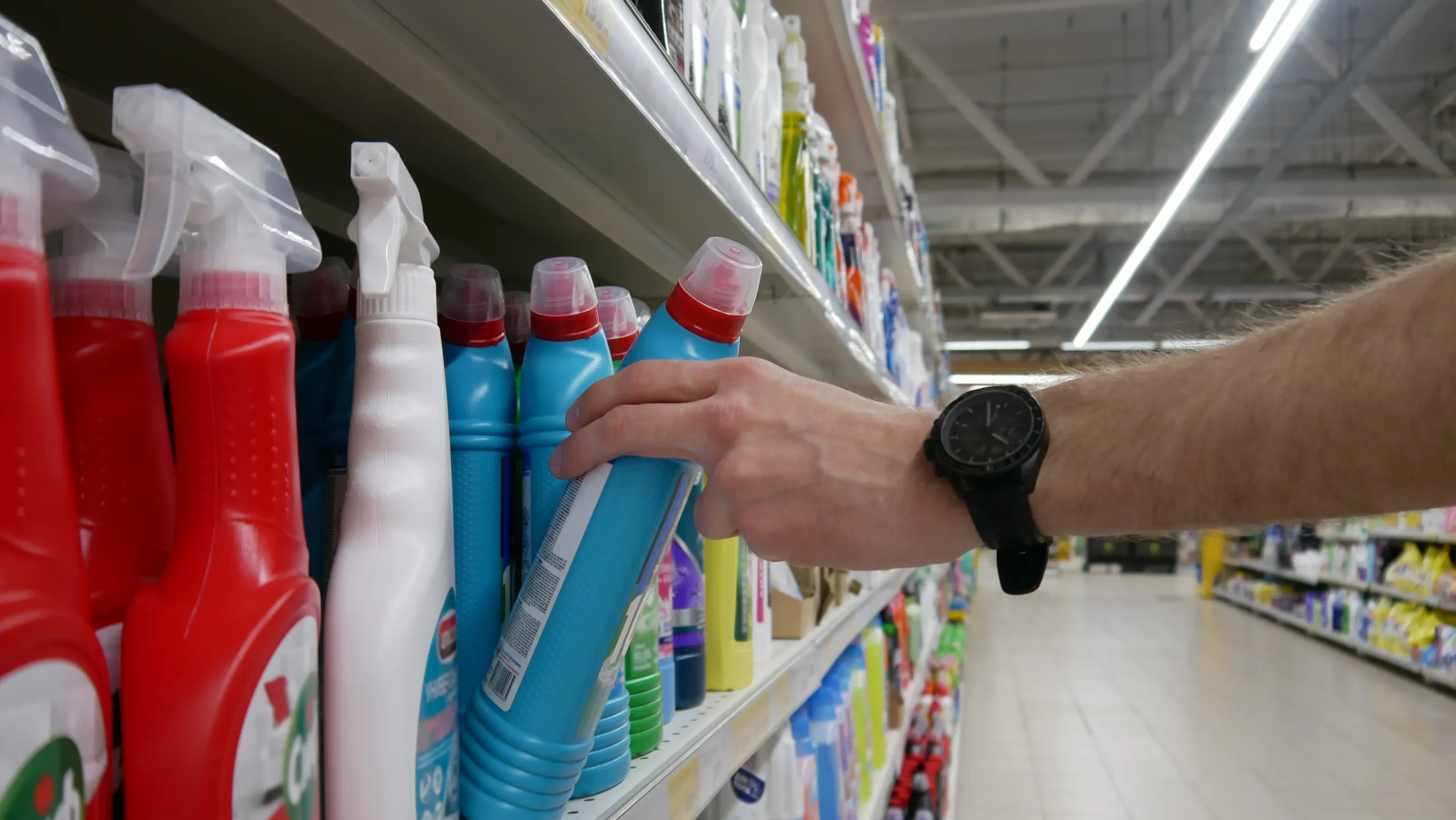
Household cleaning agents are marketed as products that protect families from germs and harmful bacteria. When these products are contaminated, improperly manufactured, or defectively designed, they can do the opposite, exposing consumers to serious health risks. Under product liability law, manufacturers, distributors, and retailers may be held accountable when unsafe cleaning products cause injury or illness.
Product Liability and Cleaning Agents: What Consumers Need to Know
Recent recalls and settlements involving well-known brands demonstrate how dangerous contaminated cleaning agents can be and why consumers should be aware of their legal rights.
Product Liability Risks in Cleaning Products
Cleaning agents are regulated consumer products, and companies have a legal duty to ensure they are safe when used as intended. Product liability claims involving cleaning products often arise from:
- Manufacturing defects, including bacterial contamination during production or bottling
- Inadequate quality control or testing procedures
- Failure to warn consumers about known or foreseeable risks
- Negligence in monitoring product safety after distribution
When these failures occur, contaminated cleaning agents can introduce harmful pathogens directly into homes, workplaces, and healthcare environments.
Bacterial Contamination and Pseudomonas Exposure
Some of the most serious cleaning product cases involve contamination with Pseudomonas aeruginosa and Pseudomonas fluorescens, bacteria known to cause dangerous infections. These organisms can survive in moist environments, making liquid cleaning agents particularly vulnerable if proper safeguards are not followed.
Exposure to Pseudomonas bacteria has been associated with severe medical complications, including:
- Sepsis with septic shock secondary to pseudomonal pneumonia
- Persistent malaise and chronic fatigue
- Joint pain, myalgias, and generalized weakness
- Depression and anxiety following prolonged illness
- Subcutaneous fat loss and muscle wasting
- Malnutrition and long-term recovery complications
For vulnerable populations, including those with weakened immune systems or underlying health conditions, these infections can be life-threatening.
Pattern of Bacterial Contamination in Household Cleaners
The Fabuloso Recall:
In 2023, Colgate-Palmolive issued a government recall of certain Fabuloso multi-purpose cleaners after testing revealed potential contamination with Pseudomonas aeruginosa and Pseudomonas fluorescens. The U.S. Consumer Product Safety Commission warned that exposure to the bacteria posed a health risk during normal household use.
Pine-Sol Contamination
Earlier product liability litigation involving Pine-Sol cleaning products also stemmed from bacterial contamination concerns. In that case, claims alleged that contaminated Pine-Sol products exposed consumers to harmful bacteria, leading to significant health risks.
The Pine-Sol litigation ultimately resulted in a multi-million-dollar settlement, underscoring the potential legal and financial consequences manufacturers face when contaminated cleaning agents enter the marketplace.
The Woolite Delicates Detergent Recall
In 2025, Reckitt issued a CPSC recall of certain Woolite Delicates laundry detergent sold on Amazon after testing indicated the products could contain Pseudomonas species bacteria (including Pseudomonas oleovorans). The CPSC warned that exposure could lead to serious infection for immunocompromised consumers or those with external medical devices, with bacteria entering through the eyes or breaks in the skin.
Although framed as a consumer-product recall rather than mass tort litigation, it provides a close factual analog for claims centered on preservative/quality-control failures leading to bacterial contamination risk.
The Angry Orange Enzyme Stain Remover Recall
In January 2026, Thrasio issued a CPSC recall of Angry Orange Enzyme Stain Removers due to potential contamination with bacteria, including Pseudomonas aeruginosa. The CPSC warning emphasized elevated risk for consumers with weakened immune systems, external medical devices, or underlying lung conditions, and noted possible exposure routes including inhalation, the eyes, or breaks in the skin.
This is another useful comparator where the alleged defect is not “chemical toxicity,” but microbial contamination in a household-use product sold broadly through major retailers.
The Laundress Laundry and Household Cleaning Products Recall
In late 2022 (with related actions continuing into 2023), The Laundress recalled certain laundry detergents and household cleaning products after identifying potential contamination with multiple bacteria, including Burkholderia cepacia complex, Klebsiella aerogenes, and multiple Pseudomonas species. The recall notice warned that exposure could pose a serious infection risk for vulnerable consumers.
Because the recall involved a large product footprint and multiple product types, it’s often cited as a high-profile example of how microbial contamination concerns can trigger significant brand, regulatory, and litigation exposure.
Manufacturer Responsibility Under Product Liability Law
Under product liability principles, manufacturers are responsible for ensuring their products are reasonably safe from the moment they leave the factory. When contaminated cleaning agents cause injury, liability may arise under several legal theories, including:
- Strict liability for defective products
- Negligence in manufacturing or quality control
- Failure to warn consumers of known risks
Evidence such as recalls, CPSC findings, medical records, and expert testimony often plays a key role in establishing these claims.
What Consumers Should Do After Exposure
If you or a loved one used a contaminated or recalled cleaning product and later experienced serious illness or unexplained infections, it is important to:
- Seek immediate medical evaluation and follow-up care
- Preserve the product and any proof of purchase, if available
- Document symptoms, diagnoses, and all related medical treatment
- Speak with a product liability attorney about your legal options
Medical damages in these cases may include hospitalization costs, long-term treatment, lost wages, and compensation for pain and suffering.
How McEldrew Purtell Can Help
McEldrew Purtell closely monitors product recalls, consumer safety investigations, and product liability litigation involving dangerous household goods. Our firm is committed to holding manufacturers accountable when defective or contaminated products put public health at risk.
If you believe you were harmed by a contaminated cleaning agent or another unsafe consumer product, contact McEldrew Purtell today for a free consultation to learn how we can help protect your rights and pursue the compensation you deserve.