
Chemical Exposures at Sea: Respiratory Injuries, Burns, and Long-Term Consequences
Chemical hazards are a reality on vessels and offshore operations, during cargo transfer, tank cleaning, maintenance, spill response, and even routine operations in enclosed spaces. When something goes wrong, the results can be immediate (burns, chemical pneumonitis, loss of consciousness) or delayed (chronic lung disease, scarring, long-term breathing impairment). Maritime work already carries elevated risk, and chemical exposures are one of the hazards safety programs are supposed to prevent.
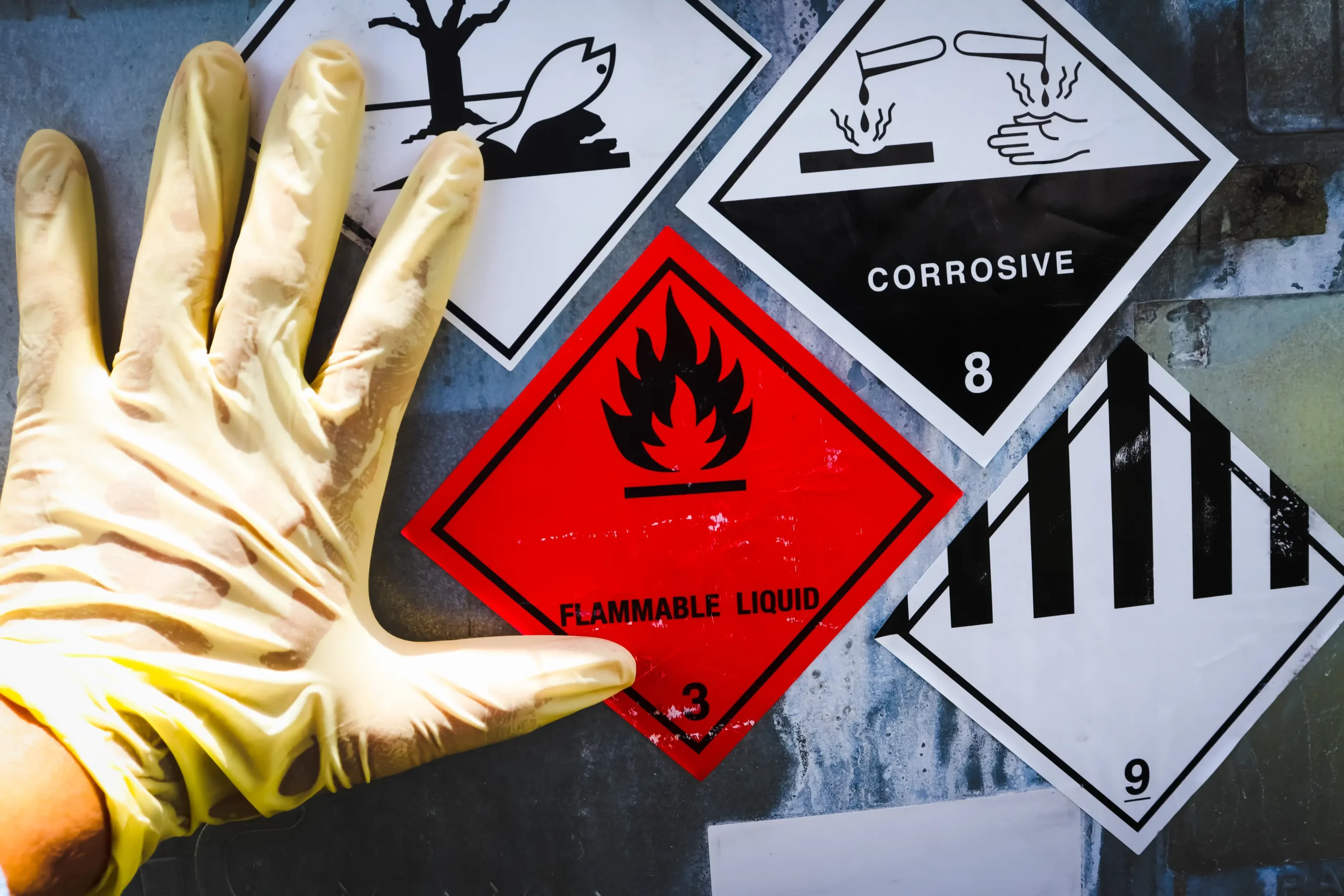
Why chemical exposures at sea are uniquely dangerous
1) Enclosed and confined spaces amplify exposure.
Tanks, voids, pump rooms, engine rooms, cargo holds, and poorly ventilated compartments can concentrate gases and vapors, turning a “small leak” into a life-threatening event.
2) Time-to-treatment can be longer.
Offshore distance, delayed medevac, and limited onboard medical resources can worsen outcomes for inhalation injuries and burns.
3) Some gases defeat your warning signs.
Hydrogen sulfide (H₂S) is a classic example: people associate it with a “rotten egg” odor, but the sense of smell can fatigue quickly and can’t be relied on for protection.
Common maritime chemical exposure scenarios
While every incident is fact-specific, exposures at sea often trace back to predictable operational moments:
- Cargo transfer leaks (hoses, flanges, valves, transfer lines) involving corrosive or toxic cargo.
- Tank cleaning / slop tank work where vapors and gases accumulate.
- Confined space entry without effective gas testing, ventilation, permits, or rescue readiness.
- Spill response and cleanup with direct skin contact and inhalation risk.
- Maintenance and chemical handling (solvents, degreasers, fuels, acids/alkalis) without proper PPE or training.
High-risk airborne hazards we often see discussed in maritime safety
- Hydrogen sulfide (H₂S) in tanker and cargo/slop tank contexts, potentially at very high concentrations, especially where biological activity can generate the gas.
- Corrosive/toxic gases depending on cargo and operations (risk increases in enclosed spaces and during transfer).
Injury patterns: respiratory harm, burns, and delayed complications
1) Respiratory injuries from inhalation
Depending on the substance and concentration, inhalation exposures can cause:
- Severe airway irritation and chemical burns to the throat/bronchial tree
- Bronchospasm and acute respiratory distress
- Chemical pneumonitis (inflammation of lung tissue)
- Hypoxia, collapse, and in extreme cases fatal outcomes (especially with highly toxic gases)
Some exposures are dangerous because they can overwhelm a person rapidly; high-concentration H₂S incidents, for example, have been repeatedly flagged as a catastrophic confined-space risk.
2) Chemical burns to skin and eyes
Maritime chemical burns frequently occur when:
- PPE is missing, wrong for the substance, or not maintained
- A splash/pressure release occurs during transfer or maintenance
- Decontamination is delayed or inadequate
These burns can cause deep tissue damage, scarring, infection, and permanent impairment, especially involving the face and eyes.
3) Long-term consequences
Even after “surviving the incident,” long-tail injuries can change a person’s life:
- Chronic cough, reactive airway disease, or asthma-like symptoms
- Reduced lung capacity and exercise intolerance
- Permanent scarring of airways/lung tissue
- Psychological harm after a near-fatal event
- Complications from severe burns (contractures, chronic pain, disfigurement)
NIOSH notes that marine transportation workers face a range of hazards, including chemical hazards, based on vessel type and cargo.
Red flags that often point to preventable failure
In many serious cases, the “root cause” isn’t mysterious, it’s a breakdown in basic controls. Examples include:
- No effective gas testing/monitoring (or monitors not calibrated/appropriate)
- Poor or absent ventilation before/during work
- Confined space entry without a real permit-to-work system
- Missing or unsuitable respiratory protection and chemical-resistant PPE
- Inadequate training on the specific chemical/cargo and emergency response
- No workable rescue plan (or an unsafe rescue attempt that creates additional victims)
OSHA’s maritime safety guidance repeatedly emphasizes hazardous chemicals and confined/enclosed spaces as key hazards requiring procedures and training.
What to do after a chemical exposure at sea
If you or a crewmember is exposed, priorities are medical and evidence preservation:
- Get medical care immediately (and follow up after you return ashore, some inhalation injuries worsen over time).
- Report the exposure in writing through the vessel’s reporting process.
- Document what you can: photos of the area, PPE, labels/placards, SDS availability, monitor readings, ventilation setup, and the chain of events.
- Identify witnesses and who was in charge of the operation.
- Preserve involved PPE/clothing (don’t discard it if it can be safely retained).
How maritime claims may differ from land-based workplace cases
When chemical exposures happen offshore or aboard a vessel, the legal framework can be very different from a typical workers’ compensation scenario. Depending on your status and where the exposure occurred, claims may involve concepts like negligence, unseaworthiness, and maintenance-and-cure obligations (among others). The key is moving quickly because evidence on ships can disappear fast (equipment gets repaired, tanks get cleaned, crews rotate, logs get overwritten).
How McEldrew Purtell can help
Chemical exposure cases at sea often come down to proving what the substance was, how the exposure occurred, and which safety steps were missing, and doing it before the paper trail and physical evidence go cold. Our team focuses on catastrophic injury and wrongful death matters, including cases involving severe respiratory injury, burns, and toxic exposure harms.
If you or a loved one suffered a chemical inhalation injury, chemical burns, or long-term breathing complications from an exposure aboard a vessel or offshore operation, contact McEldrew Purtell for a free, confidential consultation. We’ll listen, evaluate the facts, and explain the best next steps to protect your health and your rights.