

Catastrophic Wrongful Death Lawsuits
A preventable death, whether on a highway, jobsite, in a clinic, or behind bars, is the most serious wrong the law can remedy. While you handle arrangements and mourn, we move quickly to preserve physical and digital evidence, notify potential defendants, and safeguard all available claims.
We immediately assemble the right experts for fatal-loss litigation: medical examiners, reconstruction engineers, human-factors analysts, safety/regulatory consultants, economists, and life-care planners. Where appropriate, we add civil-rights, transportation, or product-defect teams. Liability and damages are built side-by-side from the outset.


How Much Is Your Case Worth?
Our Results
McEldrew Purtell has a proven track record of maximizing recovery for our clients.
Results may vary depending on your particular facts and legal circumstances.
Ways We Can Help
Below are common contexts that lead to wrongful death claims. For each, we develop the evidence and pursue every responsible party to seek full compensation under the law.
Medical Malpractice Leading to Death
Failure to diagnose, medication and anesthesia errors, surgical mistakes, sepsis and post-op complications. Potentially liable parties may include hospitals, surgeons, emergency physicians, nurses, home-health providers, and device/drug manufacturers when products contribute to harm.
Trucking & Commercial Vehicle Crashes
Arc flash, boiler failures, hot-work incidents, and scalds from pressurized systems cause devastating thermal and electrical burns. Potentially liable parties may include equipment manufacturers, site GCs/subcontractors, premises owners, maintenance vendors, and safety staffing firms (third-party claims; workers’ comp may limit suits against a direct employer).
Nursing Home Abuse & Neglect
Falls, pressure injuries, choking/aspiration, infections, medication errors, and elopement. Potentially liable parties may include corporate operators, medical directors, staff agencies, and pharmacy vendors.
Unsafe Premises & Negligent Security
Fatal falls, fires, carbon-monoxide exposure, assaults in poorly secured spaces. Potentially liable parties may include property owners/managers, security contractors, maintenance vendors, and equipment installers.
Workplace & Industrial Incidents (Third-Party Claims)
Even where workers’ compensation applies, third-party negligence can support a civil suit. Potentially liable parties may include equipment manufacturers, site GCs/subcontractors, premises owners, and safety staffing firms.
Police Misconduct & In-Custody Deaths
Failure to provide medical care, positional asphyxia, excessive force, jail suicides. Potentially liable parties may include municipalities, police departments, sheriffs, private jail contractors, and individual officers under civil-rights statutes.
Alcohol Overservice & Dram Shop Liability
Bars and social hosts who overserve intoxicated drivers. Potentially liable parties may include licensees, servers, security, and event organizers.
Fires, Explosions & Inhalation Injuries
Derailments or cargo releases expose workers and communities to toxic plumes; diesel exhaust exposures affect railroad workers.
Post‑collision vehicle fires and battery thermal events in cars, trucks, and buses demand rapid preservation of the vehicle and data. Potentially liable parties may include vehicle and component manufacturers, carriers, maintenance providers, and other negligent drivers.
Dangerous & Defective Products
From industrial machinery and batteries to consumer goods and medical devices. Potentially liable parties may include manufacturers, designers, component suppliers, distributors, and retailers under design/manufacturing-defect and failure-to-warn theories.
Railroad / Public Transportation
Derailments, bus crashes, and platform or yard incidents. Potentially liable parties may include carriers, maintenance contractors, component manufacturers, and third-party operators.
Toxic Exposures (Industrial & Environmental)
Acute releases and chronic exposure to solvents, metals, pesticides, or PM. Potentially liable parties may include chemical manufacturers, premises owners, contractors, environmental consultants, and transporters.
Aviation & Maritime Disasters
General aviation, helicopter, and maritime incidents. Potentially liable parties may include operators, maintenance contractors, component manufacturers, and training entities.
Don’t Just Take Our Word For It
Hear From Our Clients
At McEldrew Purtell, results matter and so does the way we achieve them. While our case outcomes reflect our tenacity in court and at the negotiation table, it’s the voices of our clients that truly capture who we are and why we do this work.
We represent people at the worst moments of their lives: after catastrophic injuries, workplace tragedies, and preventable losses. Through every case, we aim to deliver not just compensation but clarity, confidence, and care.
If you’re considering working with a Philadelphia trial lawyer, we invite you to read what our clients have said about their experiences with McEldrew Purtell. Their words are the most powerful testament to our values, our dedication, and our results.
Learn More

Comparative negligence under FELA: what it means and how railroads try to shift blame
If you are a railroad worker hurt on the job, your claim usually falls under the Federal Employers’ Liability Act (FELA), not standard workers’ compensation. One of the biggest battleground issues in a FELA case is comparative negligence. Railroads often…
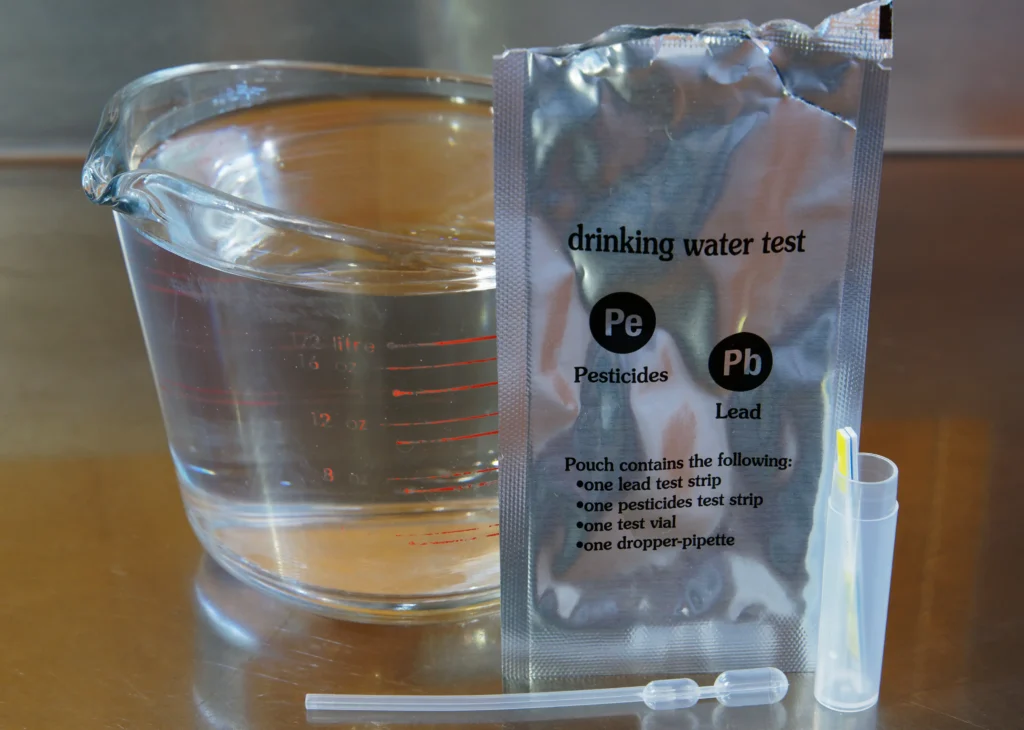
Lead Exposure Beyond Paint: School drinking water, construction dust, and hidden sources
When most people think about lead exposure, they think about peeling paint in older homes. That risk is real, but it is not the whole story. Children and adults can also be exposed through school drinking water, renovation and construction…

Surgical Mesh Complications: What “Design Defect vs. Complication” Looks Like
Surgical mesh is used in many common procedures, including hernia repair and certain pelvic surgeries. When it works, it can reinforce weakened tissue and support healing. But when patients develop serious problems afterward like chronic pain, infection, erosion, adhesion, bowel…

Logan Township, New Jersey Building Explosion Prompts Shelter in Place: Updated Injury Reports, Propane Storage Details, and What Injured Workers Can Do
A building explosion at a large commercial facility in Logan Township, New Jersey led to a shelter-in-place advisory on Wednesday, March 4, 2026. Officials later lifted the shelter-in-place shortly before 5:00 p.m. after air monitoring reported no hazards detected. What…
Spinal Cord Stimulator Paralysis Claims: What Patients Should Know After KARE 11 Investigation
A recent KARE 11 investigation reported that multiple Minnesota patients say they were left paralyzed or seriously injured after receiving spinal cord stimulator implants for pain relief at Nura Pain Clinic in Edina. According to the reporting, three patients filed…

Solvent Exposure (TCE/PCE): Auto shops, degreasers, and long-term neurological harm
Walk into many auto shops and you will find the same lineup: brake cleaner, parts-washing tanks, degreasers, and “heavy duty” solvents used to cut through grime fast. Some of those products have historically contained chlorinated solvents like trichloroethylene (TCE) and…
FAQs
Get answers to commonly asked questions regarding wrongful death cases and learn how we can help.
What is a wrongful death case?
A civil claim alleging a death was caused by someone else’s negligent, reckless, or intentional conduct. It seeks accountability and compensation for the family’s losses.
Who can file and who receives the recovery?
Rules vary by state. Typically, a personal representative files on behalf of statutory beneficiaries (e.g., spouse, children, parents); distribution follows statute or court approval.
What’s the difference between a wrongful death action and a survival action?
Wrongful death compensates family losses (support, guidance, consortium, services). A survival action belongs to the estate and seeks damages the decedent could have claimed had they lived (conscious pain, medical bills, lost earnings to death).
How long do we have to file?
Deadlines vary by jurisdiction and can be shorter for government entities (notice-of-claim rules). Prompt legal counsel is critical to preserve rights and evidence.
What damages can we recover?
Common categories include funeral/burial costs, loss of financial support and benefits, loss of household services, loss of companionship/guidance, and—in a survival claim—conscious pain and suffering. Punitive damages may apply where conduct was egregious.
Do we need to open an estate?
In most jurisdictions, yes. A court-appointed personal representative (or administrator) is usually required to prosecute survival claims and approve distributions.
What if there’s also a criminal case?
Civil and criminal cases are separate. A criminal outcome doesn’t control the civil claim, but investigations and testimony can inform liability and damages.