Catastrophic Burn Injury Lawsuits
Thermal, chemical, and electrical burns and the smoke and toxic gases that come with many fires, can lead to surgeries, infection risk, permanent scarring and contractures, nerve damage, and life-long rehabilitation. In the first hours and days, families face urgent medical, insurance, and employment decisions while evidence begins to disappear. Our role is to steady that chaos. We move immediately to preserve the scene, notify the right parties, and protect your claims so you can focus on healing.
We assemble a team tailored to catastrophic burn cases: certified fire and origin-and-cause investigators, electrical and mechanical engineers, utility and code-compliance experts, human factors specialists, burn surgeons and wound-care experts, plastic/reconstructive surgeons, life-care planners, and vocational and economic-loss experts. We build liability and damages in parallel, so no opportunity is missed.

How Much Is Your Case Worth?
Our Results
McEldrew Purtell has a proven track record of maximizing recovery for our clients.
Results may vary depending on your particular facts and legal circumstances.
Ways We Can Help
Below are common causes and contexts for severe burns and inhalation injuries. For each, we investigate the full chain of responsibility and pursue every accountable party to seek full compensation under the law.
Residential & Apartment Fires
Faulty wiring, overloaded circuits, unattended candles, space heaters, and cooking fires can lead to flashover and toxic smoke. Potentially liable parties may include property owners/managers, maintenance vendors, security/safety contractors, and smoke alarm/sprinkler providers where codes and standards were violated.
Workplace & Industrial Burns
Arc flash, boiler failures, hot-work incidents, and scalds from pressurized systems cause devastating thermal and electrical burns. Potentially liable parties may include equipment manufacturers, site GCs/subcontractors, premises owners, maintenance vendors, and safety staffing firms (third-party claims; workers’ comp may limit suits against a direct employer).
Gas & Utility Explosions
Industrial incidents and transport accidents can trigger acute respiratory distress, airway burns, and chronic lung disease. Potentially liable parties: facility operators, shippers/brokers, transport carriers, and chemical manufacturers (design/warning defects).
Lithium‑Ion Battery & E‑Device Fires
Thermal runaway in e-bikes, scooters, vapes, laptops, and power tools can trigger intense fires and inhalation injuries. Potentially liable parties may include battery and device manufacturers, distributors/retailers, and property owners where storage/charging practices violated standards.
Defective Products & Household Appliances
Overpressure and particulate clouds injure lungs (blast lung), while smoke/chemical plumes cause secondary damage. Potentially liable parties: utilities, fuel system manufacturers, event operators, premises owners, and pyrotechnic vendors.
Chemical Burns (Acid/Alkali)
Industrial cleaners, pool chemicals, and laboratory agents can cause deep tissue injury and scarring. Potentially liable parties may include chemical manufacturers, distributors, premises owners, contractors, and employers (with third‑party claims where applicable).
Electrical Burns & Arc Flash
Contact with energized equipment or faulty lockout/tagout can produce deep, occult injuries to muscle and nerves. Potentially liable parties may include equipment manufacturers, site owners, contractors, and safety consultants.
Transportation Fires
Derailments or cargo releases expose workers and communities to toxic plumes; diesel exhaust exposures affect railroad workers.
Post‑collision vehicle fires and battery thermal events in cars, trucks, and buses demand rapid preservation of the vehicle and data. Potentially liable parties may include vehicle and component manufacturers, carriers, maintenance providers, and other negligent drivers.
Unsafe Premises & Code Violations
Blocked egress, missing or nonfunctional alarms/sprinklers, sealed windows, and inadequate fire‑stopping amplify burn and smoke hazards. Potentially liable parties may include property owners/managers, tenants/occupiers with control, contractors, and fire‑safety vendors.
Medical Negligence in Burn Care
CO leaks, chlorine gas mishandling in pools, dry-ice off-gassing, and maintenance failures harm guests and students. Potentially liable parties: premises owners/tenants with control, maintenance vendors, security/safety contractors.
Toxic Smoke & Inhalation Injuries
Carbon monoxide and hydrogen cyanide exposure during fires can injure the brain, heart, and lungs even without obvious external burns. Potentially liable parties may include premises owners, utilities, product manufacturers, and event operators where safety failures contributed.
Children’s Scalds & Household Hazards
Tap‑water scalds, hot beverages, and bath incidents are common and preventable. Potentially liable parties may include landlords and product manufacturers where temperature‑limiting devices, guards, or warnings were absent or defective.
Don’t Just Take Our Word For It
Hear From Our Clients
At McEldrew Purtell, results matter and so does the way we achieve them. While our case outcomes reflect our tenacity in court and at the negotiation table, it’s the voices of our clients that truly capture who we are and why we do this work.
We represent people at the worst moments of their lives: after catastrophic injuries, workplace tragedies, and preventable losses. Through every case, we aim to deliver not just compensation but clarity, confidence, and care.
If you’re considering working with a Philadelphia trial lawyer, we invite you to read what our clients have said about their experiences with McEldrew Purtell. Their words are the most powerful testament to our values, our dedication, and our results.
Learn More

Comparative negligence under FELA: what it means and how railroads try to shift blame
If you are a railroad worker hurt on the job, your claim usually falls under the Federal Employers’ Liability Act (FELA), not standard workers’ compensation. One of the biggest battleground issues in a FELA case is comparative negligence. Railroads often…
Lead Exposure Beyond Paint: School drinking water, construction dust, and hidden sources
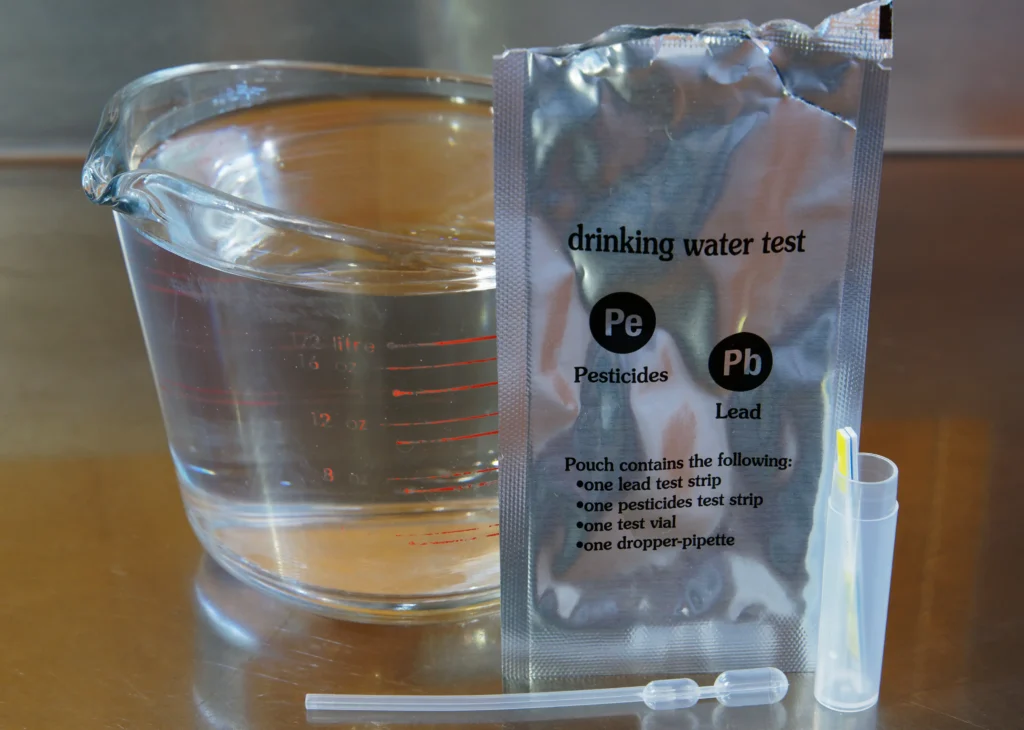
When most people think about lead exposure, they think about peeling paint in older homes. That risk is real, but it is not the whole story. Children and adults can also be exposed through school drinking water, renovation and construction…

Surgical Mesh Complications: What “Design Defect vs. Complication” Looks Like
Surgical mesh is used in many common procedures, including hernia repair and certain pelvic surgeries. When it works, it can reinforce weakened tissue and support healing. But when patients develop serious problems afterward like chronic pain, infection, erosion, adhesion, bowel…

Logan Township, New Jersey Building Explosion Prompts Shelter in Place: Updated Injury Reports, Propane Storage Details, and What Injured Workers Can Do
A building explosion at a large commercial facility in Logan Township, New Jersey led to a shelter-in-place advisory on Wednesday, March 4, 2026. Officials later lifted the shelter-in-place shortly before 5:00 p.m. after air monitoring reported no hazards detected. What…
Spinal Cord Stimulator Paralysis Claims: What Patients Should Know After KARE 11 Investigation
A recent KARE 11 investigation reported that multiple Minnesota patients say they were left paralyzed or seriously injured after receiving spinal cord stimulator implants for pain relief at Nura Pain Clinic in Edina. According to the reporting, three patients filed…
Solvent Exposure (TCE/PCE): Auto shops, degreasers, and long-term neurological harm
Walk into many auto shops and you will find the same lineup: brake cleaner, parts-washing tanks, degreasers, and “heavy duty” solvents used to cut through grime fast. Some of those products have historically contained chlorinated solvents like trichloroethylene (TCE) and…
FAQs
Get answers to commonly asked questions regarding severe burns and inhalation injuries, and learn how we can help with your case.
What is considered a catastrophic burn injury?
Burns that cause permanent functional loss, deep‑partial or full‑thickness involvement, significant %TBSA (percent of total body surface area), inhalation injury, or require multiple surgeries/reconstruction and long‑term care.
How are burns classified?
By depth (superficial, partial‑thickness, full‑thickness) and by total body surface area (%TBSA – percent of total body surface area). Some clinicians still reference first/second/third/fourth degree; modern practice emphasizes thickness.
What is an inhalation injury and why does it matter?
Smoke and toxic gases (carbon monoxide, hydrogen cyanide) can damage the airway and organs, increasing ICU stays, complications, and mortality, even when skin burns are limited.
Who might be liable for a severe burn?
Depending on the facts: property owners/managers, utilities, contractors, manufacturers and distributors of defective products, employers’ third parties, transportation companies, and negligent individuals.
What compensation can a burn survivor pursue?
Medical expenses (past/future), rehabilitation and long‑term care, home/vehicle modifications, lost wages and earning capacity, scarring and disfigurement, pain and suffering, and loss of life’s pleasures. Where warranted, we evaluate punitive damages early.
If my loved one died in a fire, can the family bring a claim?
Yes. Eligible family members can pursue a wrongful death and survival action. We move quickly to investigate origin and cause, preserve evidence, and identify all responsible parties.