

Unintended rollaway isn’t a mistake, it’s a safety failure.
Some of the most devastating injury cases don’t happen on the highway. They happen in driveways, parking lots, garages, and curbside drop-offs when a vehicle that’s supposed to be secured in “park” moves anyway.
A rollaway can pin a person against a wall, pull a caregiver under a door, run over a child in a driveway, or crush a bystander between vehicles. The resulting harm is often catastrophic: traumatic brain injury, spinal cord injury, amputations, severe orthopedic trauma, internal organ injury, or wrongful death.
This is where product liability matters. Because when “park” doesn’t hold, the problem may not be the driver, it may be the design, the parts, the software, or the warnings.

How Much Is Your Case Worth?
What “rollaway / gear-selector defect” actually means
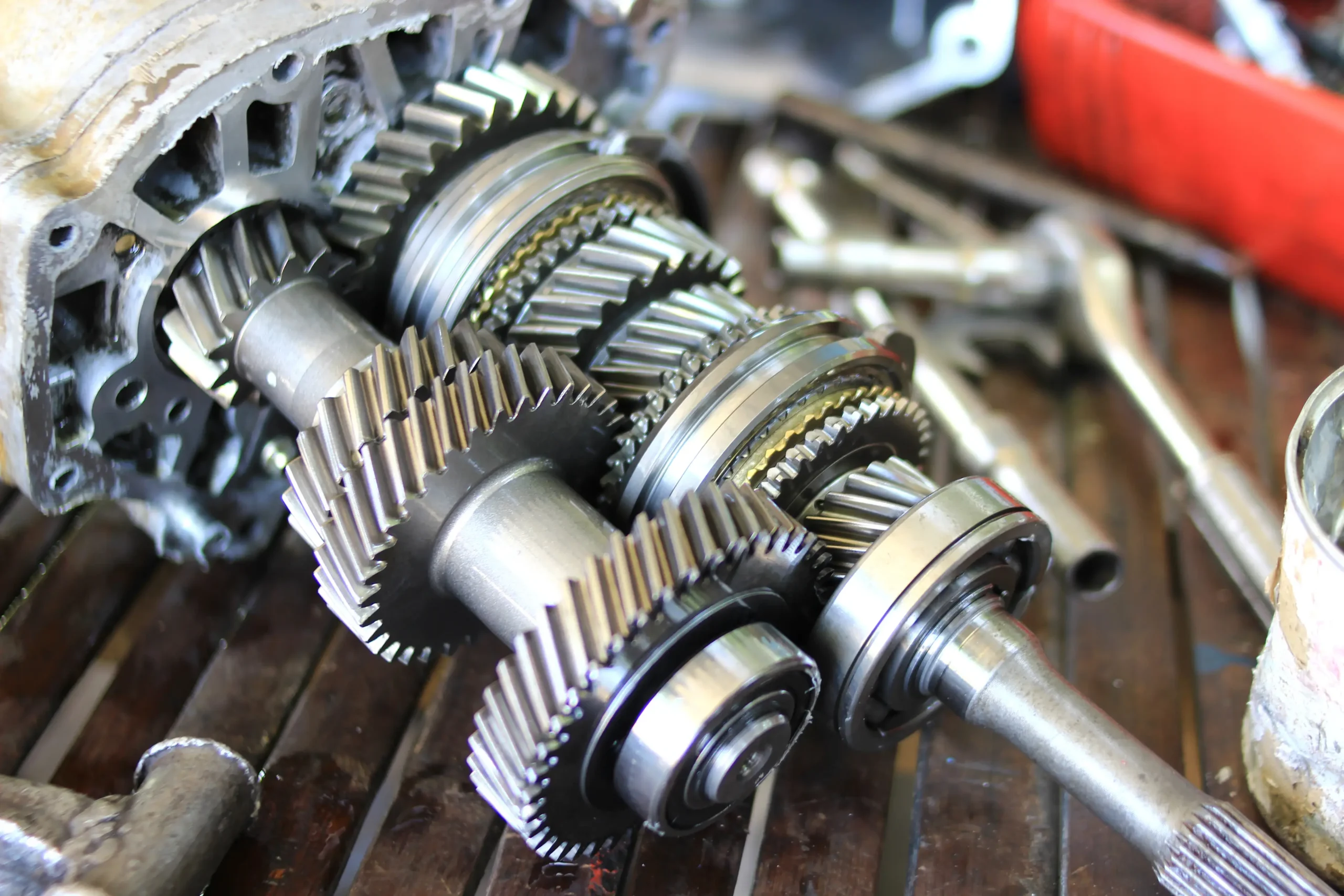
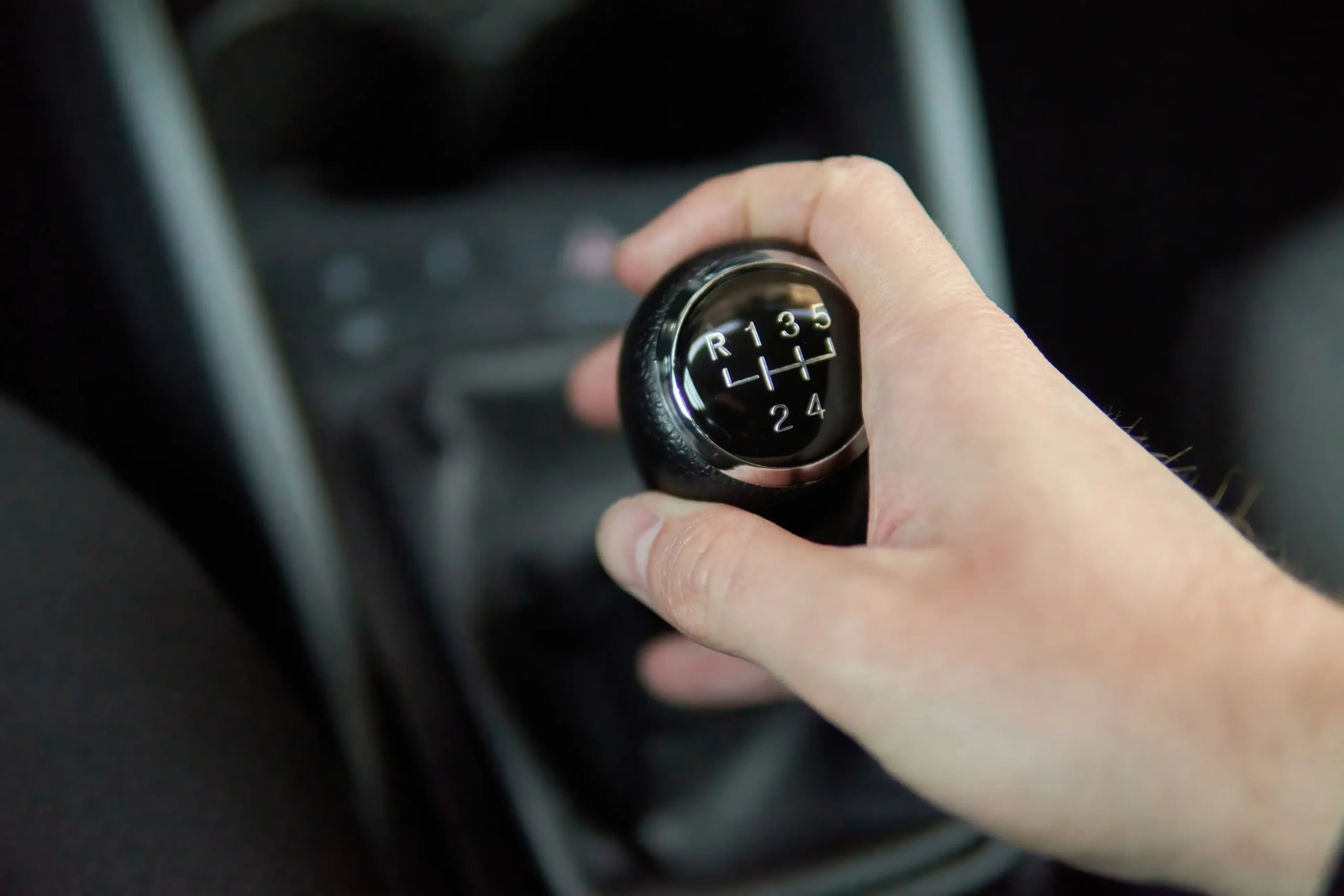
Modern vehicles rely on a chain of systems to prevent unintended movement: the gear selector, a park mechanism (often a parking pawl), interlocks designed to prevent shifting out of park without proper steps, and sometimes software-controlled shift-by-wire logic. When any link in that chain fails or misleads the driver the vehicle can move when no one expects it.
Common defect pathways include a vehicle that can be shifted out of park without the brake applied, a “park” selection that doesn’t actually engage the park function, a shifter cable detachment that prevents the vehicle from truly going into park, or software/indicator behavior that tells the driver the vehicle is secured when it isn’t.
Recall Radar: Recent rollaway-related recalls
These are examples of recent safety recalls involving rollaway risk, loss of park function, or shifting out of park issues that can lead to catastrophic injury or death:
- Ford – certain 2022–2026 F-150 Lightning, 2024–2026 Mustang Mach-E, and 2025–2026 Maverick vehicles recalled because the integrated park module may fail to lock into park when selected, creating a rollaway hazard (FMVSS 114 context noted in the recall documentation).
- Stellantis / FCA US – certain 2024–2025 Dodge Charger and Jeep Wagoneer S electric vehicles recalled because an incorrectly installed spring may cause loss of the park function when the selector is placed in park, increasing rollaway risk.
- Stellantis / FCA US (Dodge) – 2013–2016 Dodge Dart vehicles recalled for a condition where the shifter cable may detach, preventing the vehicle from shifting into park and causing loss of park function (including additional action for vehicles previously repaired under an earlier recall).
- Hyundai – certain 2025 Tucson and Santa Cruz vehicles recalled because a wiring assembly near the shift lever may interfere with the shift lock mechanism, allowing the vehicle to shift out of park without depressing the shift lock, increasing rollaway risk.
- Fisker – the Fisker Ocean was the subject of a federal safety inquiry tied to vehicles failing to shift into park; reporting describes a recall and software update addressing unintended movement concerns and NHTSA later closing the preliminary probe after updates.
(Your case does not need a recall to be valid. Many catastrophic events happen before a recall is announced or involve vehicles outside the recalled build range.)
Why these cases can be catastrophic
Rollaways often involve low reaction time and high crush forces. A person can be knocked down before they can move, then pulled under the vehicle or pinned against a fixed object. Catastrophic outcomes are common when the victim is a child, a pedestrian, an elderly adult, or someone loading/unloading.
The legal question is whether the vehicle provided reasonable rollaway prevention and clear, reliable driver feedback or whether a defect made unintended movement foreseeable.
What to do after a suspected rollaway event
If you can do so safely and without disrupting evidence:
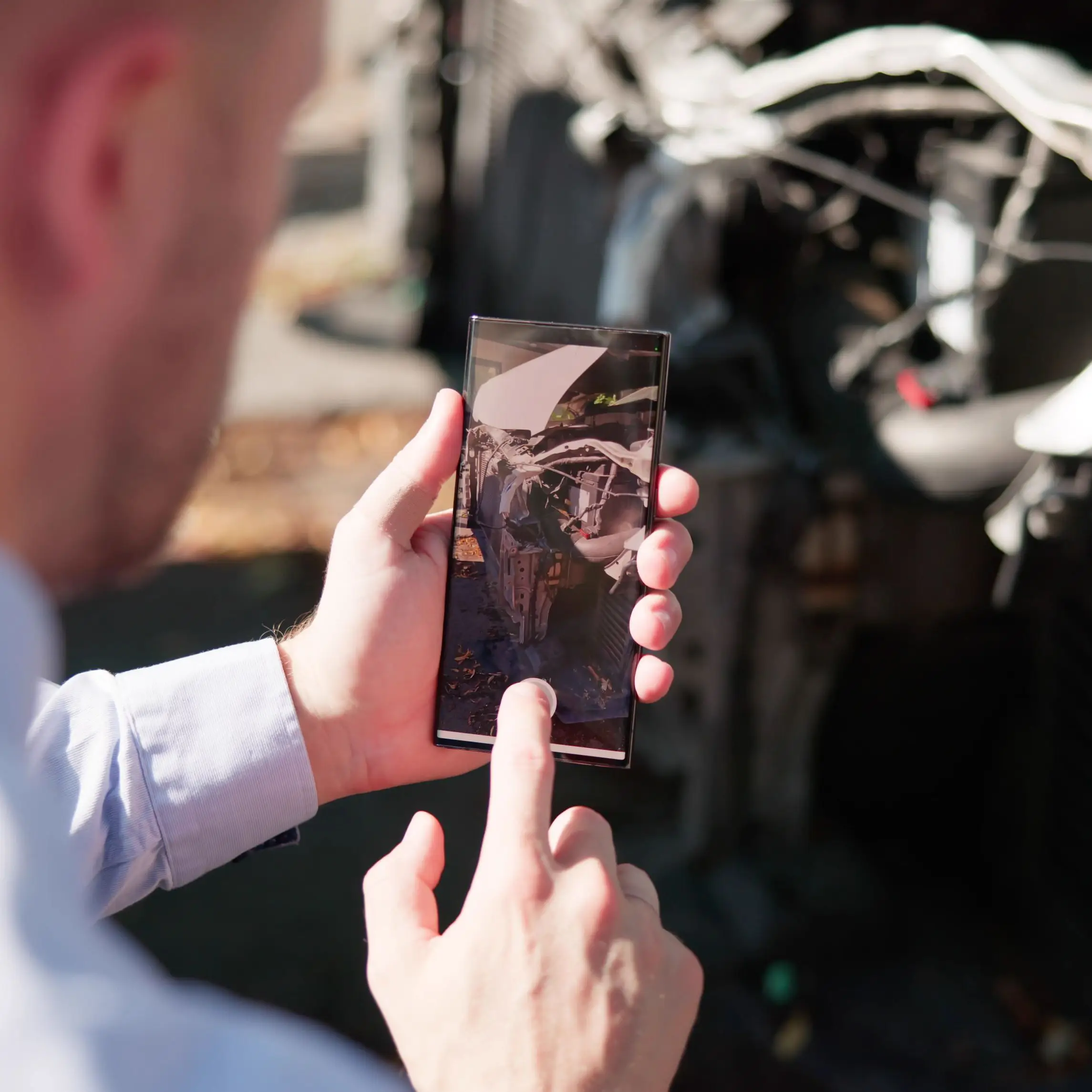
- Preserve the vehicle and its “state.” Don’t allow repairs, towing-yard parts removal, or software updates until the vehicle is documented. Photograph the instrument cluster, gear indicator, warnings, and the area around the shifter. Save key fobs and keep copies of any app/telematics records.
- Secure the components that matter. The shifter assembly, shift cable, park mechanism, and control modules can be critical evidence. If the vehicle is in storage or at an insurer yard, the risk is that evidence gets altered or lost.

How we build rollaway / gear-selector defect cases
These are proof-driven product cases. Our investigation typically focuses on:
- Whether the park function truly engaged versus what the driver reasonably believed
- The condition of the shifter, shift cable, interlocks, and park mechanism
- Whether software logic or indicators could mislead a driver about “park” status
- Manufacturer knowledge, recall history, and whether prior remedies were adequate (where applicable)
“Park” failures don’t leave room for second chances
Catastrophic injury changes the math of everything: medical care, mobility, work, independence, family life. When a rollaway takes a life, families are left with grief and questions that deserve real answers.
If a vehicle moved when it should have been secured, we can investigate whether a defect in the gear-selector system, park function, or related components contributed and pursue accountability from the manufacturers and suppliers responsible.

Learn More
Electric Vehicle Defects: Battery Fires, Severe Burns, and Explosions
Drivers and passengers can suffer severe burns, smoke inhalation, catastrophic injuries, or death when an electric vehicle battery ignites. These fires can happen while a vehicle is charging, parked, operating normally, or damaged in a crash. They can spread rapidly,…
Toxic Exposure Claims: Identifying the Right Liability Theory
Toxic exposures can cause life-altering injuries. The source may be a defective product, an unsafe workplace, a leaking facility, a mislabeled container, or a chemical release that reaches homes, schools, or nearby businesses. The legal claim depends on where the…

Cerebrospinal Fluid Leaks Can Cause Serious Neurologic Injuries and Life-Threatening Infections
When a dural injury results in Cerebrospinal Fluid leak after an epidural injection, lumbar puncture, spinal cord stimulator insertion, spine procedure, or another intervention near the dura, the consequences can be debilitating and life-threatening. Patients may suffer severe migraines, brain…
Stoneworkers Face Life-Threatening Silicosis From Quartz Countertop Dust
Stone fabrication workers are losing lung function, undergoing lung transplants, and dying after years of cutting and polishing engineered stone countertops. NPR’s latest reporting adds to growing public health evidence that silicosis tied to quartz countertop dust is appearing across…
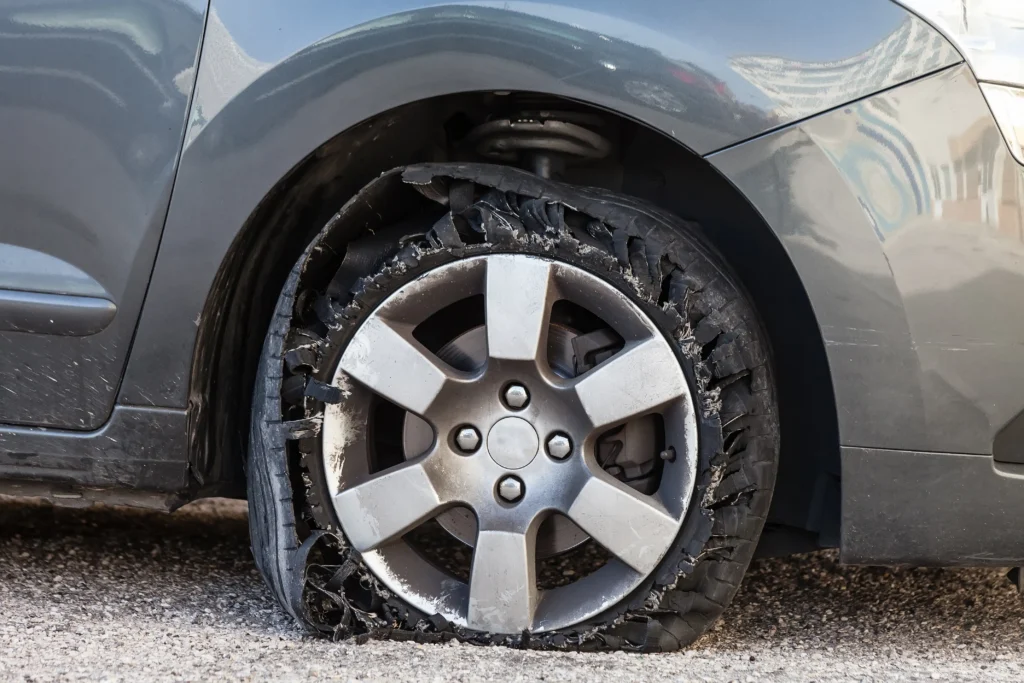
Tire Tread Separation and Blowouts: When a Crash Raises Product Liability Concerns
Tire Tread Separation and Blowouts: When a Crash Raises Product Liability Concerns On average, tire-related crashes are linked to nearly 11,000 wrecks and more than 600 deaths each year in the United States, according to NHTSA. In 2024 alone, more…

Defective Breast Mesh: Chronic Pain and Disfigurement After Internal Bra Procedures
Women across the country are dealing with surgical removal, chronic pain, and disfigurement after surgeons implanted resorbable mesh products marketed as an “internal bra” during breast lift, reduction, and reconstruction procedures. A growing number of these women are now suing…