

A Fall Is Rarely “Just an Accident”
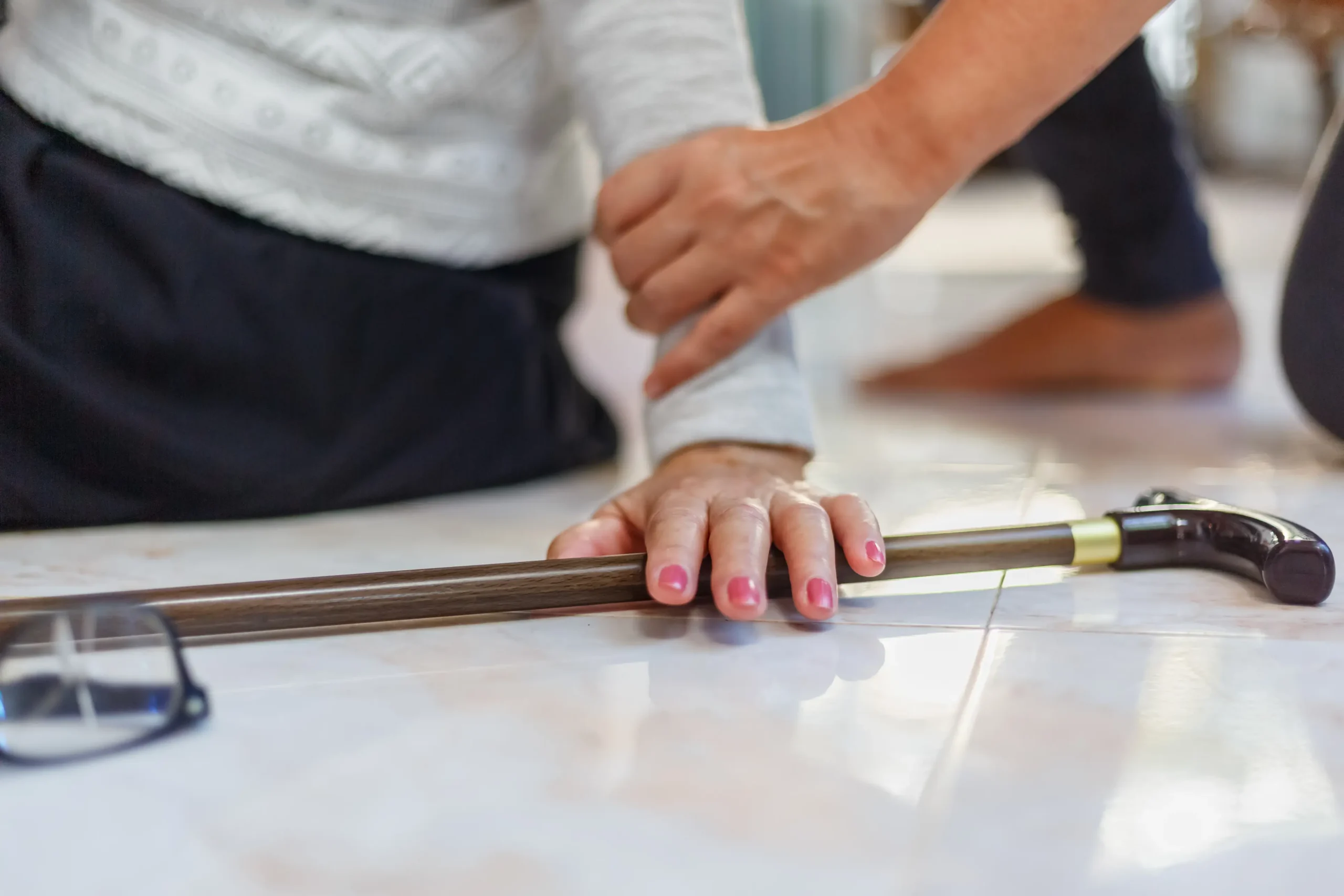
In nursing homes, falls are one of the most common and most devastating events a resident can experience. While facilities may describe a fall as unavoidable, many occur after clear warning signs were ignored.
Residents who are elderly, medically fragile, cognitively impaired, or recovering from illness require individualized fall prevention plans. When staffing is thin, supervision is inconsistent, or care plans are not followed, the risk of serious harm rises sharply.
A preventable fall can lead to catastrophic injury within seconds.

How Much Is Your Case Worth?
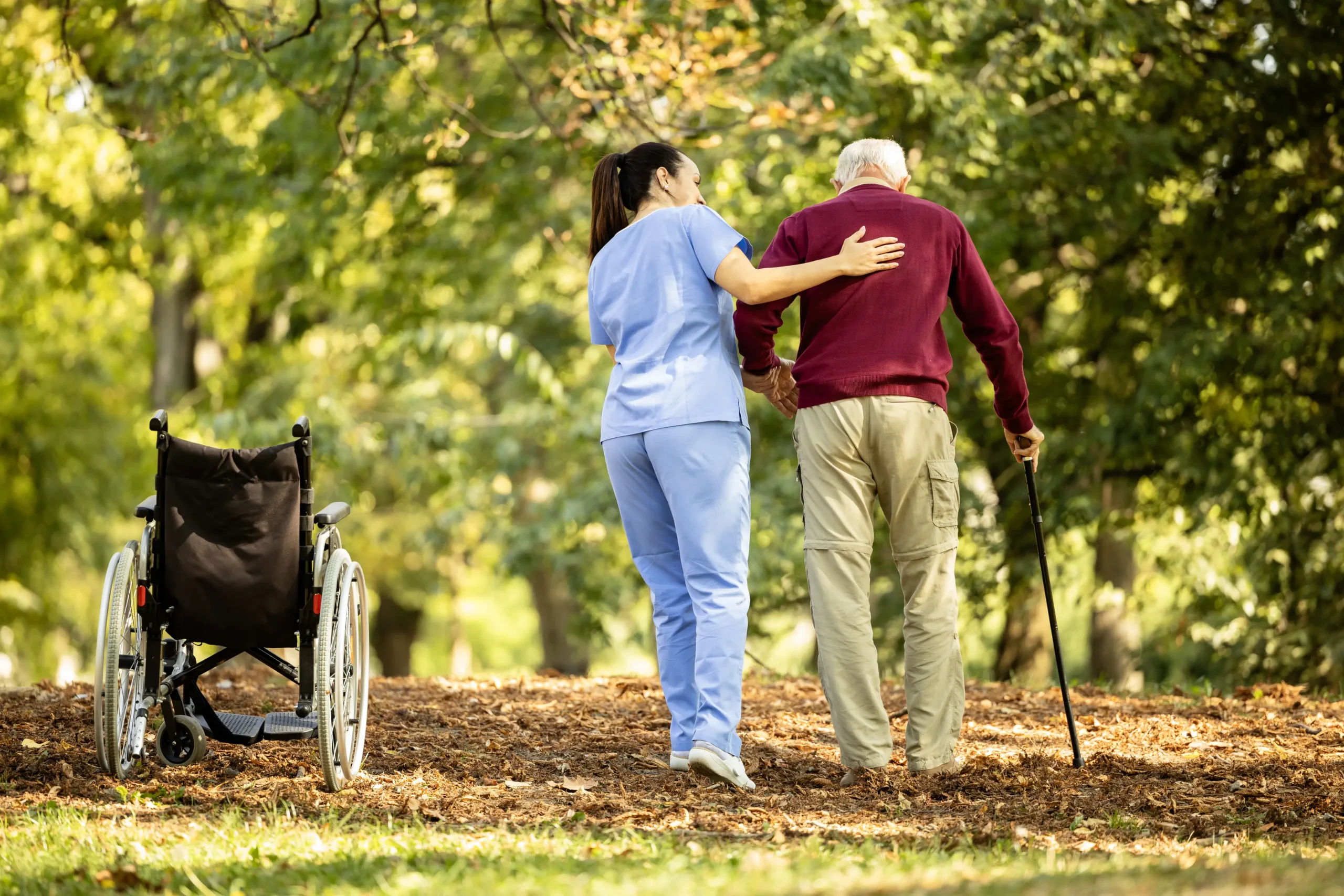
Why Nursing Home Residents Are at High Risk
Many residents enter long term care with conditions that increase fall risk, including:
- Mobility limitations or muscle weakness
- Balance disorders
- Dementia or confusion
- Medication side effects
- Recent surgery or hospitalization
- History of prior falls
These risks are not surprises. Federal and state regulations require nursing homes to assess fall risk on admission and regularly thereafter. Facilities must implement care plans that address supervision, assistive devices, environmental safety, and medication management.
When those protections are not in place, a fall becomes foreseeable.
The Consequences of a Preventable Fall
Falls in nursing homes frequently result in life altering injuries, including:
- Hip fractures
- Traumatic brain injuries
- Subdural hematomas
- Spinal cord injuries
- Internal bleeding
- Loss of mobility and independence
For elderly residents, even a single fracture can trigger a rapid decline. Complications such as infections, blood clots, pneumonia, or surgical complications can follow. In many cases, a fall marks the beginning of a downward spiral that ends in wrongful death.
What began as a lack of supervision can become a fatal chain reaction.
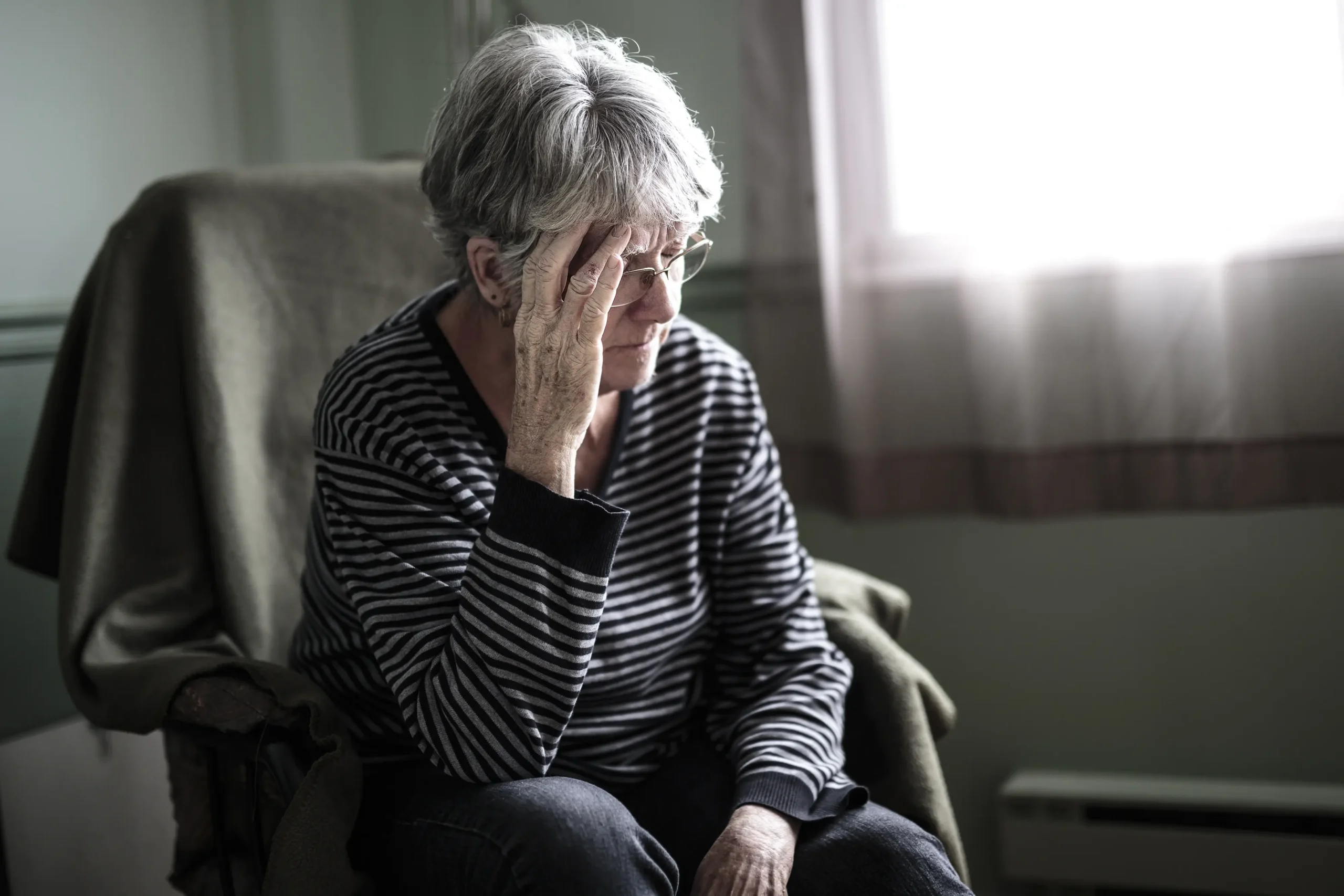
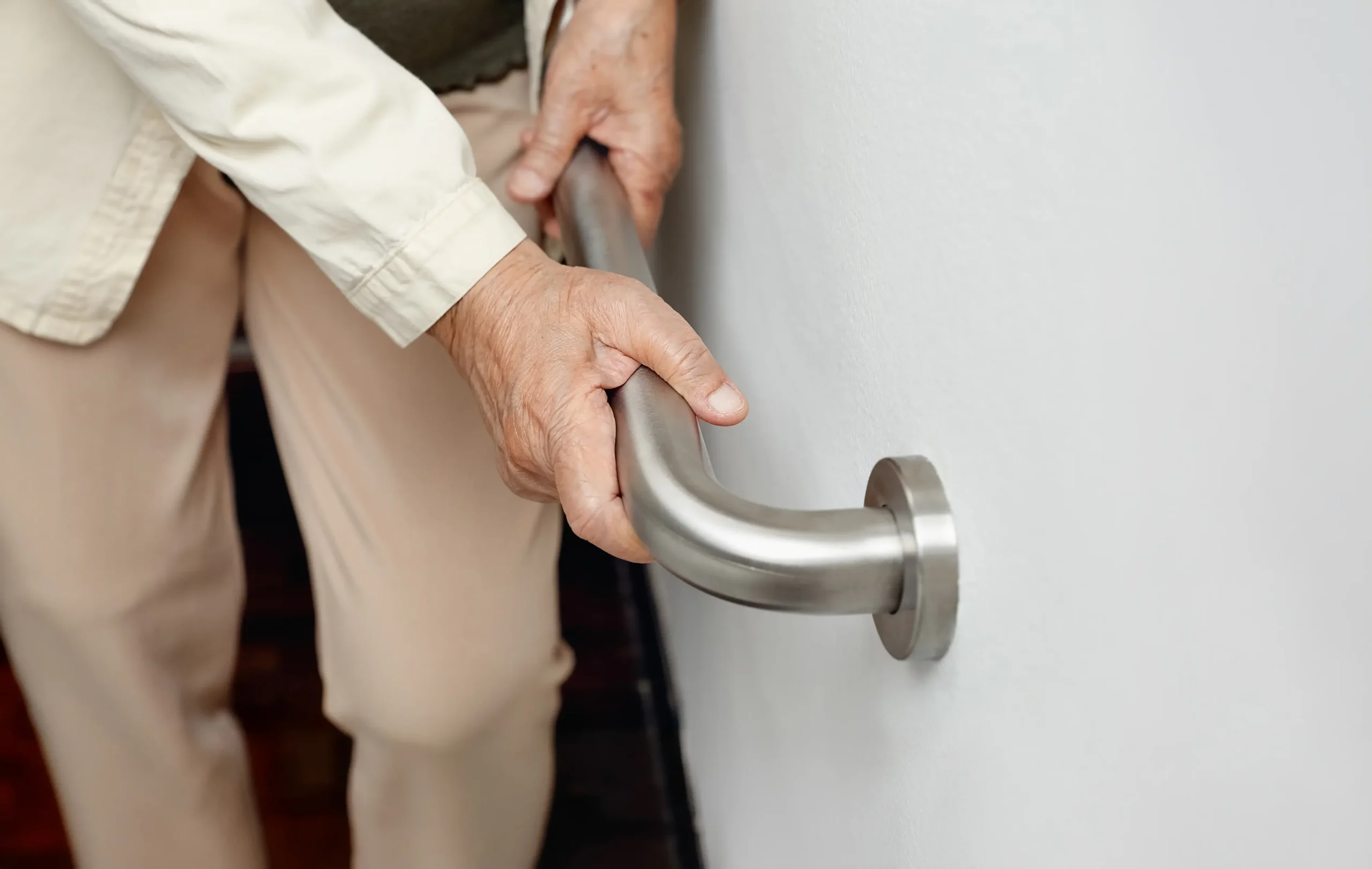
How These Falls happen?
According to the CDC, 16–27 percent of nursing home falls are due to environmental hazards such as wet floors, poor lighting, incorrect bed height and improperly fitted or maintained wheelchairs.
However, it isn’t just environmental hazards that contribute to falls in nursing homes. Negligence contributing to falls may comprise:
- Failure to monitor residents
- Failure to supervise at-risk residents walking in the facility
- Failure to use proper safeguards
- Improper assessment of fall risk
- Damaged or defective walking aids
- Bed rail malfunction
- Undertrained staff
- Improper transfer methods and positioning of residents with limited mobility
- Medication errors or change in medication — drugs which affect the central nervous system like sedatives and anxiolytics are of particular concern, and significantly increase the risk of falls for up to three days after any change
What Fall Protection Should Look Like
Proper fall prevention requires more than bed alarms or occasional rounding. Effective protection often includes:
- Individualized fall risk assessments
- Updated and documented care plans
- Adequate staffing levels
- Timely assistance with transfers and toileting
- Proper use of walkers, wheelchairs, and other mobility aids
- Environmental safety measures such as clear walkways and appropriate lighting
- Medication reviews to identify drugs that increase dizziness or sedation
- Close monitoring after a prior fall
When these steps are skipped or inconsistently applied, residents are left vulnerable.


How McEldrew Purtell Investigates Fall Cases
Fall cases require careful reconstruction. Our team examines:
- Admission assessments and fall risk scores
- Care plans and updates
- Staffing levels at the time of the fall
- Call light response times
- Medication administration records
- Surveillance footage when available
- Incident reports and internal investigations
We work to determine whether the fall was truly unavoidable or the result of preventable failures.
These cases are about more than compensation. They are about accountability and preventing the same harm from happening to someone else.
Speak With a Nursing Home Neglect Attorney
If your loved one suffered a serious injury or died after a fall in a nursing home, you deserve answers. Facilities often move quickly to limit exposure. Early investigation can preserve critical evidence.
McEldrew Purtell represents families in catastrophic injury and wrongful death claims involving nursing home falls and lack of fall protection.
Contact us to discuss what happened and to understand your legal options.

Learn More
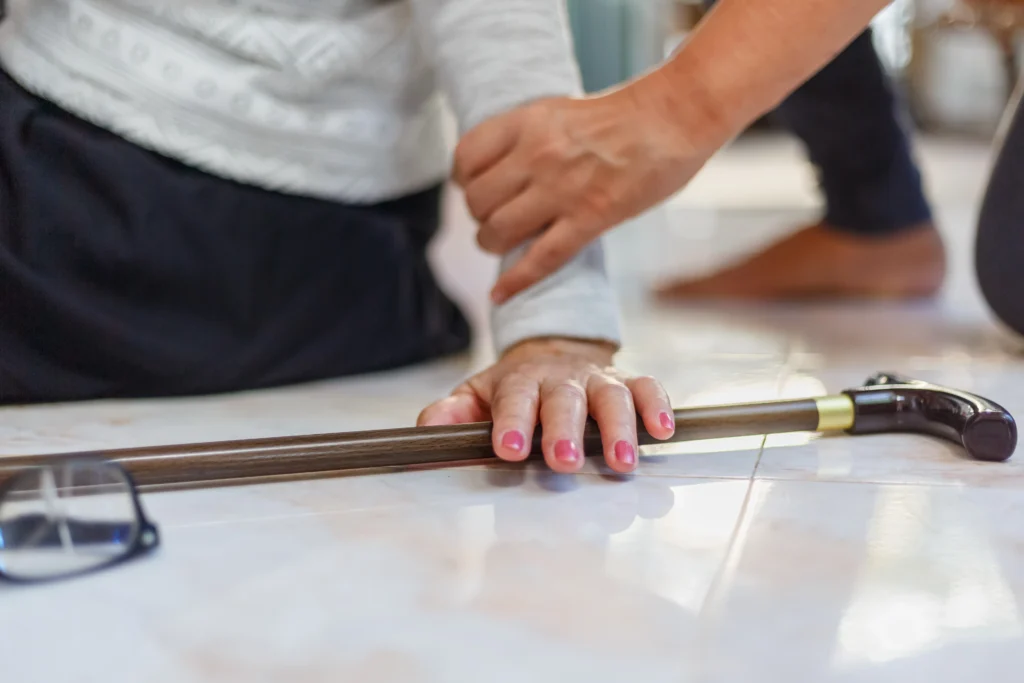
Nursing Home Fall Injuries: Hip Fractures, Brain Bleeds, and Wrongful Death
For an elderly or medically fragile nursing home resident, a single fall can cause catastrophic, life-altering harm. A fractured hip may require surgery, permanently destroy the resident’s mobility and independence, and trigger complications such as blood clots, pneumonia, pressure injuries,…
Sepsis Deaths in Nursing Homes: Bedsores, UTIs, and Pneumonia
Sepsis-related deaths in nursing homes occur when an infection is not recognized and treated as a medical emergency in time. An infected bedsore, urinary tract infection, or case of pneumonia can spread, damage vital organs, and become life-threatening when staff…
Inside a Nursing Home Crisis: Poor Conditions Leading to Catastrophic Injury or Death
Nursing home residents can suffer catastrophic injuries when facilities fail to provide safe temperatures, clean living areas, working equipment, adequate supervision, and timely personal care. Recent reports about Rochester Manor and Villa in Beaver County describe excessive heat, pests, possible…

Ian Norris Featured in Article on Genesis HealthCare Bankruptcy and Nursing Home Abuse Claims
McEldrew Purtell attorney Ian Norris was recently featured in an article published by Searchlight New Mexico and republished by The Santa Fe New Mexican regarding Genesis HealthCare’s bankruptcy and its potential impact on plaintiffs pursuing nursing home negligence and wrongful…
Nursing Home Neglect: 15 Warning Signs Families Can’t Ignore
When you move a parent or loved one into a nursing home, you’re trusting strangers with something irreplaceable: their safety, dignity, and quality of life. Too often, that trust is broken. Chronic understaffing, poor training, and corporate cost-cutting can leave…
Explosion Reported at Bucks County Nursing Home: What Families Need to Know and Do Now
On Tuesday, December 23, 2025, an explosion and fire were reported at Silver Lake Nursing Home / Silver Lake Healthcare Center on Tower Road in Bristol Township, Bucks County. Early reports indicated people may have been trapped, a large emergency…