

Oxygen-Deprivation Birth Injuries (Perinatal Asphyxia): What Families Need to Know
Apart from inherited health problems, most infant health disorders, like neonatal seizure and brain dysfunction disorders, are caused by occurrences before, during, and after birth. This is known as the perinatal period, with a majority of serious injuries being caused by asphyxia, or a lack of oxygen to the brain.
While managing the circumstances surrounding a child that has suffered from perinatal asphyxia is challenging, the law gives families the opportunity to pursue damages from those responsible to compensate for their pain, stress, and financial losses. At McEldrew Purtell, we’ve handled thousands of personal injury cases. We’ll highlight some of the causes of infant perinatal asphyxia and the steps you can take to get justice.

Information About Perinatal Asphyxia
What is Perinatal Asphyxia?
Birth asphyxia is a dangerous medical condition caused by a lack of oxygen being able to reach the brain. This oxygen depletion harms the baby in the form of brain injuries like hypoxic-ischemic encephalopathy and intracranial hemorrhage. It can also cause health problems like hypoglycemia and respiratory distress.
The threat of hypoxic-ischemic encephalopathy is especially dangerous. Oxygen deprivation as a result of asphyxia can quickly damage brain tissue. Also known as HIE, hypoxic-ischemic encephalopathy is a condition that is the leading cause of severe impairments for infants. HIE can cause conditions including epilepsy, delayed motor skills, cerebral palsy, and cognitive impairment.
Causes of Perinatal Asphyxia
There are a number of circumstances that can cause a baby to become oxygen-deprived around the time of delivery:
- Umbilical cord complications: Umbilical cord prolapse and the cord being wrapped about the baby’s neck can cause the flow of oxygen to be cut off, leading to oxygen deprivation.
- Pre-eclampsia: If a mother is diagnosed with high blood-pressure during her pregnancy, this can cause decreased blood flow to the baby.
- Emergency c-section delay: Complications during labor often require a quick delivery via c-section. If this procedure is delayed for any reason, it can mean the baby will be deprived of oxygen for too long.
- Placental abruption: This occurs when the placenta separates from the uterine wall, causing severe bleeding and loss of blood flow to the baby.
- Improper anesthesia administration: Mistakes can cause problems with the mother’s blood pressure, interfering with blood flow to the baby, leading to HIE.
Many complications leading to infant asphyxia can be managed if the medical team is monitoring the infant properly and takes the correct steps to limit their exposure to injury. Unfortunately, this isn’t always the case. If the care team doesn’t interpret the fetal heart monitor properly, they may miss the problem, and they may not take the proper steps due to improper training or oversight and negligence on the part of senior staff due to factors like fatigue.
Risk Factors for Perinatal Asphyxia
Doctors should always be monitoring the mother and infant in the months leading up to birth, and doctors should note and talk to patients if they have any of the following risks for perinatal asphyxia:
- Young mothers between 20-25 years old
- Multiple births such as twins or triplets
- Low birth weight
- Lack of prenatal care
- Abnormal position of the fetus (ie; breech)
- Preeclampsia or eclampsia
- History of prior birth asphyxia
Long Term Complications from Perinatal Asphyxia
Perinatal Asphyxia can cause a range of issues for the infant, ranging from mild to severe. There are also short and long-term effects that may or may not occur depending on the severity and timing of the asphyxia.
- Short term effects include:
- Build up of acid in the blood (acidosis)
- Hypertension (high blood pressure)
- Problems with blood clotting
- Respiratory distress
- Kidney problems
Long term effects will vary based on severity of the asphyxia. If the asphyxia lasts 5 minutes or longer, there is a significant risk of brain damage in the infant. This can lead to cognitive and behavioral changes that may be lifelong. These include:
- Hyperactivity
- Autism spectrum disorder
- Schizophrenia
- Psychotic disorders in adulthood
- Attention deficit
- Low IQ
- Cerebral Palsy
- Epilepsy or seizure disorder
- Vision or hearing impairments
- Intellectual disabilities
In some cases, it can be difficult to determine whether an infant has mild or severe asphyxia shortly after birth, and some of the complications may not be known until later in the child’s life. But doctors should make every attempt to properly and quickly diagnose perinatal asphyxia so as to reduce its severity.
Learn More
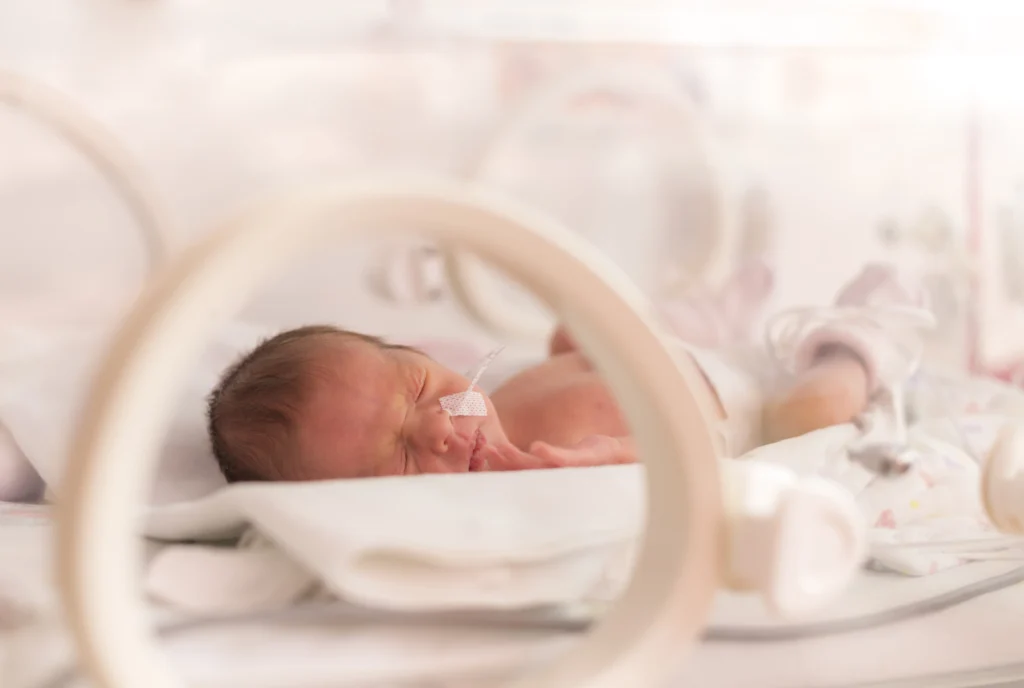
NICU Monitoring Failures: Delayed Response to Apnea, Bradycardia, and Oxygen Desaturation
Apnea, bradycardia, and oxygen desaturation are common in neonatal intensive care, particularly among premature infants. Some events resolve without treatment. Others require stimulation, supplemental oxygen, respiratory support, medication, or more advanced intervention depending on the baby’s condition. A poor outcome…

Neonatal Sepsis and Meningitis: Delayed Treatment and Brain Injury
Newborn sepsis and meningitis develop when bacteria or other pathogens enter a newborn’s bloodstream or central nervous system during or after birth and can cause seizures, brain injury, organ failure, and death when not recognized and treated quickly. These infections…

McEldrew Purtell Represents Child in Cerebral Palsy and Birth Injury Case
McEldrew Purtell is representing a child and her family in a serious birth injury case involving alleged failures to recognize and respond to fetal distress signs during labor and delivery. According to the allegations being investigated, the pregnancy became concerning…

When to Consult a Philadelphia Birth Injury Lawyer
A newborn baby has their whole life ahead of them, but a birth injury gives them a rough start. If your child has suffered from a birth injury, consider consulting with a Philadelphia birth injury lawyer. Experienced birth injury attorneys…

Boppy Newborn Lounger and Infant Pillow Recall
Boppy Newborn Lounger and Infant Pillow Recalls Exhausted parents and caregivers are constantly on the lookout for any device or product that can help them to care for their newborns. While some popular infant loungers include warnings against allowing newborns…

Birth Injury Lawsuits: What To Expect
Many children born in the United States will suffer from a birth injury, which may impact their health and well-being. Yet, many of these injuries are preventable. If your child has suffered a birth injury, you may have the right…